
Recipe archive
Loading
Setting the table...
Fetching the latest recipes from the archive.
Loading
Fetching the latest recipes from the archive.
Recipe archive
America's Melting Pot
Washington Pie hero image coming soon
1776-1800 - Early American colonial households and bakers honoring George Washington.
Washington Pie is a layered dessert combining cake and fruit preserves, dating back to late 18th-century America. This simple yet elegant sweet features moist cake layers sandwiched with jam or jelly and optionally dusted with sugar, reflecting colonial baking practices and early American tastes for fruit desserts.
No featured photo yet. Upload a photo with your review. The highest-rated community photo may become this recipe's hero image.
Difficulty
Medium
Prep time
30 minutes
Cook time
20 minutes
Total time
50 minutes
Servings
8
Region
Pennsylvania German and New England commemorative baking kitchens
Era introduced
1776-1800
Introduced by
Early American colonial households and bakers honoring George Washington.
Recipe tools
Log in to save this recipe to a collection.
Washington Pie dates to the American Revolutionary period and is named in honor of George Washington. This dessert was a practical and popular treat in early American households, using simple ingredients commonly available. It consists of cake layers filled with fruit preserves, showcasing early American preferences for sweet, fruit-based confections suitable for celebrations and gatherings during the country's formative years.
Share family changes, regional twists, or pantry-friendly adaptations as full community recipes.
Log in to submit a community recipe.
No community recipes yet. Submitted recipes are published right away.
Rate this recipe and share how it worked at your table.
Log in to review this recipe.
No reviews yet. Be the first to rate this recipe.
Recipes matched by era, region, occasion, ingredients, and cultural roots from the archive.
Same era
America's Melting Pot
Deviled Egg Filling photo coming soon
1700s-present
Deviled Egg Filling is a spread with real American table personality: Not exactly a sauce, but a condiment-like American picnic food. It brings flavor from coast-to-coast American tables to cookouts, counters, lunch plates, potlucks, and weeknight suppers.
1700s-1800s
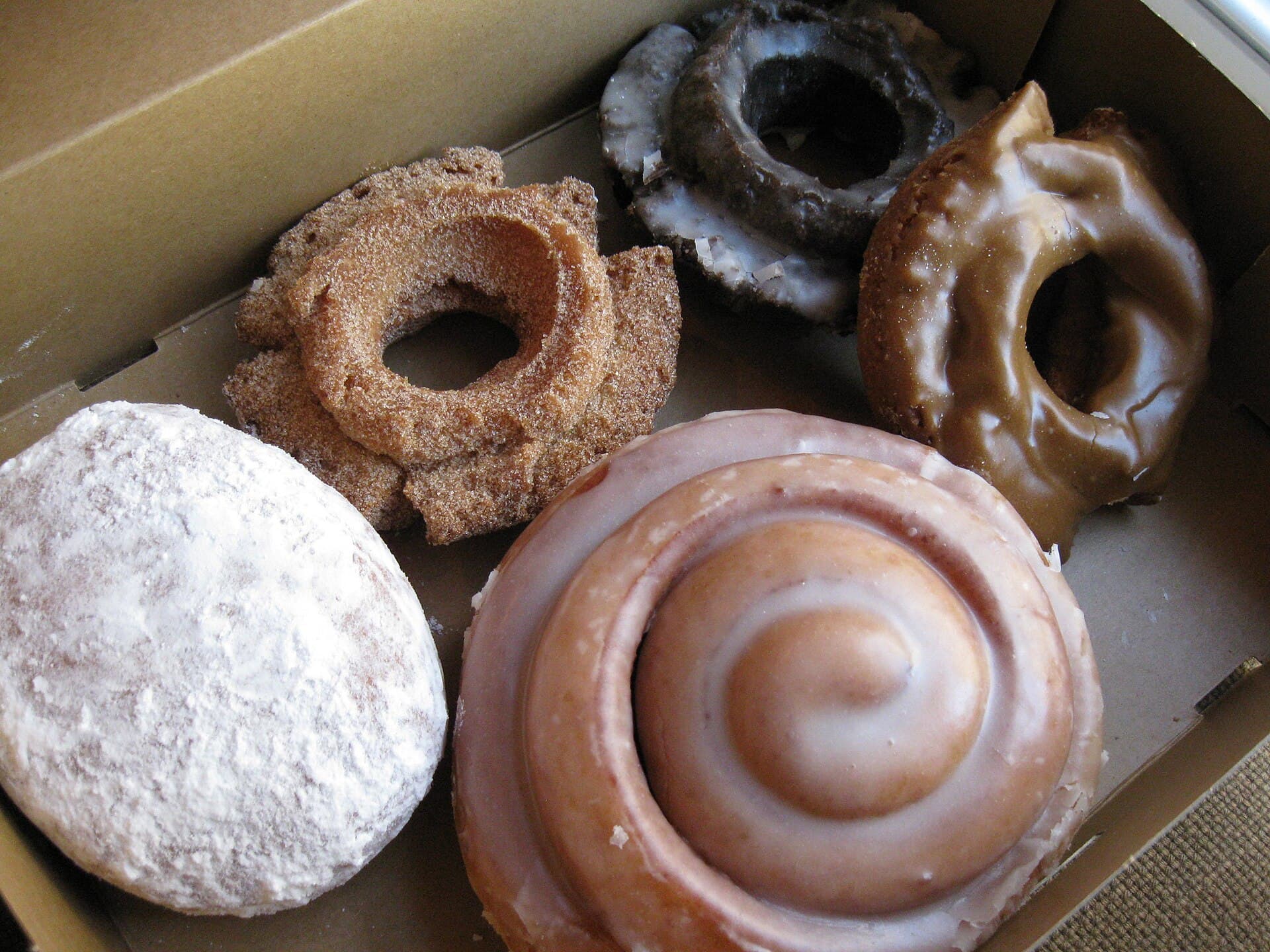
Doughnuts are a beloved American breakfast and snack originating from various immigrant influences, consisting of fried dough rings or balls coated in sugar or glaze. The recipe has evolved over centuries and become a cross-era staple with numerous regional variations.
1700s-present
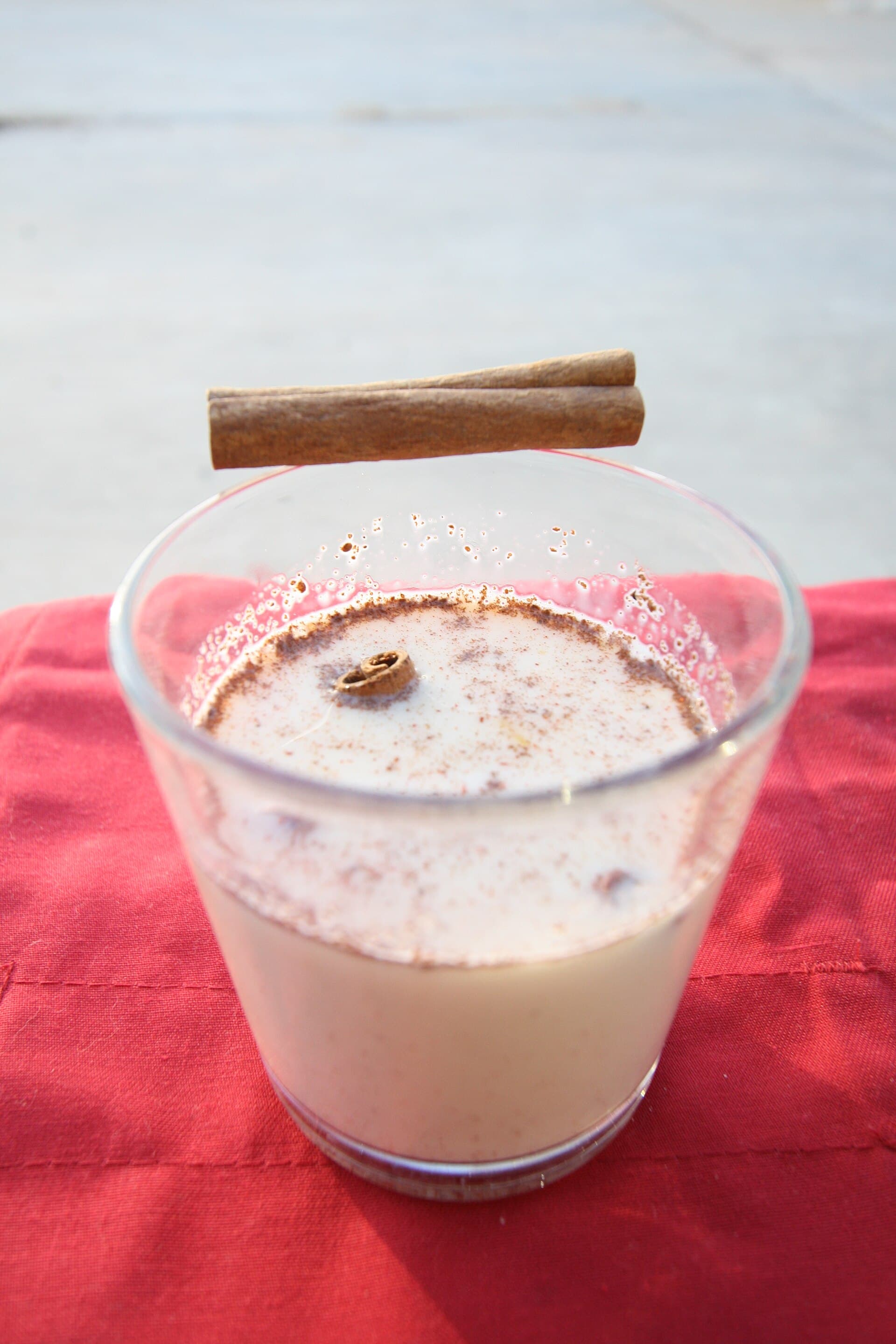
Eggnog is a rich, creamy holiday beverage made from milk or cream, beaten eggs, sugar, and often spiked with spirits such as brandy or rum. Served chilled, it is a festive treat deeply associated with Christmas celebrations across the United States, with colonial roots.
Same region

1700s-present
Sugar cookies are a timeless American holiday treat known for their crisp edges and tender interiors. Often decorated with colored sugar or icing, they hold a special place in Christmas celebrations and beyond, evolving over centuries to suit home bakers and commercial baking alike.
America's Melting Pot
Acorn Bread photo coming soon
1800-1860
A nutty, lightly sweet quick bread made with properly leached acorn flour, cornmeal, and wheat flour.
America's Melting Pot
Apple Cake photo coming soon
1800s-present
A tender apple-studded cake with cinnamon, butter, and a simple crumb topping.
Same table
1800s-present
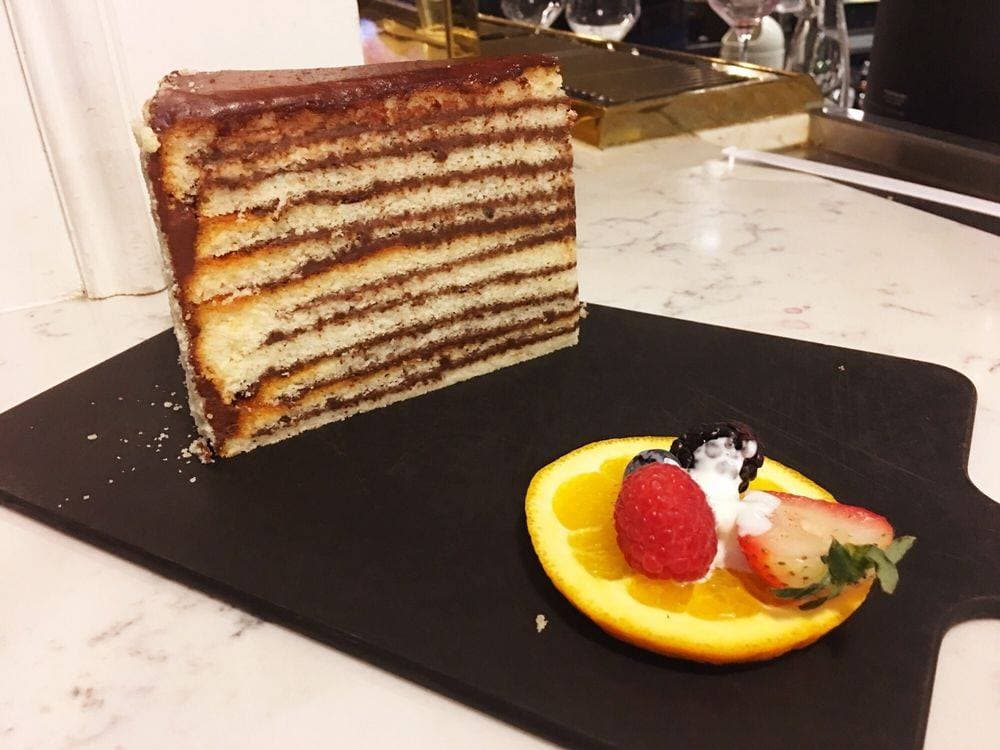
Smith Island Cake is a multi-layered cake originating from the Mid-Atlantic region, known for its numerous thin layers and rich chocolate frosting. This cake is the official state dessert of Maryland and reflects the baking traditions of the Chesapeake Bay area.
1900s-present
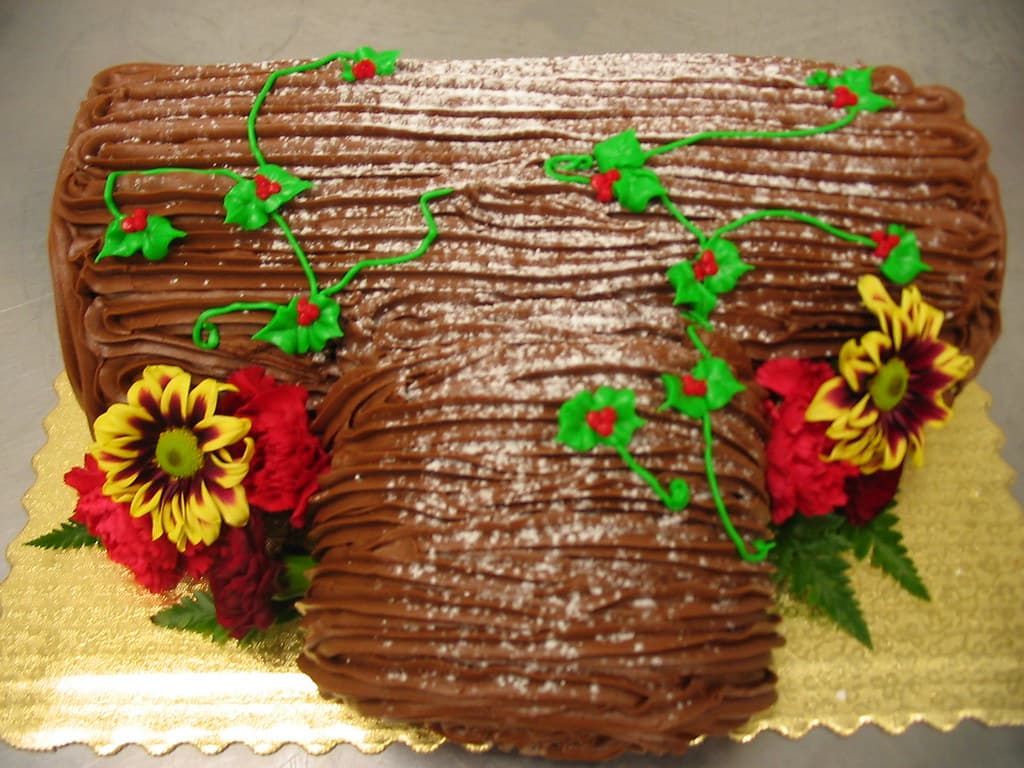
The Yule Log, or Buche de Noel, is a rolled sponge cake decorated to resemble a tree log, traditionally served at Christmas. This dessert's American adoption reflects European holiday customs, featuring chocolate sponge with cream filling and decorative frosting representing the winter season.
America's Melting Pot
Molasses Pound Cake photo coming soon
1861-1900
Molasses Pound Cake is a rich, moist cake sweetened with molasses, characteristic of Southern American desserts during the Reconstruction era. The cake features traditional pound cake proportions with the addition of molasses and warm spices, reflecting the culinary adaptation to available and affordable sweeteners post-Civil War. It embodies Southern resilience and culinary identity in comfort baking.