
Recipe archive
Loading
Setting the table...
Fetching the latest recipes from the archive.
Loading
Fetching the latest recipes from the archive.
Recipe archive
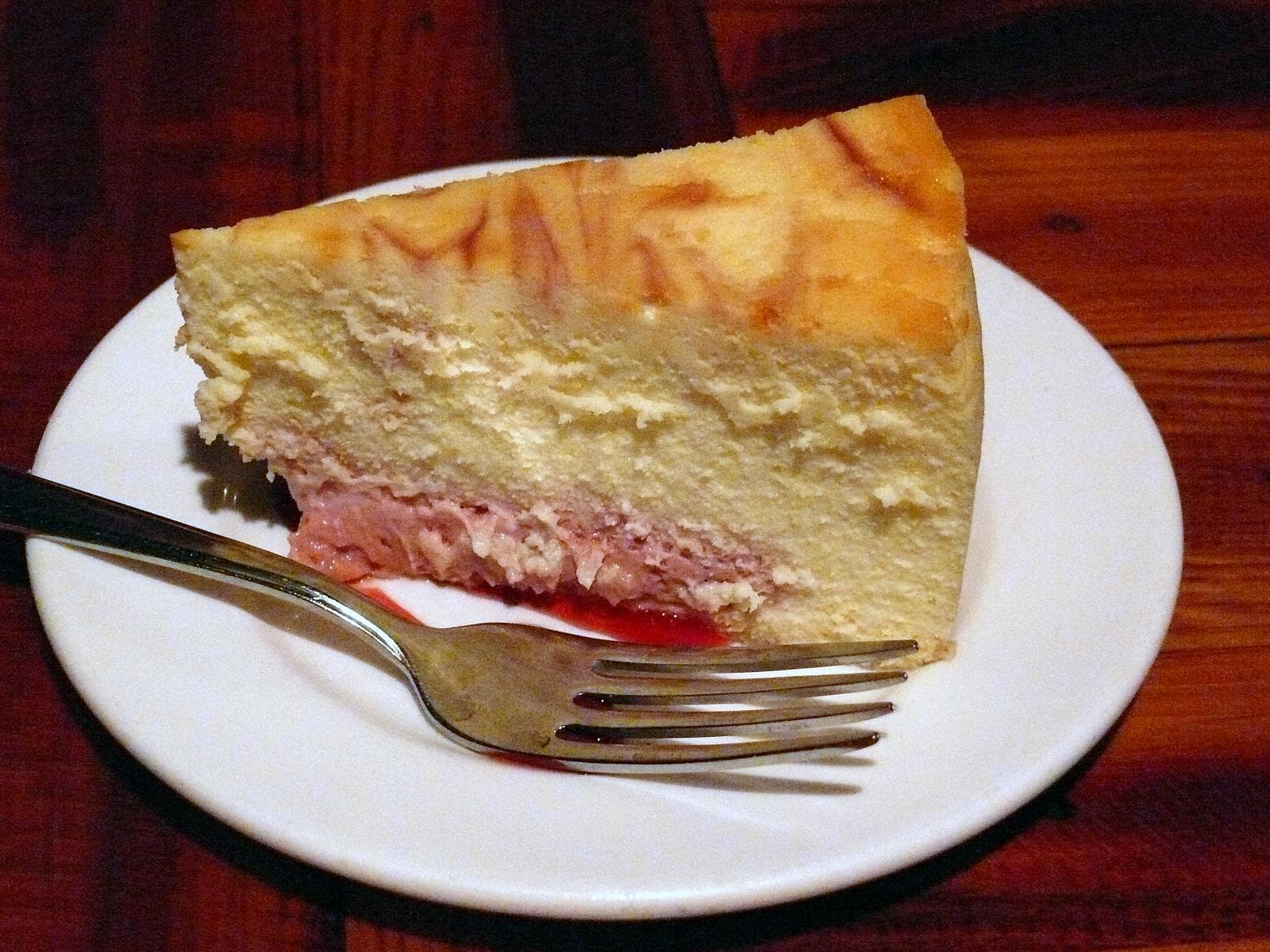
1946-1969 - New York City bakeries and mid-century American home bakers
New York Cheesecake is a rich, dense dessert made with cream cheese, eggs, sugar, and a graham cracker crust. Emerging after World War II, it became a symbol of mid-20th-century American prosperity and indulgence, particularly associated with New York City bakeries.
Community-powered photos. Reviewers can upload dish photos, and the highest-rated community image may be featured here.
Difficulty
Medium
Prep time
30 minutes
Cook time
1 hour
Total time
1 hour 30 minutes plus chilling
Servings
12
Region
Mid-Atlantic
Era introduced
1946-1969
Introduced by
New York City bakeries and mid-century American home bakers
Recipe tools
Log in to save this recipe to a collection.
The New York Cheesecake gained renown in the Postwar era as Americans enjoyed greater access to refrigeration and specialty ingredients like cream cheese. This dessert, characterized by its dense and creamy texture with a crunchy graham cracker base, became a staple of New York City bakeries and later, nationwide. It reflects the economic optimism and suburban bake culture prominent from 1946 to 1969.
Share family changes, regional twists, or pantry-friendly adaptations as full community recipes.
Log in to submit a community recipe.
No community recipes yet. Submitted recipes are published right away.
Rate this recipe and share how it worked at your table.
Log in to review this recipe.
No reviews yet. Be the first to rate this recipe.
Recipes matched by era, region, occasion, ingredients, and cultural roots from the archive.
Same era
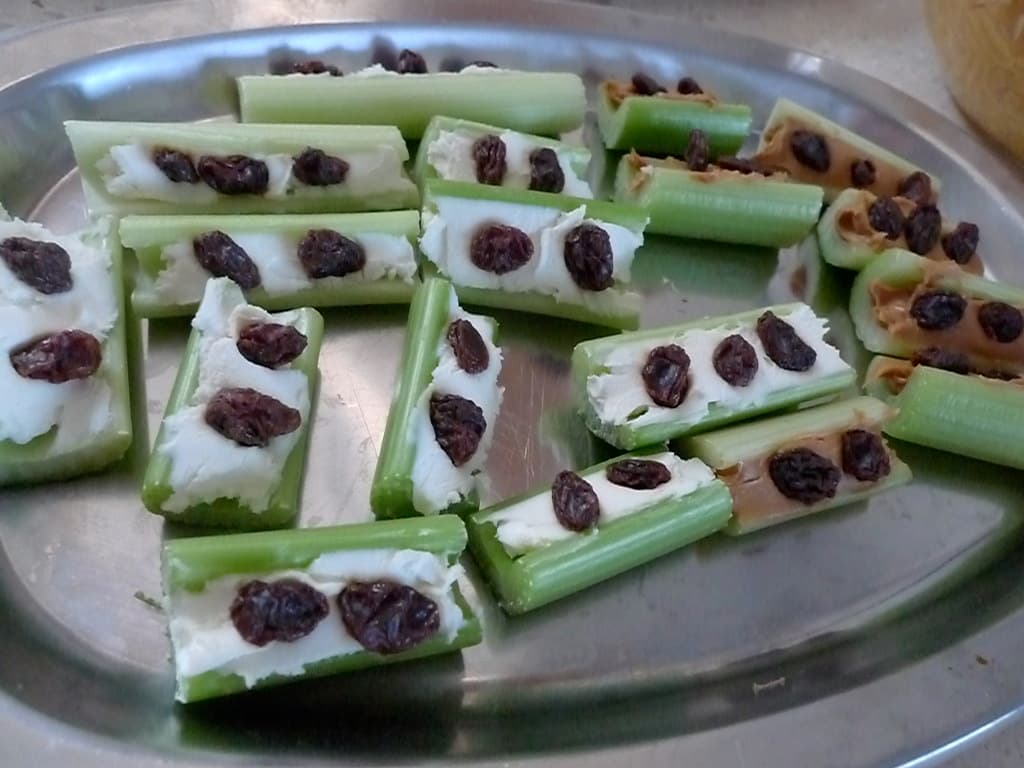
1950s-present
Celery sticks filled with peanut butter and topped with raisins, the classic American kid snack.
America's Melting Pot
Arby's-Style Horsey Sauce photo coming soon
1964-1970s
Arby's-Style Horsey Sauce is a sandwich sauce with real American table personality: Fast-food horseradish mayo tradition. It brings flavor from coast-to-coast American tables to cookouts, counters, lunch plates, potlucks, and weeknight suppers.
America's Melting Pot
Bacon-Wrapped Water Chestnuts photo coming soon
1946-1969
Crunchy water chestnuts wrapped in bacon, baked until crisp, and glazed with a brown sugar, soy, ketchup, and Worcestershire sauce.
Same region
America's Melting Pot
New York Chopped Cheese photo coming soon
2010-2026
New York Chopped Cheese is a deli sandwich with chopped spiced ground beef cooked with onions, topped with melted American cheese, lettuce, tomato, and condiments on a hero roll. It originated in Harlem and Bronx bodegas and became a viral street food icon in the 2010s and beyond.
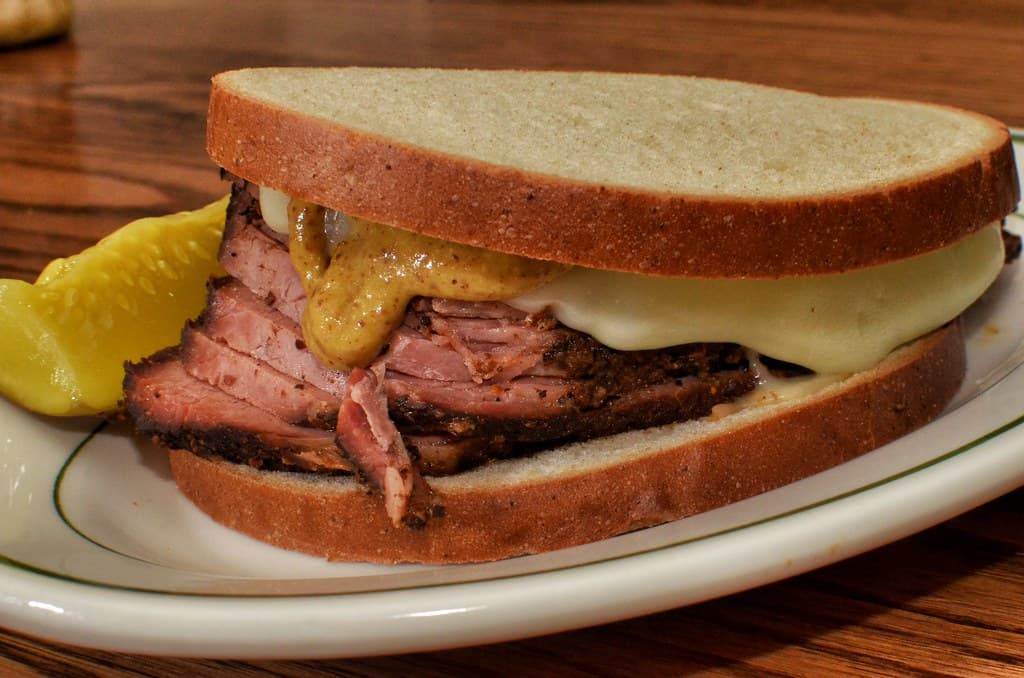
1861-1900
Pastrami on rye is a signature Jewish-American deli sandwich featuring spiced cured pastrami piled on rye bread, often served with mustard. It became emblematic of New York's Mid-Atlantic deli culture during the late 19th century.
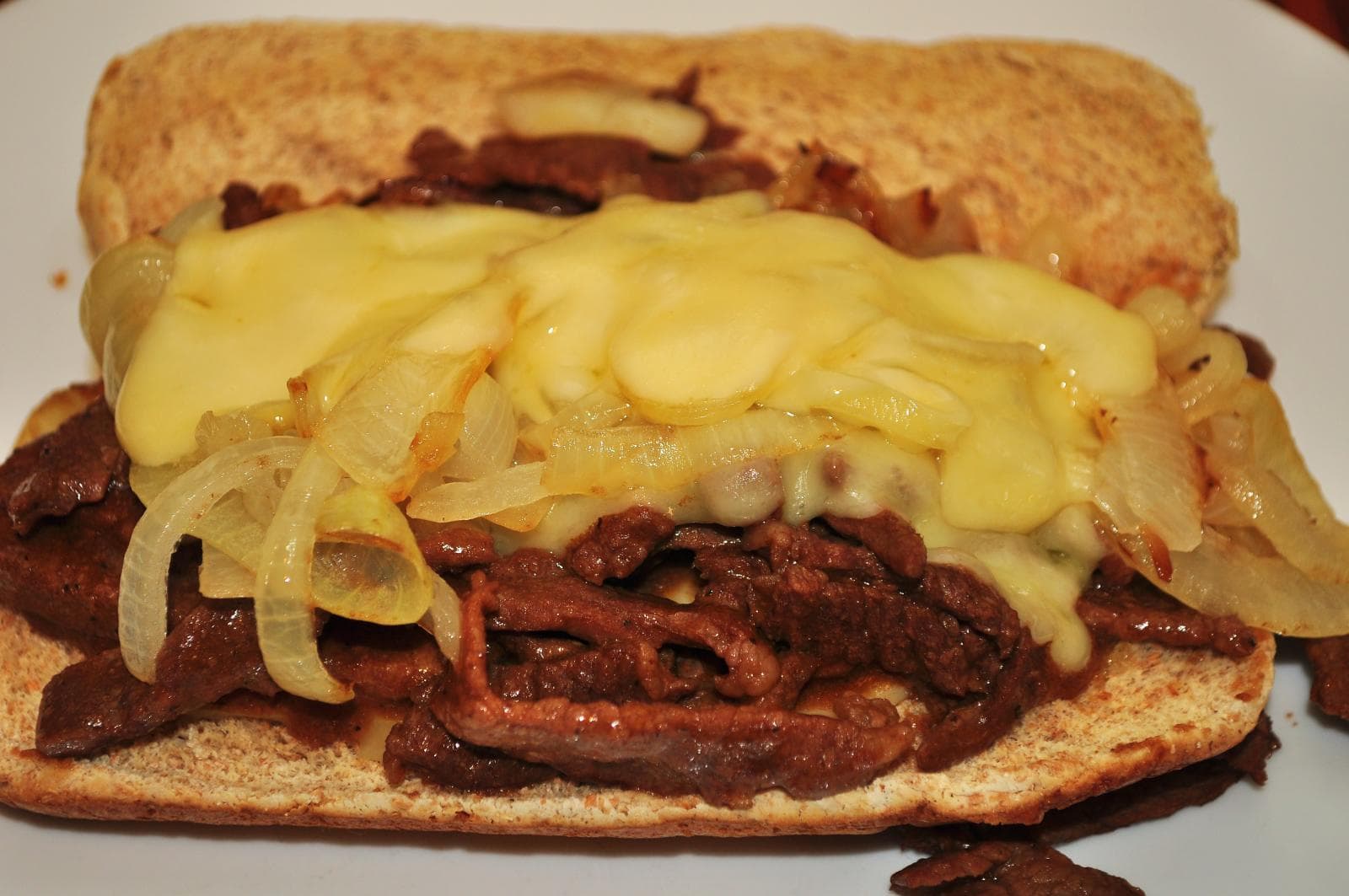
1946-1969
The Philly cheesesteak is a beloved sandwich hailing from Philadelphia and the Mid-Atlantic region, featuring thinly sliced beef, melted cheese, and a soft hoagie roll. It rose to regional prominence between 1946 and 1969 as a staple of postwar prosperity and working-class food culture.
Same table
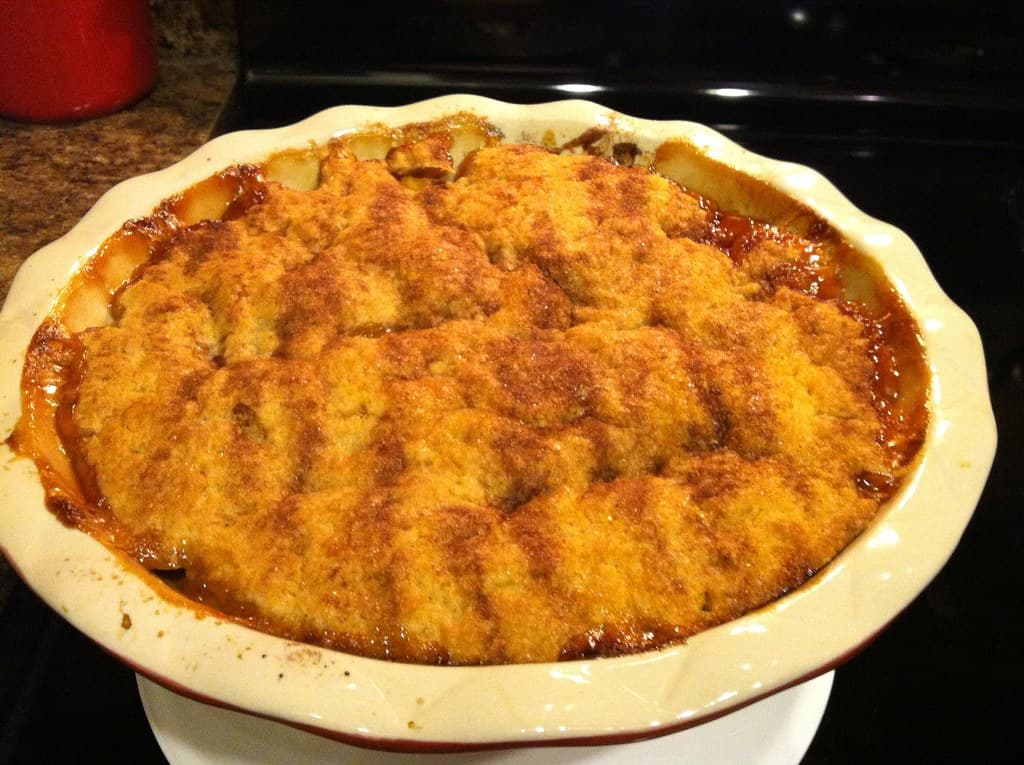
1861-1900
Peach cobbler is a comforting southern baked dessert featuring sweetened peaches topped with a biscuit or batter crust, baked until golden and bubbly. Widely enjoyed throughout the South, its origins trace to Reconstruction-era adaptations.
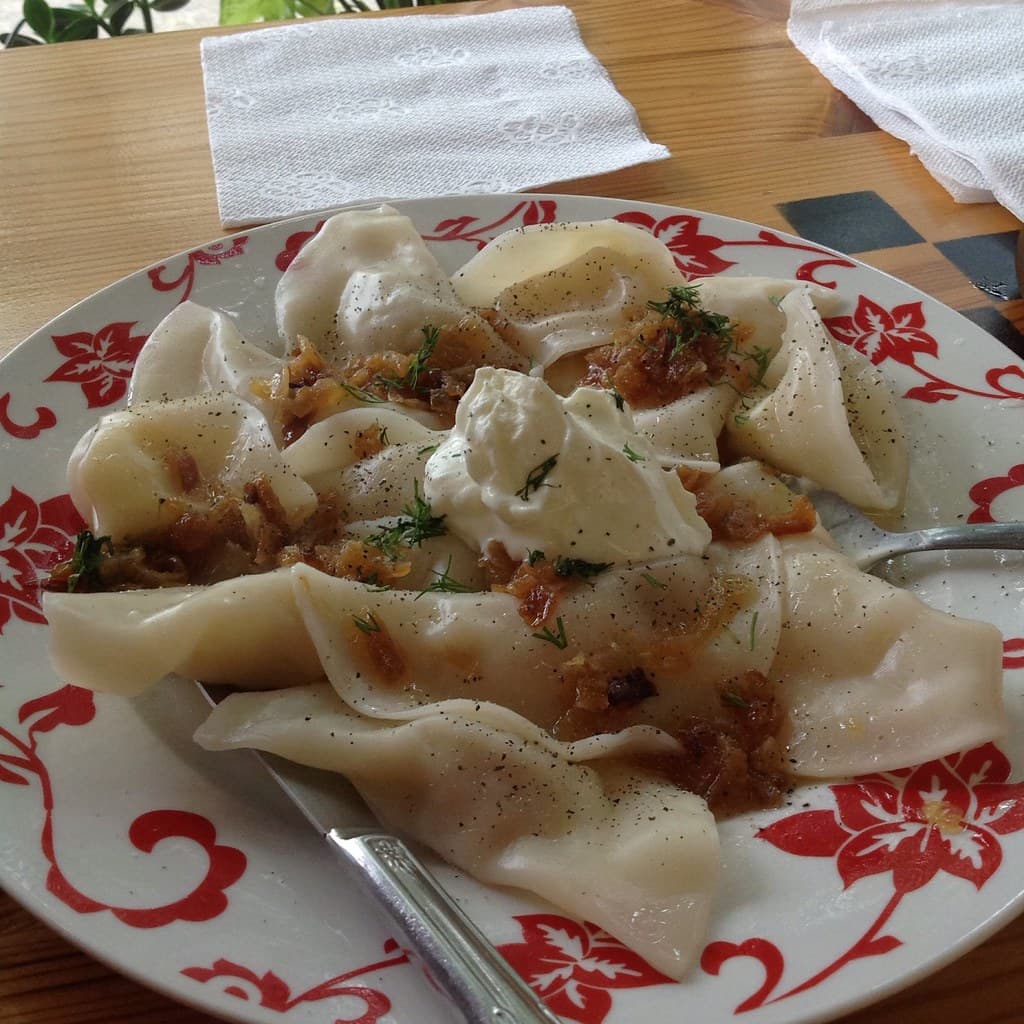
1880s-present
Pierogi are dumplings of Polish, Czech, Slovak, and other Eastern European origin widely embraced by immigrant communities in American cities during the early 20th century. Filled with sweet or savory ingredients, they became a comfort food at diners, lunch counters, and celebrations like Easter, helping preserve cultural traditions while integrating into American cuisine.
America's Melting Pot
Fried Dough photo coming soon
1890s-present
Fried dough is a crispy, golden fried bread dough treat commonly sold at fairs, carnivals, and carnivals across the United States. Topped with powdered sugar or cinnamon sugar, it represents immigrant-influenced American carnival cuisine of the early 20th century.