
Recipe archive
Loading
Setting the table...
Fetching the latest recipes from the archive.
Loading
Fetching the latest recipes from the archive.
Recipe archive
America's Melting Pot
Fried Dough hero image coming soon
1900-1929 - Midwestern and Northeastern carnival vendors and immigrant communities
Fried dough is a crispy, golden fried bread dough treat commonly sold at fairs, carnivals, and carnivals across the United States. Topped with powdered sugar or cinnamon sugar, it represents immigrant-influenced American carnival cuisine of the early 20th century.
No featured photo yet. Upload a photo with your review. The highest-rated community photo may become this recipe's hero image.
Difficulty
Easy
Prep time
15 minutes
Cook time
5 minutes
Total time
20 minutes
Servings
6
Region
New England beach, harvest-fair, and county-fair stands
Era introduced
1900-1929
Introduced by
Midwestern and Northeastern carnival vendors and immigrant communities
Recipe tools
Log in to save this recipe to a collection.
Fried dough is a popular carnival and state fair treat that showcases European immigrant culinary influences blending with American festival culture. Flour dough is stretched or rolled thin, fried until golden, and then dusted with sugar or cinnamon. Served hot, it is a nostalgic food shared widely since the early 1900s, enjoyed for its simple ingredients and indulgent crispness at community gatherings and fairs coast to coast.
Share family changes, regional twists, or pantry-friendly adaptations as full community recipes.
Log in to submit a community recipe.
No community recipes yet. Submitted recipes are published right away.
Rate this recipe and share how it worked at your table.
Log in to review this recipe.
No reviews yet. Be the first to rate this recipe.
Recipes matched by era, region, occasion, ingredients, and cultural roots from the archive.
Same era
America's Melting Pot
American French Dressing photo coming soon
1900s-present
American French Dressing is a dressing with real American table personality: The bright orange-red, sweet, tomatoey bottled dressing Americans call "French." Not very French, very American. It brings flavor from coast-to-coast American tables to cookouts, counters, lunch plates, potlucks, and weeknight suppers.
America's Melting Pot
Apple Pie Shake photo coming soon
1922-present
Apple Pie Shake brings drive-in, carhop, and fast-food dessert-counter energy to the table: Diner pie a la mode in a cup.
America's Melting Pot
Avgolemono Soup photo coming soon
1900-1929
A silky Greek-American chicken, rice, egg, and lemon soup made by tempering eggs into hot broth for a creamy dairy-free finish.
Same region
America's Melting Pot
Acorn Bread photo coming soon
1800-1860
A nutty, lightly sweet quick bread made with properly leached acorn flour, cornmeal, and wheat flour.
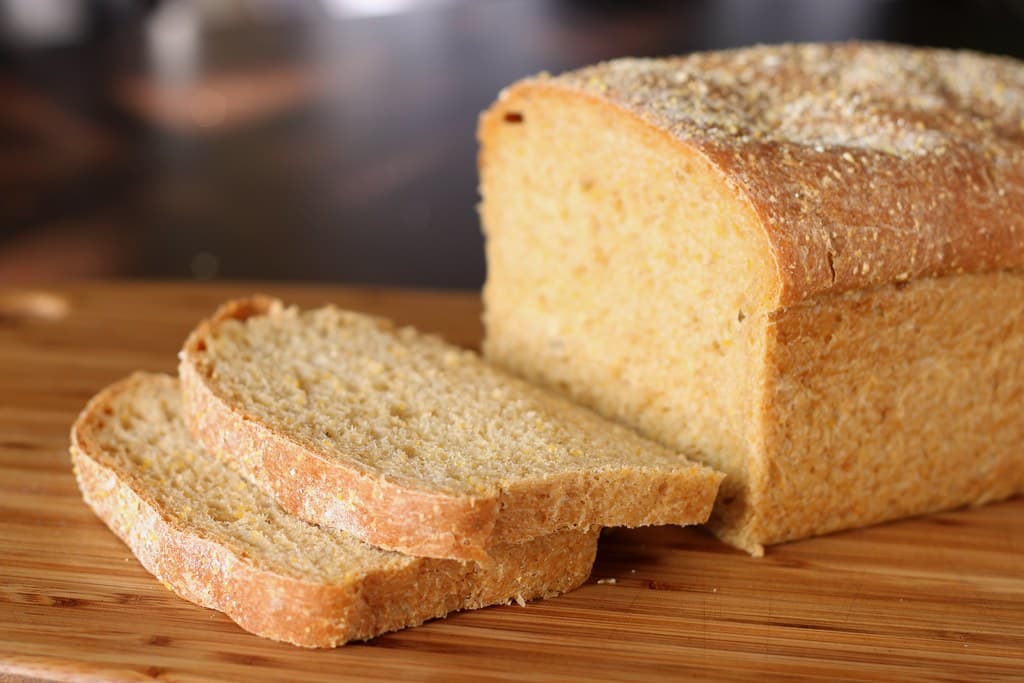
1800s-present
A lightly sweet New England loaf made with cornmeal, molasses, wheat flour, and yeast.
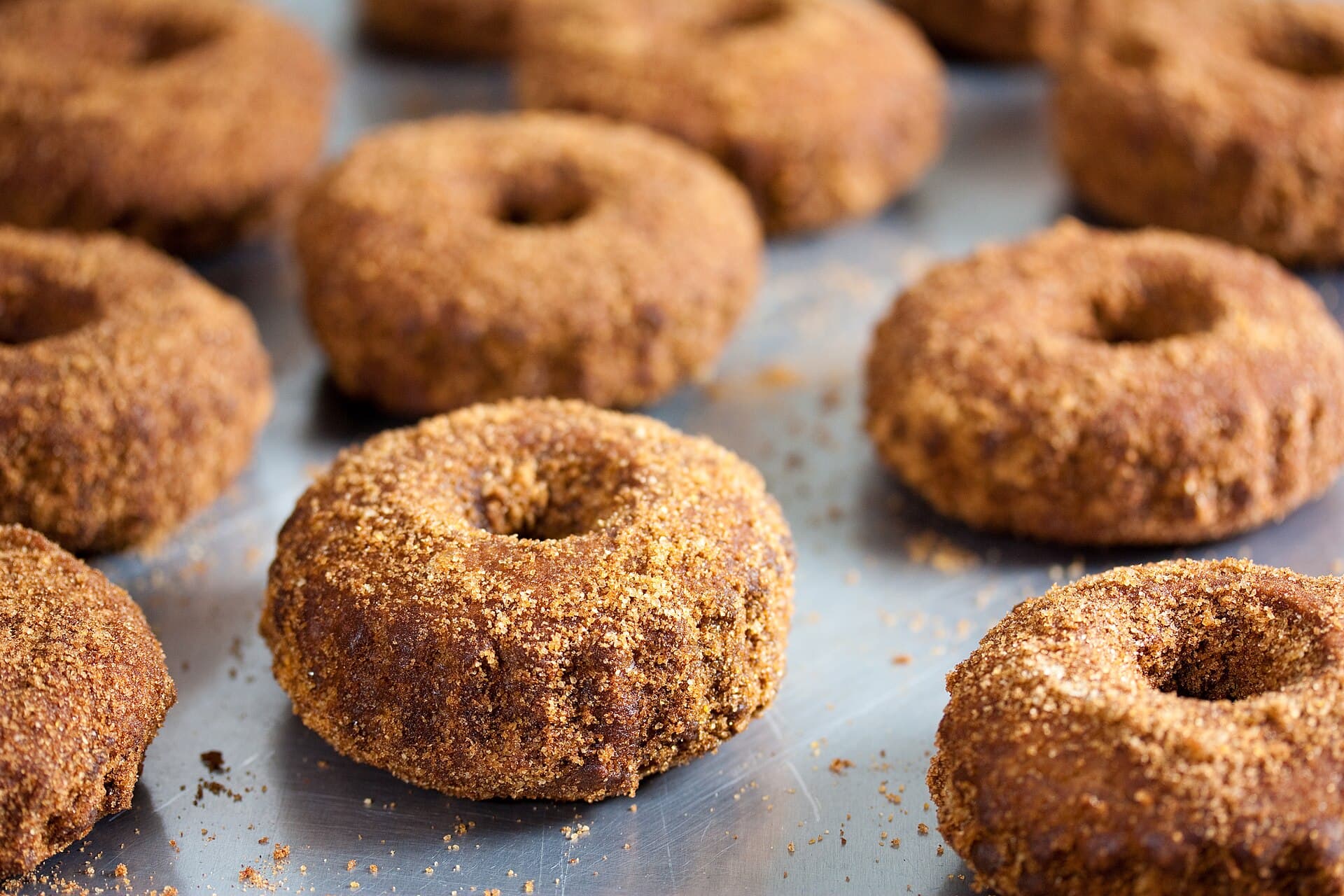
1900s-present
Cake doughnuts flavored with reduced apple cider and rolled in cinnamon sugar.
Same table
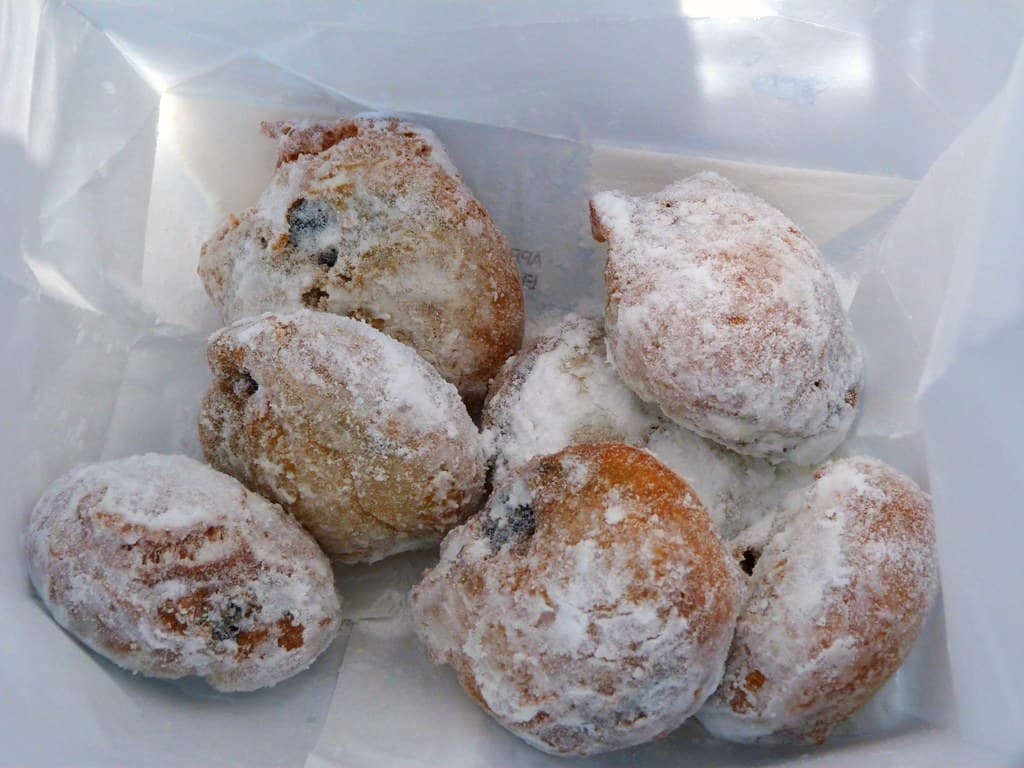
1990s-present
Fried Oreos feature Oreo cookies dipped in batter and deep fried, creating a warm, crispy, and gooey sweet treat. Popularized at American fairs and carnivals in the early 20th century, they blend convenience baking with indulgent frying.
America's Melting Pot
Greek Diner Rice Pudding photo coming soon
1900s-present
Greek diner rice pudding is a creamy dessert made from rice cooked with milk, sugar, and often flavored with cinnamon or lemon. Introduced by Greek immigrant communities in the early 20th century, this pudding became a classic offering in diners across the United States, prized for its comforting texture and simple ingredients.
America's Melting Pot
Pie by the Slice photo coming soon
1900s-present
Pie by the Slice refers to the tradition of serving a single slice of pie as a dessert or snack in American diners, lunch counters, and state fairs. Popular from the early 20th century onward, this practice highlights the accessibility and communal spirit of pie as an all-American favorite, offering a variety of fruit, cream, or custard pies available by the slice for quick enjoyment.