
Recipe archive
Loading
Setting the table...
Fetching the latest recipes from the archive.
Loading
Fetching the latest recipes from the archive.
Recipe archive
America's Melting Pot
Oatmeal Meatloaf hero image coming soon
1930-1945 - American home cooks during the Depression and World War II era.
Oatmeal Meatloaf combines ground meat with oatmeal as an extender and binder, reflecting Depression and World War II-era home cooking focused on stretching ingredients during rationing and scarcity. This practical dish provided nourishment and comfort during challenging times in American kitchens.
No featured photo yet. Upload a photo with your review. The highest-rated community photo may become this recipe's hero image.
Difficulty
Medium
Prep time
15 minutes
Cook time
1 hour
Total time
1 hour 15 minutes
Servings
6 servings
Region
Great Depression Midwest and Plains home-economics kitchens
Era introduced
1930-1945
Introduced by
American home cooks during the Depression and World War II era.
Recipe tools
Log in to save this recipe to a collection.
During the economic hardships of the Depression and the rationing constraints of World War II, American families found ways to maximize limited meat supplies by incorporating oats into traditional meatloaf. Oatmeal Meatloaf became a signature dish of wartime kitchens, blending economy with nutrition and flavor. It represents home resourcefulness and comfort food that sustained families through the 1930s and 1940s.
Share family changes, regional twists, or pantry-friendly adaptations as full community recipes.
Log in to submit a community recipe.
No community recipes yet. Submitted recipes are published right away.
Rate this recipe and share how it worked at your table.
Log in to review this recipe.
No reviews yet. Be the first to rate this recipe.
Recipes matched by era, region, occasion, ingredients, and cultural roots from the archive.
Same era
America's Melting Pot
Army Chili photo coming soon
1930-1945
A practical ground-beef chili with beans, tomatoes, onion, chili powder, cumin, and paprika, adapted from Armed Forces chili con carne formulas for a family pot.
America's Melting Pot
Chicken Noodle Soup photo coming soon
1934-present
Chicken Noodle Soup is a comforting one-pot dish made by simmering chicken, vegetables, broth, and egg noodles into a nourishing soup. A staple across American kitchens for generations, it highlights simplicity, warmth, and adaptability in soups and stews throughout the country's culinary evolution.
America's Melting Pot
Chocolate Cake for a Crowd photo coming soon
1930s-1945
Chocolate Cake for a Crowd is a dessert designed to serve many people economically during the Depression and World War II eras (1930-1945). This cake reflects military and mess hall kitchens' need for practical, filling, and easily produced sweets using limited ingredients. Its simple yet rich chocolate flavor made it a favorite for community events, schools, and military gatherings where feeding large numbers was essential.
Same region
America's Melting Pot
Meat-Stretching Meatloaf photo coming soon
1930s-1940s
A meatloaf recipe designed to extend limited ground meat with fillers like vegetables and grains. Commonly created during the Great Depression to conserve scarce and expensive ingredients while maintaining flavor and nutrition.
America's Melting Pot
BBQ Beef Sandwiches photo coming soon
1970-2026
This sandwich turns pot roast into crowd food: cook beef until it pulls apart, simmer it in barbecue sauce, and serve it from a slow cooker or Dutch oven. It fits the late-20th-century world of booster clubs, church suppers, and game-day tables, where economical roasts could feed a line of hungry fans.
America's Melting Pot
Beef and Noodles photo coming soon
1861-1900
Beef and noodles is plainspoken comfort food: slow-cooked beef, rich broth, and egg noodles served as a main dish or over mashed potatoes. It fits the railroad, boardinghouse, and settlement table because it stretches a roast into a filling meal and reflects German and Amish noodle traditions carried into the Midwest and Great Plains.
Same table
America's Melting Pot
Boardinghouse Meatloaf photo coming soon
1861-1900
Boardinghouse meatloaf fits kitchens that had to feed many people from affordable ingredients. Ground meat, binders, vegetables, and a sweet-tangy glaze made a loaf that sliced neatly, stretched well, and reheated for leftovers.
America's Melting Pot
Norwegian Meatballs photo coming soon
1861-1900
Norwegian Meatballs are tender, flavorful meatballs influenced by Scandinavian immigrants who settled in the American Midwest during the 19th century. Blended with traditional spices and baked or pan-fried, these meatballs reflect immigrant culinary adaptation in new lands, often served with gravy or lingonberry sauce.
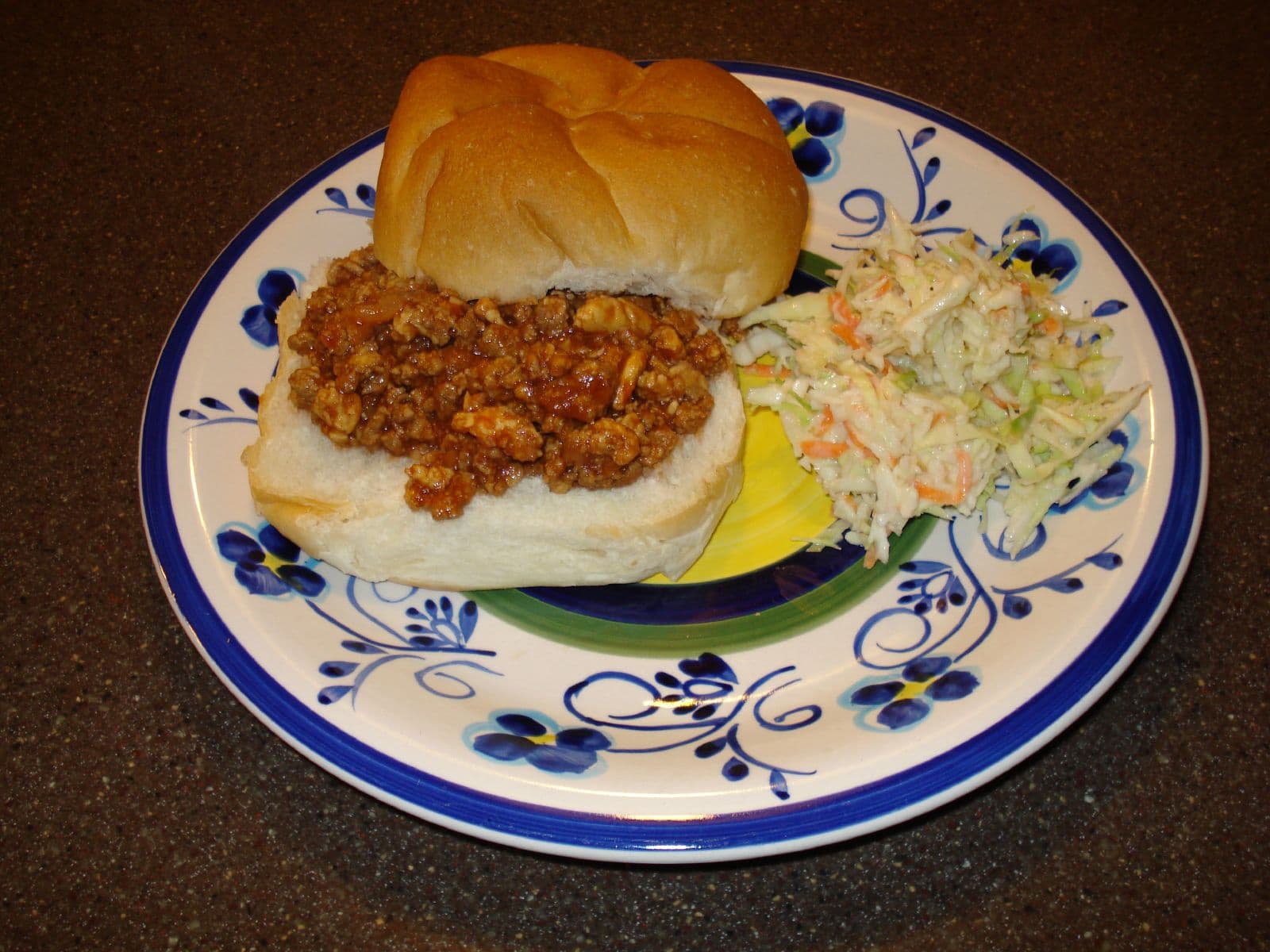
1920s-present
The Sloppy Joe is a casual American sandwich combining seasoned ground beef in a tangy tomato-based sauce served on a sandwich bun. Beloved for its indulgent flavor and ease of preparation, it became popular mid-20th century as an affordable family meal and lunch counter staple.