
Recipe archive
Loading
Setting the table...
Fetching the latest recipes from the archive.
Loading
Fetching the latest recipes from the archive.
Recipe archive
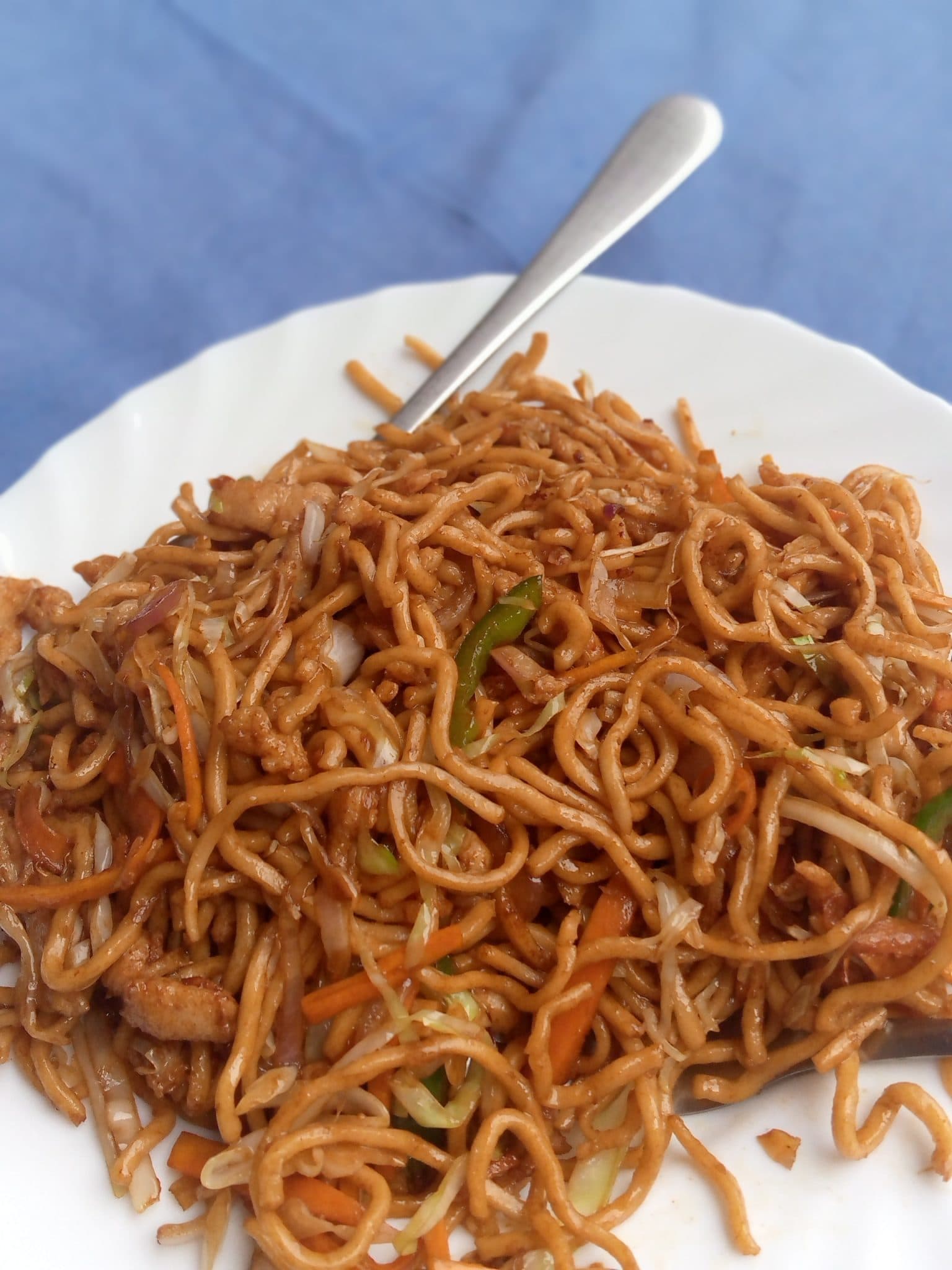
1900-1929 - Filipino-American communities and other island inhabitants in US territories
Pancit is a traditional Filipino noodle dish adapted in American territories and communities, combining rice noodles with stir-fried vegetables, meats, and seasonings. It is a staple at celebrations and represents cultural heritage in various US island and territorial communities.
Community-powered photos. Reviewers can upload dish photos, and the highest-rated community image may be featured here.
Difficulty
Medium
Prep time
20 minutes
Cook time
20 minutes
Total time
40 minutes
Servings
6 servings
Region
Guam and Filipino American island communities
Era introduced
1900-1929
Introduced by
Filipino-American communities and other island inhabitants in US territories
Recipe tools
Log in to save this recipe to a collection.
Pancit reflects Filipino culinary traditions brought to the United States territories and islands, including Guam, Puerto Rico, and the Virgin Islands, where local adaptations blend island and immigrant influences. It is commonly served at large family gatherings, festivals, and celebrations, symbolizing longevity and unity. The dish showcases how immigrant foods maintain cultural identity while integrating American regional ingredients and cooking styles.
Share family changes, regional twists, or pantry-friendly adaptations as full community recipes.
Log in to submit a community recipe.
No community recipes yet. Submitted recipes are published right away.
Rate this recipe and share how it worked at your table.
Log in to review this recipe.
No reviews yet. Be the first to rate this recipe.
Recipes matched by era, region, occasion, ingredients, and cultural roots from the archive.
Same era
America's Melting Pot
American French Dressing photo coming soon
1900s-present
American French Dressing is a dressing with real American table personality: The bright orange-red, sweet, tomatoey bottled dressing Americans call "French." Not very French, very American. It brings flavor from coast-to-coast American tables to cookouts, counters, lunch plates, potlucks, and weeknight suppers.
America's Melting Pot
Apple Pie Shake photo coming soon
1922-present
Apple Pie Shake brings drive-in, carhop, and fast-food dessert-counter energy to the table: Diner pie a la mode in a cup.
America's Melting Pot
Avgolemono Soup photo coming soon
1900-1929
A silky Greek-American chicken, rice, egg, and lemon soup made by tempering eggs into hot broth for a creamy dairy-free finish.
Same region
1900-2026
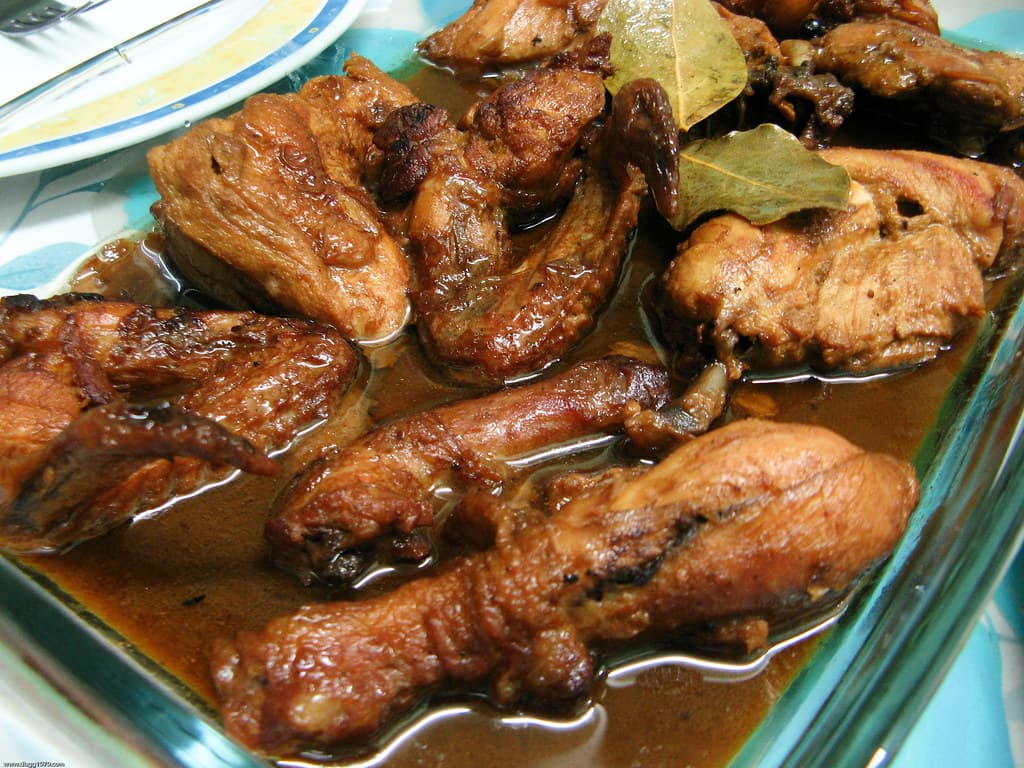
A Filipino and Filipino American staple of chicken simmered until tender in vinegar, soy sauce, garlic, bay leaves, and black pepper.
America's Melting Pot
Acai Bowl Smoothie Base photo coming soon
1970s-present
Acai Bowl Smoothie Base brings juice-bar color and American smoothie-counter energy to the glass: California/Hawaii/fitness culture.
America's Melting Pot
Animal-Style Spread photo coming soon
1900s-present
Animal-Style Spread is a sandwich sauce with real American table personality: California drive-in burger culture. It brings flavor from California, Hawaii, and the West Coast to cookouts, counters, lunch plates, potlucks, and weeknight suppers.
Same table
America's Melting Pot
Pasteles photo coming soon
pre-1843/20th century holiday staple-present
Pasteles are savory Puerto Rican and island-style tamale-like parcels made with green banana dough filled with seasoned meats and wrapped in banana leaves, then boiled. A cultural staple in island communities and diaspora celebrations.
America's Melting Pot
Chicken Noodle Soup photo coming soon
1934-present
Chicken Noodle Soup is a comforting one-pot dish made by simmering chicken, vegetables, broth, and egg noodles into a nourishing soup. A staple across American kitchens for generations, it highlights simplicity, warmth, and adaptability in soups and stews throughout the country's culinary evolution.
America's Melting Pot
Chop Suey photo coming soon
1870s-1890s
Chop Suey is a stir-fried dish made with meat, vegetables, and a savory sauce, developed by Chinese-American cooks. It became a popular dish in American Chinese restaurants and diners during the early 1900s, adapting Chinese techniques and ingredients to American tastes and locally available produce.