
Recipe archive
Loading
Setting the table...
Fetching the latest recipes from the archive.
Loading
Fetching the latest recipes from the archive.
Recipe archive
America's Melting Pot
Pie by the Slice hero image coming soon
1900-1929 - American diner bakers and state fair concessionaires in early 20th century
Pie by the Slice refers to the tradition of serving a single slice of pie as a dessert or snack in American diners, lunch counters, and state fairs. Popular from the early 20th century onward, this practice highlights the accessibility and communal spirit of pie as an all-American favorite, offering a variety of fruit, cream, or custard pies available by the slice for quick enjoyment.
No featured photo yet. Upload a photo with your review. The highest-rated community photo may become this recipe's hero image.
Difficulty
Medium
Prep time
30 minutes
Cook time
1 hour
Total time
1 hour 30 minutes
Servings
8 slices
Region
Railroad lunchroom, diner, and depot pie-counter kitchens
Era introduced
1900-1929
Introduced by
American diner bakers and state fair concessionaires in early 20th century
Recipe tools
Log in to save this recipe to a collection.
Serving pie by the slice emerged as a defining feature of American diners, lunch counters, and state fairs in the early 1900s. This method made pie affordable and convenient, allowing patrons to enjoy a variety of flavors without committing to a whole pie. Reflecting immigrant influences on American cuisine and the country's love of home-baked goods, pie by the slice became emblematic of comfort food and casual dining experiences throughout the 20th century and beyond.
Share family changes, regional twists, or pantry-friendly adaptations as full community recipes.
Log in to submit a community recipe.
No community recipes yet. Submitted recipes are published right away.
Rate this recipe and share how it worked at your table.
Log in to review this recipe.
No reviews yet. Be the first to rate this recipe.
Recipes matched by era, region, occasion, ingredients, and cultural roots from the archive.
Same era
America's Melting Pot
American French Dressing photo coming soon
1900s-present
American French Dressing is a dressing with real American table personality: The bright orange-red, sweet, tomatoey bottled dressing Americans call "French." Not very French, very American. It brings flavor from coast-to-coast American tables to cookouts, counters, lunch plates, potlucks, and weeknight suppers.
America's Melting Pot
Apple Pie Shake photo coming soon
1922-present
Apple Pie Shake brings drive-in, carhop, and fast-food dessert-counter energy to the table: Diner pie a la mode in a cup.
America's Melting Pot
Avgolemono Soup photo coming soon
1900-1929
A silky Greek-American chicken, rice, egg, and lemon soup made by tempering eggs into hot broth for a creamy dairy-free finish.
Same region
America's Melting Pot
Railroad Pie photo coming soon
1900s-present
Railroad Pie is a traditional American fruit pie historically linked to railroad and mining communities during the Civil War and Reconstruction era. Made with seasonal fruits and a sturdy crust, it was a portable and energy-rich dessert for workers and settlers.
America's Melting Pot
BBQ Beef Sandwiches photo coming soon
1970-2026
This sandwich turns pot roast into crowd food: cook beef until it pulls apart, simmer it in barbecue sauce, and serve it from a slow cooker or Dutch oven. It fits the late-20th-century world of booster clubs, church suppers, and game-day tables, where economical roasts could feed a line of hungry fans.
America's Melting Pot
Beef and Noodles photo coming soon
1861-1900
Beef and noodles is plainspoken comfort food: slow-cooked beef, rich broth, and egg noodles served as a main dish or over mashed potatoes. It fits the railroad, boardinghouse, and settlement table because it stretches a roast into a filling meal and reflects German and Amish noodle traditions carried into the Midwest and Great Plains.
Same table
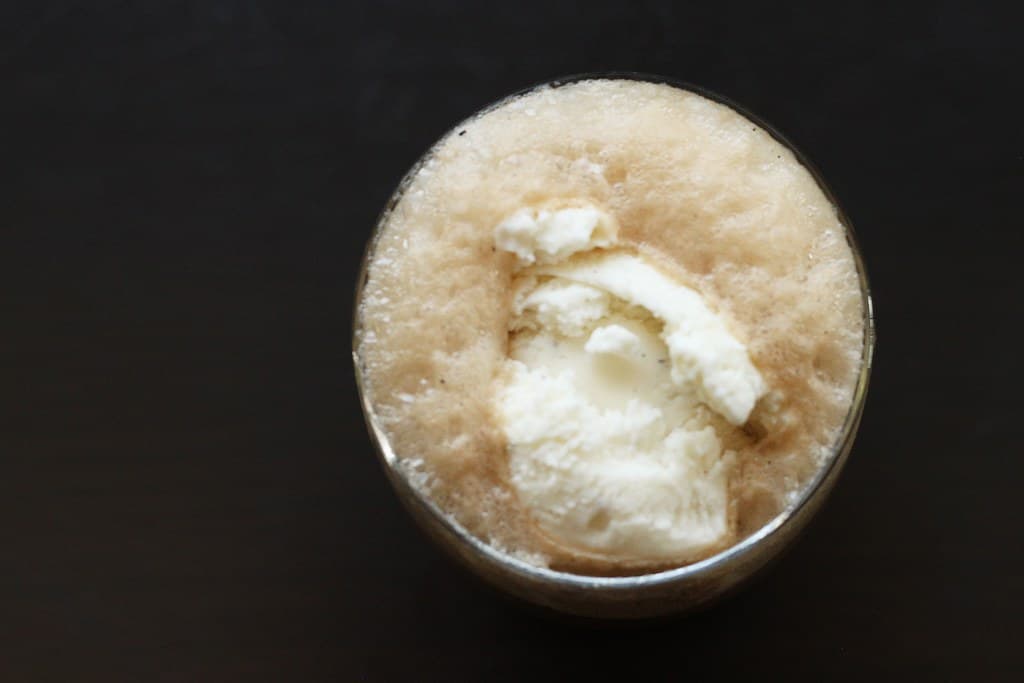
1893-present
The root beer float combines cold root beer with vanilla ice cream to create a creamy fizzy dessert drink popularized in early 20th-century American diners and soda fountains. This nostalgic treat remains a favorite for its simplicity and delightful flavors.
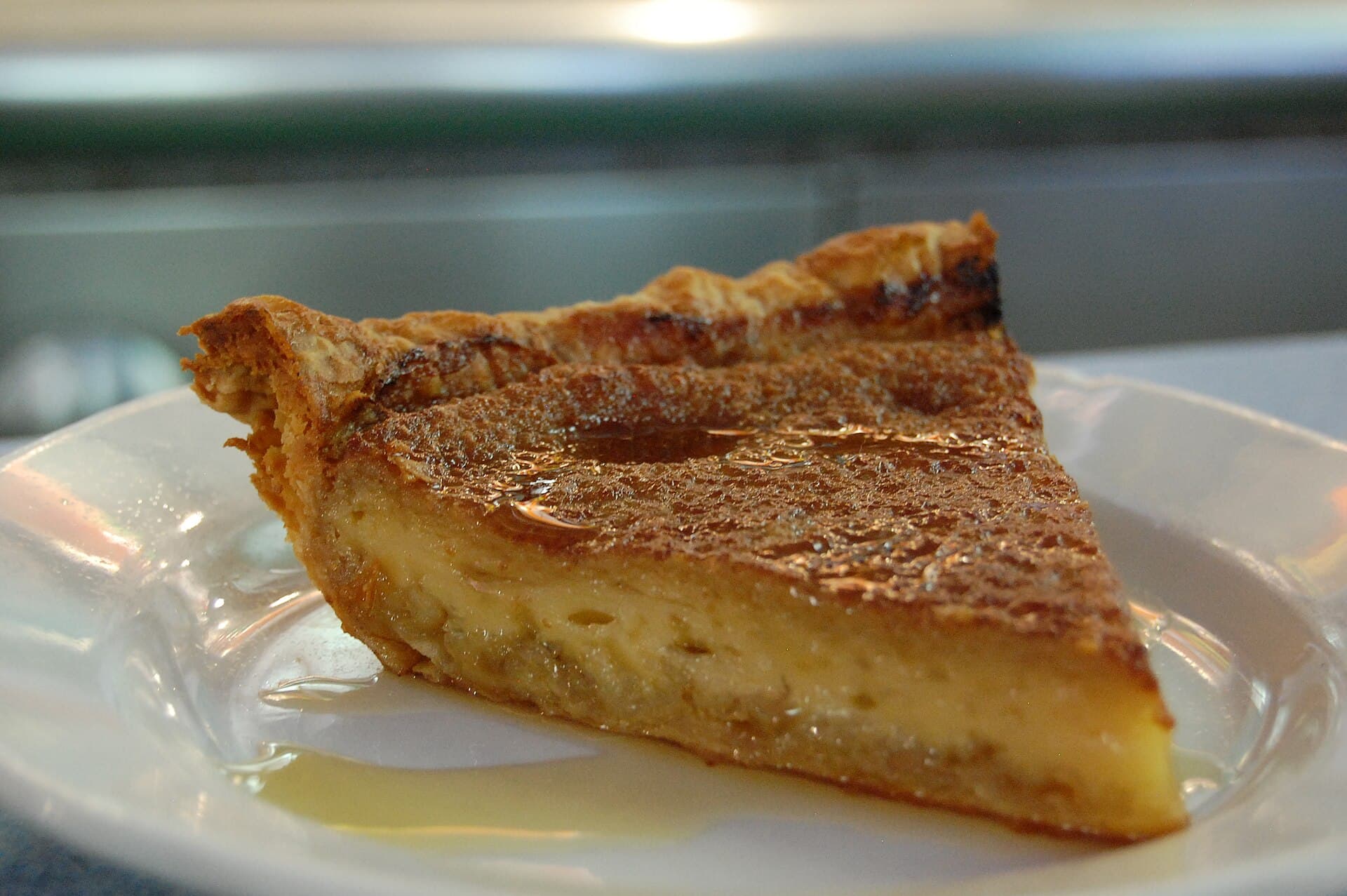
1800s-present
Maple pie is a classic New England dessert featuring rich filling made from pure maple syrup layered in a flaky pie crust. Celebrated for its deep caramelized sweetness and regional ingredient heritage, maple pie symbolizes the importance of maple syrup production and festive baking customs in Northeastern American households.
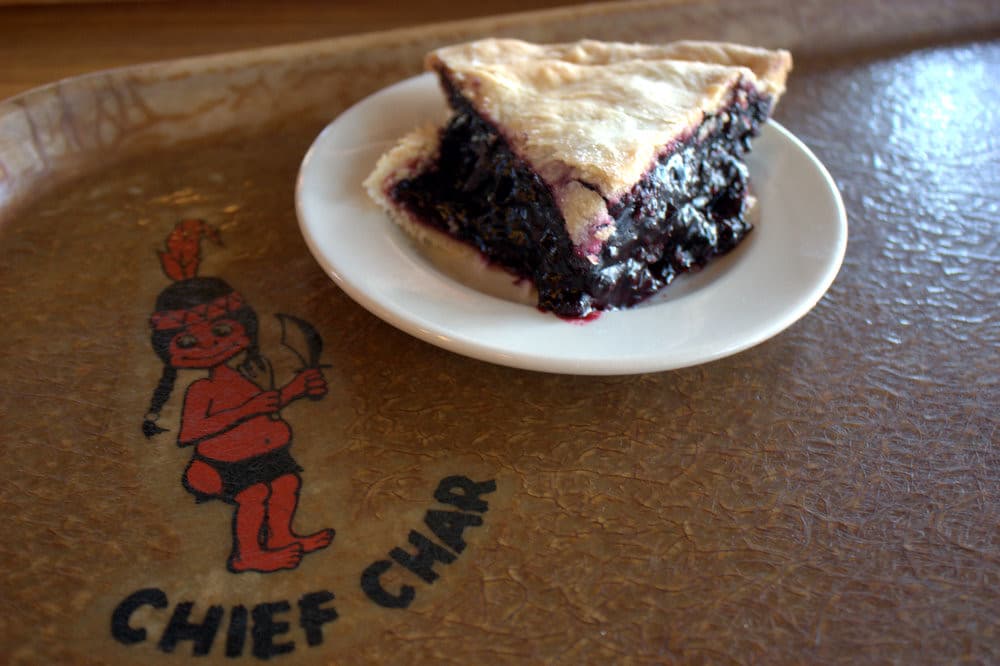
1956-present
Marionberry pie showcases the marionberry, a blackberry variety developed in Oregon, baked into a sweet-tart pie that highlights Pacific Northwest fruit agriculture. The pie has become a regional dessert favorite, representing local farming innovation and the Pacific Northwest's berry-rich culinary tradition.