
Recipe archive
Loading
Setting the table...
Fetching the latest recipes from the archive.
Loading
Fetching the latest recipes from the archive.
Recipe archive
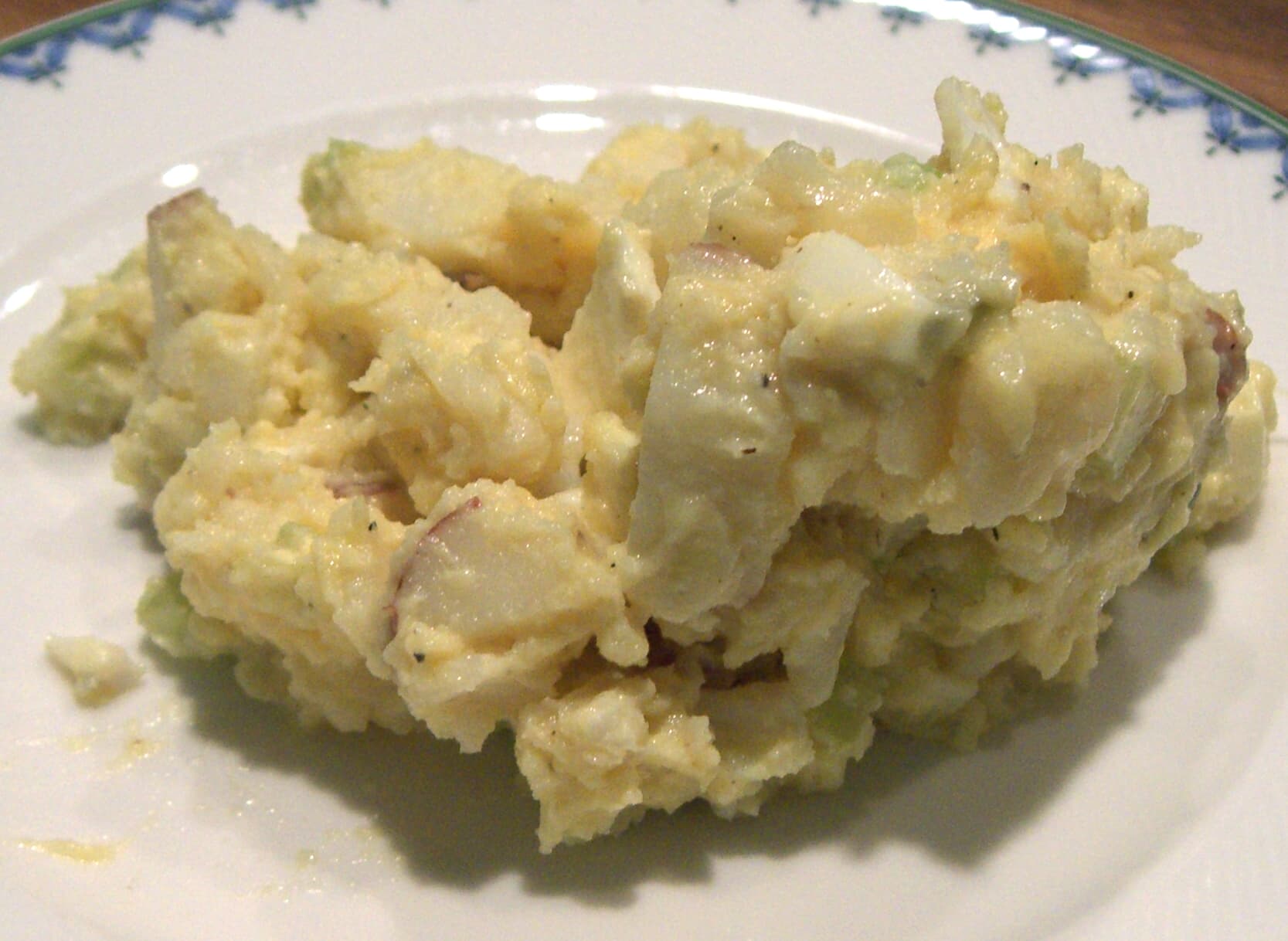
1900-1929 - American home cooks at church luncheons, picnics, and community gatherings.
Potato Salad is a widely embraced side dish featuring boiled potatoes dressed in a tangy mayonnaise-based sauce, often including eggs and celery. It is a staple at American social gatherings including picnics, holidays, and community events.
Community-powered photos. Reviewers can upload dish photos, and the highest-rated community image may be featured here.
Difficulty
Easy
Prep time
20 minutes
Cook time
15 minutes
Total time
35 minutes
Servings
6
Region
German American and Pennsylvania Dutch picnic kitchens
Era introduced
1900-1929
Introduced by
American home cooks at church luncheons, picnics, and community gatherings.
Recipe tools
Log in to save this recipe to a collection.
Potato Salad originated as a simple, versatile dish enjoyed across many American communities from the early 20th century. This salad pairs boiled potatoes with a creamy mayonnaise dressing, often enhanced with hard-boiled eggs, celery, onions, and pickles. It became a traditional feature at picnics, church dinners, state fairs, and holidays like the Fourth of July and Easter, reflecting communal and celebratory values through an approachable dish beloved in school cafeterias, diners, and family tables nationwide.
Share family changes, regional twists, or pantry-friendly adaptations as full community recipes.
Log in to submit a community recipe.
No community recipes yet. Submitted recipes are published right away.
Rate this recipe and share how it worked at your table.
Log in to review this recipe.
No reviews yet. Be the first to rate this recipe.
Recipes matched by era, region, occasion, ingredients, and cultural roots from the archive.
Same era

1800s-present
Popcorn is an American staple snack made by heating dried corn kernels until they pop, commonly enjoyed at tailgates, booster events, and concessions with butter and salt.
America's Melting Pot
Walleye Fry photo coming soon
1800s-present
Walleye Fry is a beloved dish in American fishing and hunting camps featuring tender walleye fish fillets lightly breaded and pan-fried to golden crispness. It represents outdoor and cabin dining traditions centered around locally caught fish.
America's Melting Pot
Banana Malt photo coming soon
1880s-1920s
Banana Malt pours old-school malt-shop cheer into a cold glass: Classic soda fountain variation.
Same region
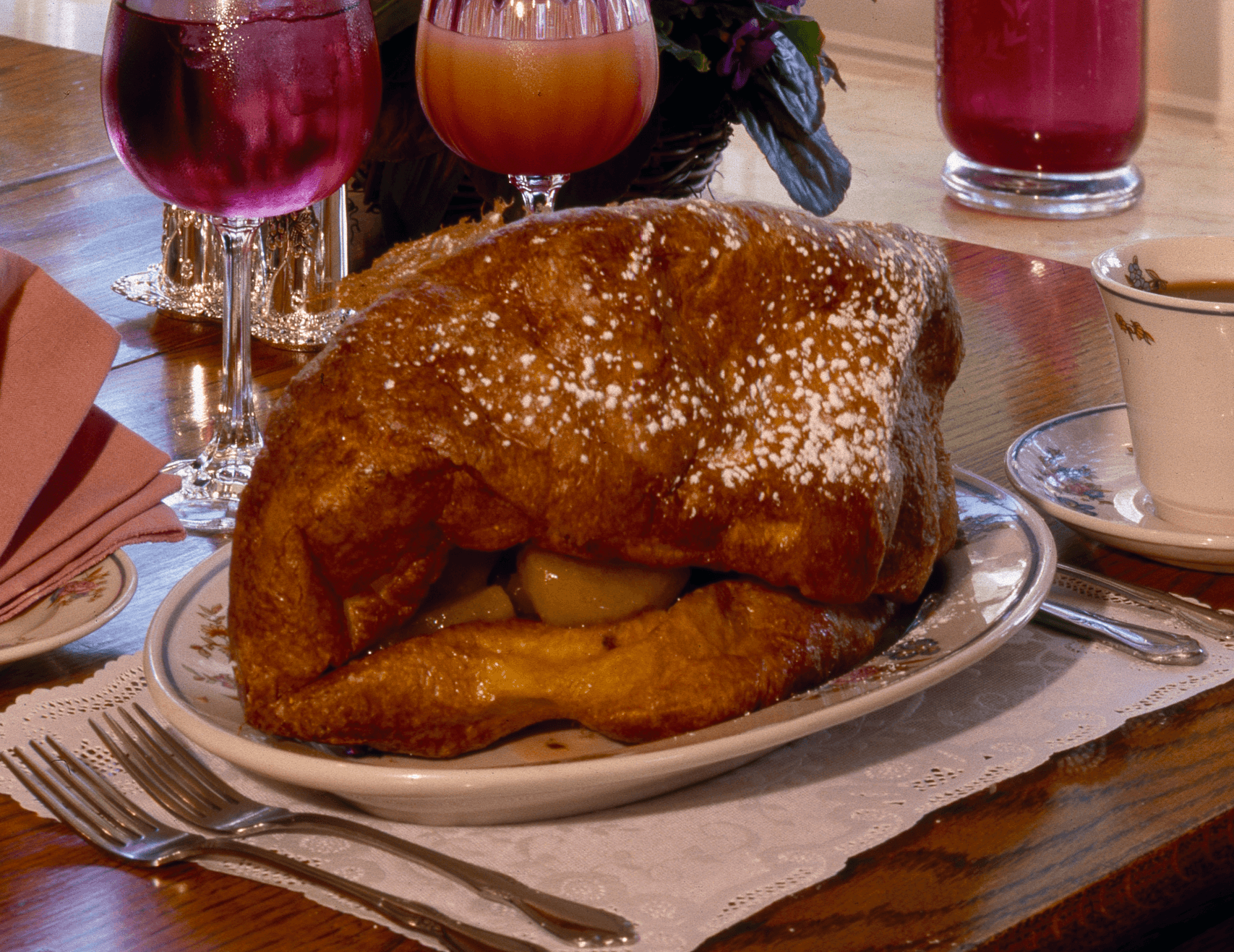
1900s-present
A German-American Dutch baby-style pancake baked over cinnamon apples in a hot skillet.
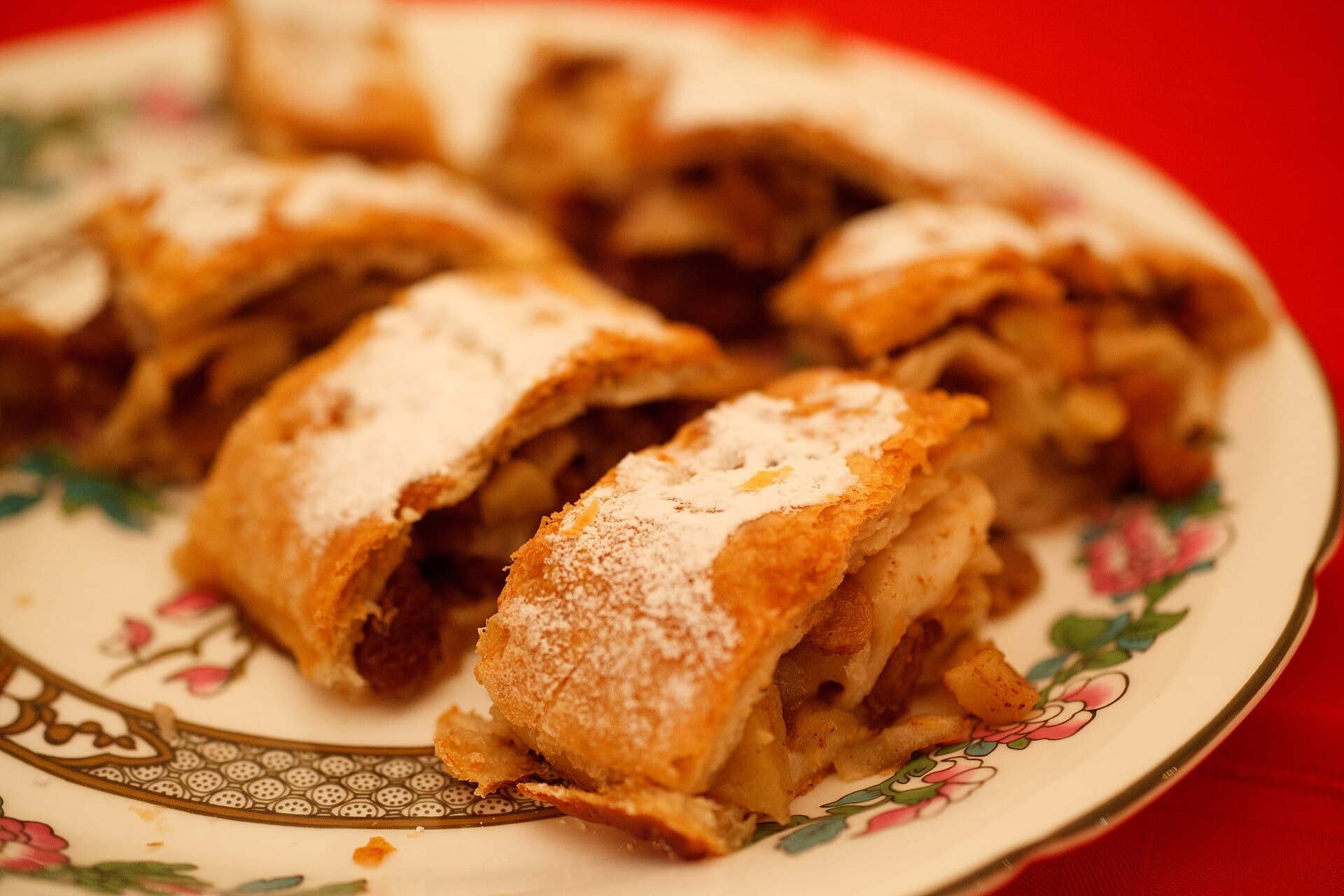
1800-1860
A German-American apple strudel made with crisp apples, raisins, cinnamon, buttered crumbs, and flaky phyllo for a practical home version of a Central European pastry.
America's Melting Pot
Bacon Dressing / Hot Bacon Dressing photo coming soon
1800s-present
Bacon Dressing / Hot Bacon Dressing is a dressing with real American table personality: Pennsylvania Dutch and Midwestern spinach salad dressing. It brings flavor from Appalachia and Pennsylvania Dutch country to cookouts, counters, lunch plates, potlucks, and weeknight suppers.
Same table
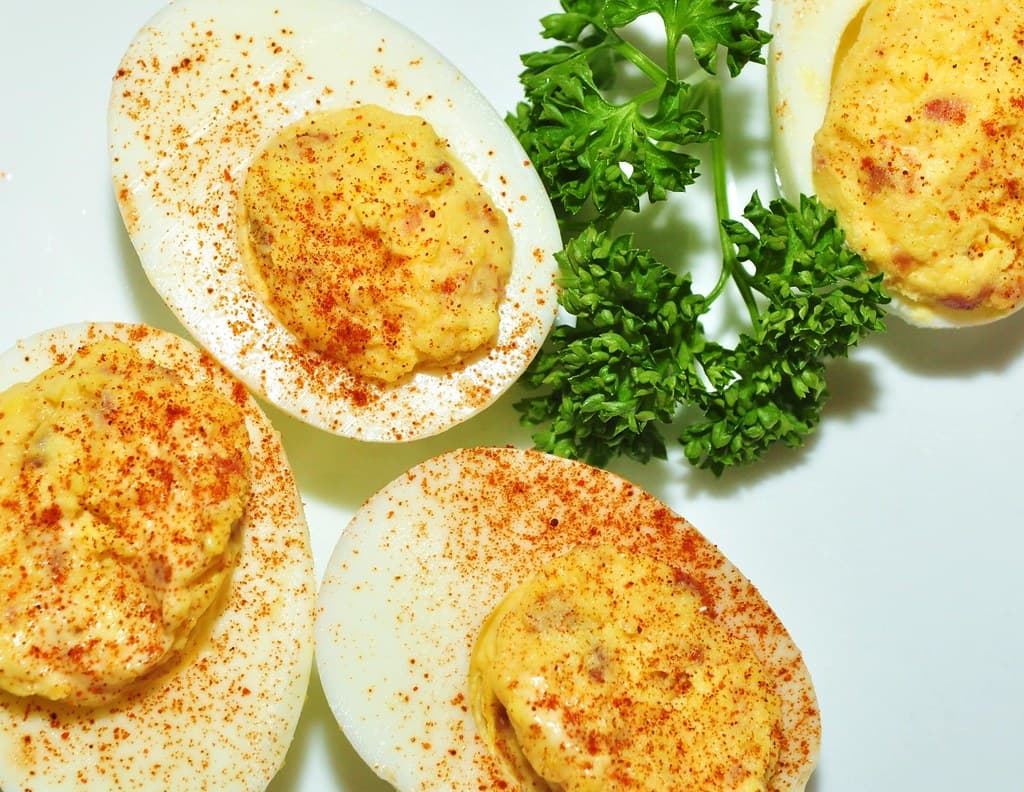
1877-present
Deviled eggs are hard-boiled eggs halved and filled with a creamy, tangy yolk mixture. Commonly served at schools, churches, and community gatherings since the early 1900s, they are a familiar finger food across state fairs, holiday tables, and diners, especially at Fourth of July and Easter celebrations.

1800s-present
Scalloped Potatoes are thinly sliced potatoes baked in a creamy sauce, often with cheese or onions, making a popular side dish at schools, churches, and state fairs in early 20th century America. Its simple ingredients and hearty texture suited well to communal meals and holiday dinners.
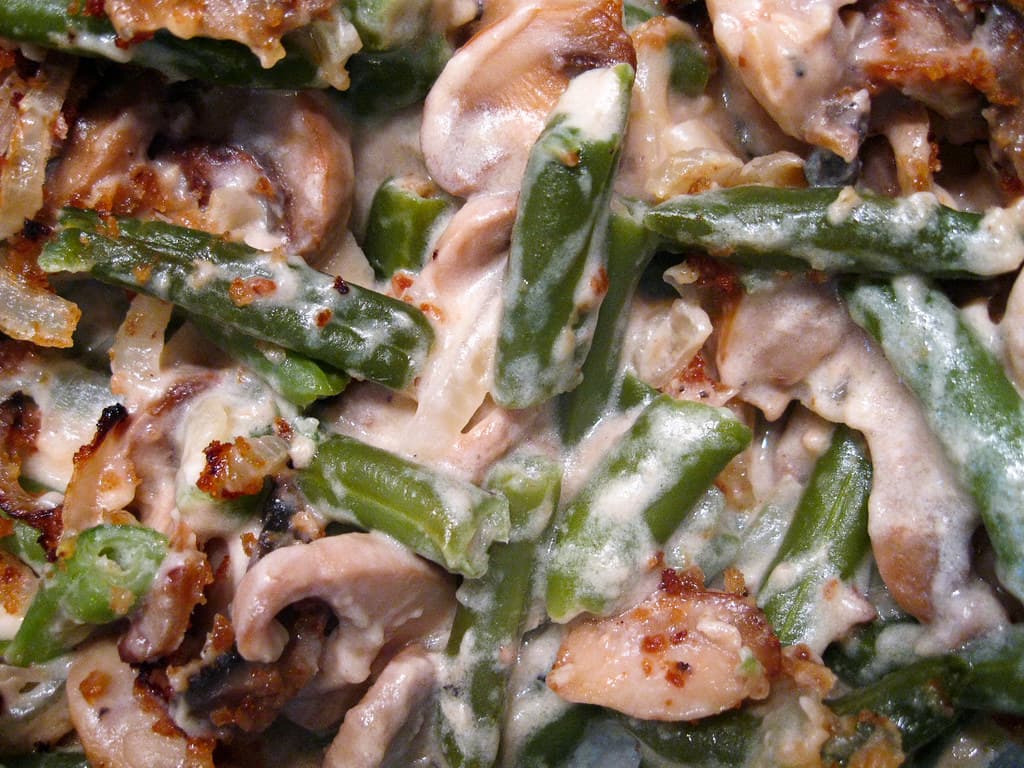
1900-1929
Green Bean Casserole is a staple side dish in Midwestern American holiday tables, church suppers, and school gatherings. Combining green beans, cream of mushroom soup, and crispy fried onions, it became widely popular in the early 20th century and remains a comforting, familiar casserole.