
Recipe archive
Loading
Setting the table...
Fetching the latest recipes from the archive.
Loading
Fetching the latest recipes from the archive.
Recipe archive
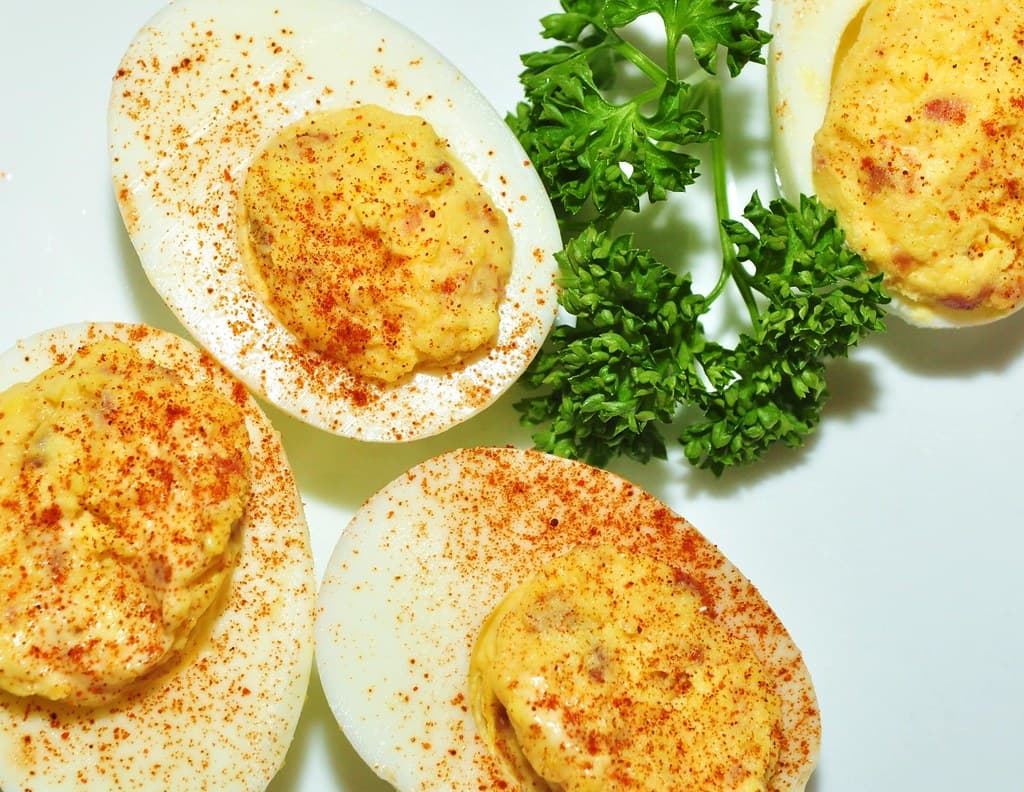
1861-1900 - School, church, and community food traditions in the United States.
Deviled eggs are hard-boiled eggs halved and filled with a creamy, tangy yolk mixture. Commonly served at schools, churches, and community gatherings since the early 1900s, they are a familiar finger food across state fairs, holiday tables, and diners, especially at Fourth of July and Easter celebrations.
Community-powered photos. Reviewers can upload dish photos, and the highest-rated community image may be featured here.
Difficulty
Easy
Prep time
15 minutes
Cook time
12 minutes
Total time
27 minutes
Servings
12 halves
Region
Alabama, Southern, and Midwestern church-supper kitchens
Era introduced
1861-1900
Introduced by
School, church, and community food traditions in the United States.
Recipe tools
Log in to save this recipe to a collection.
Deviled eggs have long been a staple at American community tables, particularly at schools, churches, state fairs, and holiday gatherings throughout the 20th century. Their simple, affordable preparation and appealing presentation made them popular finger food during celebrations like Easter, Fourth of July, and potlucks. Their recipe has been adapted widely but maintains a core of mustard, mayonnaise, and paprika.
Share family changes, regional twists, or pantry-friendly adaptations as full community recipes.
Log in to submit a community recipe.
No community recipes yet. Submitted recipes are published right away.
Rate this recipe and share how it worked at your table.
Log in to review this recipe.
No reviews yet. Be the first to rate this recipe.
Recipes matched by era, region, occasion, ingredients, and cultural roots from the archive.
Same era
America's Melting Pot
Army Bean Soup photo coming soon
1861-1900
A hearty military-style bean soup built on navy beans, smoked ham hock, onion, celery, carrot, and bay leaf, adapted for a home pot from large-batch service traditions.
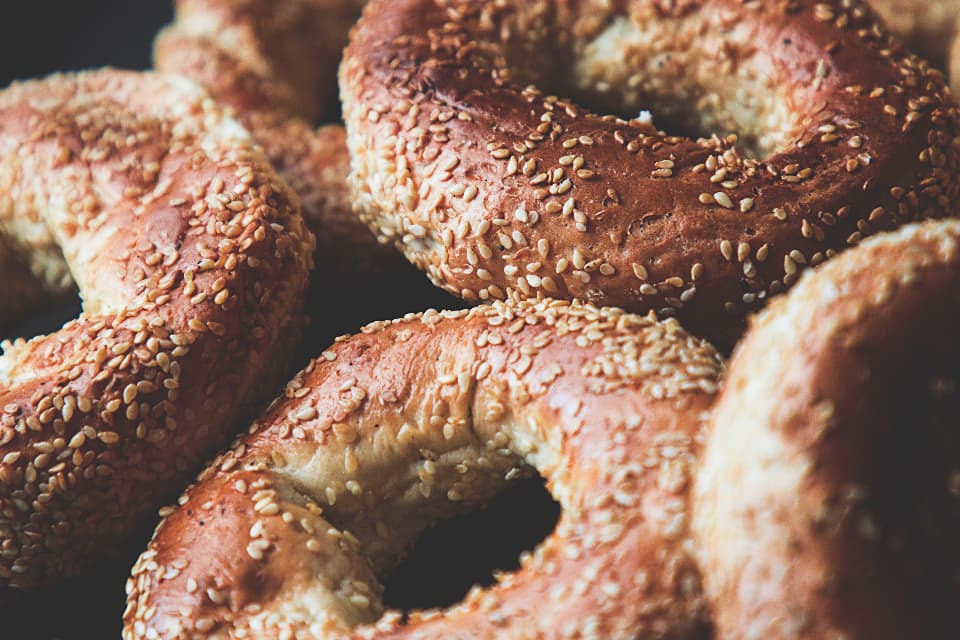
1861-1900
A basic homemade bagel recipe using high-protein flour, malt or brown sugar, a short boil, and a hot bake for chewy New York-style results.
America's Melting Pot
Bagels with Schmear photo coming soon
1861-1900
A deli-style bagel with a thick schmear of plain or scallion cream cheese, with optional onion, capers, tomato, and cucumber.
Same region
America's Melting Pot
Ambrosia Salad photo coming soon
1950s-present
A midcentury-style fruit salad with pineapple, mandarin oranges, coconut, marshmallows, and a creamy dressing.
America's Melting Pot
Boardinghouse Meatloaf photo coming soon
1861-1900
Boardinghouse meatloaf fits kitchens that had to feed many people from affordable ingredients. Ground meat, binders, vegetables, and a sweet-tangy glaze made a loaf that sliced neatly, stretched well, and reheated for leftovers.

1900-2026
The bologna sandwich is lunchbox America: inexpensive sliced meat, soft bread, and a condiment. Fried bologna versions became especially beloved in Southern diners, Midwestern bars, and home kitchens where a quick skillet turned lunch meat into comfort food.
Same table
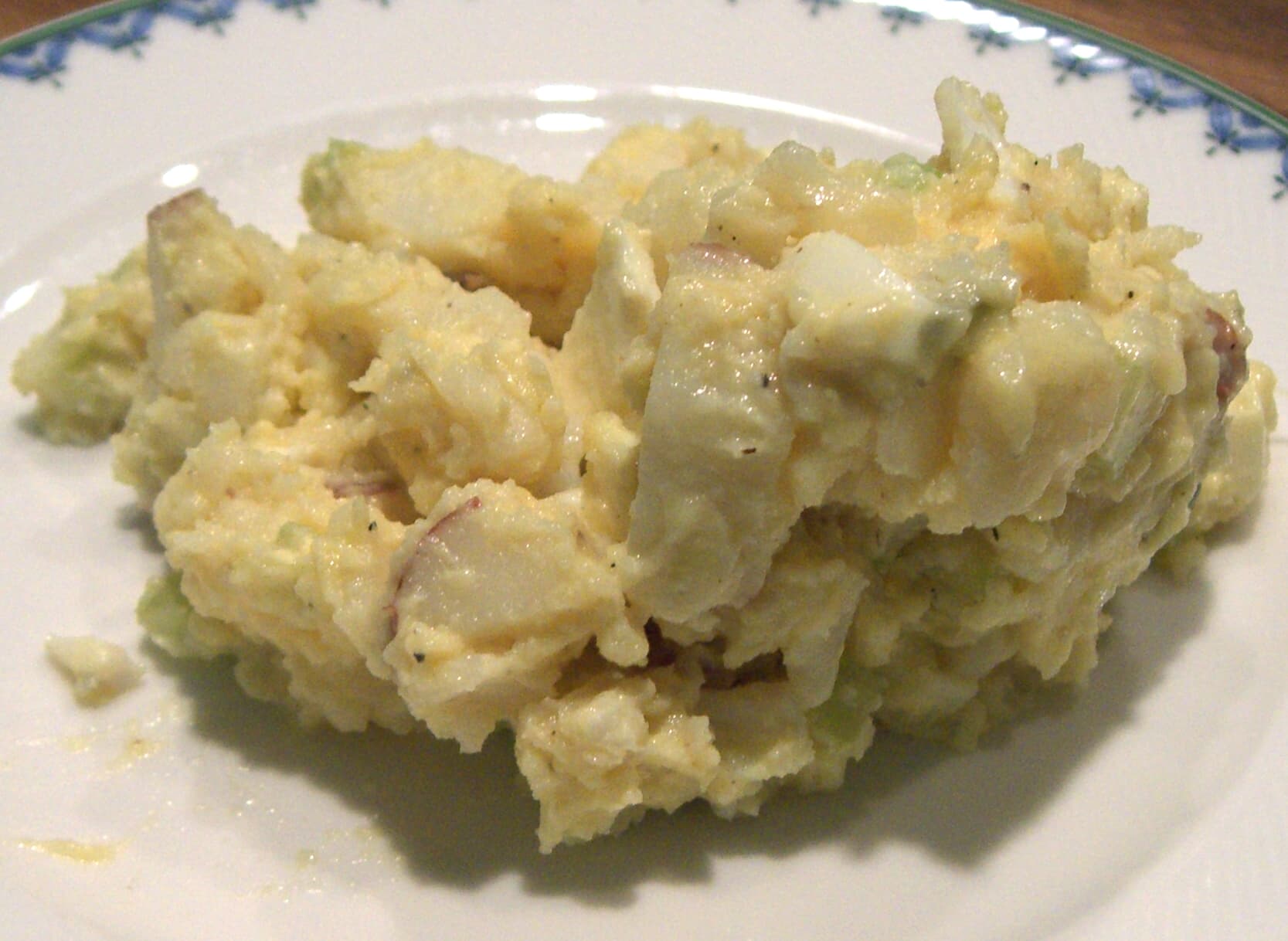
1800s-present
Potato Salad is a widely embraced side dish featuring boiled potatoes dressed in a tangy mayonnaise-based sauce, often including eggs and celery. It is a staple at American social gatherings including picnics, holidays, and community events.
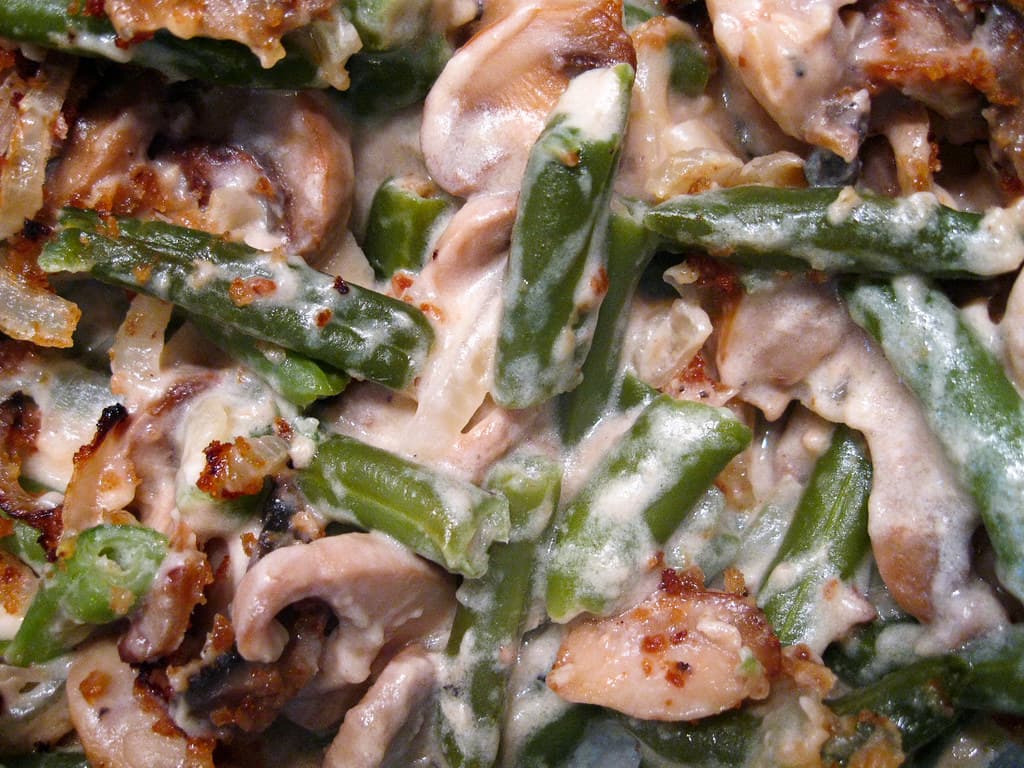
1900-1929
Green Bean Casserole is a staple side dish in Midwestern American holiday tables, church suppers, and school gatherings. Combining green beans, cream of mushroom soup, and crispy fried onions, it became widely popular in the early 20th century and remains a comforting, familiar casserole.
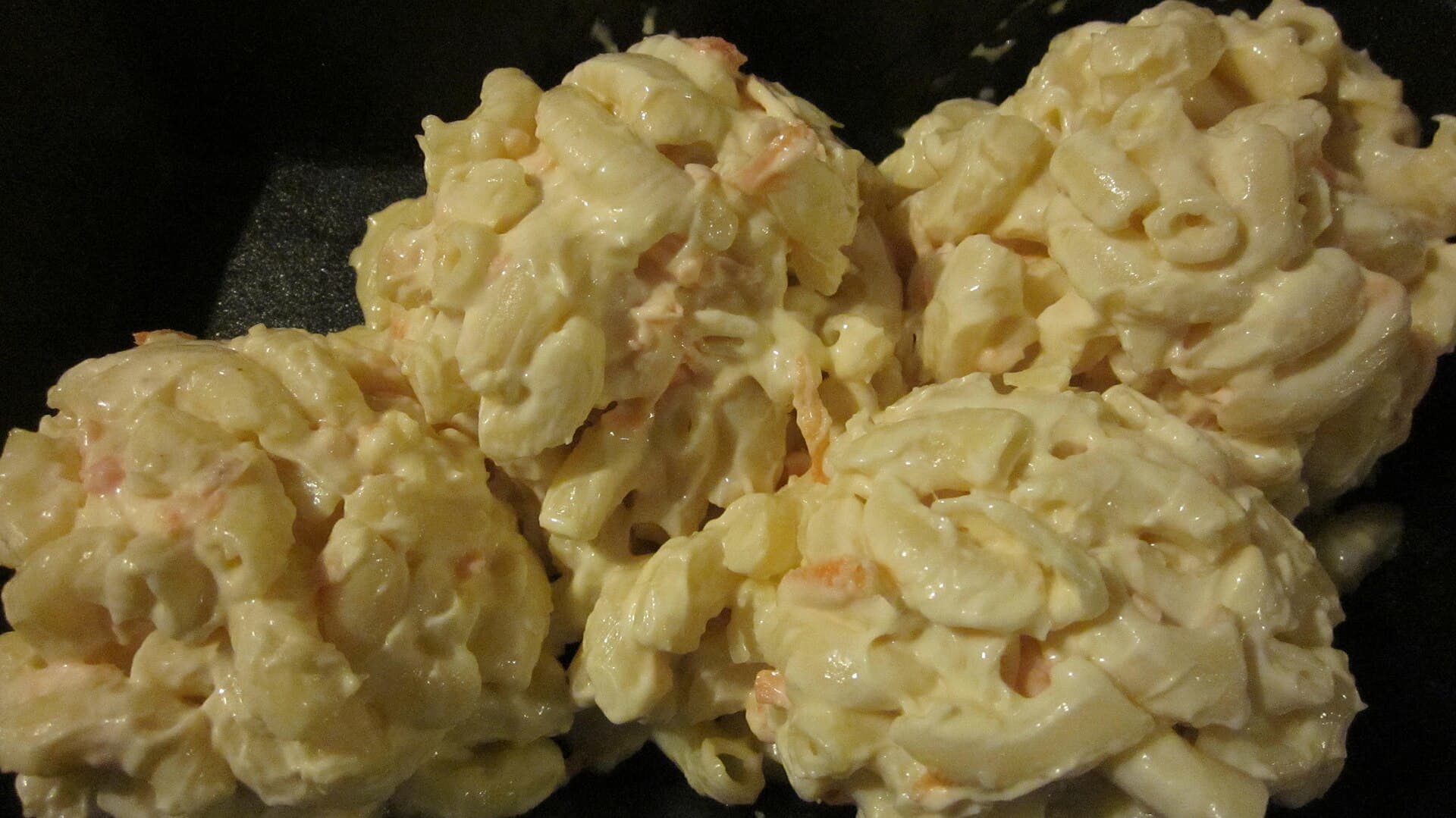
1900-1929
Macaroni salad is an essential side dish in Hawaii's multicultural cuisine, blending Asian-Pacific, Hawaiian, and Portuguese influences. Served at school functions, churches, and state fairs, it features tender macaroni with creamy mayonnaise dressing and subtle seasonings, making it a refreshing accompaniment for various Hawaiian meals and celebrations.