
Recipe archive
Loading
Setting the table...
Fetching the latest recipes from the archive.
Loading
Fetching the latest recipes from the archive.
Recipe archive
1900-1929 - American Diner and Lunch Counter Communities
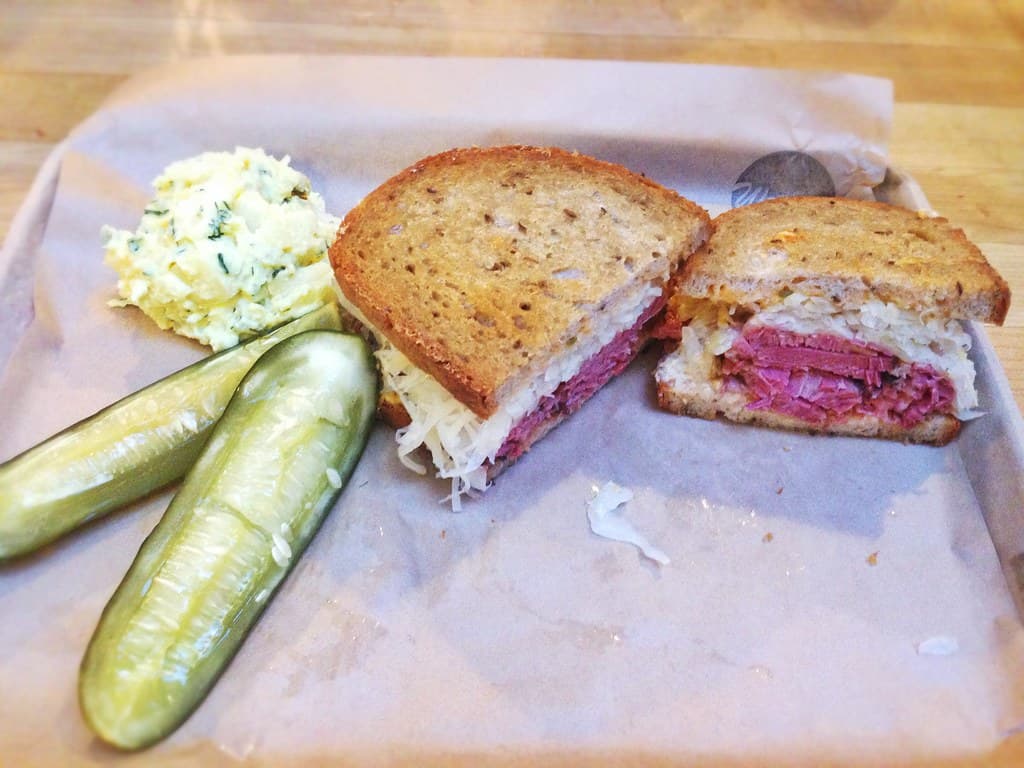
The Reuben sandwich is a hearty deli sandwich made with corned beef, sauerkraut, Swiss cheese, and Russian or Thousand Island dressing on rye bread, grilled to perfection. Emerging in American diners and lunch counters between 1900 and 1929, it combines immigrant flavors into an iconic comfort food.
Community-powered photos. Reviewers can upload dish photos, and the highest-rated community image may be featured here.
Difficulty
Medium
Prep time
15 minutes
Cook time
10 minutes
Total time
25 minutes
Servings
1 sandwich
Region
Omaha hotel kitchens and New York Jewish delicatessen counters
Era introduced
1900-1929
Introduced by
American Diner and Lunch Counter Communities
Recipe tools
Log in to save this recipe to a collection.
The Reuben sandwich rose to popularity during the early 20th century in American urban centers where Jewish and German immigrant communities converged. Using cured corned beef, fermented sauerkraut, and Swiss cheese grilled on rye bread with a flavorful dressing, it represents a fusion of Old World flavors adapted to American diner and lunch counter contexts. Its evolution relates to both immigrant foodways and the growth of quick, satisfying urban meals during this period.
Share family changes, regional twists, or pantry-friendly adaptations as full community recipes.
Log in to submit a community recipe.
No community recipes yet. Submitted recipes are published right away.
Rate this recipe and share how it worked at your table.
Log in to review this recipe.
No reviews yet. Be the first to rate this recipe.
Recipes matched by era, region, occasion, ingredients, and cultural roots from the archive.
Same era
America's Melting Pot
American French Dressing photo coming soon
1900s-present
American French Dressing is a dressing with real American table personality: The bright orange-red, sweet, tomatoey bottled dressing Americans call "French." Not very French, very American. It brings flavor from coast-to-coast American tables to cookouts, counters, lunch plates, potlucks, and weeknight suppers.
America's Melting Pot
Apple Pie Shake photo coming soon
1922-present
Apple Pie Shake brings drive-in, carhop, and fast-food dessert-counter energy to the table: Diner pie a la mode in a cup.
America's Melting Pot
Avgolemono Soup photo coming soon
1900-1929
A silky Greek-American chicken, rice, egg, and lemon soup made by tempering eggs into hot broth for a creamy dairy-free finish.
Same region
America's Melting Pot
Bagel and Lox photo coming soon
1900-1929
A toasted bagel layered with cream cheese, lox, red onion, capers, tomato, and dill in the New York appetizing-shop tradition.

1861-1900
A basic homemade bagel recipe using high-protein flour, malt or brown sugar, a short boil, and a hot bake for chewy New York-style results.
America's Melting Pot
Bagels with Schmear photo coming soon
1861-1900
A deli-style bagel with a thick schmear of plain or scallion cream cheese, with optional onion, capers, tomato, and cucumber.
Same table
1900-2026
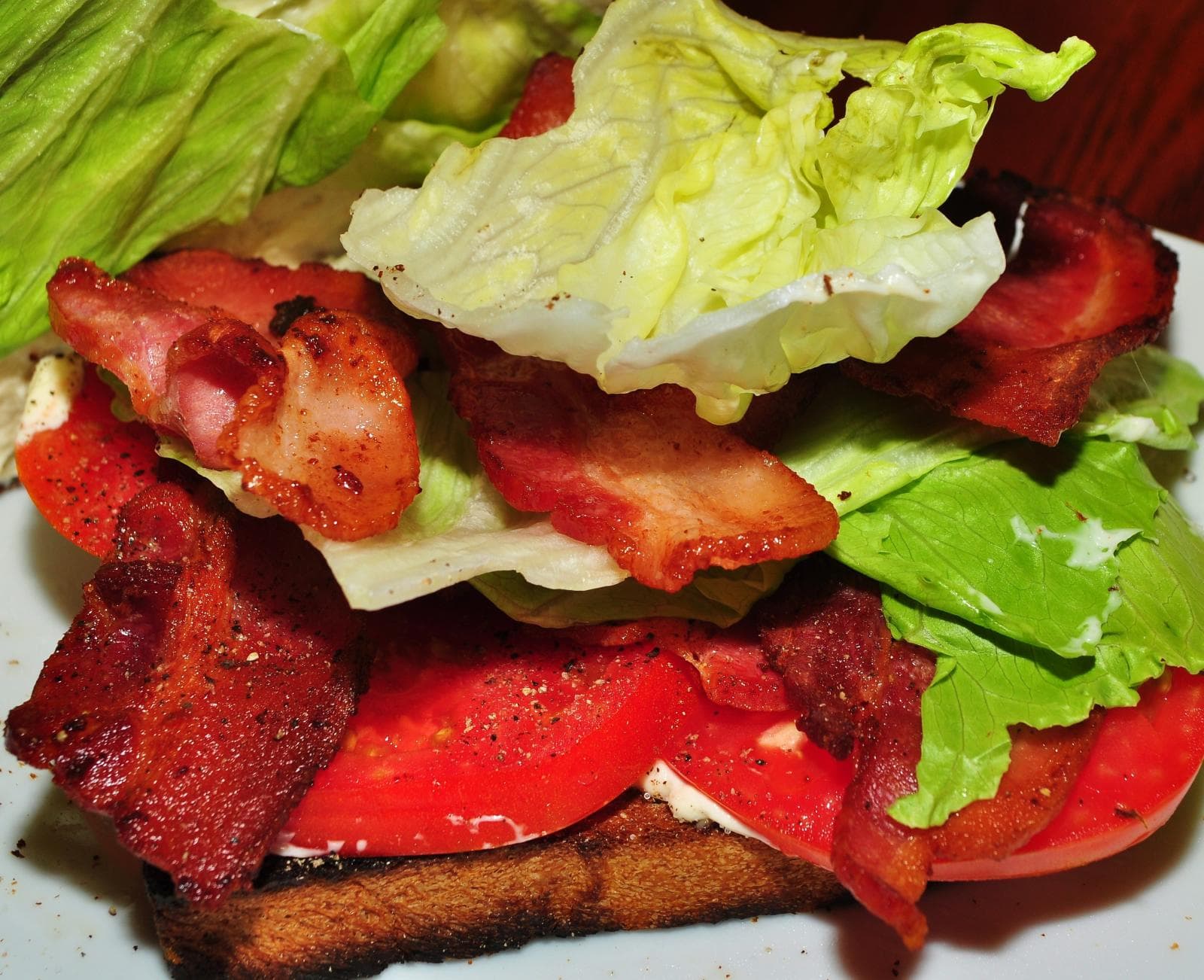
The BLT became a lunch-counter and diner standard in the early 20th century as sliced bread, commercial mayonnaise, bacon, lettuce, and ripe tomatoes converged in American kitchens. Its simplicity is the point: crisp bacon, juicy tomato, cool lettuce, toast, and enough mayonnaise to bind the sandwich.
1863-present
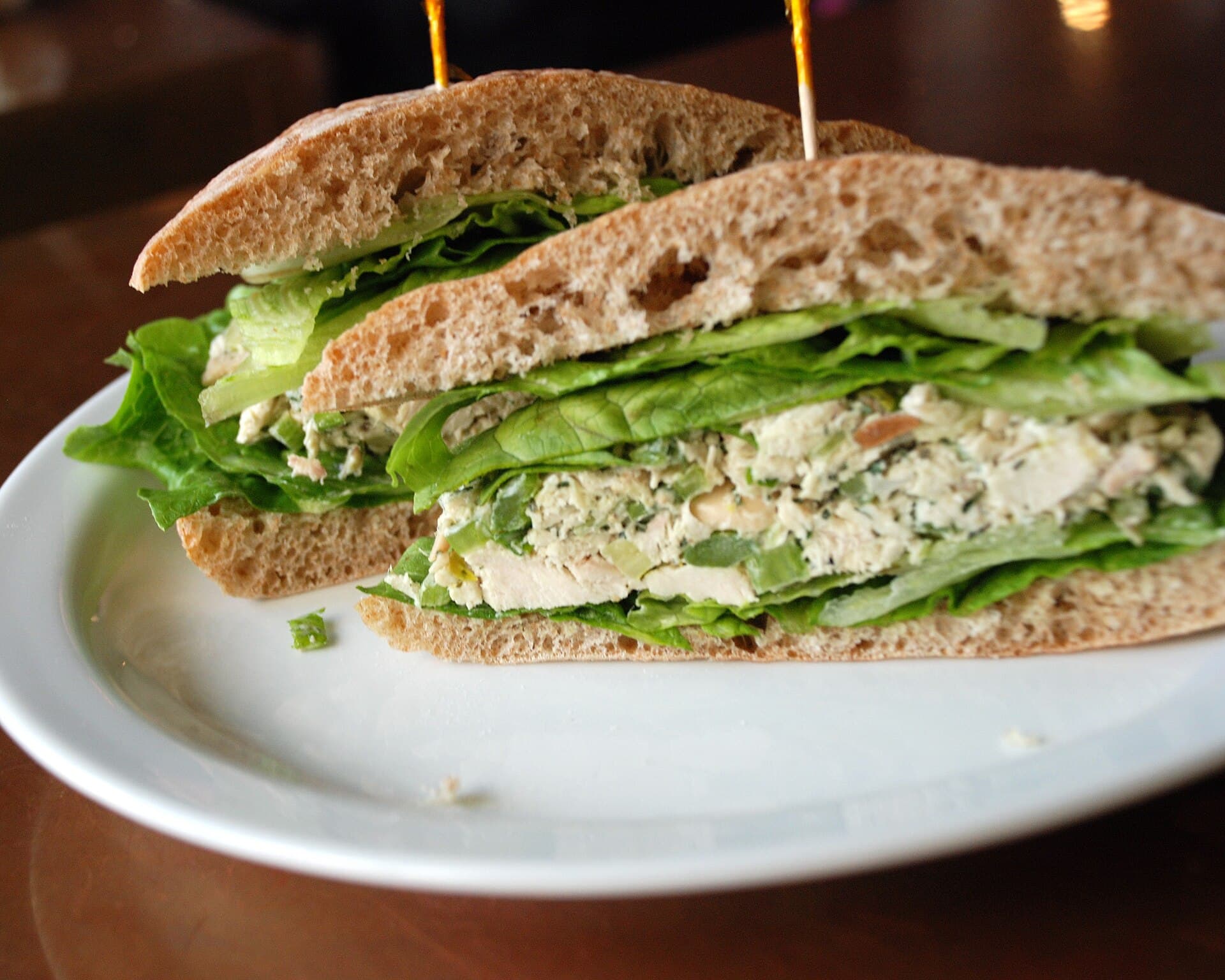
Chicken Salad Sandwich features poached chicken combined with mayonnaise and seasonings, served between slices of bread. A staple in diners and lunch counters from 1900 to 1929, it exemplified quick, hearty meals for working-class Americans in immigrant-rich urban centers and became a common offering at state fairs and casual eateries.
1894-present
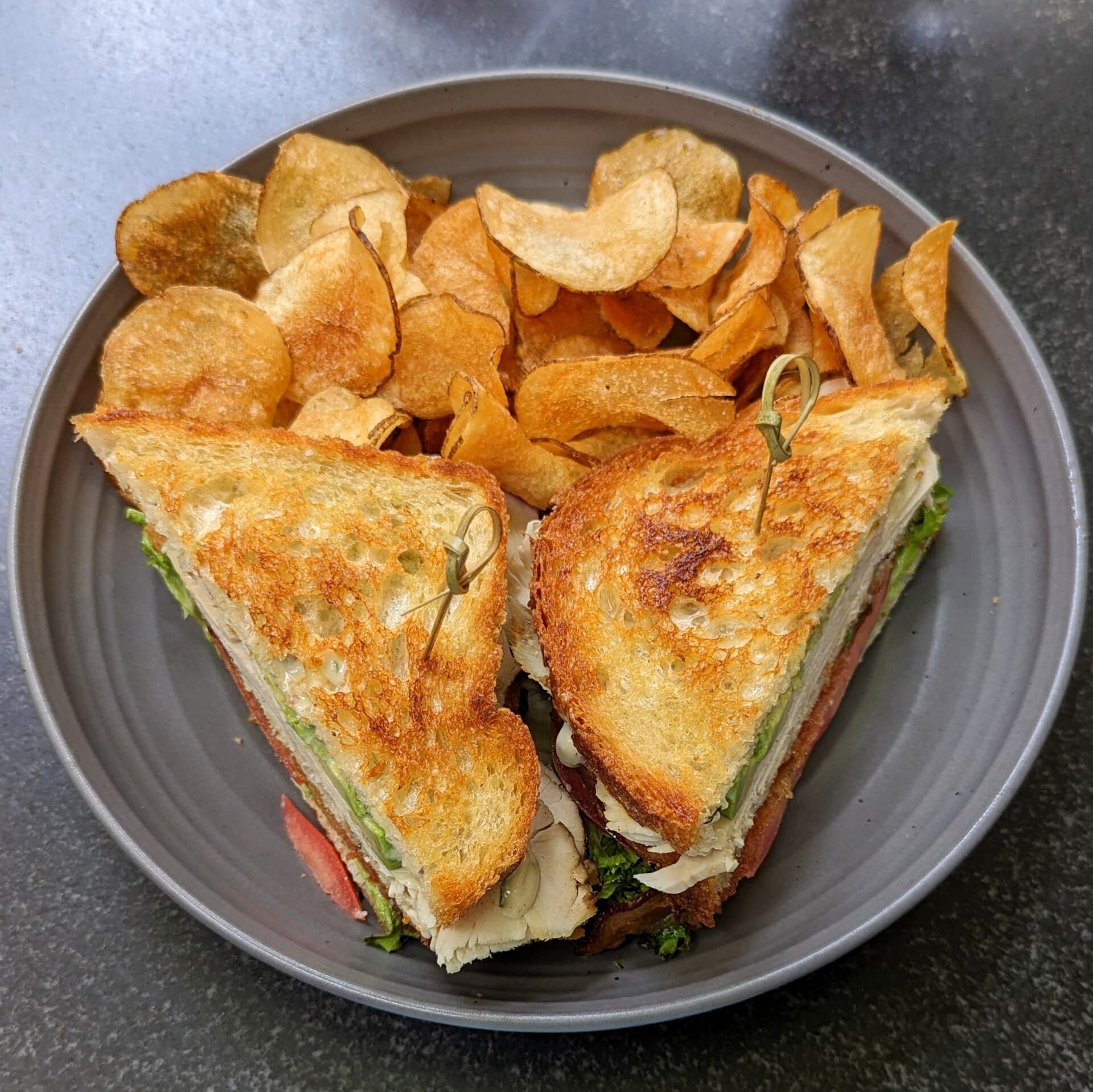
The Club Sandwich is a layered triple-decker sandwich featuring sliced turkey or chicken, crispy bacon, lettuce, tomato, and mayonnaise on toasted bread. It first appeared in American diners and lunch counters during the early 20th century and quickly became popular as a convenient, filling meal. The Club reflects immigrant dining hall influences and the rise of urban lunch culture, notably served at state fairs and public eateries.