
Recipe archive
Loading
Setting the table...
Fetching the latest recipes from the archive.
Loading
Fetching the latest recipes from the archive.
Recipe archive
America's Melting Pot
Runza hero image coming soon
1946-1969 - German-Russian American immigrant communities in the Midwest and Great Plains
Runza is a yeast-leavened bread pocket filled with seasoned ground beef, cabbage, onions, and spices. Of German-Russian origin, it became a regional favorite in the American Midwest and Great Plains, especially Nebraska, during the postwar era as a convenient savory meal.
No featured photo yet. Upload a photo with your review. The highest-rated community photo may become this recipe's hero image.
Difficulty
Medium
Prep time
30 minutes
Cook time
25 minutes
Total time
1 hour 10 minutes
Servings
8 pockets
Region
Midwest, Great Plains
Era introduced
1946-1969
Introduced by
German-Russian American immigrant communities in the Midwest and Great Plains
Recipe tools
Log in to save this recipe to a collection.
Runza originates from the German-Russian immigrants who settled the Great Plains and Midwest in the 19th and early 20th centuries. This stuffed bread combines familiar flavors of beef, cabbage, and onions wrapped in a soft yeast dough. It symbolizes comfort food in regional American communities and is widely enjoyed at family dinners, sporting events, and community gatherings.
Share family changes, regional twists, or pantry-friendly adaptations as full community recipes.
Log in to submit a community recipe.
No community recipes yet. Submitted recipes are published right away.
Rate this recipe and share how it worked at your table.
Log in to review this recipe.
No reviews yet. Be the first to rate this recipe.
Recipes matched by era, region, occasion, ingredients, and cultural roots from the archive.
Same era
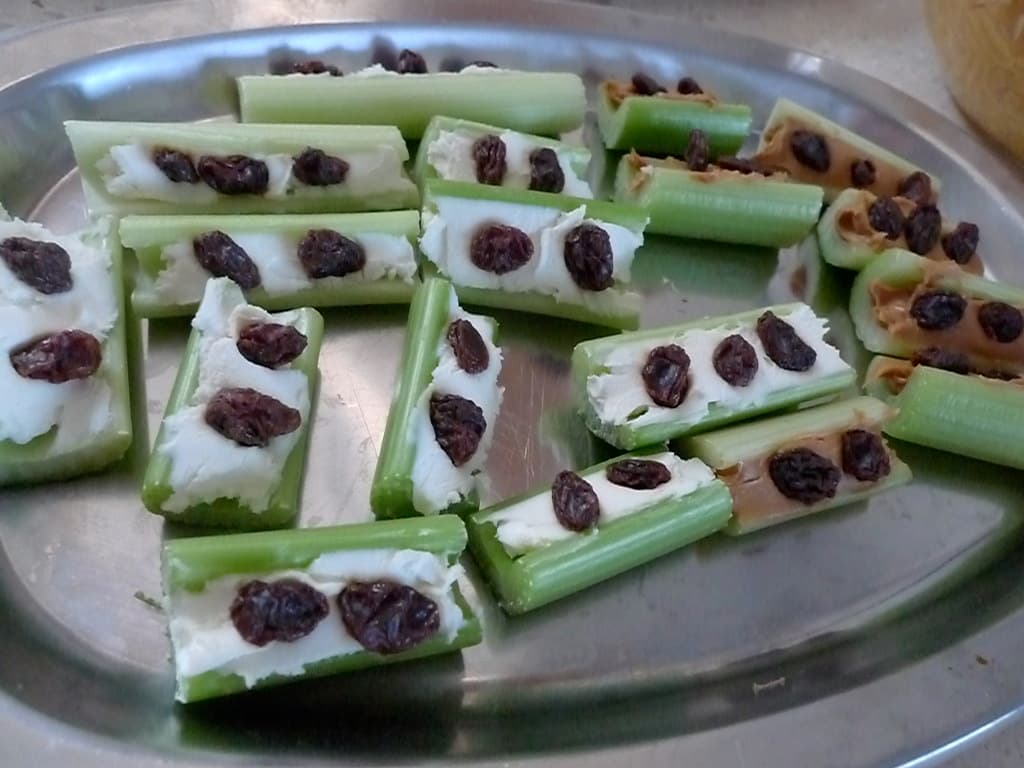
1950s-present
Celery sticks filled with peanut butter and topped with raisins, the classic American kid snack.
America's Melting Pot
Arby's-Style Horsey Sauce photo coming soon
1964-1970s
Arby's-Style Horsey Sauce is a sandwich sauce with real American table personality: Fast-food horseradish mayo tradition. It brings flavor from coast-to-coast American tables to cookouts, counters, lunch plates, potlucks, and weeknight suppers.
America's Melting Pot
Bacon-Wrapped Water Chestnuts photo coming soon
1946-1969
Crunchy water chestnuts wrapped in bacon, baked until crisp, and glazed with a brown sugar, soy, ketchup, and Worcestershire sauce.
Same region
America's Melting Pot
Knoephla Soup photo coming soon
1970-1989
Knoephla soup is a hearty, creamy potato and dumpling soup originating with German-Russian immigrants in the Upper Midwest and Great Plains during the late 20th century. This comforting stew features small flour-based dumplings simmered with potatoes and chicken in a creamy broth, celebrated as a regional favorite at family tables and tailgate gatherings.
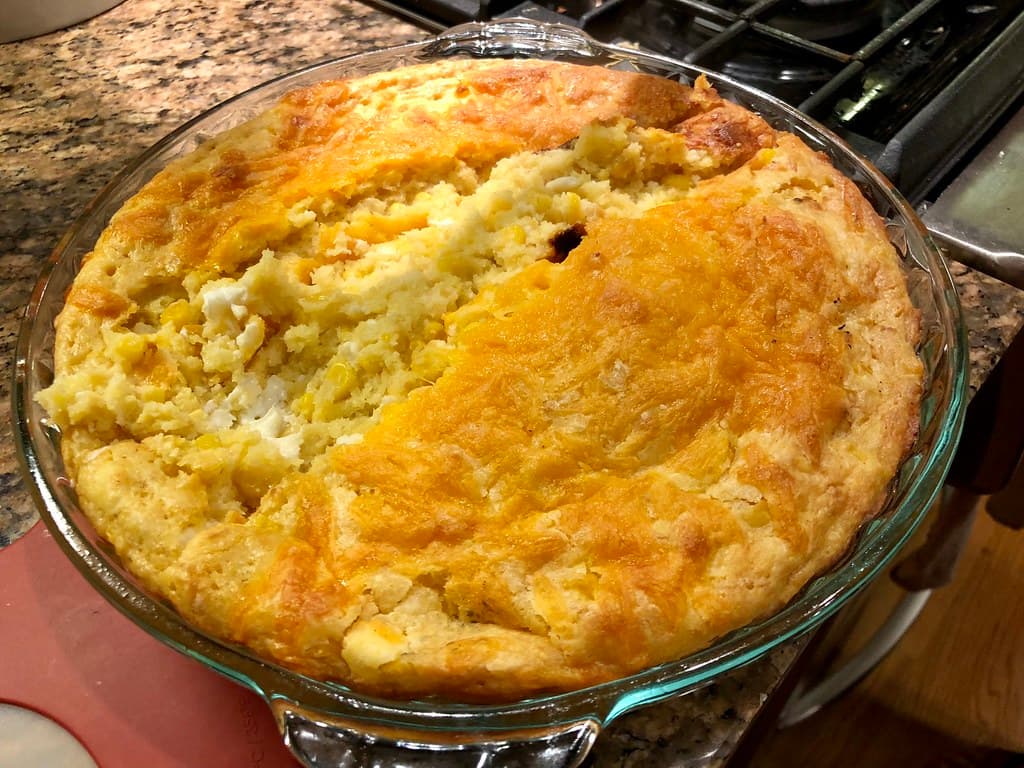
1946-1969
Corn casserole is a comforting baked dish combining whole kernel and creamed corn with a custard base, popular in the Midwest and Great Plains from the postwar era through the 1960s.
America's Melting Pot
BBQ Beef Sandwiches photo coming soon
1970-2026
This sandwich turns pot roast into crowd food: cook beef until it pulls apart, simmer it in barbecue sauce, and serve it from a slow cooker or Dutch oven. It fits the late-20th-century world of booster clubs, church suppers, and game-day tables, where economical roasts could feed a line of hungry fans.
Same table
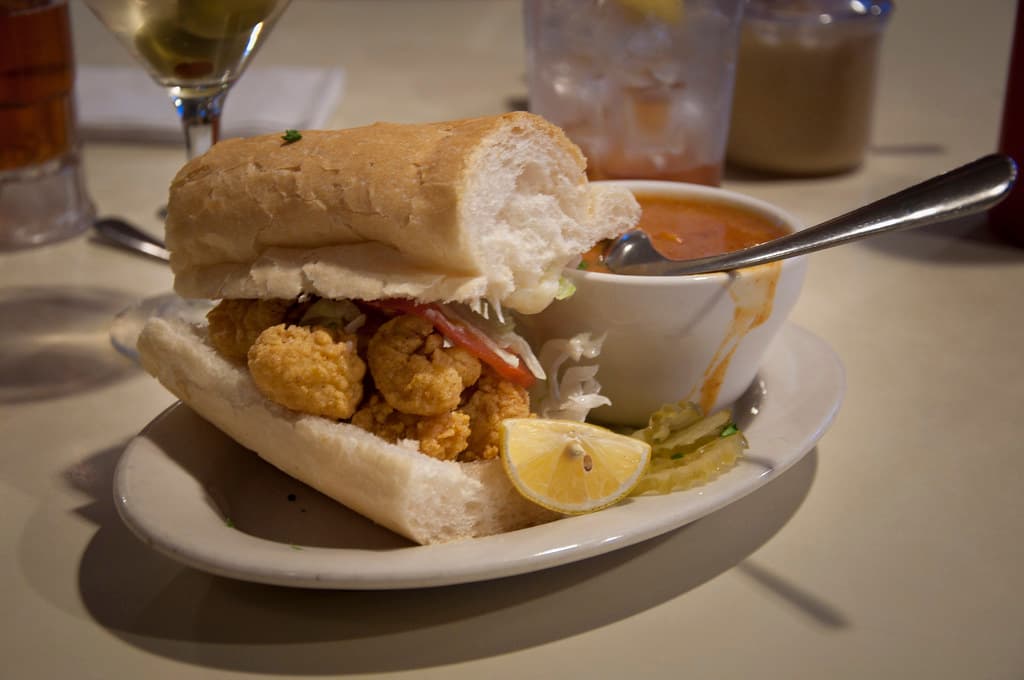
1946-1969
The Po' Boy is a traditional Louisiana sandwich featuring fried seafood or roast beef stuffed within a French bread loaf. Popularized mid-20th century in New Orleans, it is a signature Southern American comfort food blending French and Creole influences, often accompanied by lettuce, tomato, and tangy sauces.
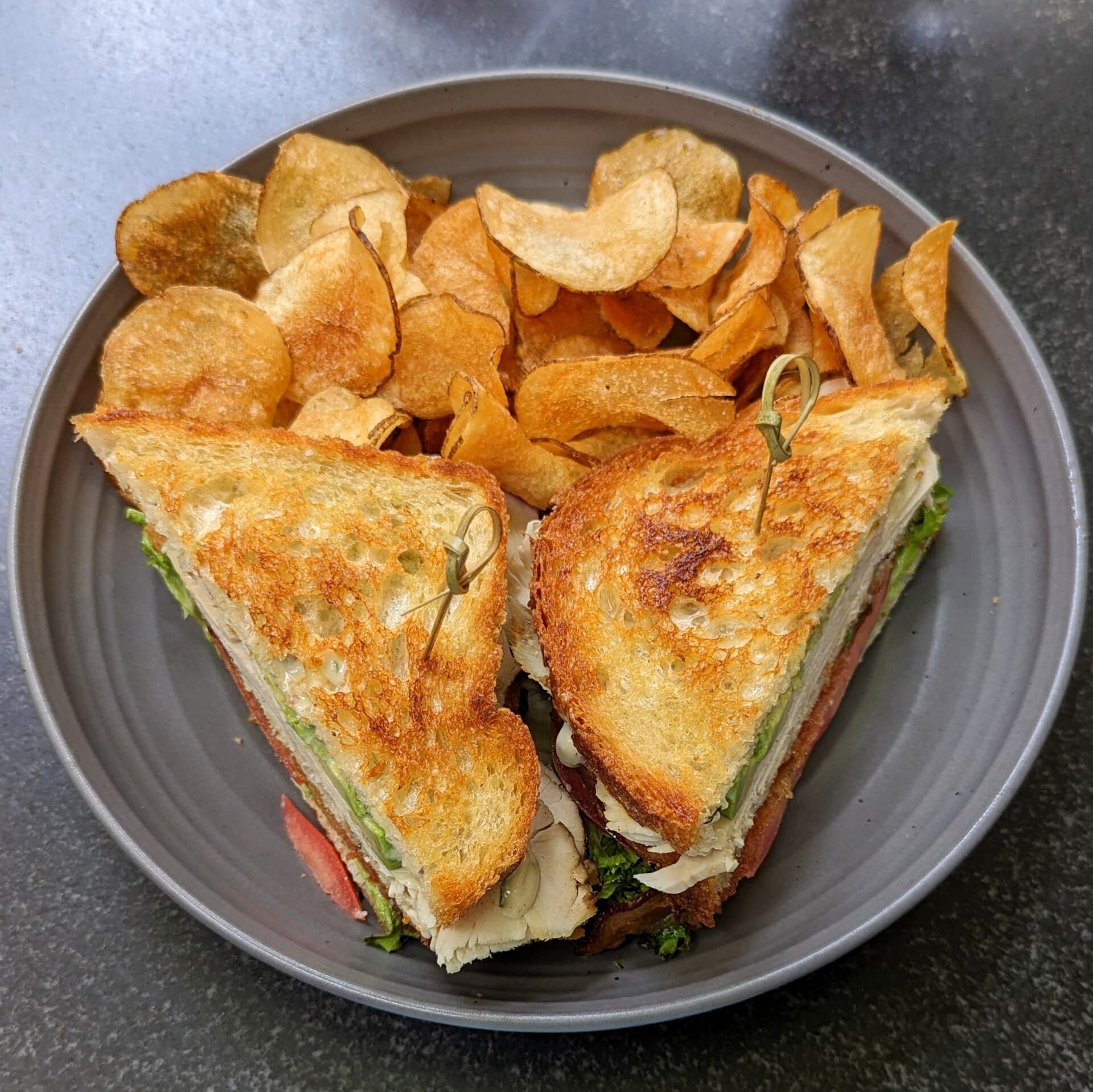
1894-present
The Club Sandwich is a layered triple-decker sandwich featuring sliced turkey or chicken, crispy bacon, lettuce, tomato, and mayonnaise on toasted bread. It first appeared in American diners and lunch counters during the early 20th century and quickly became popular as a convenient, filling meal. The Club reflects immigrant dining hall influences and the rise of urban lunch culture, notably served at state fairs and public eateries.
1800-1860
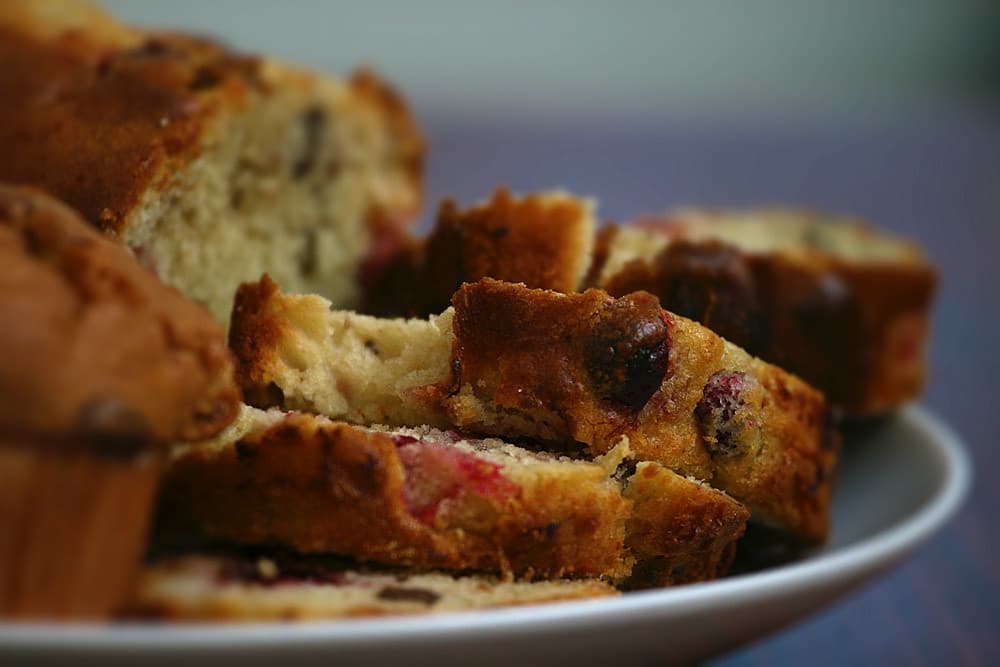
Moist quick bread studded with fresh cranberries, offering a balance of tart and sweet flavors. A traditional New England baked good enjoyed during the fall and winter months.