
Recipe archive
Loading
Setting the table...
Fetching the latest recipes from the archive.
Loading
Fetching the latest recipes from the archive.
Recipe archive
America's Melting Pot
Shawarma hero image coming soon
1946-1969 - Middle Eastern immigrant communities and suburban restaurant adaptations in the United States.
Shawarma is a Middle Eastern seasoned meat preparation typically shaved from a vertical spit, wrapped in flatbread with toppings and sauces. Its American adaptation became widely popular in suburban food scenes and coffee shops in the late 20th century as a flavorful fast meal.
No featured photo yet. Upload a photo with your review. The highest-rated community photo may become this recipe's hero image.
Difficulty
Medium
Prep time
30 minutes
Cook time
25 minutes
Total time
55 minutes
Servings
4 servings
Region
Dearborn, Michigan and Detroit-area Arab American restaurant kitchens
Era introduced
1946-1969
Introduced by
Middle Eastern immigrant communities and suburban restaurant adaptations in the United States.
Recipe tools
Log in to save this recipe to a collection.
Introduced to the U.S. through Middle Eastern immigrant communities, shawarma gained popularity in suburban food culture from the 1990s onward. The dish reflects the dynamic adaptation of global street foods to American tastes and food service environments, such as coffee shops and sports event venues. Its convenient handheld form and flavorful spiced meats illustrate the growing appetite for diverse culinary experiences in American suburbs during this period.
Share family changes, regional twists, or pantry-friendly adaptations as full community recipes.
Log in to submit a community recipe.
No community recipes yet. Submitted recipes are published right away.
Rate this recipe and share how it worked at your table.
Log in to review this recipe.
No reviews yet. Be the first to rate this recipe.
Recipes matched by era, region, occasion, ingredients, and cultural roots from the archive.
Same era

1950s-present
Celery sticks filled with peanut butter and topped with raisins, the classic American kid snack.
America's Melting Pot
Arby's-Style Horsey Sauce photo coming soon
1964-1970s
Arby's-Style Horsey Sauce is a sandwich sauce with real American table personality: Fast-food horseradish mayo tradition. It brings flavor from coast-to-coast American tables to cookouts, counters, lunch plates, potlucks, and weeknight suppers.
America's Melting Pot
Bacon-Wrapped Water Chestnuts photo coming soon
1946-1969
Crunchy water chestnuts wrapped in bacon, baked until crisp, and glazed with a brown sugar, soy, ketchup, and Worcestershire sauce.
Same region
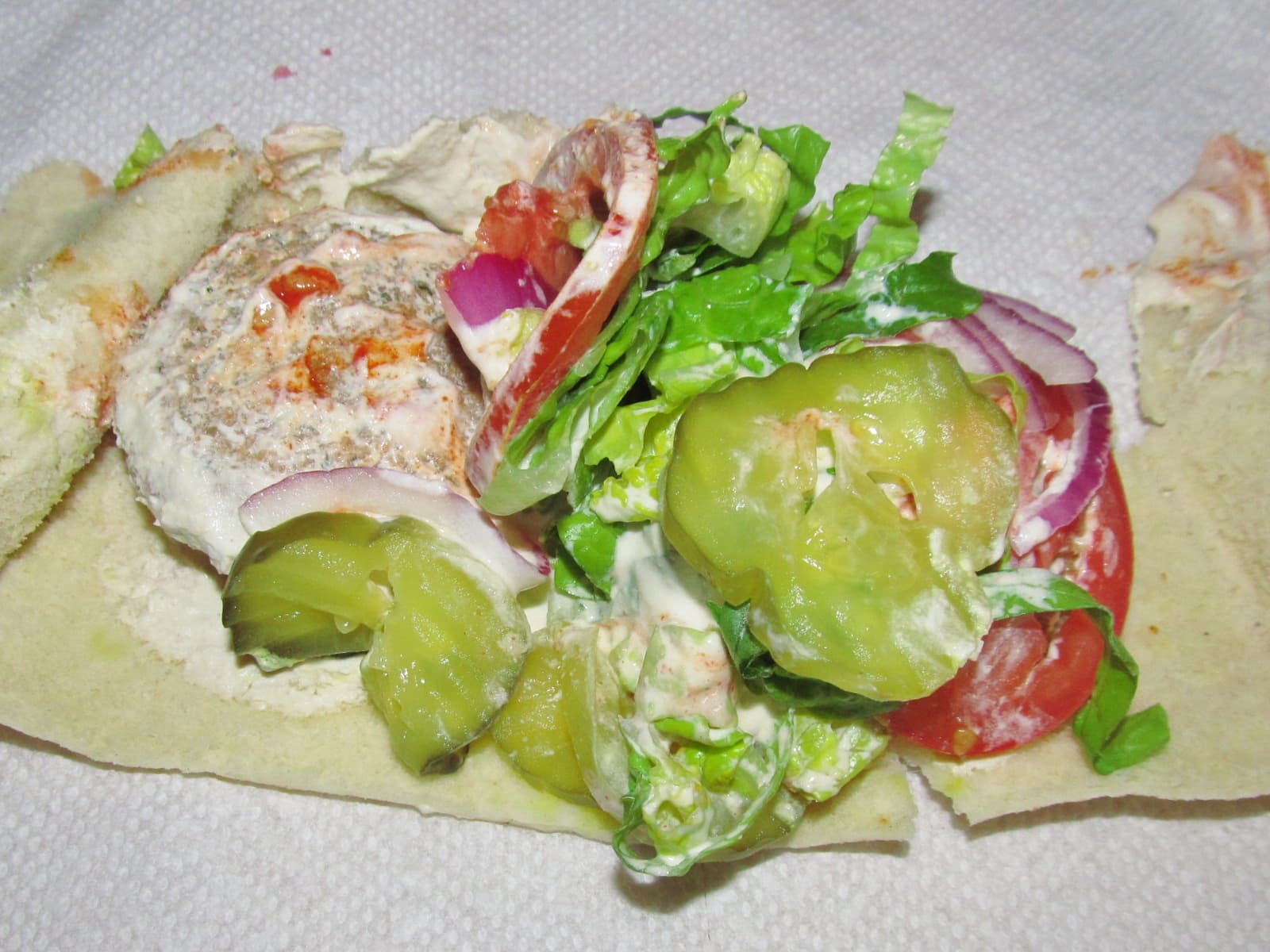
1940s-present
Falafel are deep-fried patties or balls made primarily from chickpeas and herbs, common in Middle Eastern cuisine and widely adopted in the U.S. by immigrant communities. From 1990 to 2009, falafel became a staple of global suburban American diets, featured in food networks and growing coffee shop menus as a popular vegetarian sandwich source.
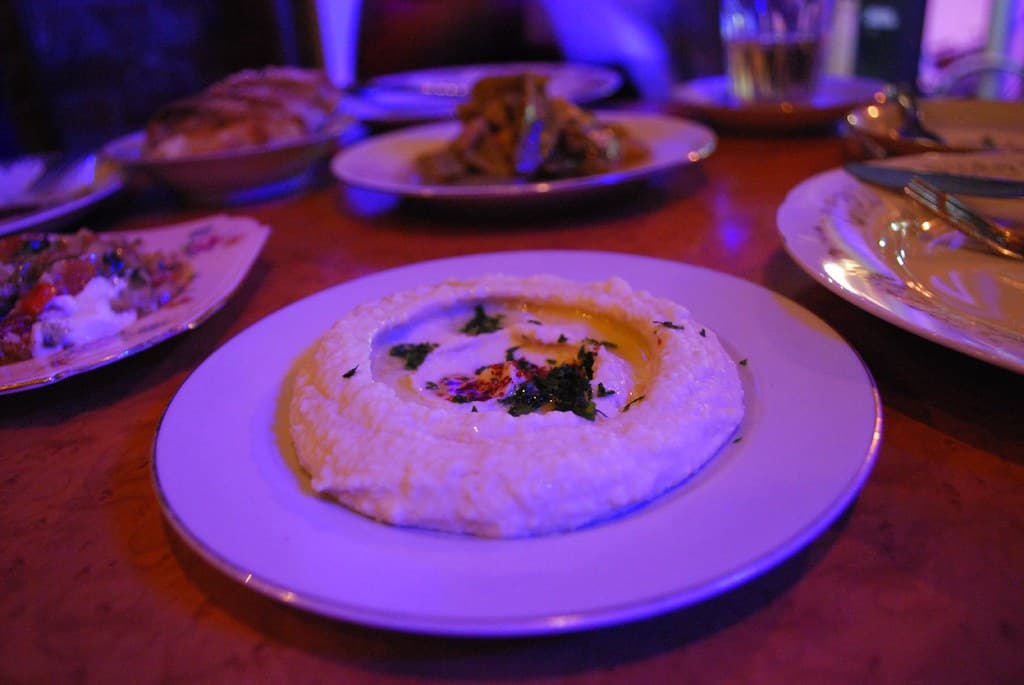
1940s-present
This classic hummus recipe, now a staple in American suburban households and coffee shops, reflects the successful immigrant adaptation of Middle Eastern flavors into American food culture from 1990 to 2009. It gained notable popularity as a healthy and flavorful snack and Super Bowl food item.
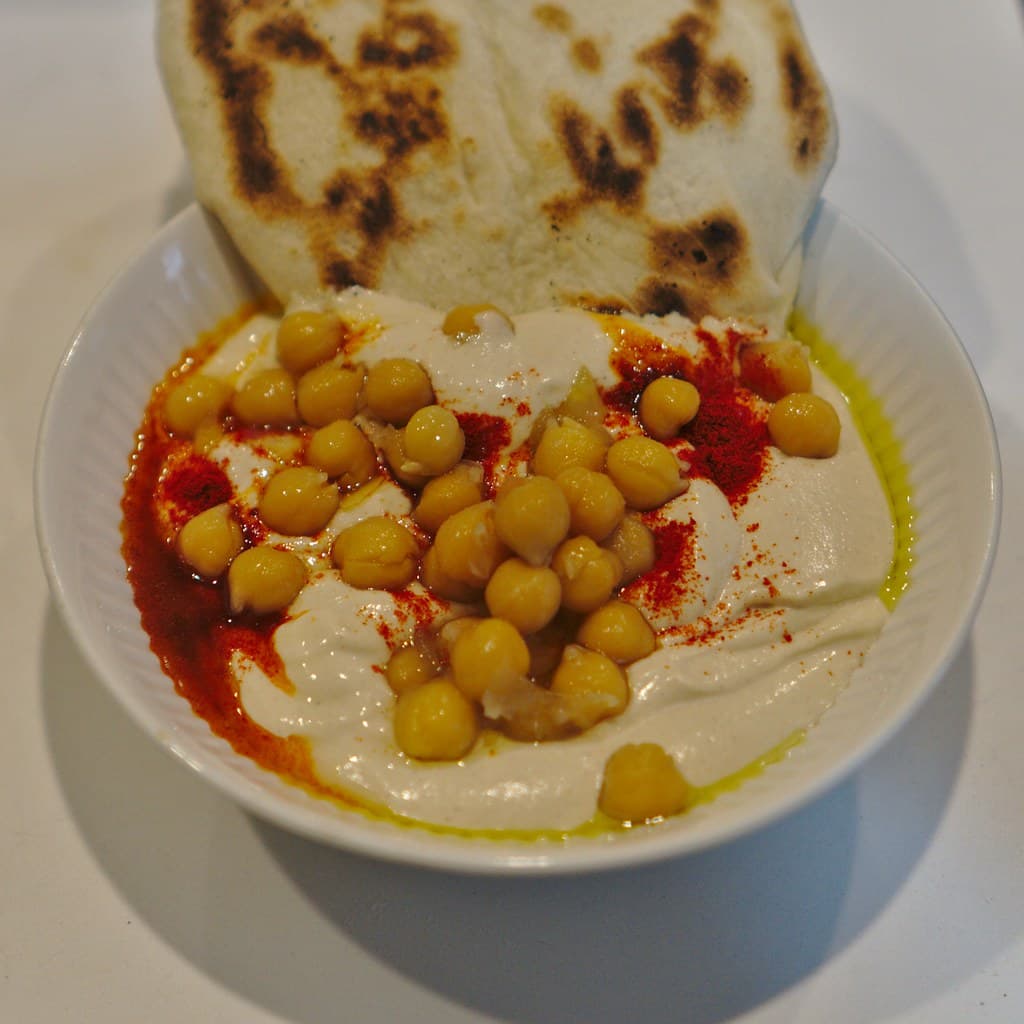
1940s-present
Hummus paired with pita bread became a popular combination in American suburbs during the 1990-2009 era, often featured in coffee shops and casual Super Bowl gatherings. This pairing highlights the meeting of Middle Eastern culinary staples with American casual dining culture.
Same table
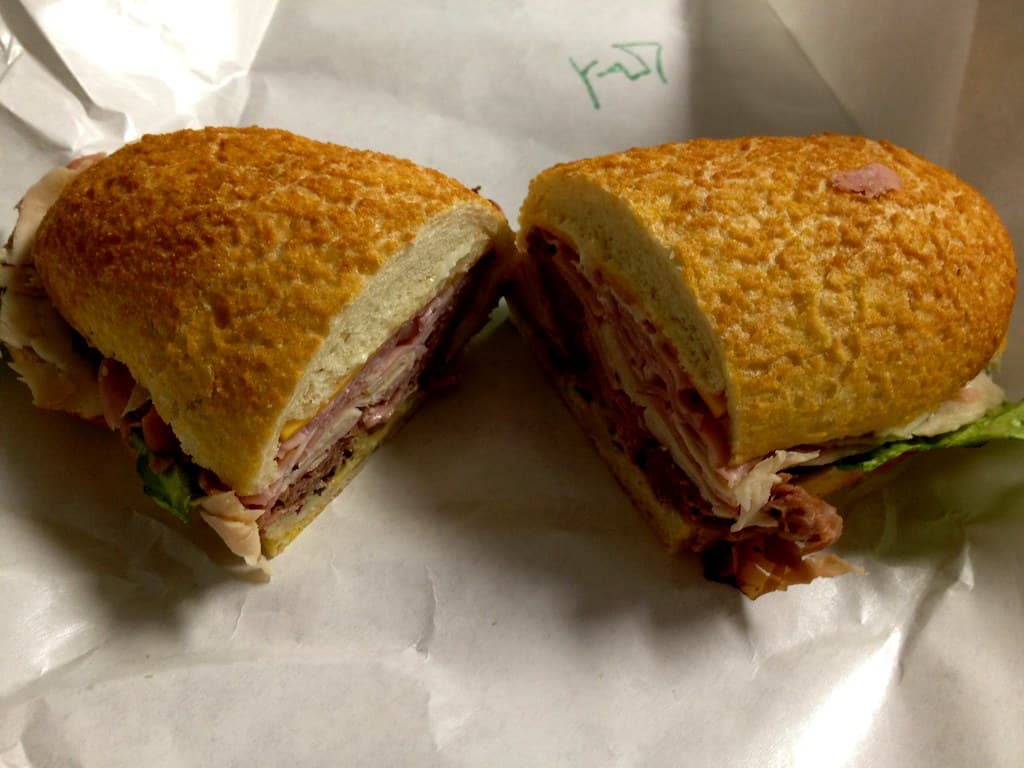
1935/late-20th-century Bay Area-present
A sandwich made with Dutch Crunch bread, characterized by its crackly, mottled crust. Filled typically with deli meats, cheese, and vegetables, this sandwich is a West Coast regional favorite named for its distinctive bread texture rather than any Dutch origin.
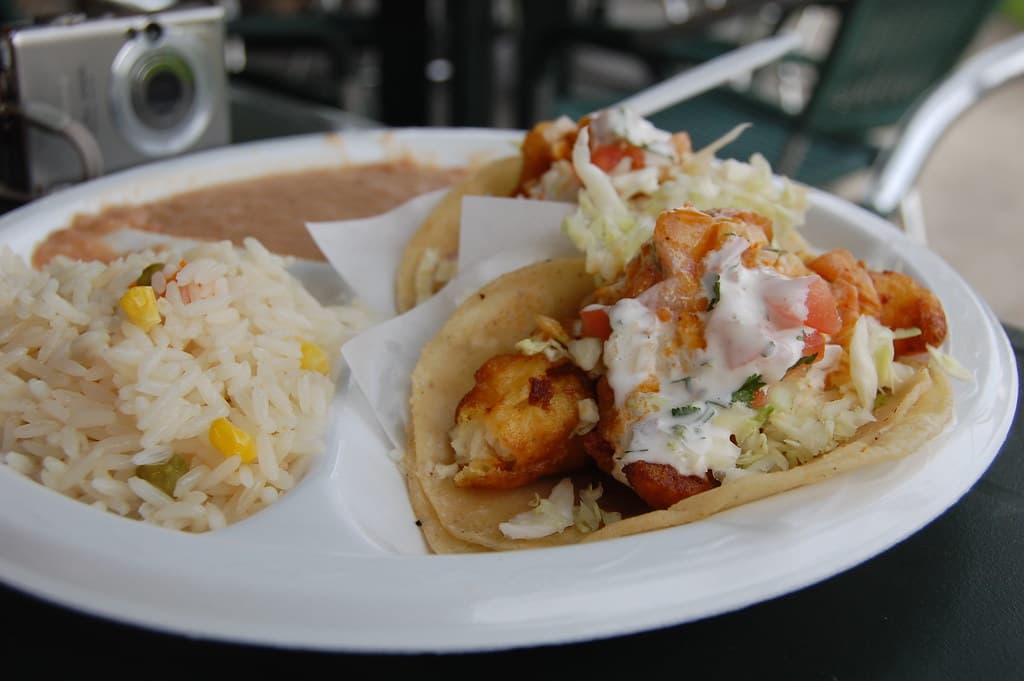
1983 U.S. popularization
Fish tacos combine crispy fried or grilled fish with fresh toppings wrapped in a warm corn tortilla. Originating in Baja California and popularized on the U.S. West Coast, they exemplify Mexican-American culinary adaptation featuring bright flavors and easy assembly.
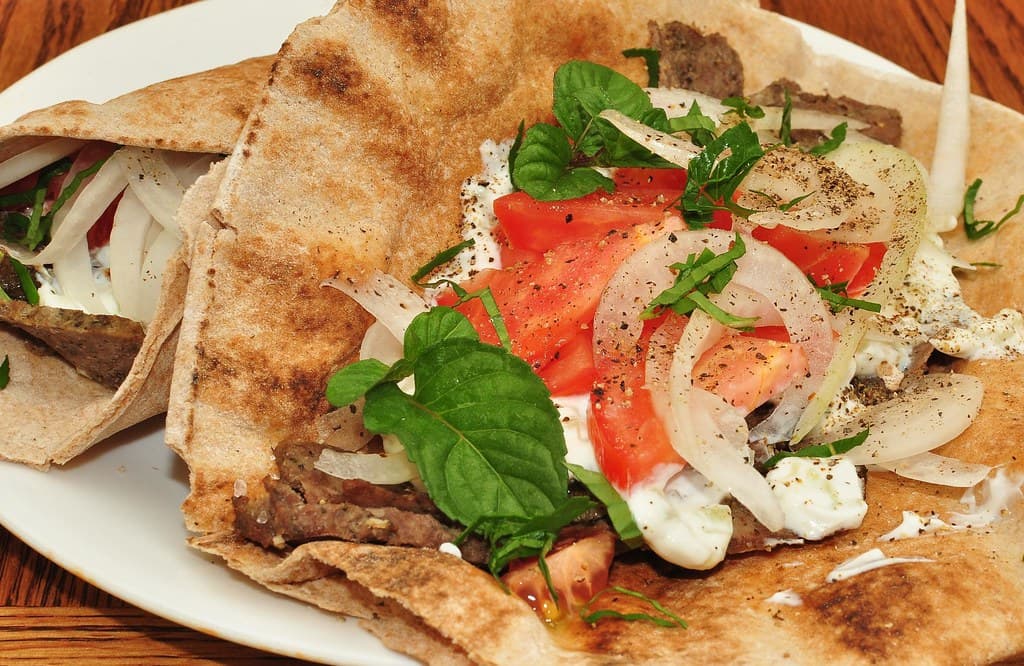
1965-1970s
Gyros entered American urban dining and state fairs in the early 20th century, popularized by Greek immigrants. Featuring spiced meat sliced from vertical rotisserie, with tomatoes, onions, and tzatziki in pita bread, it represents immigrant adaptation and diner cuisine fusion.