
Recipe archive
Loading
Setting the table...
Fetching the latest recipes from the archive.
Loading
Fetching the latest recipes from the archive.
Recipe archive
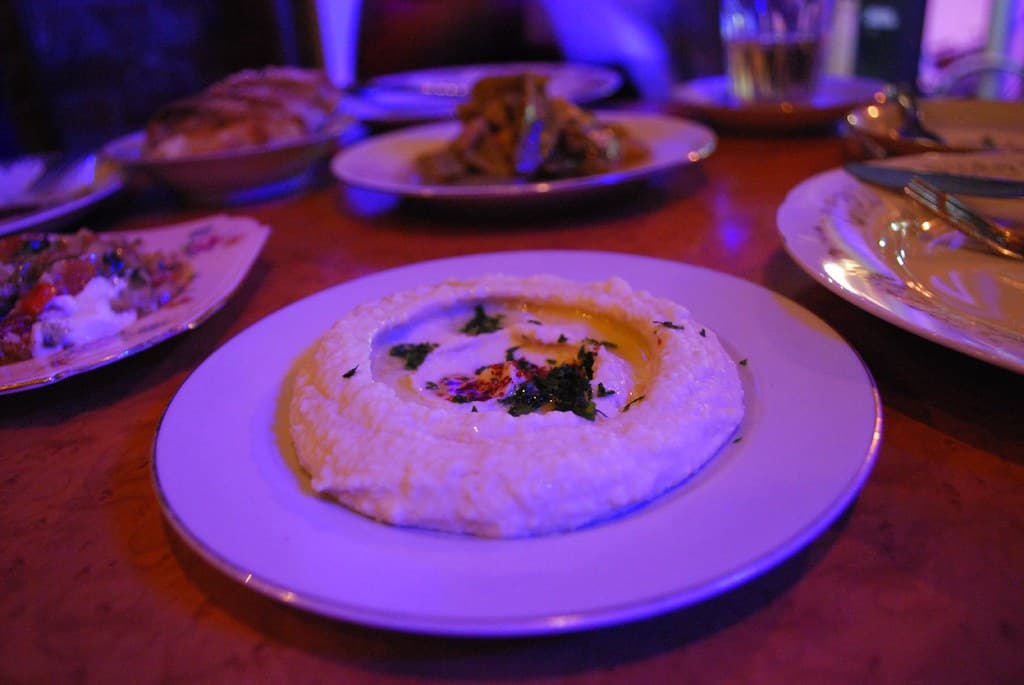
1946-1969 - Middle Eastern immigrant communities and American suburban cooks
This classic hummus recipe, now a staple in American suburban households and coffee shops, reflects the successful immigrant adaptation of Middle Eastern flavors into American food culture from 1990 to 2009. It gained notable popularity as a healthy and flavorful snack and Super Bowl food item.
Community-powered photos. Reviewers can upload dish photos, and the highest-rated community image may be featured here.
Difficulty
Easy
Prep time
15 minutes
Cook time
0 minutes
Total time
15 minutes
Servings
8 servings
Region
Dearborn, Michigan and Detroit-area Arab American restaurant kitchens
Era introduced
1946-1969
Introduced by
Middle Eastern immigrant communities and American suburban cooks
Recipe tools
Log in to save this recipe to a collection.
Hummus, a creamy dip made primarily from chickpeas, has become a beloved fixture in American suburban cuisine between 1990 and 2009. While its origins are Middle Eastern, immigrants and food networks helped integrate it into mainstream American eating habits, especially in casual settings like coffee shops and game-day parties. Its rise parallels America's growing interest in global flavors and healthier snack options. This recipe reflects that cultural blending and adaptation, making a traditionally ethnic dish accessible in a distinctly American context.
Share family changes, regional twists, or pantry-friendly adaptations as full community recipes.
Log in to submit a community recipe.
No community recipes yet. Submitted recipes are published right away.
Rate this recipe and share how it worked at your table.
Log in to review this recipe.
No reviews yet. Be the first to rate this recipe.
Recipes matched by era, region, occasion, ingredients, and cultural roots from the archive.
Same era
1950s-present
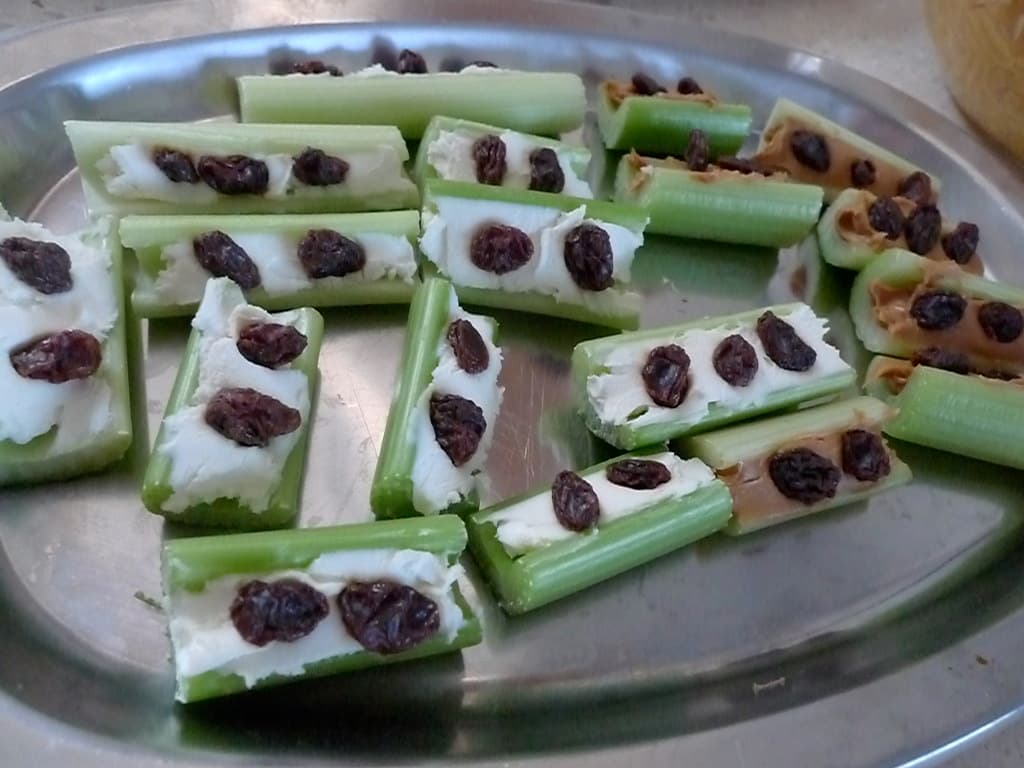
Celery sticks filled with peanut butter and topped with raisins, the classic American kid snack.
America's Melting Pot
Arby's-Style Horsey Sauce photo coming soon
1964-1970s
Arby's-Style Horsey Sauce is a sandwich sauce with real American table personality: Fast-food horseradish mayo tradition. It brings flavor from coast-to-coast American tables to cookouts, counters, lunch plates, potlucks, and weeknight suppers.
America's Melting Pot
Bacon-Wrapped Water Chestnuts photo coming soon
1946-1969
Crunchy water chestnuts wrapped in bacon, baked until crisp, and glazed with a brown sugar, soy, ketchup, and Worcestershire sauce.
Same region
1940s-present
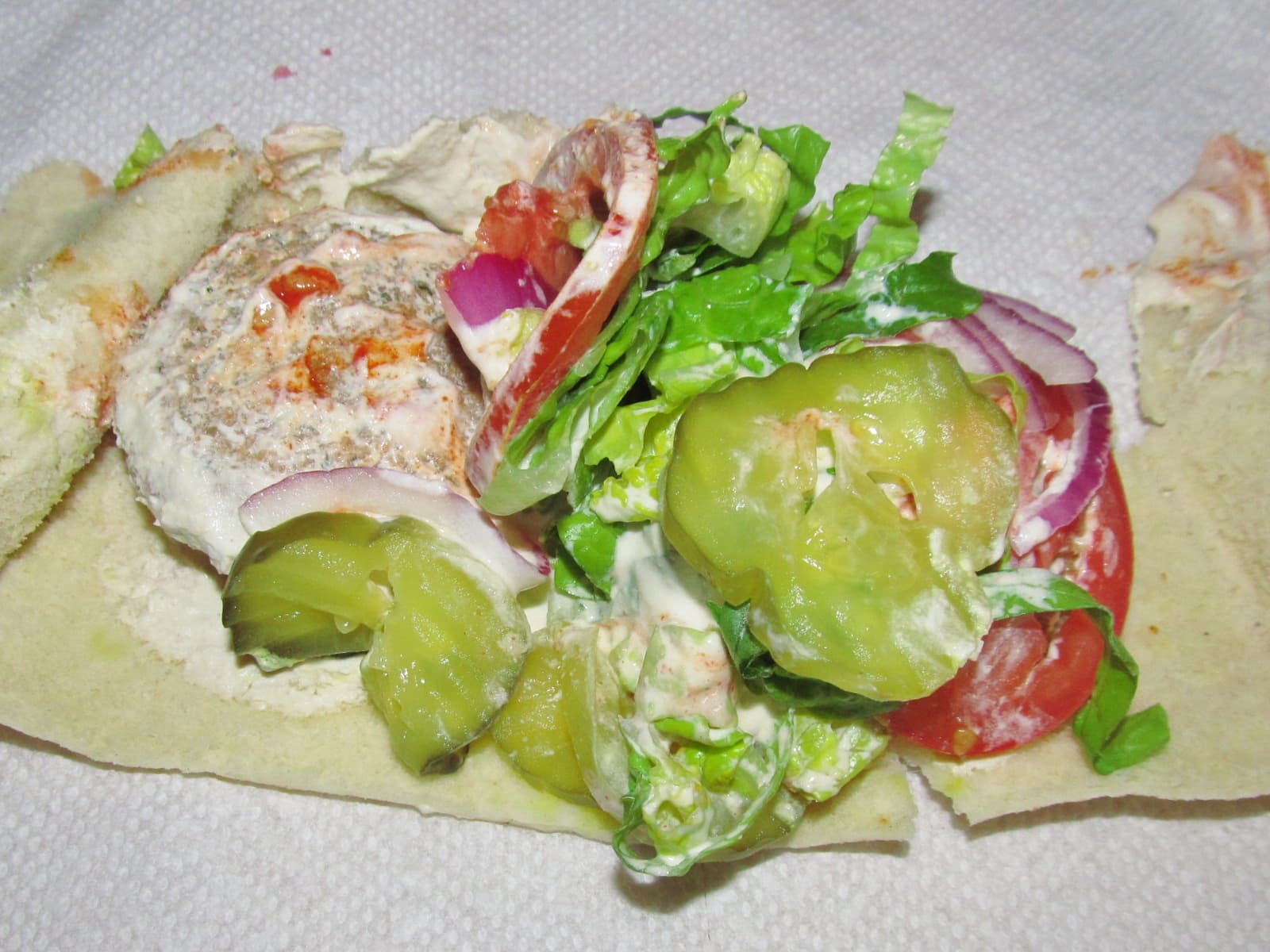
Falafel are deep-fried patties or balls made primarily from chickpeas and herbs, common in Middle Eastern cuisine and widely adopted in the U.S. by immigrant communities. From 1990 to 2009, falafel became a staple of global suburban American diets, featured in food networks and growing coffee shop menus as a popular vegetarian sandwich source.
1940s-present
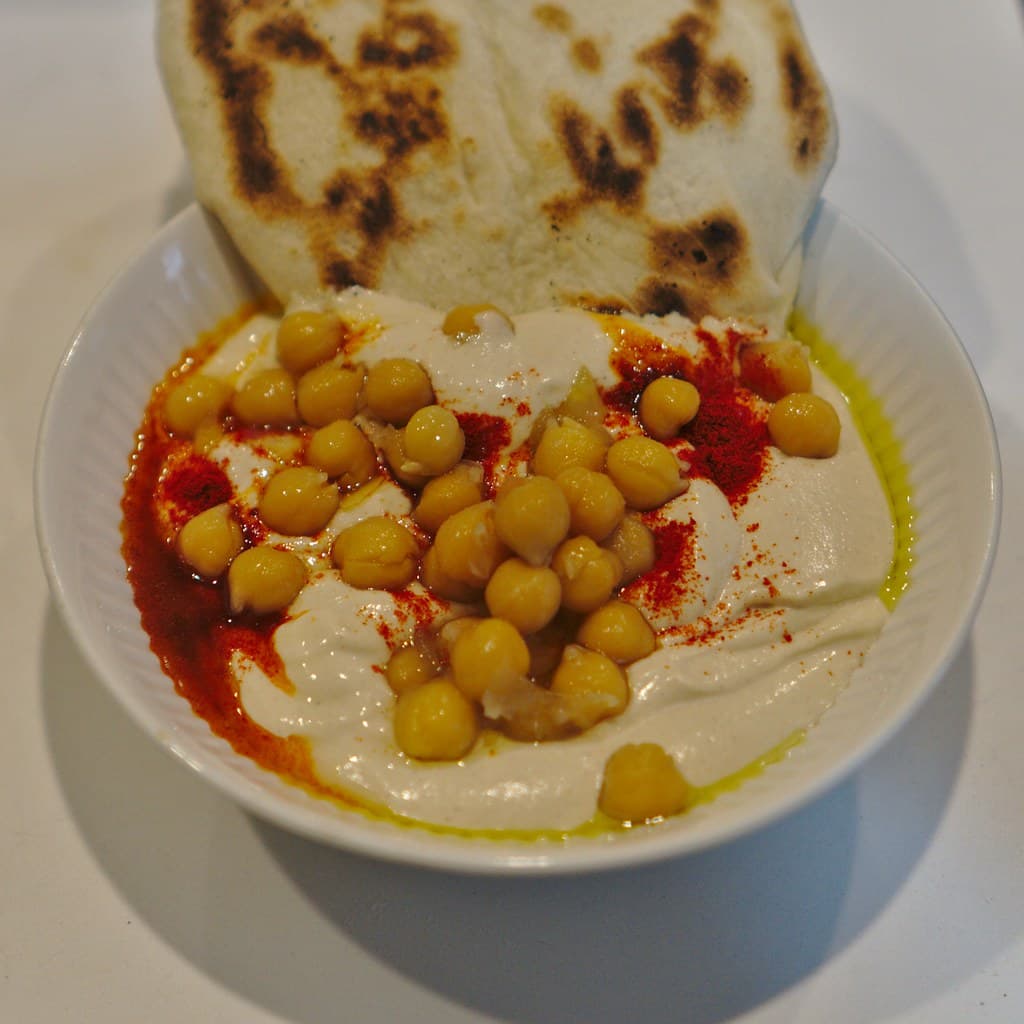
Hummus paired with pita bread became a popular combination in American suburbs during the 1990-2009 era, often featured in coffee shops and casual Super Bowl gatherings. This pairing highlights the meeting of Middle Eastern culinary staples with American casual dining culture.
America's Melting Pot
Shawarma photo coming soon
1940s-present
Shawarma is a Middle Eastern seasoned meat preparation typically shaved from a vertical spit, wrapped in flatbread with toppings and sauces. Its American adaptation became widely popular in suburban food scenes and coffee shops in the late 20th century as a flavorful fast meal.
Same table
1940s-present
Hummus paired with pita bread became a popular combination in American suburbs during the 1990-2009 era, often featured in coffee shops and casual Super Bowl gatherings. This pairing highlights the meeting of Middle Eastern culinary staples with American casual dining culture.
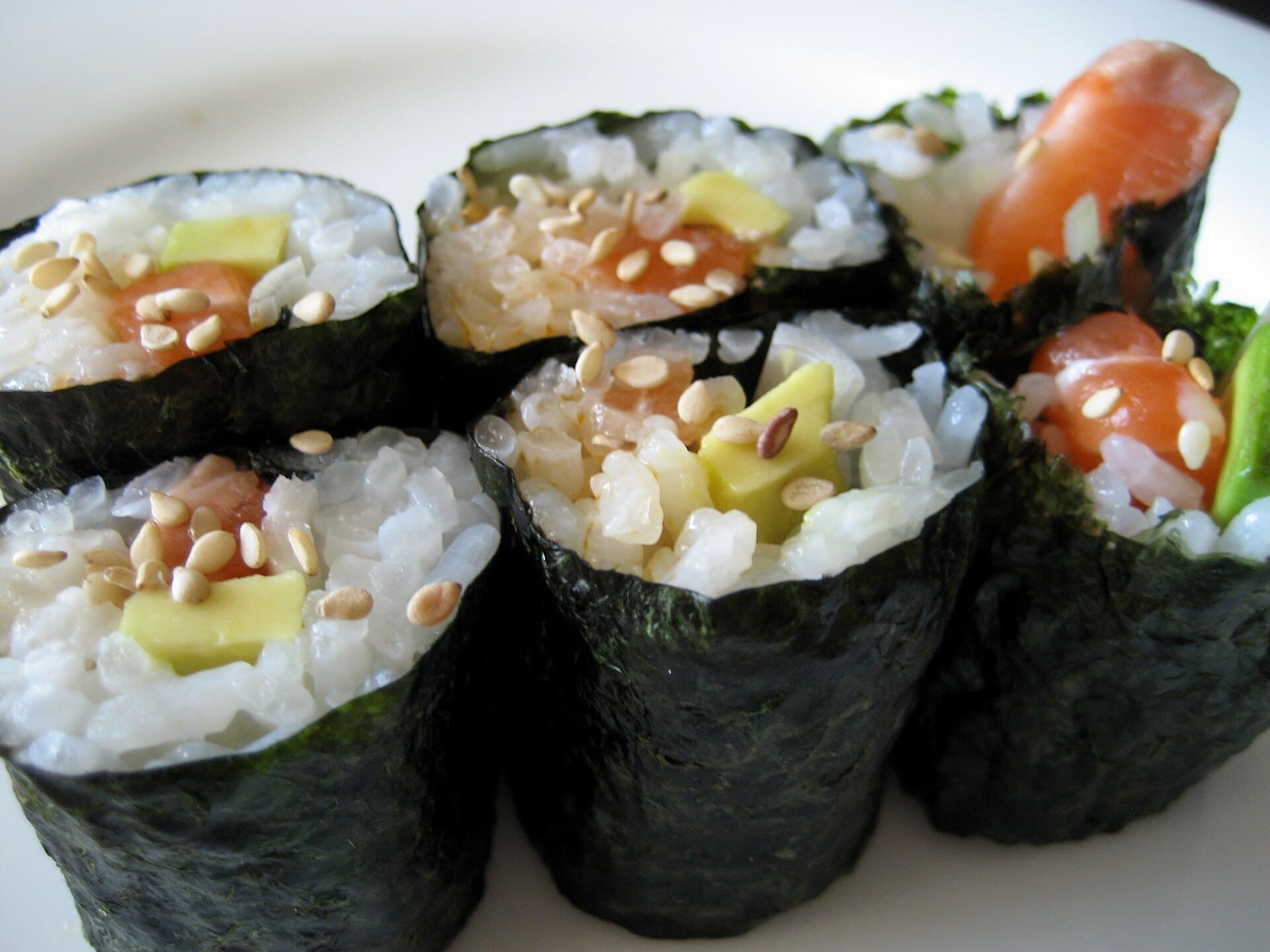
1960s-present
Sushi rolls adapted and embraced in American suburbs, often served in casual settings such as coffee shops and sports gatherings. This recipe reflects the immigrant influence and fusion that characterize contemporary American cuisine from 1990 to 2009.
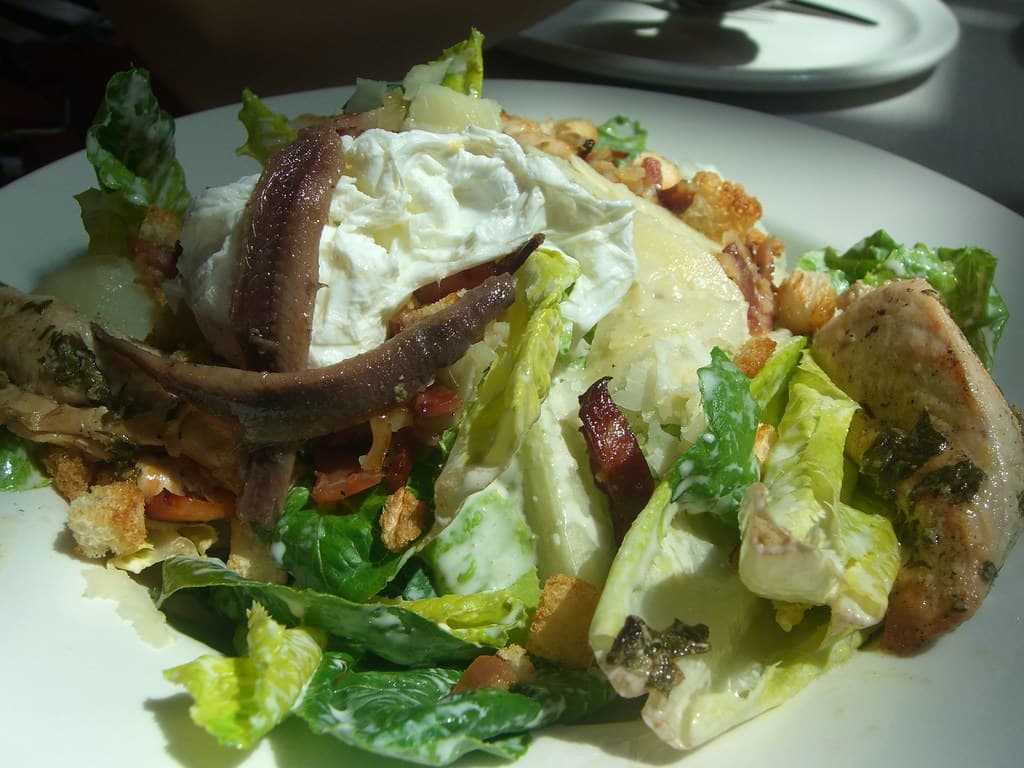
1980s-1990s
A well-known salad featuring grilled chicken atop crisp romaine, tossed with creamy Caesar dressing, crunchy croutons, and Parmesan cheese. Popularized in family restaurants and coffee shops during the 1990s and 2000s, it became a staple side and light entree, especially for Super Bowl gatherings, blending Italian-American flavors with accessible American dining.