
Recipe archive
Loading
Setting the table...
Fetching the latest recipes from the archive.
Loading
Fetching the latest recipes from the archive.
Recipe archive
America's Melting Pot
Spaghetti with Tomato Gravy hero image coming soon
1861-1900 - Italian-American immigrant families and community cooks
Spaghetti with tomato gravy is an Italian-American staple that emerged during waves of Italian immigration in the late 1800s. This simple pasta dish features spaghetti topped with a seasoned tomato sauce often called 'gravy' in Italian-American parlance, showing culinary adaptation and community identity during post-Civil War settlement.
No featured photo yet. Upload a photo with your review. The highest-rated community photo may become this recipe's hero image.
Difficulty
Easy
Prep time
10 minutes
Cook time
25 minutes
Total time
35 minutes
Servings
4
Region
New York, New Jersey, and Philadelphia Italian American Sunday gravy kitchens
Era introduced
1861-1900
Introduced by
Italian-American immigrant families and community cooks
Recipe tools
Log in to save this recipe to a collection.
Between 1861 and 1900, Italian immigrants brought their regional culinary traditions to America, adapting them to new ingredients and local tastes. Spaghetti with tomato gravy is a reflection of this process. In Italian-American communities, 'gravy' refers to a slow-simmered tomato sauce often enriched with meat or vegetables, served over spaghetti-a dish that became central to communal and family meals, and later to American interpretations of Italian cuisine.
Share family changes, regional twists, or pantry-friendly adaptations as full community recipes.
Log in to submit a community recipe.
No community recipes yet. Submitted recipes are published right away.
Rate this recipe and share how it worked at your table.
Log in to review this recipe.
No reviews yet. Be the first to rate this recipe.
Recipes matched by era, region, occasion, ingredients, and cultural roots from the archive.
Same era
America's Melting Pot
Army Bean Soup photo coming soon
1861-1900
A hearty military-style bean soup built on navy beans, smoked ham hock, onion, celery, carrot, and bay leaf, adapted for a home pot from large-batch service traditions.

1861-1900
A basic homemade bagel recipe using high-protein flour, malt or brown sugar, a short boil, and a hot bake for chewy New York-style results.
America's Melting Pot
Bagels with Schmear photo coming soon
1861-1900
A deli-style bagel with a thick schmear of plain or scallion cream cheese, with optional onion, capers, tomato, and cucumber.
Same region
1900-2026
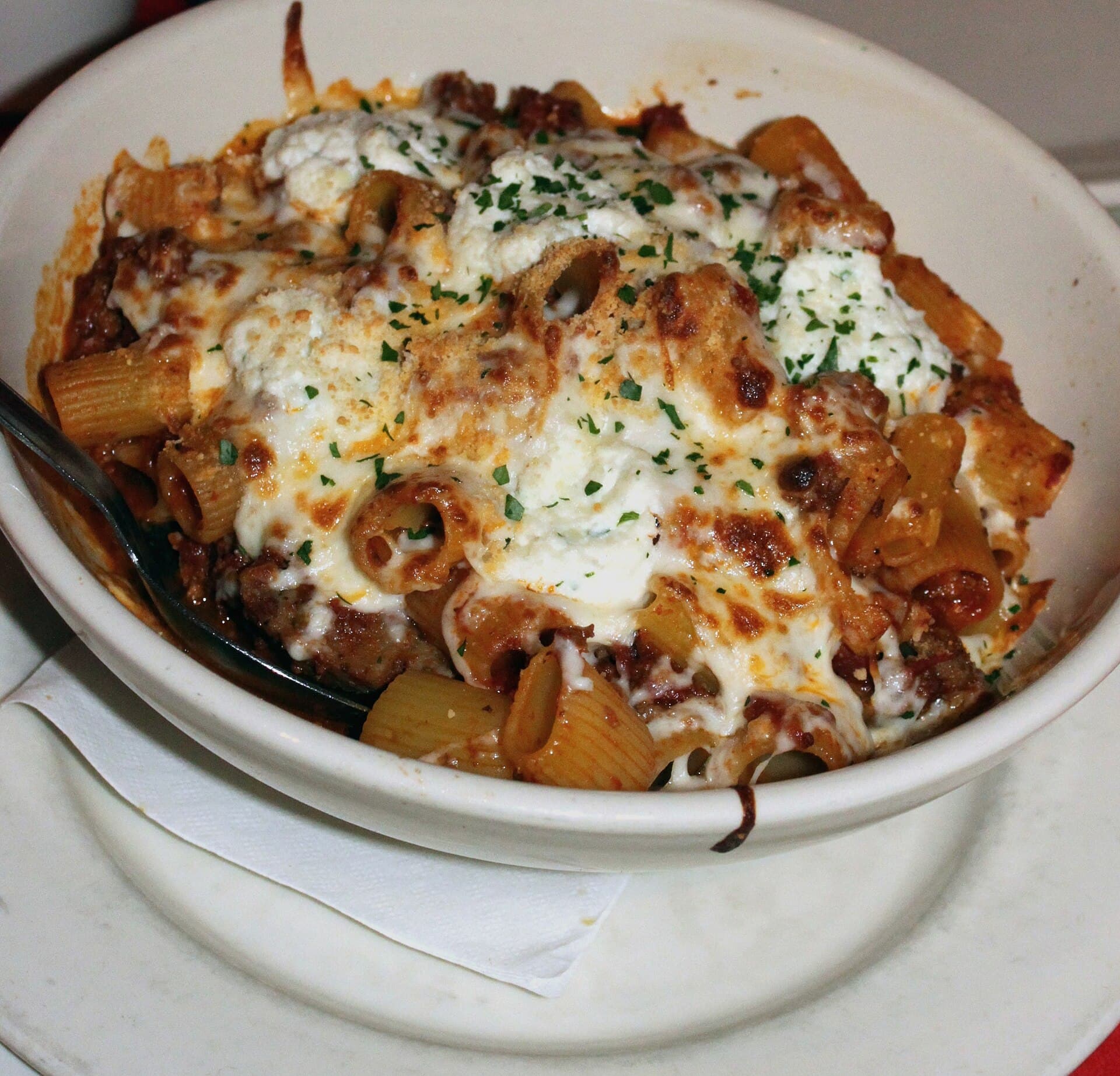
A crowd-friendly baked ziti casserole layered with marinara, ricotta, mozzarella, Parmesan, and optional Italian sausage.

early 1900s-present
The Feast of the Seven Fishes is a traditional Italian-American Christmas Eve celebration featuring seven different seafood dishes. Rooted in Italian Catholic fasting customs, it has evolved into a special communal meal enjoyed throughout the United States across eras as part of holiday traditions.

1900s-present
Focaccia is a flat Italian-style bread seasoned with olive oil, herbs, and often sea salt. Italian immigrants introduced focaccia to the United States during the late 19th century, adapting Old World baking techniques to American ingredients, thus becoming a beloved Italian-American staple bread.
Same table
America's Melting Pot
Stuffed Shells photo coming soon
1900s-present
Stuffed Shells consist of large pasta shells filled with ricotta cheese mixture, covered with tomato sauce and baked until bubbly. This dish traces to Italian-American families in the 19th century and remains a popular comfort food with variations across the U.S.
1900s-present
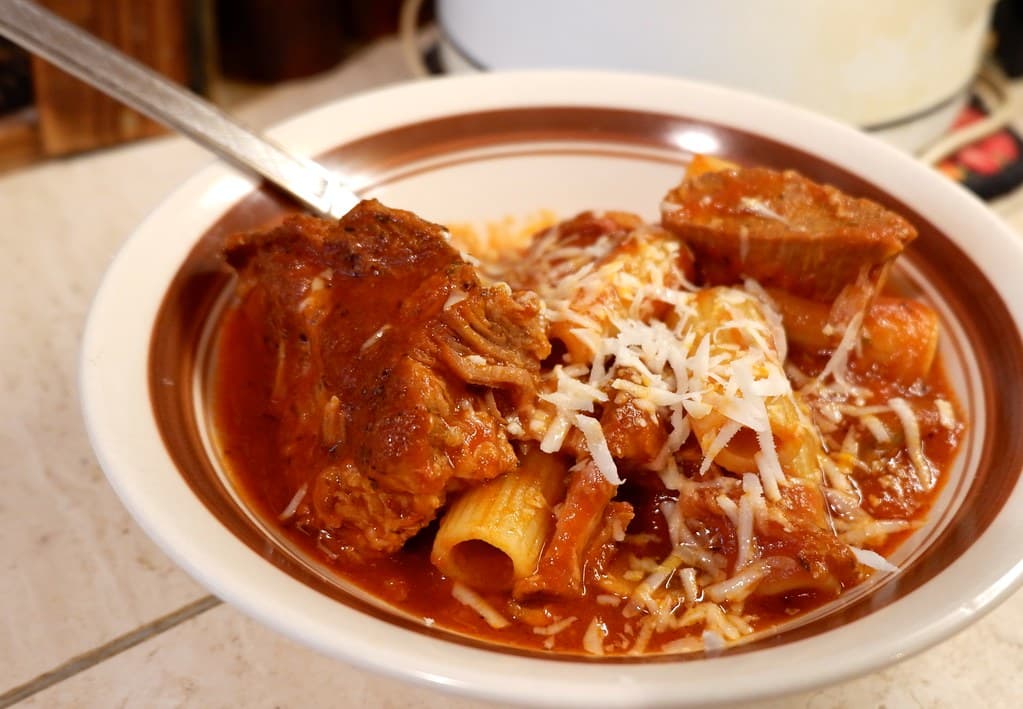
Sunday Gravy is a rich Italian-American tomato sauce slow-simmered with various meats including pork, beef, and sausage, traditionally served after Sunday mass. This communal sauce is foundational to many Italian-American family meals and celebrations.
America's Melting Pot
Cincinnati Chili photo coming soon
1946-1969
Cincinnati Chili is a unique meat sauce featuring warm spices like cinnamon and cloves, served over spaghetti or hot dogs. Originating in the Midwestern United States during the mid-20th century, it reflects Mediterranean immigrant influences adapted to local tastes and ingredients, creating a distinctive regional comfort food.