
Recipe archive
Loading
Setting the table...
Fetching the latest recipes from the archive.
Loading
Fetching the latest recipes from the archive.
Recipe archive
America's Melting Pot
Spicy Tuna Roll hero image coming soon
1980-1989 - Global American and Japanese immigrant chefs in suburban American sushi restaurants
The spicy tuna roll is a sushi roll popularized in American suburbs and restaurants during the 1990s and 2000s. Combining raw tuna with spicy mayonnaise and rice wrapped in seaweed, it reflects globalization and immigrant food fusions in convenience dining.
No featured photo yet. Upload a photo with your review. The highest-rated community photo may become this recipe's hero image.
Difficulty
Medium
Prep time
20 minutes
Cook time
0 minutes
Total time
20 minutes
Servings
4 rolls
Region
Seattle and Los Angeles Japanese American sushi bars
Era introduced
1980-1989
Introduced by
Global American and Japanese immigrant chefs in suburban American sushi restaurants
Recipe tools
Log in to save this recipe to a collection.
During the 1990s and 2000s, sushi gained mainstream popularity in American suburbs with adaptations catering to domestic tastes. The spicy tuna roll, with raw tuna mixed with spicy mayo wrapped in vinegared rice and nori, embodies immigrant culinary influences merged with American flavor preferences. Found in sushi bars, supermarkets, and coffee shops, it illustrates evolving global food trends reshaped within suburban foodscapes and convenience dining.
Share family changes, regional twists, or pantry-friendly adaptations as full community recipes.
Log in to submit a community recipe.
No community recipes yet. Submitted recipes are published right away.
Rate this recipe and share how it worked at your table.
Log in to review this recipe.
No reviews yet. Be the first to rate this recipe.
Recipes matched by era, region, occasion, ingredients, and cultural roots from the archive.
Same era
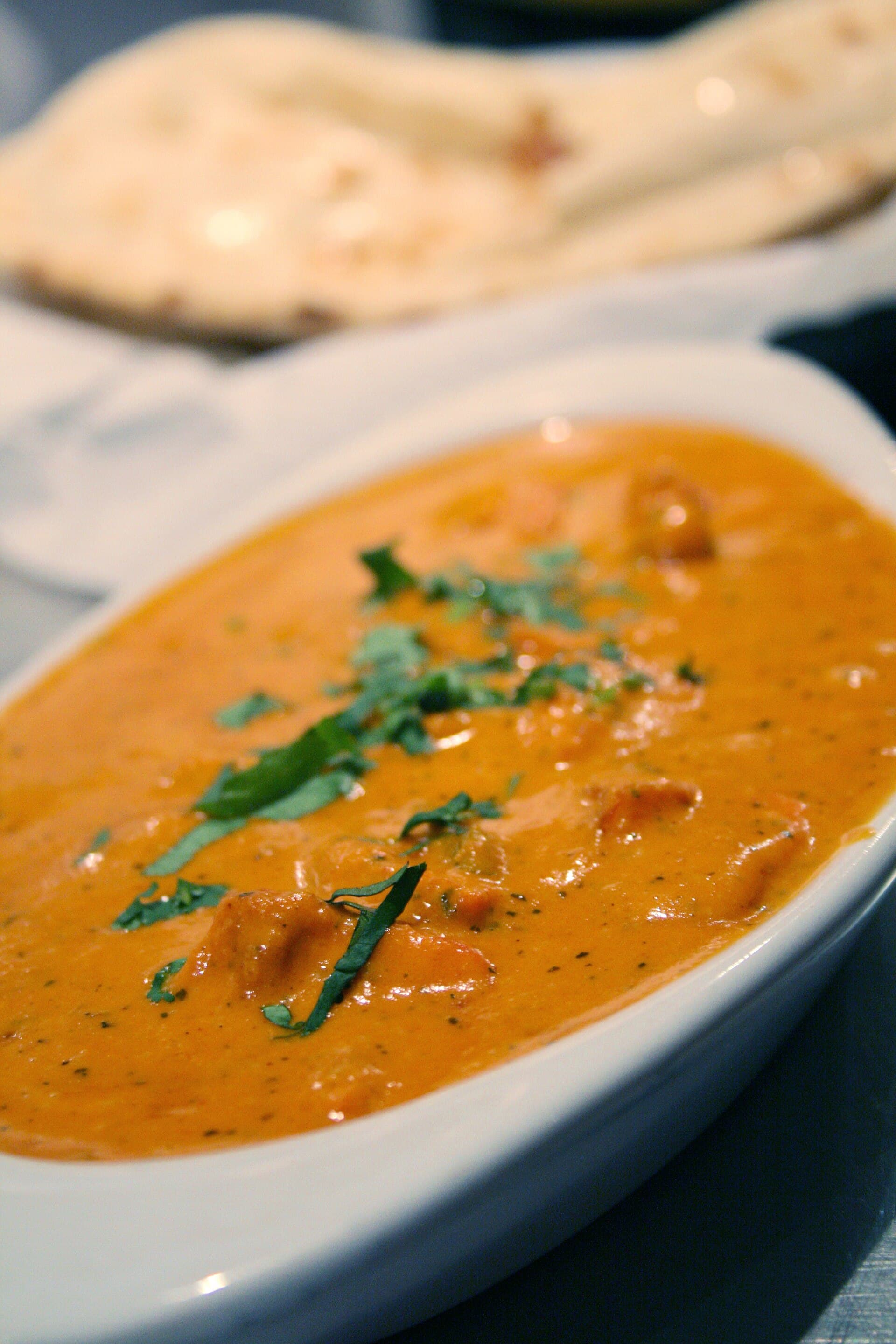
1980s-present
Chicken Tikka Masala is a creamy tomato-based curry with marinated, grilled chicken pieces, dining into American culinary landscapes in the late 20th century through immigrant and suburban adaptations. The dish blends South Asian flavors with local ingredient availability, symbolizing the globalizing food culture in suburban America and becoming a beloved main course in many households across the United States.
America's Melting Pot
Peruvian Chicken photo coming soon
1980s-present
Peruvian chicken features a moist chicken roast marinated in a blend of garlic, peppers, and spices, then roasted with a crispy skin. Gaining popularity in U.S. suburbs and food scenes during the 1990s to 2000s, it represents a fusion of global cuisines adapted for American tastes.
America's Melting Pot
Pupusas photo coming soon
1980s-present
Pupusas are thick Salvadoran corn masa tortillas filled with cheese, beans, or meat, then pan-fried until golden and served with curtido and salsa. This dish gained suburban American popularity in the 1990s as immigrant communities enhanced local food culture, becoming a beloved on-the-go comfort food.
Same region
America's Melting Pot
Teriyaki Chicken Bowl photo coming soon
1990-2009
This Teriyaki Chicken Bowl represents an immigrant-influenced, suburban adaptation of Asian flavors, combining grilled teriyaki chicken, rice, and fresh vegetables into a convenient bowl meal. Popularized in global American dining from the 1990s through the 2000s on the West Coast, these bowls cater to fast casual tastes and evolving food networks.
America's Melting Pot
Acai Bowl Smoothie Base photo coming soon
1970s-present
Acai Bowl Smoothie Base brings juice-bar color and American smoothie-counter energy to the glass: California/Hawaii/fitness culture.
America's Melting Pot
Air Fryer Brussels Sprouts photo coming soon
2010s-present
Trimmed Brussels sprouts air-fried with a little oil until crisp at the edges and tender in the center.
Same table
America's Melting Pot
Teriyaki Chicken Bowl photo coming soon
1990-2009
This Teriyaki Chicken Bowl represents an immigrant-influenced, suburban adaptation of Asian flavors, combining grilled teriyaki chicken, rice, and fresh vegetables into a convenient bowl meal. Popularized in global American dining from the 1990s through the 2000s on the West Coast, these bowls cater to fast casual tastes and evolving food networks.
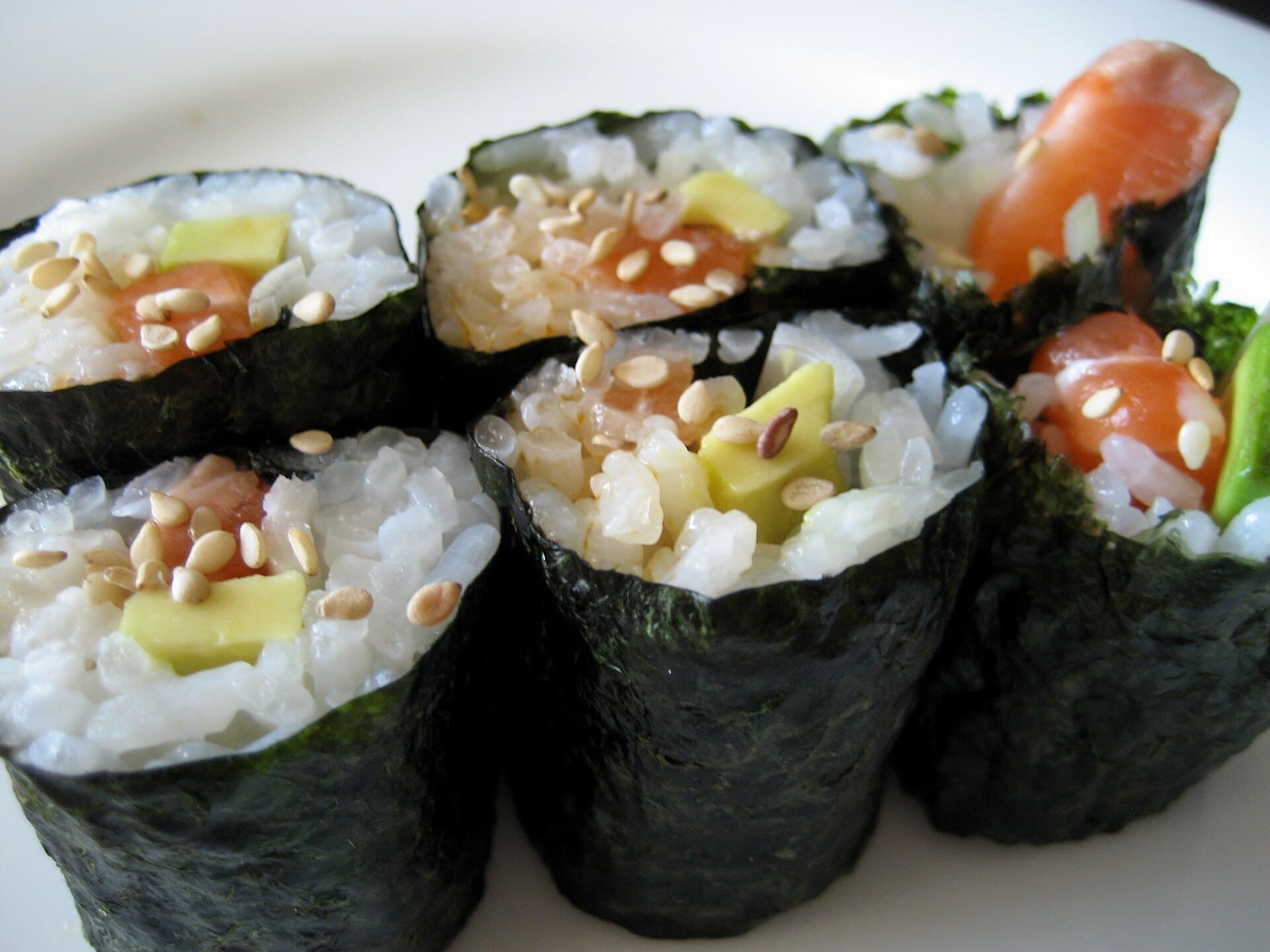
1960s-present
Sushi rolls adapted and embraced in American suburbs, often served in casual settings such as coffee shops and sports gatherings. This recipe reflects the immigrant influence and fusion that characterize contemporary American cuisine from 1990 to 2009.
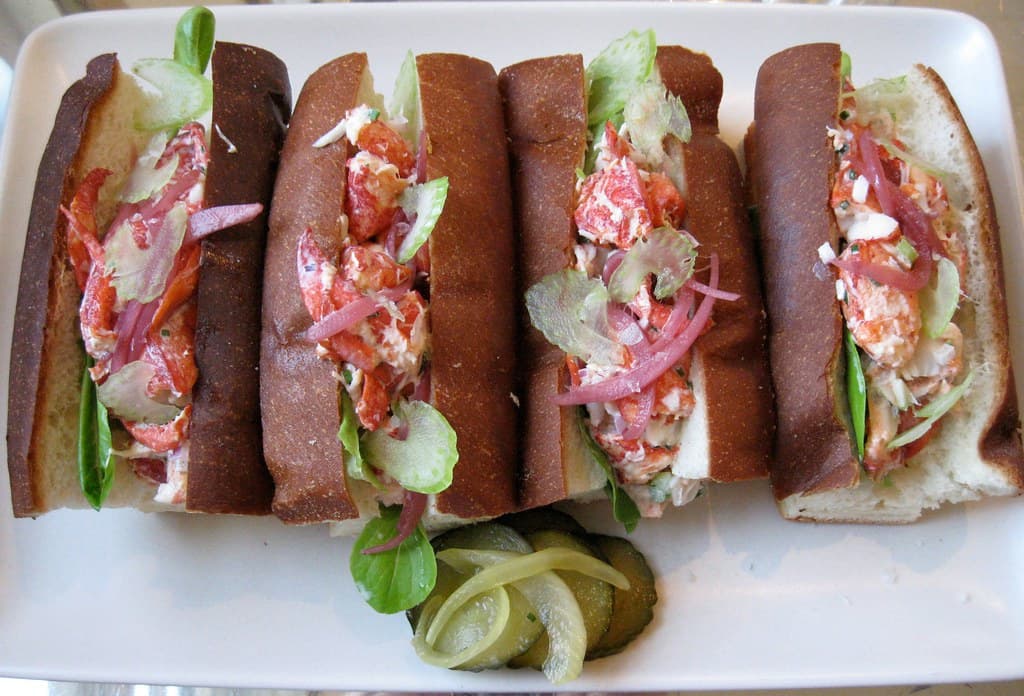
2010-2026
Maine lobster rolls are an iconic New England sandwich featuring tender lobster meat served chilled or warm in a buttered, toasted split-top bun. Since the early 20th century, this sandwich has been a regional favorite at seafood shacks, fairs, and food trucks, embodying the maritime heritage and casual dining culture of the Northeastern United States.