
Recipe archive
Loading
Setting the table...
Fetching the latest recipes from the archive.
Loading
Fetching the latest recipes from the archive.
Recipe archive
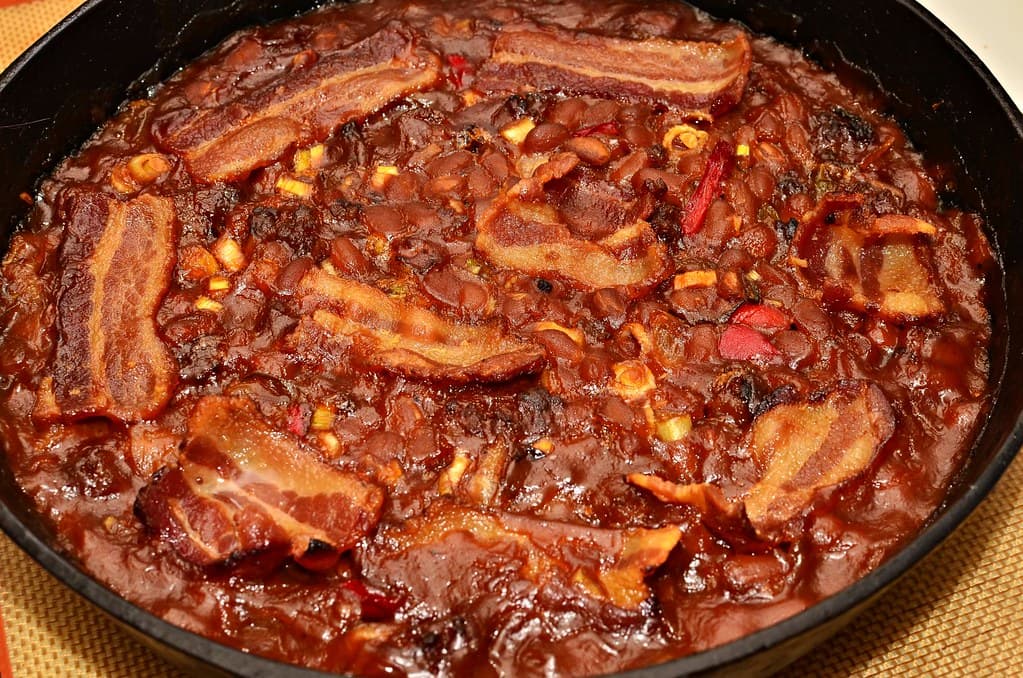
1600s-present - Northeastern Indigenous cooks and New England colonists
A New England-style baked bean pot made with navy beans, molasses, brown sugar, mustard, onion, and salt pork or bacon.
Community-powered photos. Reviewers can upload dish photos, and the highest-rated community image may be featured here.
Difficulty
Medium
Prep time
20 minutes plus soaking
Cook time
4 hours
Total time
4 hours 20 minutes plus soaking
Servings
8
Region
New England and American cookouts
Era introduced
1600s-present
Introduced by
Northeastern Indigenous cooks and New England colonists
Recipe tools
Log in to save this recipe to a collection.
American baked beans have deep roots in Northeastern Indigenous bean cookery, where beans could be sweetened with maple and cooked slowly. New England colonists adapted the dish with molasses from the Atlantic sugar trade and salt pork, turning it into the famous Boston-style bean pot. By the backyard-grill era, baked beans were both a canned convenience and a slow homemade side for ribs, hot dogs, and church suppers.
Share family changes, regional twists, or pantry-friendly adaptations as full community recipes.
Log in to submit a community recipe.
No community recipes yet. Submitted recipes are published right away.
Rate this recipe and share how it worked at your table.
Log in to review this recipe.
No reviews yet. Be the first to rate this recipe.
Recipes matched by era, region, occasion, ingredients, and cultural roots from the archive.
Same era
America's Melting Pot
Barbecue photo coming soon
1600-2026
A foundational Southern barbecue recipe for smoked pork shoulder seasoned with a dry rub and served with a vinegar-forward sauce.
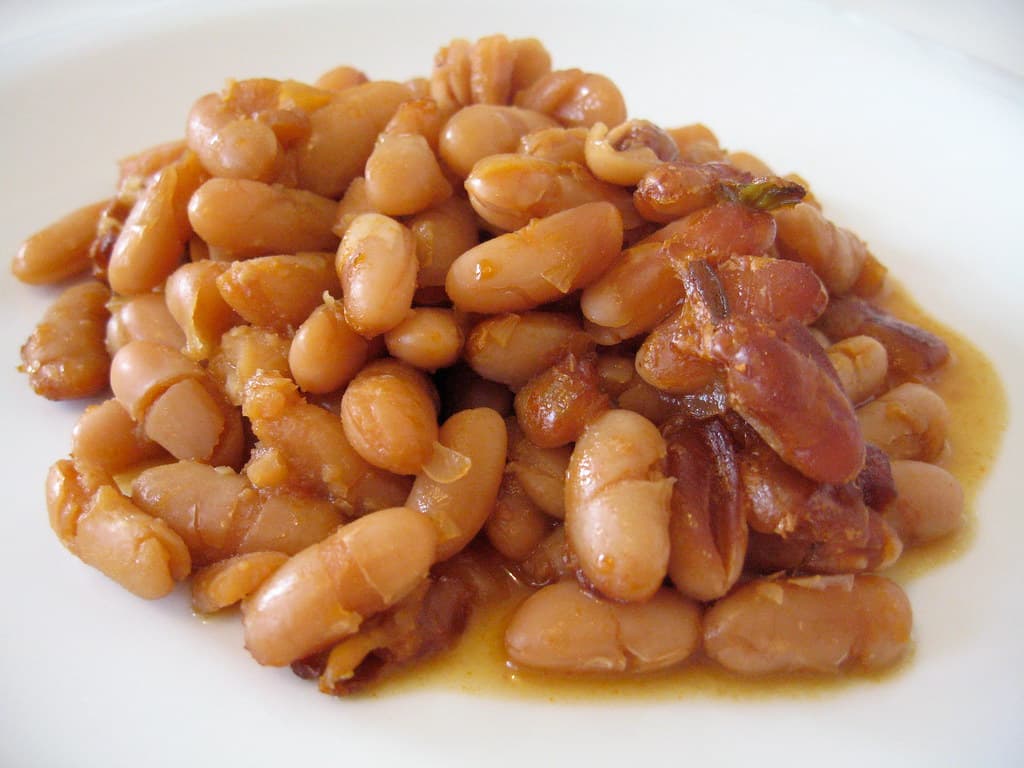
1600-2026
Boston baked beans grew from New England bean cookery, English pork-and-bean traditions, and the colonial availability of molasses through Atlantic trade. The long bake made practical sense for Sabbath observance and cold-weather kitchens, and the dish became one of Boston's defining foods.
America's Melting Pot
Chokecherry Jelly photo coming soon
1600s-present
Chokecherry Jelly is a preserve with real American table personality: Plains, Mountain West, and Indigenous/settler preserving tradition. It brings flavor from coast-to-coast American tables to cookouts, counters, lunch plates, potlucks, and weeknight suppers.
Same region
America's Melting Pot
Acorn Bread photo coming soon
1800-1860
A nutty, lightly sweet quick bread made with properly leached acorn flour, cornmeal, and wheat flour.
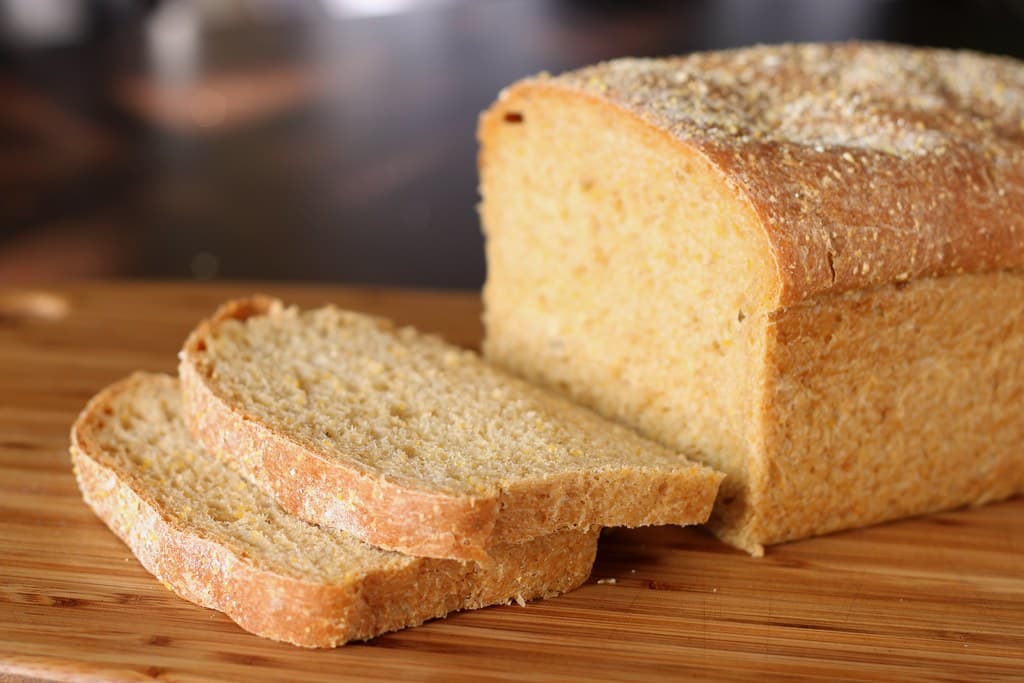
1800s-present
A lightly sweet New England loaf made with cornmeal, molasses, wheat flour, and yeast.
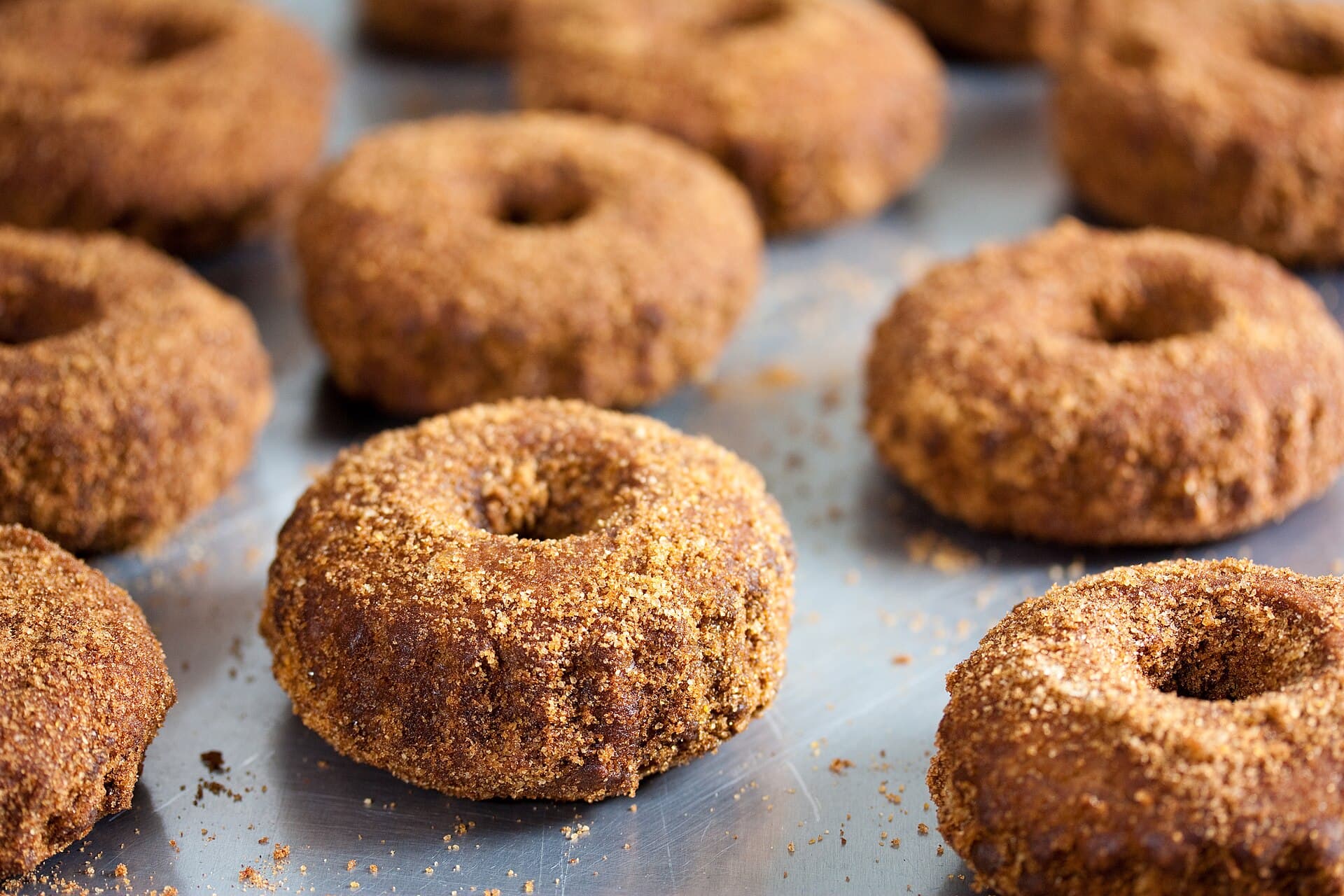
1900s-present
Cake doughnuts flavored with reduced apple cider and rolled in cinnamon sugar.
Same table
1600-2026
Boston baked beans grew from New England bean cookery, English pork-and-bean traditions, and the colonial availability of molasses through Atlantic trade. The long bake made practical sense for Sabbath observance and cold-weather kitchens, and the dish became one of Boston's defining foods.
1900-2026
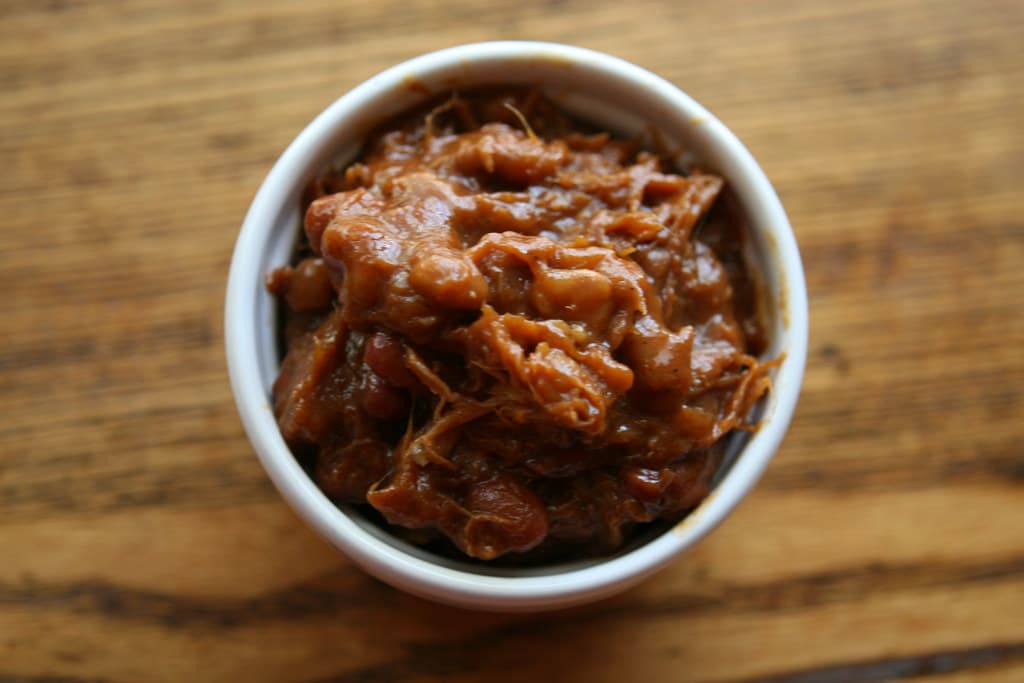
A barbecue side dish of beans baked with bacon, onion, molasses, tomato, brown sugar, mustard, and barbecue sauce until thick and smoky.
1800-2026
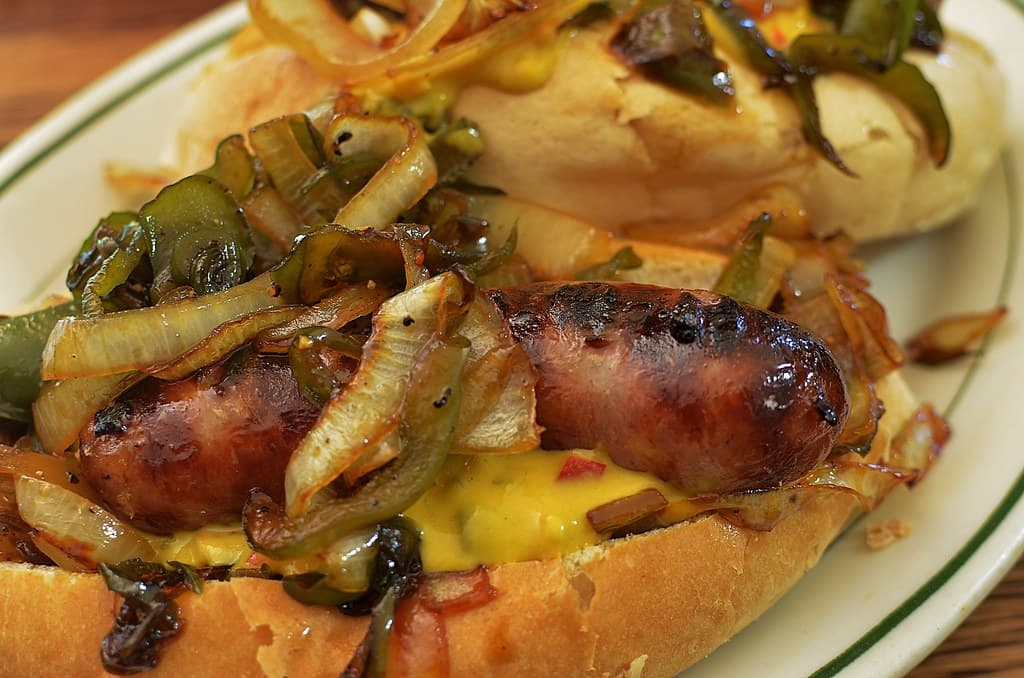
Brats are bratwurst in their American backyard form: pork sausages grilled or beer-simmered, tucked into buns, and served at picnics, tailgates, baseball games, and summer cookouts. Wisconsin made the brat especially visible through German American sausage culture and stadium food.