
Recipe archive
Loading
Setting the table...
Fetching the latest recipes from the archive.
Loading
Fetching the latest recipes from the archive.
Recipe archive
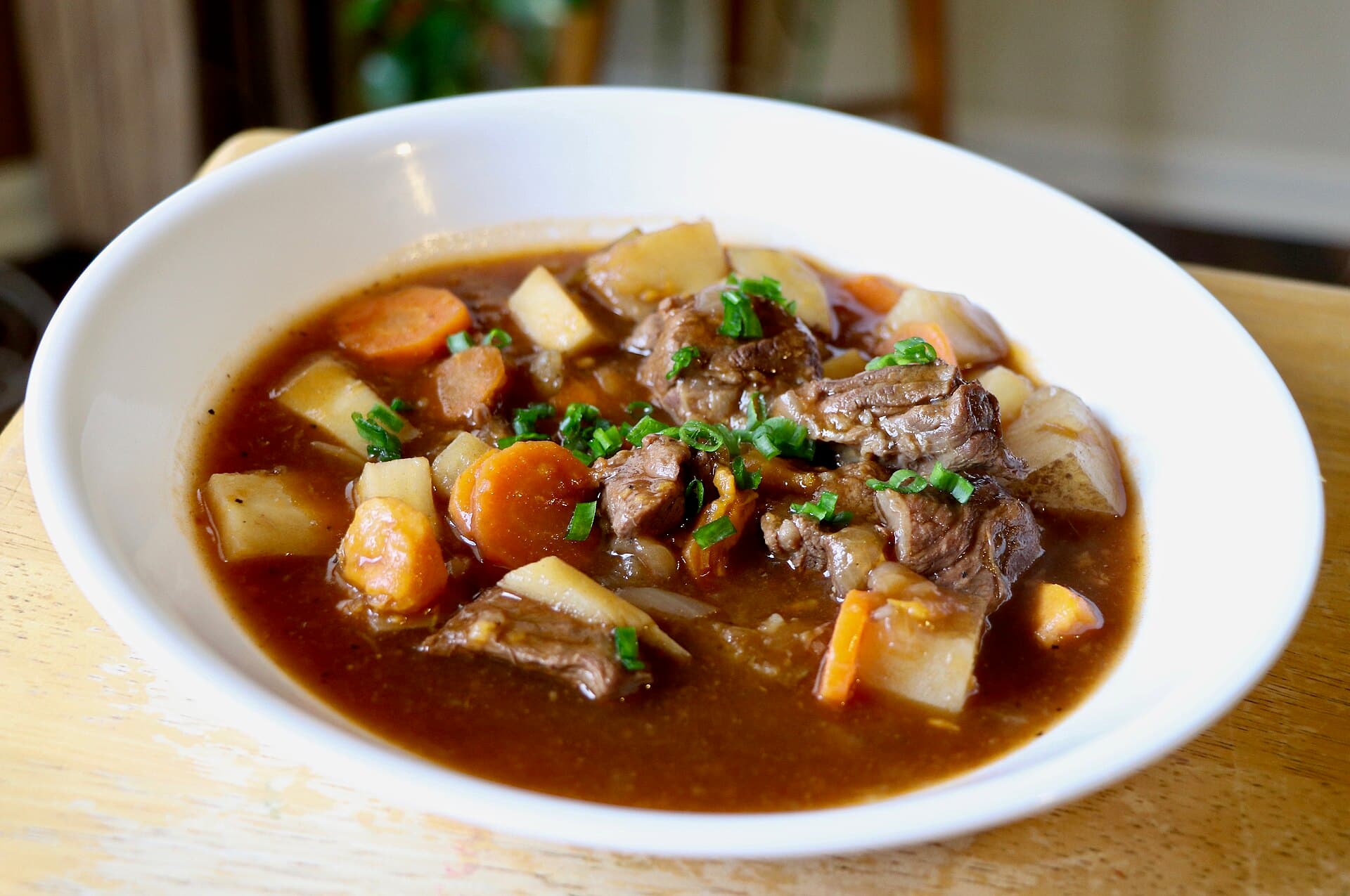
1800s-present - European American home cooks and boardinghouse cooks adapting old-world stews to American beef
Beef stew is old-world pot cooking adapted to American beef country, boardinghouses, and family kitchens. Browning the meat, simmering it gently, and adding vegetables in stages turns inexpensive chuck into a cold-weather meal.
Community-powered photos. Reviewers can upload dish photos, and the highest-rated community image may be featured here.
Difficulty
Easy
Prep time
25 minutes
Cook time
2 hours 30 minutes
Total time
2 hours 55 minutes
Servings
6 servings
Region
Midwest and Great Plains
Era introduced
1800s-present
Introduced by
European American home cooks and boardinghouse cooks adapting old-world stews to American beef
Recipe tools
Log in to save this recipe to a collection.
Stew is one of the most durable ways to make tough cuts tender. In the United States, beef stew became especially at home wherever cattle, root vegetables, and heavy pots met: farm kitchens, boardinghouses, railroad towns, and later weeknight family tables. The all-American version is less about one fixed origin than a technique: brown beef, simmer until tender, and finish with potatoes and vegetables that absorb the gravy.
Share family changes, regional twists, or pantry-friendly adaptations as full community recipes.
Log in to submit a community recipe.
No community recipes yet. Submitted recipes are published right away.
Rate this recipe and share how it worked at your table.
Log in to review this recipe.
No reviews yet. Be the first to rate this recipe.
Recipes matched by era, region, occasion, ingredients, and cultural roots from the archive.
Same era
1800s-present
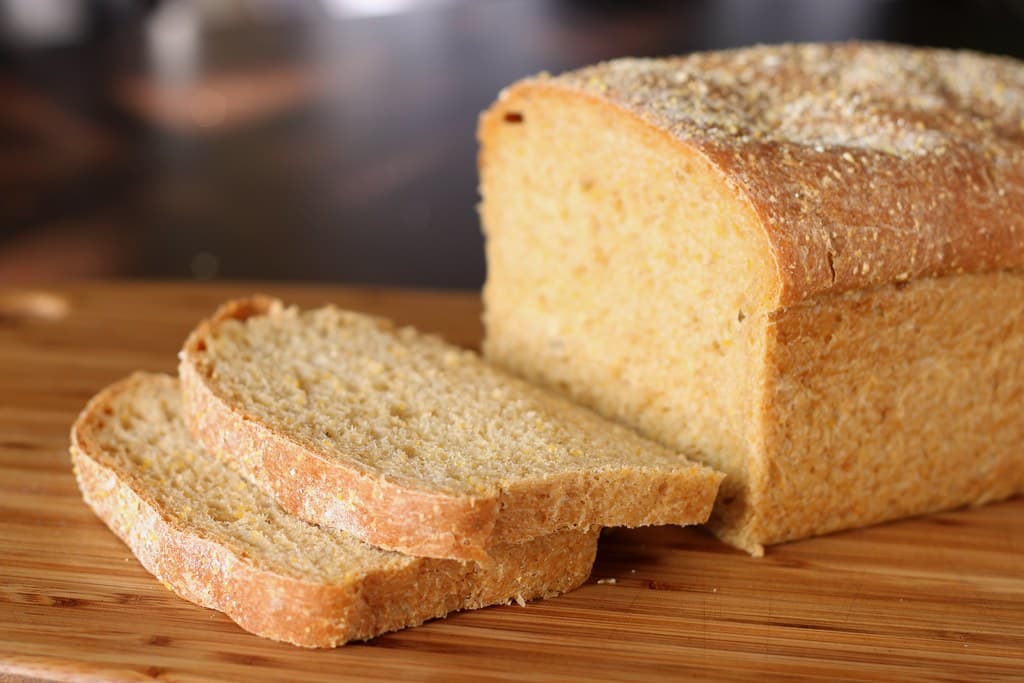
A lightly sweet New England loaf made with cornmeal, molasses, wheat flour, and yeast.
America's Melting Pot
Apple Cake photo coming soon
1800s-present
A tender apple-studded cake with cinnamon, butter, and a simple crumb topping.
1800s-present
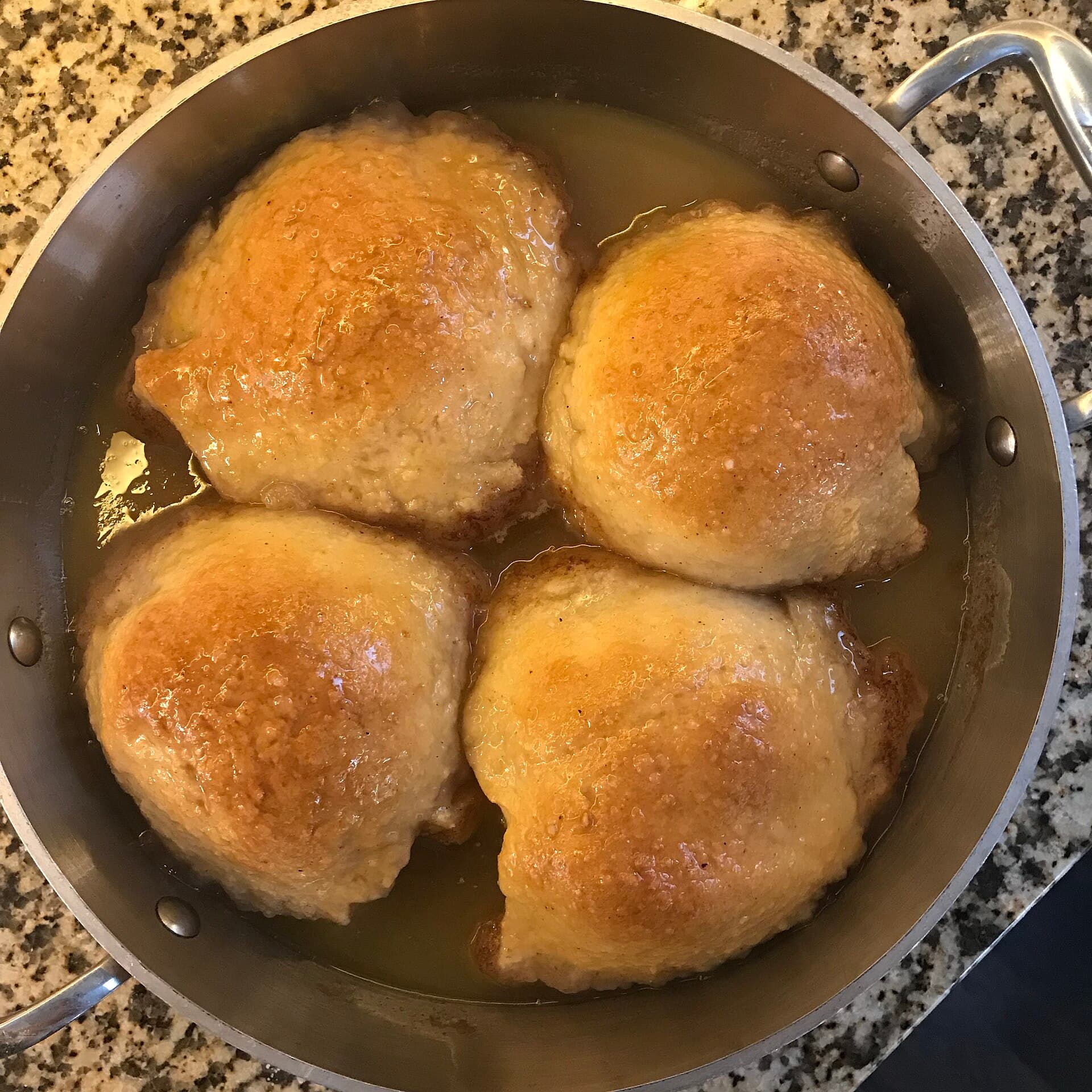
A Pennsylvania Dutch-style dessert of cored apples wrapped in dough and baked with brown sugar syrup.
Same region
America's Melting Pot
BBQ Beef Sandwiches photo coming soon
1970-2026
This sandwich turns pot roast into crowd food: cook beef until it pulls apart, simmer it in barbecue sauce, and serve it from a slow cooker or Dutch oven. It fits the late-20th-century world of booster clubs, church suppers, and game-day tables, where economical roasts could feed a line of hungry fans.
America's Melting Pot
Beef and Noodles photo coming soon
1861-1900
Beef and noodles is plainspoken comfort food: slow-cooked beef, rich broth, and egg noodles served as a main dish or over mashed potatoes. It fits the railroad, boardinghouse, and settlement table because it stretches a roast into a filling meal and reflects German and Amish noodle traditions carried into the Midwest and Great Plains.

1946-1969
Corn casserole is a comforting baked dish combining whole kernel and creamed corn with a custard base, popular in the Midwest and Great Plains from the postwar era through the 1960s.
Same table
America's Melting Pot
Beef and Noodles photo coming soon
1861-1900
Beef and noodles is plainspoken comfort food: slow-cooked beef, rich broth, and egg noodles served as a main dish or over mashed potatoes. It fits the railroad, boardinghouse, and settlement table because it stretches a roast into a filling meal and reflects German and Amish noodle traditions carried into the Midwest and Great Plains.
America's Melting Pot
Boiled Dinner photo coming soon
1800-2026
New England boiled dinner is practical one-pot cooking shaped by salt meat, root cellars, cabbage, and later Irish American corned beef traditions. It remains strongly tied to St. Patrick Day in the United States but is older and broader than the holiday plate.
1900-2026
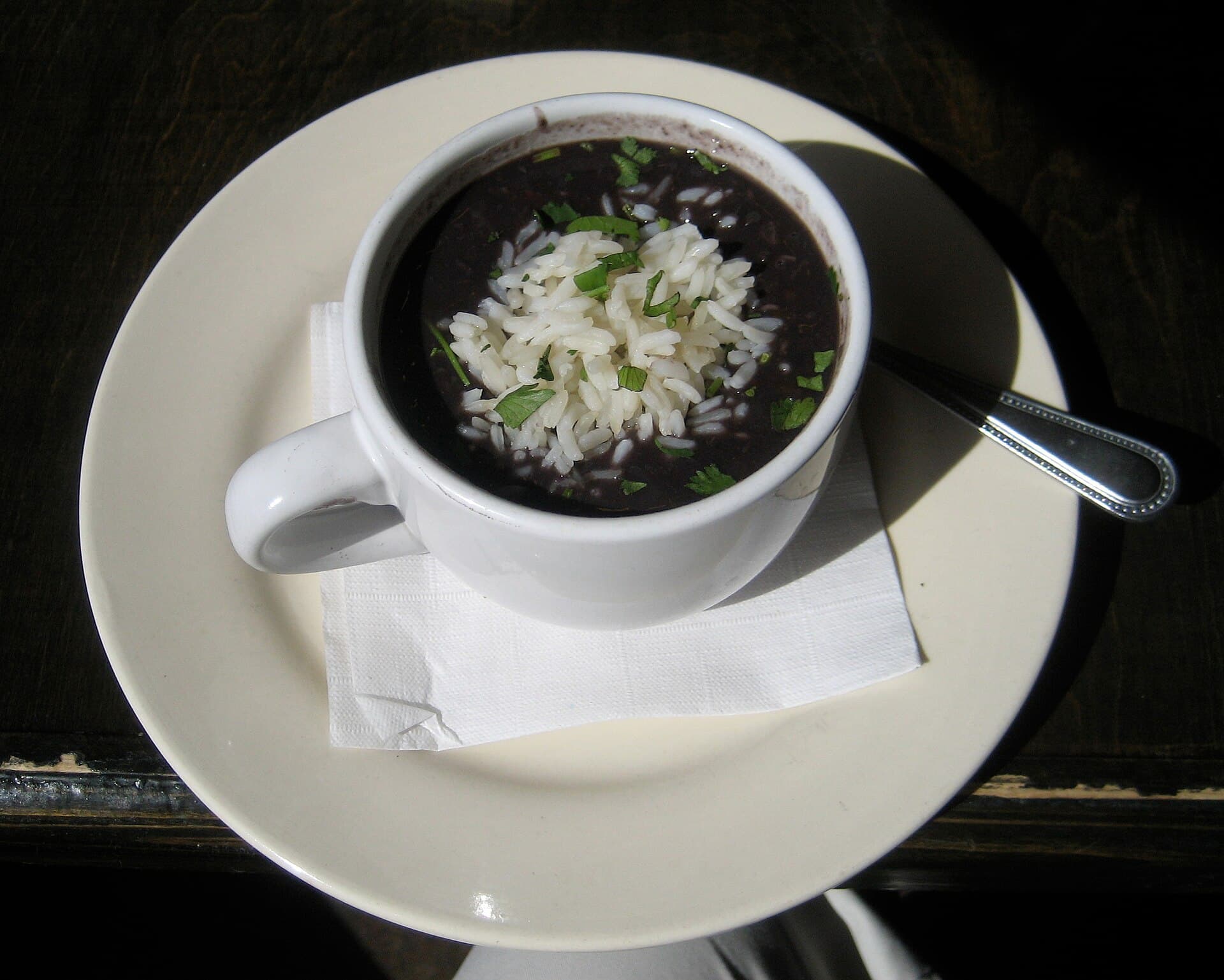
Black bean soup connects Caribbean, Spanish, and Cuban cooking traditions with American tables through Florida, Cuban American restaurants, and home kitchens. It is economical, filling, and deeply flavored when the beans are simmered slowly.