
Recipe archive
Loading
Setting the table...
Fetching the latest recipes from the archive.
Loading
Fetching the latest recipes from the archive.
Recipe archive
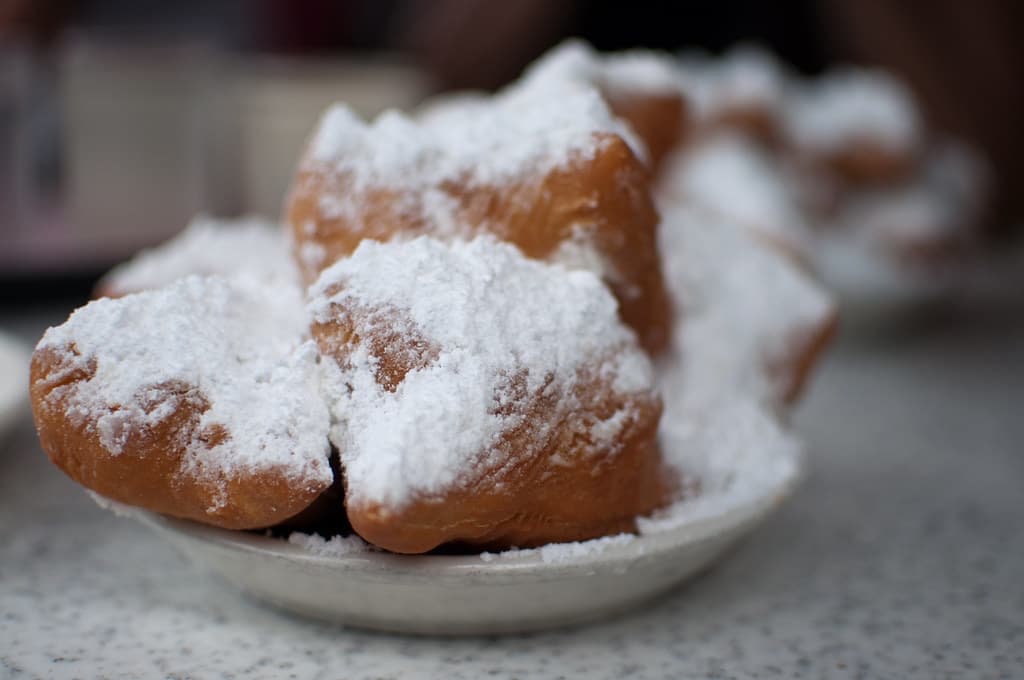
1700s-present - French Acadians and New Orleans coffee-stand cooks
Beignets carry French and Acadian roots into Louisiana, where New Orleans coffee stands made them a breakfast and late-night ritual. The familiar square, sugar-dusted version is now inseparable from cafe au lait and the French Quarter.
Community-powered photos. Reviewers can upload dish photos, and the highest-rated community image may be featured here.
Difficulty
Moderate
Prep time
25 minutes plus rising
Cook time
20 minutes
Total time
45 minutes plus rising
Servings
24 beignets
Region
New Orleans, Louisiana
Era introduced
1700s-present
Introduced by
French Acadians and New Orleans coffee-stand cooks
Recipe tools
Log in to save this recipe to a collection.
The beignet is a French fritter that became one of New Orleans most recognizable foods through Acadian settlement, French Quarter coffee stands, and tourism. Louisiana named it the official state doughnut, but the appeal is practical and immediate: tender yeast dough, hot oil, and a snowdrift of powdered sugar. Serve beignets fresh; they are at their best minutes after frying.
Share family changes, regional twists, or pantry-friendly adaptations as full community recipes.
Log in to submit a community recipe.
No community recipes yet. Submitted recipes are published right away.
Rate this recipe and share how it worked at your table.
Log in to review this recipe.
No reviews yet. Be the first to rate this recipe.
Recipes matched by era, region, occasion, ingredients, and cultural roots from the archive.
Same era
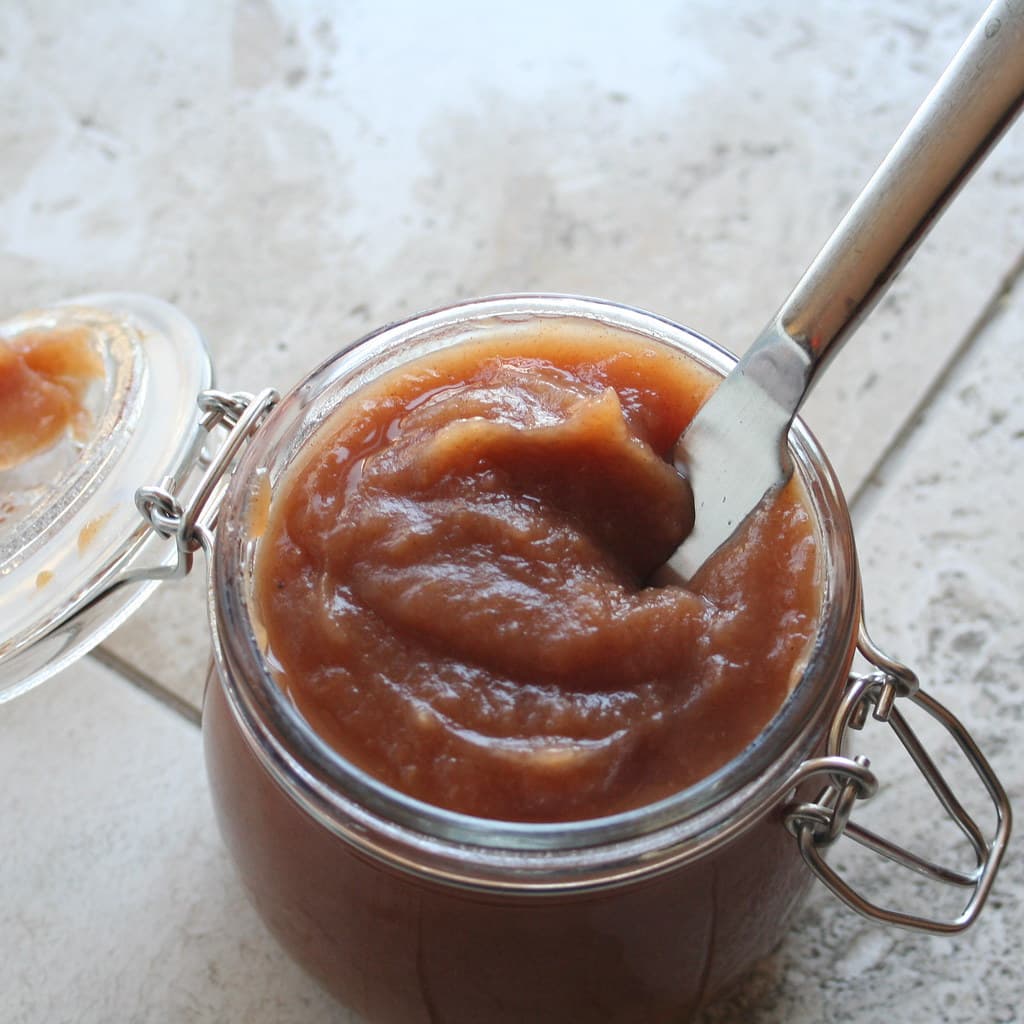
1700s-present
Apples cooked down with cider, sugar, and warm spices into a dark, spreadable fruit butter.
America's Melting Pot
Apple Butter on Biscuits photo coming soon
1700s-present
Warm buttermilk biscuits split and served with butter and spiced apple butter.
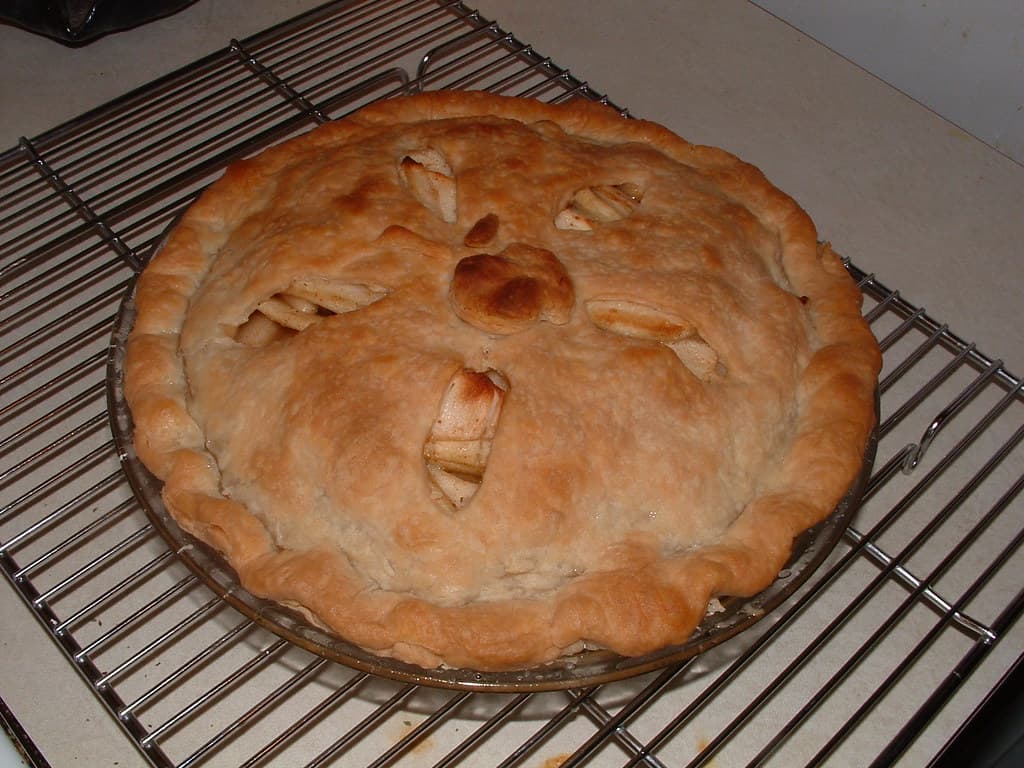
1700s-present
A double-crust apple pie with cinnamon-spiced apples and a flaky butter crust.
Same region
America's Melting Pot
Cajun Boil Butter photo coming soon
1900s-present
Cajun Boil Butter is a spread with real American table personality: Gulf Coast seafood boil table sauce. It brings flavor from the American South to cookouts, counters, lunch plates, potlucks, and weeknight suppers.
America's Melting Pot
Cajun Seafood Boil Bags photo coming soon
2000-2026
Cajun seafood boil bags grew from Gulf Coast seafood boils and the Viet-Cajun restaurant boom in Louisiana, Texas, and Houston. The modern bag format lets diners shake boiled seafood with a rich garlic-butter sauce and spice level chosen at the table.
America's Melting Pot
Comeback Sauce for Fried Seafood photo coming soon
1900s-present
Comeback Sauce for Fried Seafood is a seafood sauce with real American table personality: Mississippi and Gulf Coast fried shrimp/oyster sauce. It brings flavor from the American South to cookouts, counters, lunch plates, potlucks, and weeknight suppers.
Same table
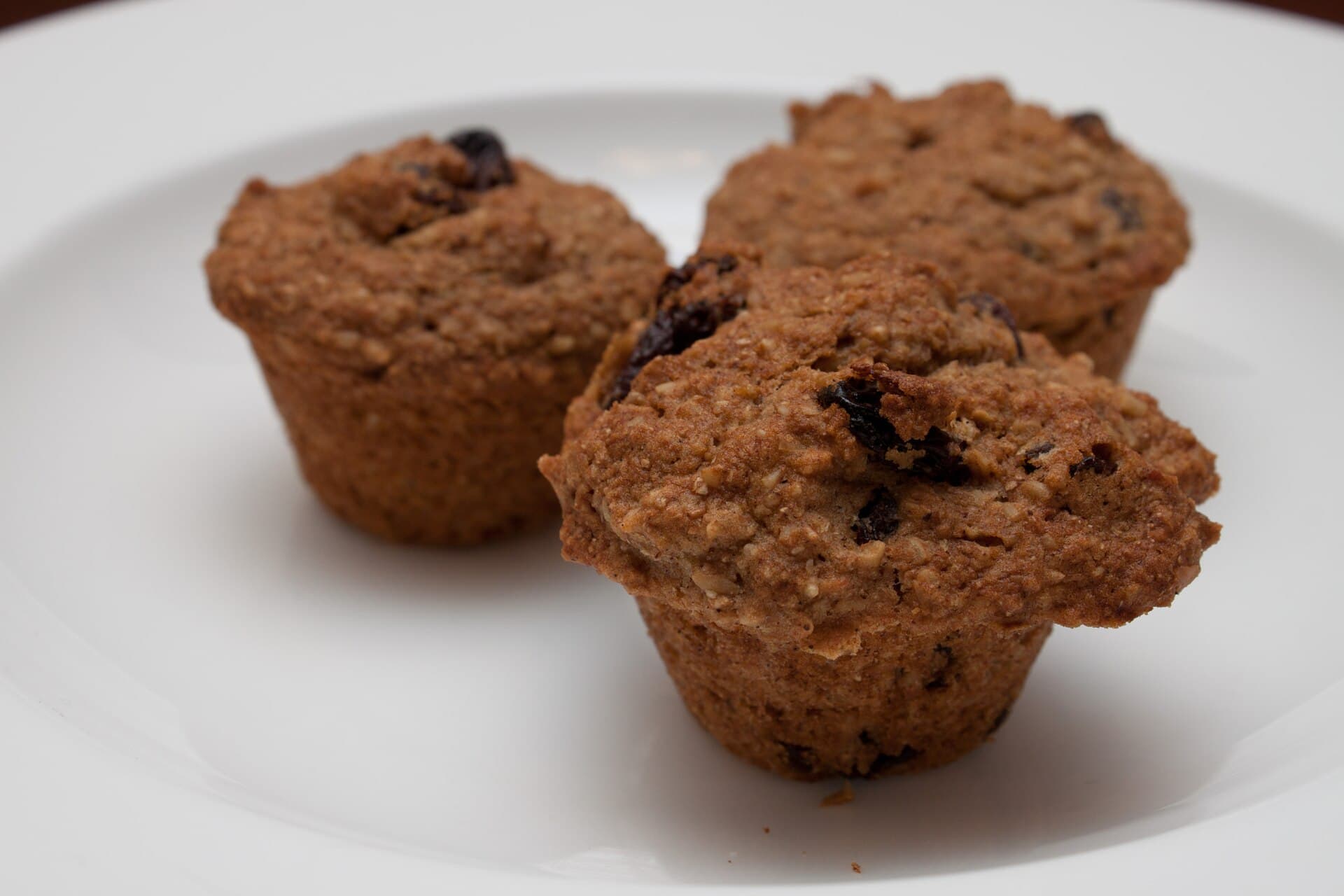
1916-2026
Bran muffins became part of American breakfast culture through cereal marketing, home economics, and recurring waves of interest in fiber and wholesome baking. They can be plain and practical or sweetened with raisins, molasses, honey, or brown sugar.
early 1900s-present
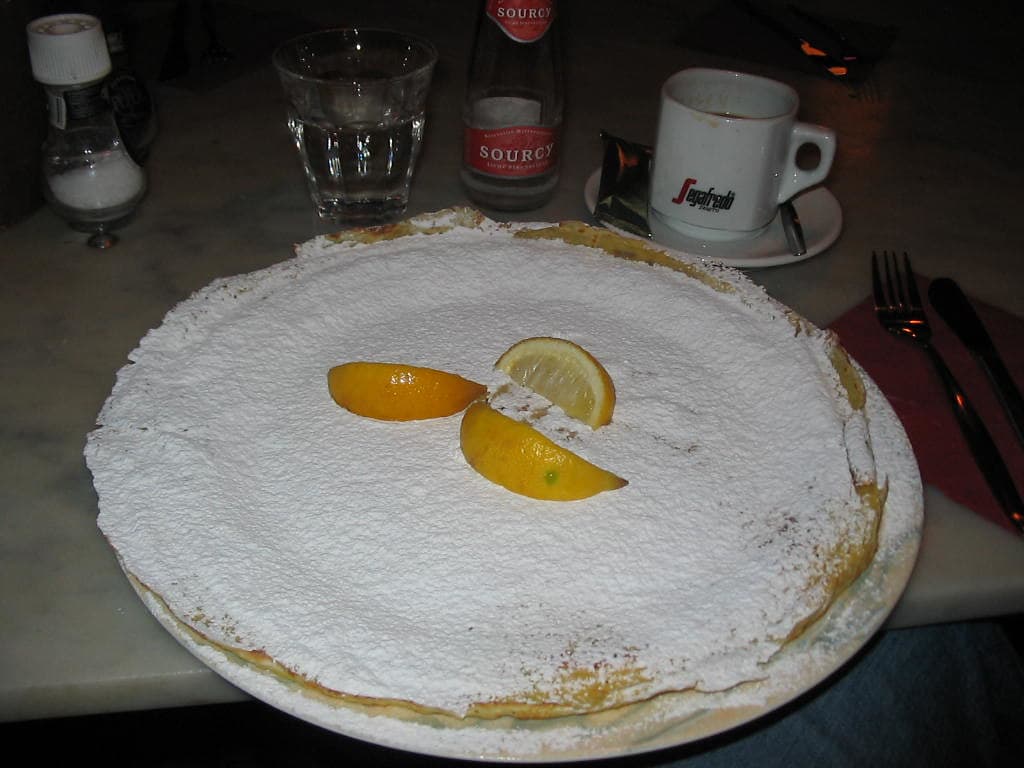
The Dutch Baby is a large, puffy, oven-baked pancake known for its golden, crisp edges and soft, custardy center. It is typically flavored with lemon or powdered sugar and served hot. Thought to have origins tied to German pancakes and popularized in American brunch culture, it offers a simple yet impressive breakfast treat.
America's Melting Pot
Biscuits and Gravy photo coming soon
1800-2026
Biscuits and gravy grew from practical working food: cheap flour biscuits, pork drippings, milk, and enough richness to carry a hard morning. Modern sausage gravy is the familiar diner version, but older versions often used salt pork or any available pork fat.