
Recipe archive
Loading
Setting the table...
Fetching the latest recipes from the archive.
Loading
Fetching the latest recipes from the archive.
Recipe archive
America's Melting Pot
Cajun Seafood Boil Bags hero image coming soon
2000s-present - Cajun seafood cooks and Vietnamese Gulf Coast restaurateurs popularizing garlic-butter boil bags
Cajun seafood boil bags grew from Gulf Coast seafood boils and the Viet-Cajun restaurant boom in Louisiana, Texas, and Houston. The modern bag format lets diners shake boiled seafood with a rich garlic-butter sauce and spice level chosen at the table.
No featured photo yet. Upload a photo with your review. The highest-rated community photo may become this recipe's hero image.
Difficulty
Moderate
Prep time
25 minutes
Cook time
35 minutes
Total time
1 hour
Servings
4 servings
Region
Gulf Coast, Houston, Louisiana, and seafood boil restaurants
Era introduced
2000s-present
Introduced by
Cajun seafood cooks and Vietnamese Gulf Coast restaurateurs popularizing garlic-butter boil bags
Recipe tools
Log in to save this recipe to a collection.
The boil bag is a modern service style built for messy, shared eating. Seafood and vegetables are boiled separately, then sealed or tossed with a buttery, garlicky Cajun or Viet-Cajun sauce. Vietnamese immigrants on the Gulf Coast helped reshape crawfish and seafood boil culture by adding garlic butter, citrus, lemongrass, and bold sauces to traditional Louisiana boil flavors. This home version uses oven-safe bags or a large covered bowl for tossing rather than restaurant equipment.
Share family changes, regional twists, or pantry-friendly adaptations as full community recipes.
Log in to submit a community recipe.
No community recipes yet. Submitted recipes are published right away.
Rate this recipe and share how it worked at your table.
Log in to review this recipe.
No reviews yet. Be the first to rate this recipe.
Recipes matched by era, region, occasion, ingredients, and cultural roots from the archive.
Same era
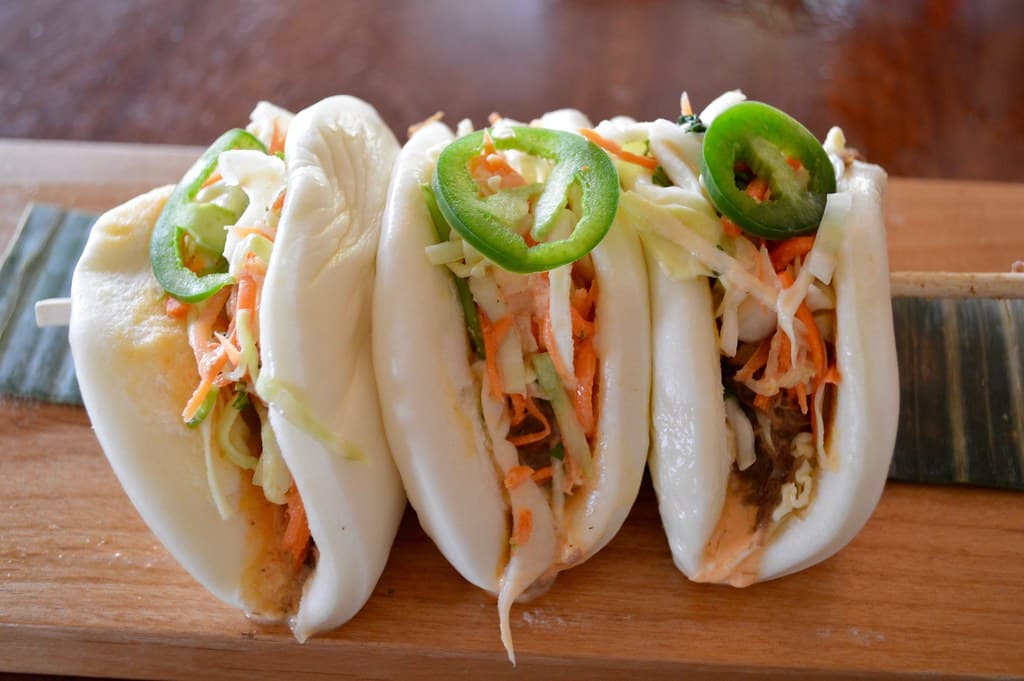
2003-2026
Soft steamed buns filled with pork belly or tofu, hoisin, cucumber, scallions, pickles, and peanuts, framed as a Taiwanese gua bao-inspired American restaurant favorite.
America's Melting Pot
Blueberry Slab Pie photo coming soon
2000-2026
Slab pie takes the American fruit pie and turns it into potluck architecture: more servings, easier transport, and plenty of crust. A blueberry version fits summer celebrations, church suppers, and Fourth of July tables.
America's Melting Pot
ABC Juice photo coming soon
1970s-present
ABC Juice brings juice-bar color and American smoothie-counter energy to the glass: Apple, beet, carrot.
Same region
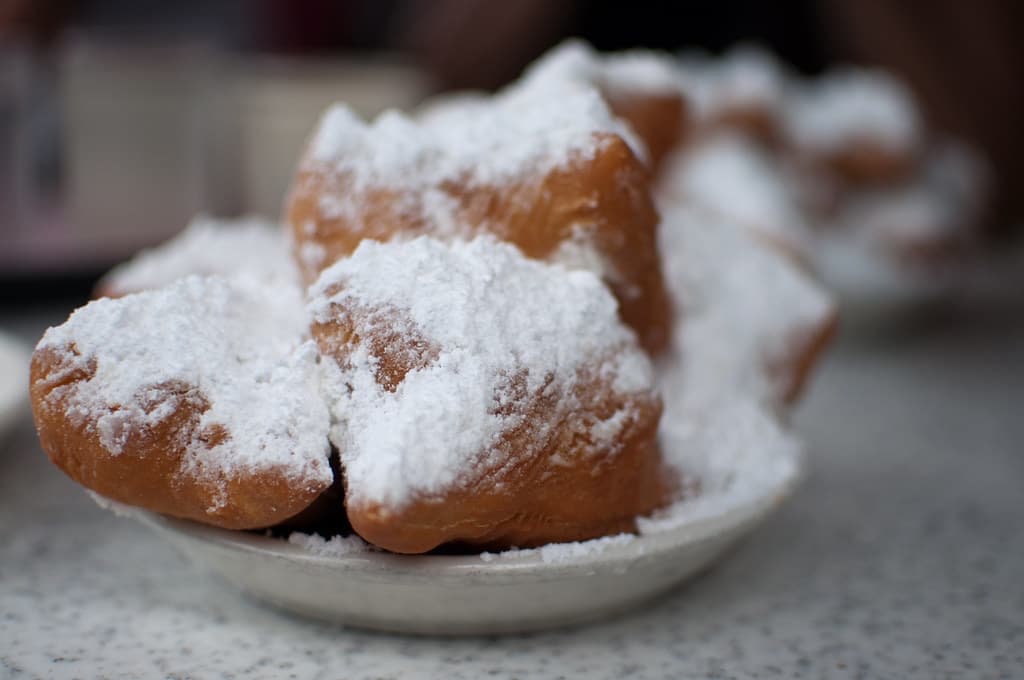
1700-2026
Beignets carry French and Acadian roots into Louisiana, where New Orleans coffee stands made them a breakfast and late-night ritual. The familiar square, sugar-dusted version is now inseparable from cafe au lait and the French Quarter.
America's Melting Pot
Cajun Boil Butter photo coming soon
1900s-present
Cajun Boil Butter is a spread with real American table personality: Gulf Coast seafood boil table sauce. It brings flavor from the American South to cookouts, counters, lunch plates, potlucks, and weeknight suppers.
America's Melting Pot
Comeback Sauce for Fried Seafood photo coming soon
1900s-present
Comeback Sauce for Fried Seafood is a seafood sauce with real American table personality: Mississippi and Gulf Coast fried shrimp/oyster sauce. It brings flavor from the American South to cookouts, counters, lunch plates, potlucks, and weeknight suppers.
Same table
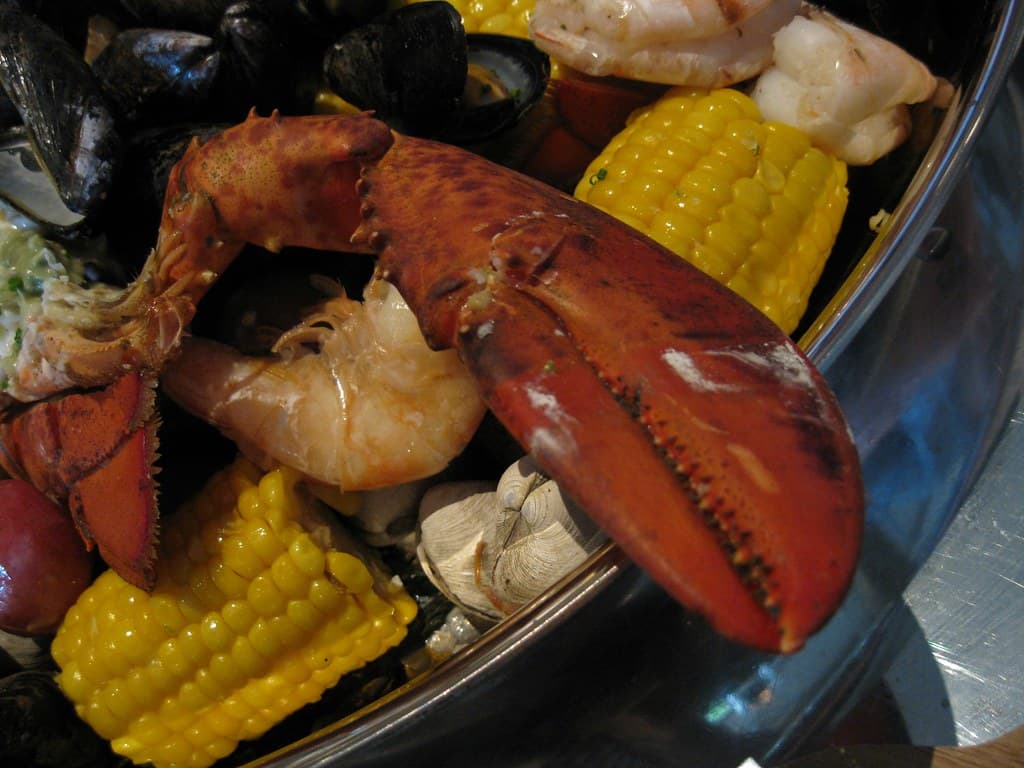
post-Civil War-present
Clam Bake is a communal outdoor cooking method from New England that involves steaming clams, fish, corn, potatoes, and sometimes other shellfish in a pit or pot layered with seaweed. This method celebrates coastal regional ingredients and social dining, historically practiced by Native Americans and adopted by European settlers to feature the bounty of the Atlantic. It remains a hallmark of summer gatherings and fishing camp meals in New England.
America's Melting Pot
Bison Stew photo coming soon
precontact-present
Bison stew can be a modern way to honor older Indigenous food relationships when it is framed carefully. Bison supplied meat, fat, hides, tools, and ceremony for many Plains nations; corn, beans, and squash add a broader Native agricultural foundation.
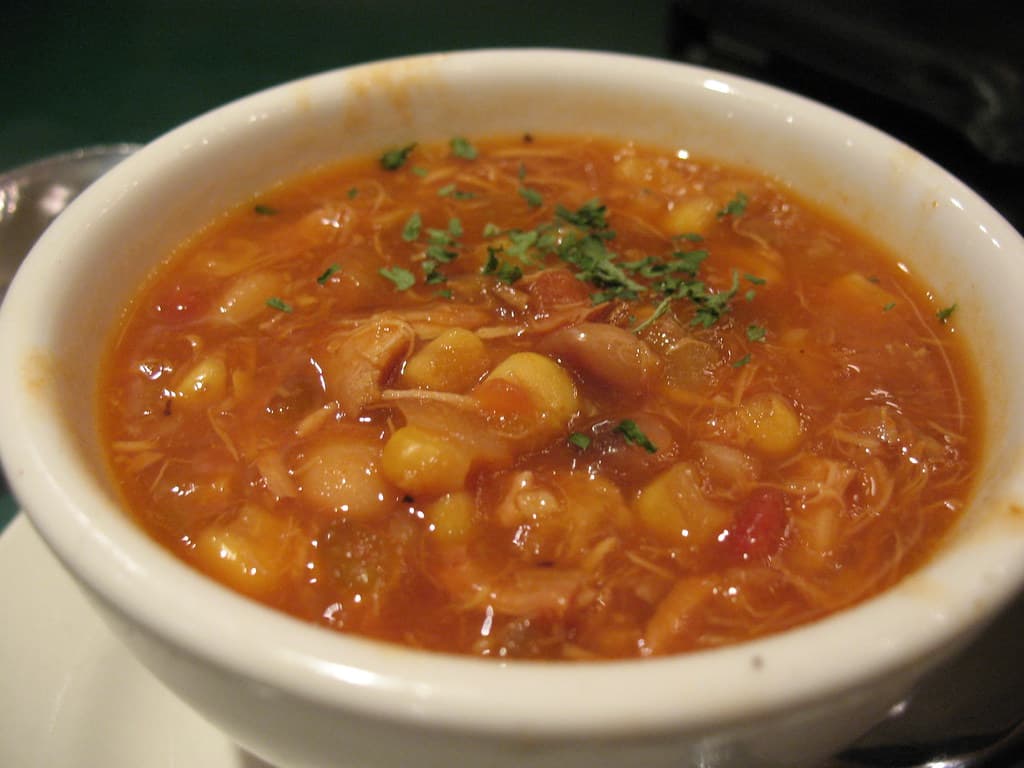
1828-2026
Brunswick stew has competing origin claims in Virginia and Georgia, and older roots in Southeastern stews that combined meat and corn. Modern versions are often linked to barbecue restaurants, church fundraisers, hunting camps, and community kettles.