
Recipe archive
Loading
Setting the table...
Fetching the latest recipes from the archive.
Loading
Fetching the latest recipes from the archive.
Recipe archive
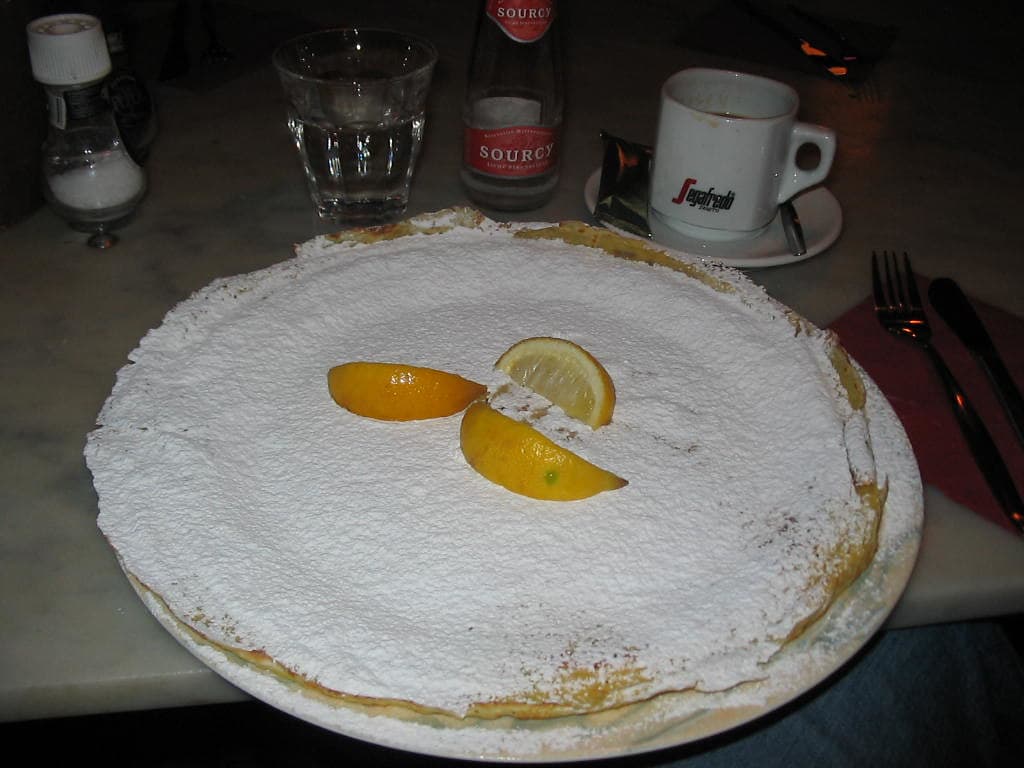
1900-1929 - German-American immigrant cooks and American brunch restaurants.
The Dutch Baby is a large, puffy, oven-baked pancake known for its golden, crisp edges and soft, custardy center. It is typically flavored with lemon or powdered sugar and served hot. Thought to have origins tied to German pancakes and popularized in American brunch culture, it offers a simple yet impressive breakfast treat.
Community-powered photos. Reviewers can upload dish photos, and the highest-rated community image may be featured here.
Difficulty
Medium
Prep time
10 minutes
Cook time
20 minutes
Total time
30 minutes
Servings
2-4
Region
Seattle, Washington
Era introduced
1900-1929
Introduced by
German-American immigrant cooks and American brunch restaurants.
Recipe tools
Log in to save this recipe to a collection.
The Dutch Baby pancake, sometimes linked to German Pancake origins but popularized in American kitchens, especially on the West Coast, is a theatrical oven-baked breakfast dish. It likely evolved from German immigrant cooking traditions adapting to American tastes, offering a quick yet impressive morning treat with a delicate texture and a puffed, crinkly crust. Its name, somewhat misleadingly, does not directly relate to the Netherlands but reflects the affectionate Americanization of immigrant food cultures.
Share family changes, regional twists, or pantry-friendly adaptations as full community recipes.
Log in to submit a community recipe.
No community recipes yet. Submitted recipes are published right away.
Rate this recipe and share how it worked at your table.
Log in to review this recipe.
No reviews yet. Be the first to rate this recipe.
Recipes matched by era, region, occasion, ingredients, and cultural roots from the archive.
Same era
America's Melting Pot
American French Dressing photo coming soon
1900s-present
American French Dressing is a dressing with real American table personality: The bright orange-red, sweet, tomatoey bottled dressing Americans call "French." Not very French, very American. It brings flavor from coast-to-coast American tables to cookouts, counters, lunch plates, potlucks, and weeknight suppers.
America's Melting Pot
Apple Pie Shake photo coming soon
1922-present
Apple Pie Shake brings drive-in, carhop, and fast-food dessert-counter energy to the table: Diner pie a la mode in a cup.
America's Melting Pot
Avgolemono Soup photo coming soon
1900-1929
A silky Greek-American chicken, rice, egg, and lemon soup made by tempering eggs into hot broth for a creamy dairy-free finish.
Same region
America's Melting Pot
Teriyaki Bowls photo coming soon
1976-present
Teriyaki Bowls are a popular West Coast dish featuring marinated teriyaki-glazed meats served over rice with vegetables. This dish exemplifies the fusion of Asian flavors and American tastes prevalent on the West Coast. Customizable and convenient, Teriyaki Bowls reflect the region's culinary diversity and casual dining culture.
America's Melting Pot
Acai Bowl Smoothie Base photo coming soon
1970s-present
Acai Bowl Smoothie Base brings juice-bar color and American smoothie-counter energy to the glass: California/Hawaii/fitness culture.
America's Melting Pot
Air Fryer Brussels Sprouts photo coming soon
2010s-present
Trimmed Brussels sprouts air-fried with a little oil until crisp at the edges and tender in the center.
Same table
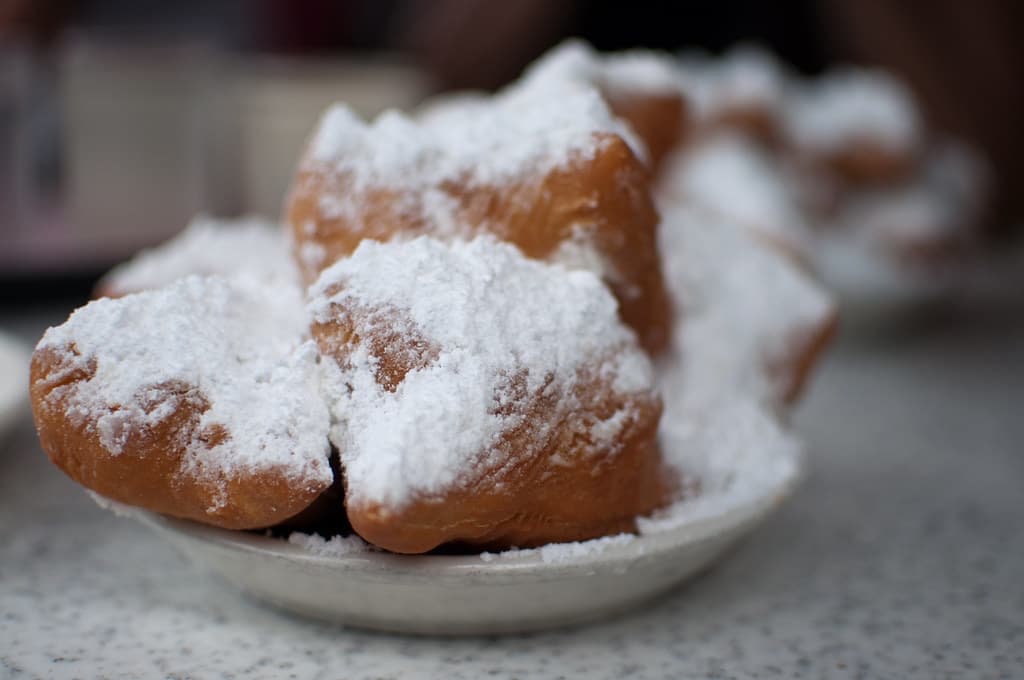
1700-2026
Beignets carry French and Acadian roots into Louisiana, where New Orleans coffee stands made them a breakfast and late-night ritual. The familiar square, sugar-dusted version is now inseparable from cafe au lait and the French Quarter.
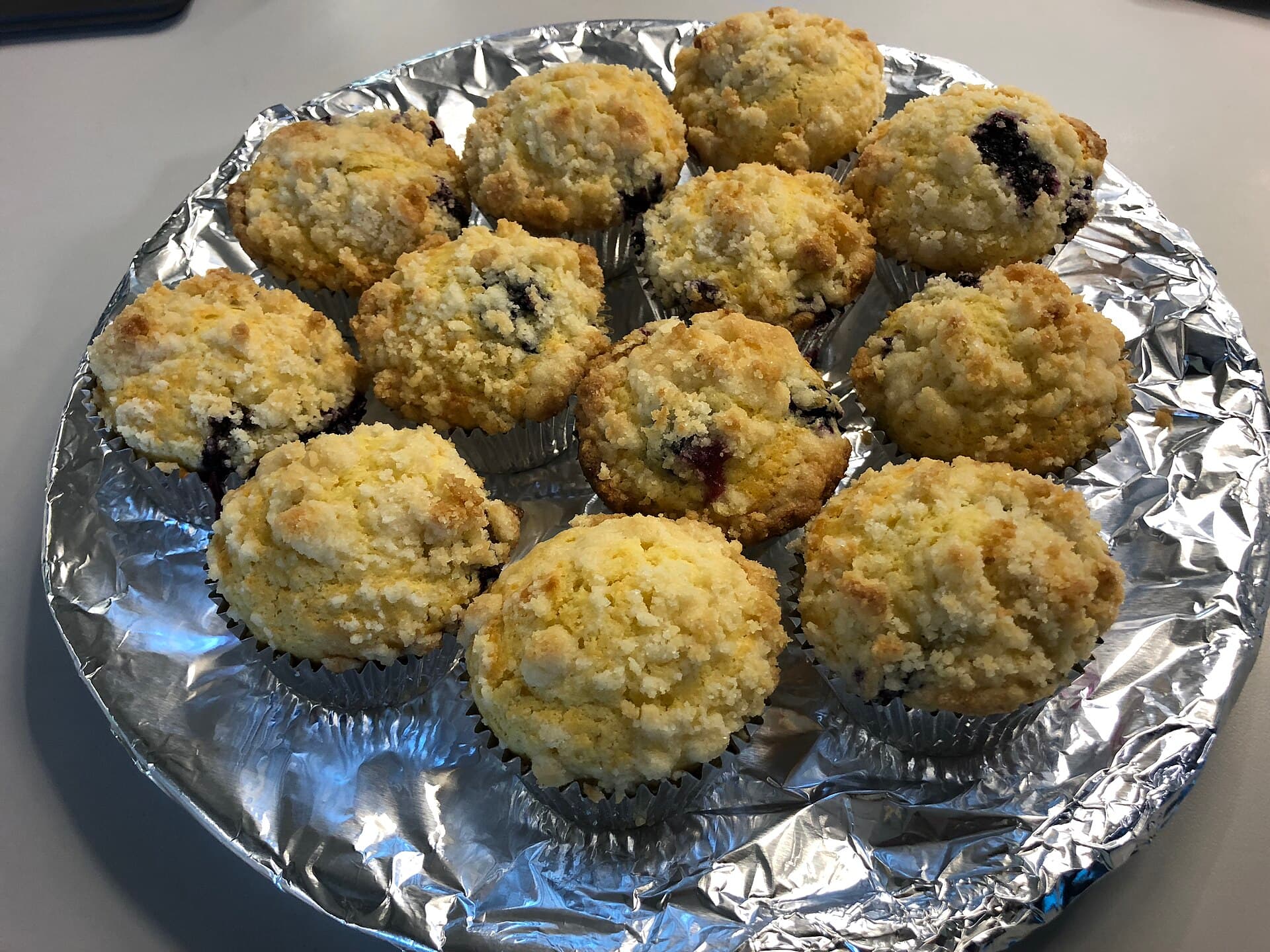
1900-2026
Blueberry muffins are everyday American breakfast baking, but Boston gave them a particular legend through Jordan Marsh department store. The oversized, sugar-topped muffin became a coffee-shop and bakery standard long after the department store disappeared.
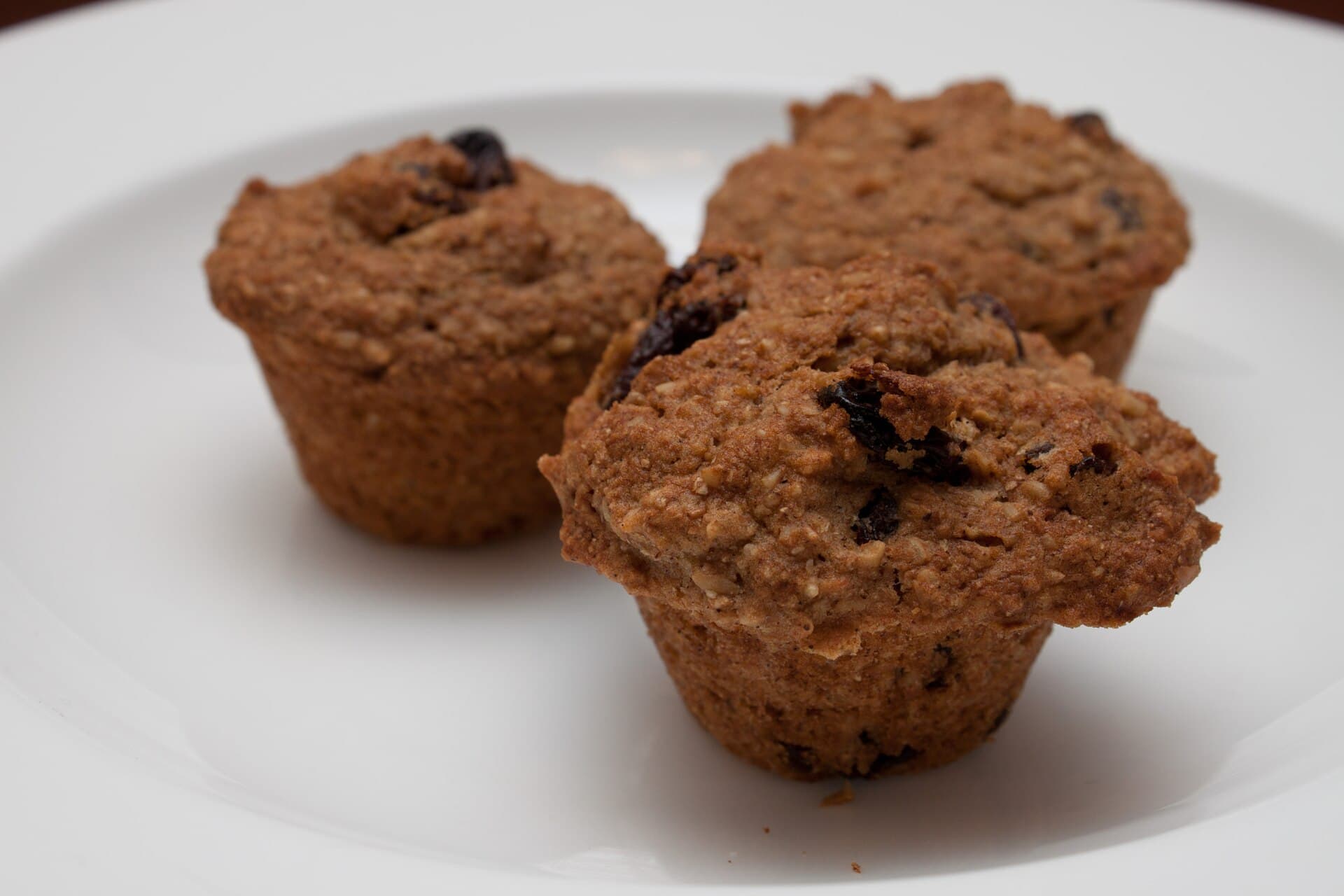
1916-2026
Bran muffins became part of American breakfast culture through cereal marketing, home economics, and recurring waves of interest in fiber and wholesome baking. They can be plain and practical or sweetened with raisins, molasses, honey, or brown sugar.