
Recipe archive
Loading
Setting the table...
Fetching the latest recipes from the archive.
Loading
Fetching the latest recipes from the archive.
Recipe archive
America's Melting Pot
Bierocks hero image coming soon
1870s-present - Volga German immigrants settling Kansas, Nebraska, and the Great Plains
Bierocks traveled with Volga German communities into Kansas, Nebraska, and the Great Plains. They are field food and comfort food at once: portable bread pockets filled with seasoned beef and cabbage, closely related to Nebraska runzas.
No featured photo yet. Upload a photo with your review. The highest-rated community photo may become this recipe's hero image.
Difficulty
Moderate
Prep time
45 minutes plus rising
Cook time
30 minutes
Total time
1 hour 15 minutes plus rising
Servings
12 bierocks
Region
Great Plains
Era introduced
1870s-present
Introduced by
Volga German immigrants settling Kansas, Nebraska, and the Great Plains
Recipe tools
Log in to save this recipe to a collection.
Bierocks are part of the Volga German food story on the American Plains. German-speaking settlers who had lived along the Volga River brought filled-bread traditions to Kansas, Nebraska, and nearby states in the late 19th century. The filling is practical farm food: ground beef, cabbage, onion, and pepper sealed inside a soft yeast dough. In Nebraska, the runza became the famous restaurant-chain version, but home bierocks remain a regional marker of immigrant memory.
Share family changes, regional twists, or pantry-friendly adaptations as full community recipes.
Log in to submit a community recipe.
No community recipes yet. Submitted recipes are published right away.
Rate this recipe and share how it worked at your table.
Log in to review this recipe.
No reviews yet. Be the first to rate this recipe.
Recipes matched by era, region, occasion, ingredients, and cultural roots from the archive.
Same era
America's Melting Pot
Boiled Coffee Cake photo coming soon
1870-2026
Older American coffee cakes sometimes actually contained coffee. Recipes using cold boiled coffee, molasses, raisins, and spice appeared in late-19th and early-20th-century cookbooks, making a sturdy loaf cake for the coffee table.
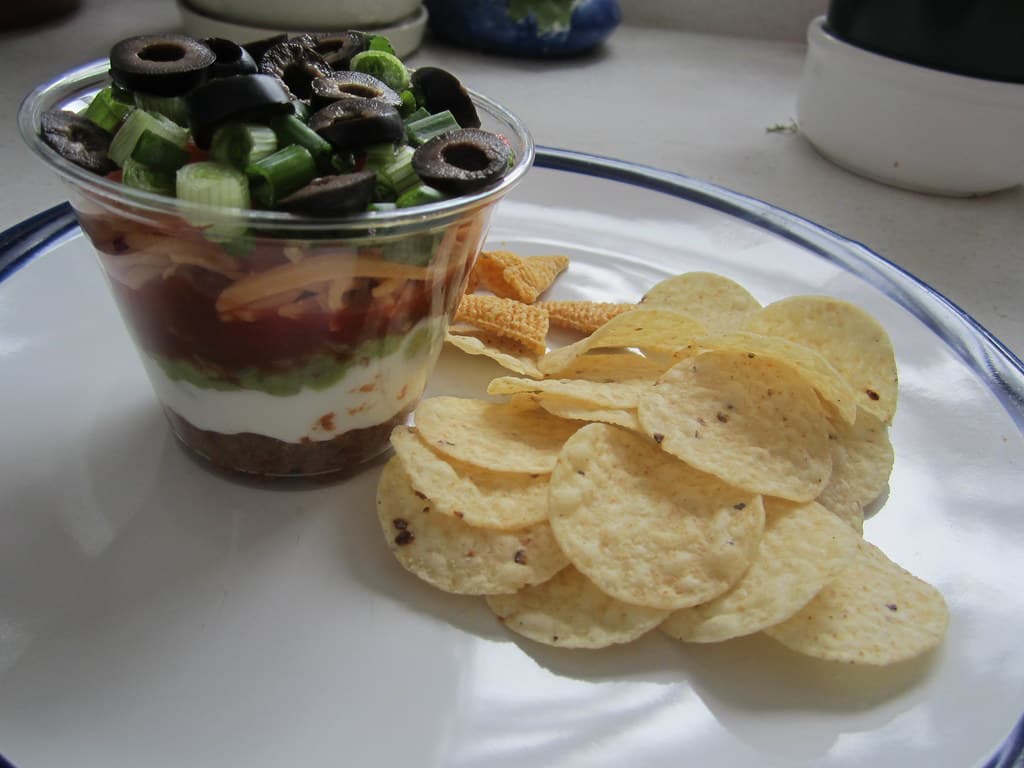
1900s-present
7-Layer Dip is a party dip with real American table personality: Tex-Mex party dish. It brings flavor from Texas and the Southwest to cookouts, counters, lunch plates, potlucks, and weeknight suppers.
America's Melting Pot
Almond Chicken photo coming soon
1900s-present
Crisp boneless chicken served over lettuce with brown gravy, scallions, and toasted almonds.
Same region
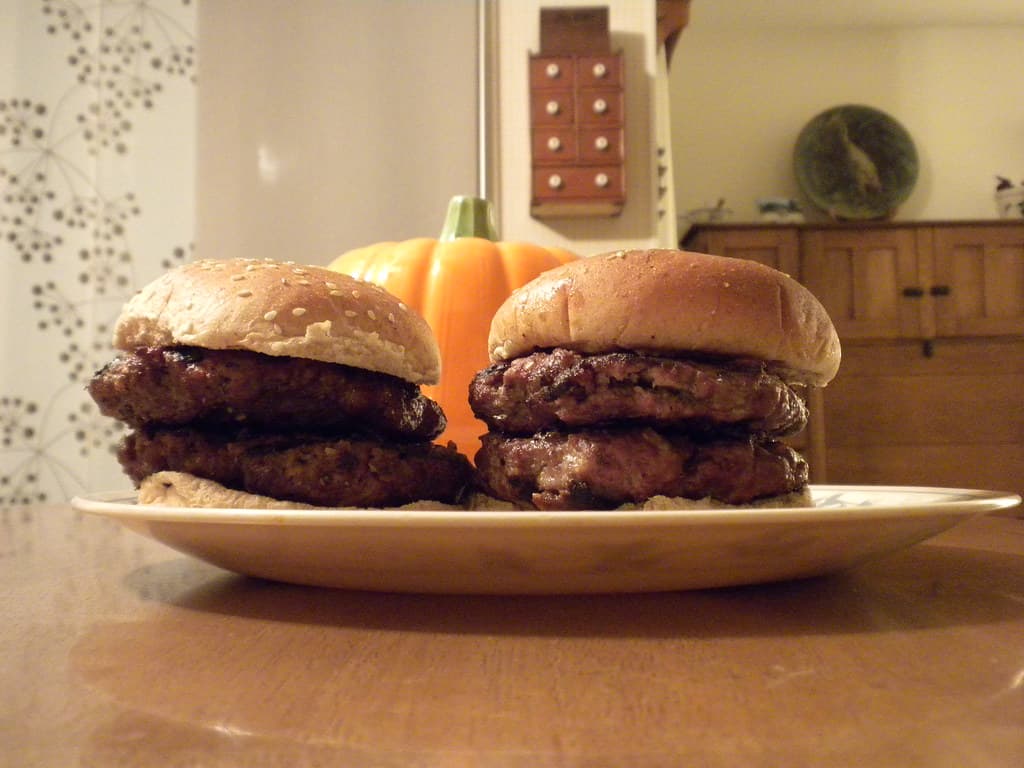
1980-2026
Bison burgers are a modern restaurant and backyard form of a much older Great Plains food story. Bison sustained Indigenous nations for centuries; after near-destruction in the 19th century, ranching and restoration made bison meat more available again.
America's Melting Pot
Cherry Limeade photo coming soon
1970s-present
Cherry Limeade brings juice-bar color and American smoothie-counter energy to the glass: Drive-in drink, especially Sonic-style culture.
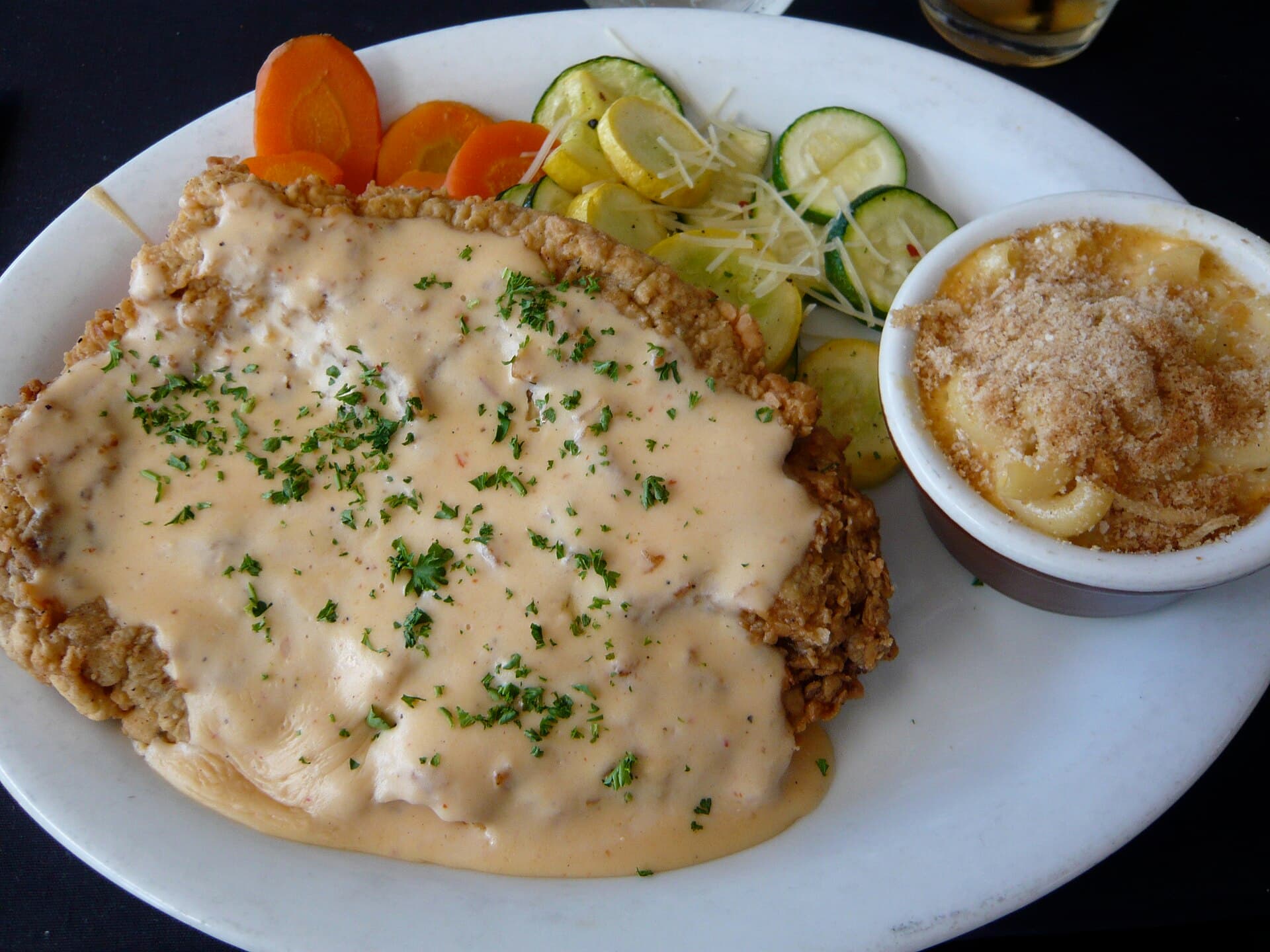
1861-1900
Chicken-Fried Steak is a tenderized beefsteak, breaded and fried similarly to fried chicken, served with creamy country gravy. Rooted in 19th-century cattle trail and chuckwagon cooking, this hearty dish became a Great Plains staple during the Civil War and westward expansion, embodying resourceful American frontier cooking.
Same table
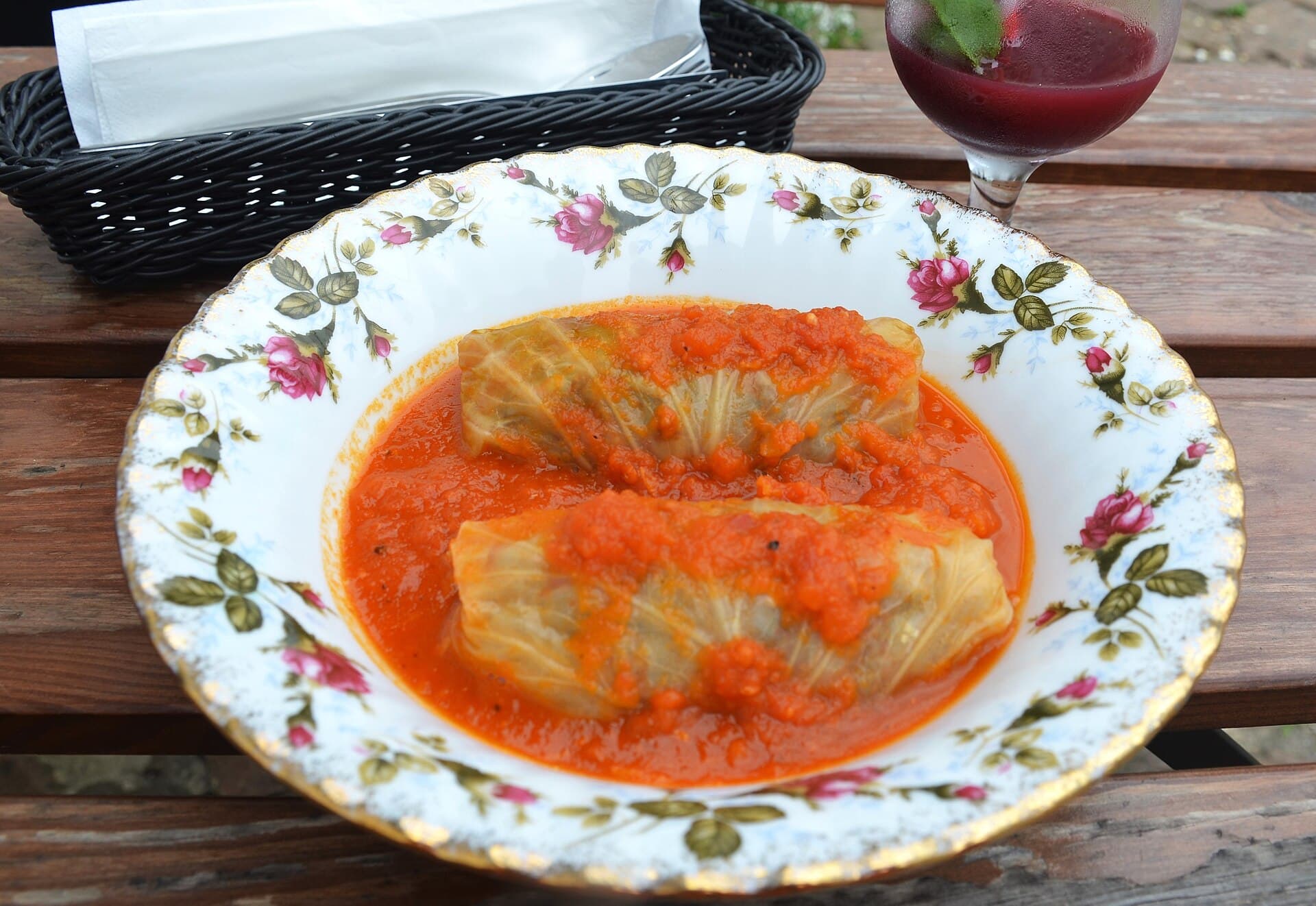
1900-2026
Cabbage rolls came to American tables through many Eastern European and Jewish immigrant communities. Polish golabki, Ukrainian holubtsi, Slovak holubky, Jewish holishkes, and related dishes all wrap humble cabbage around a filling that stretches meat with rice or grain.
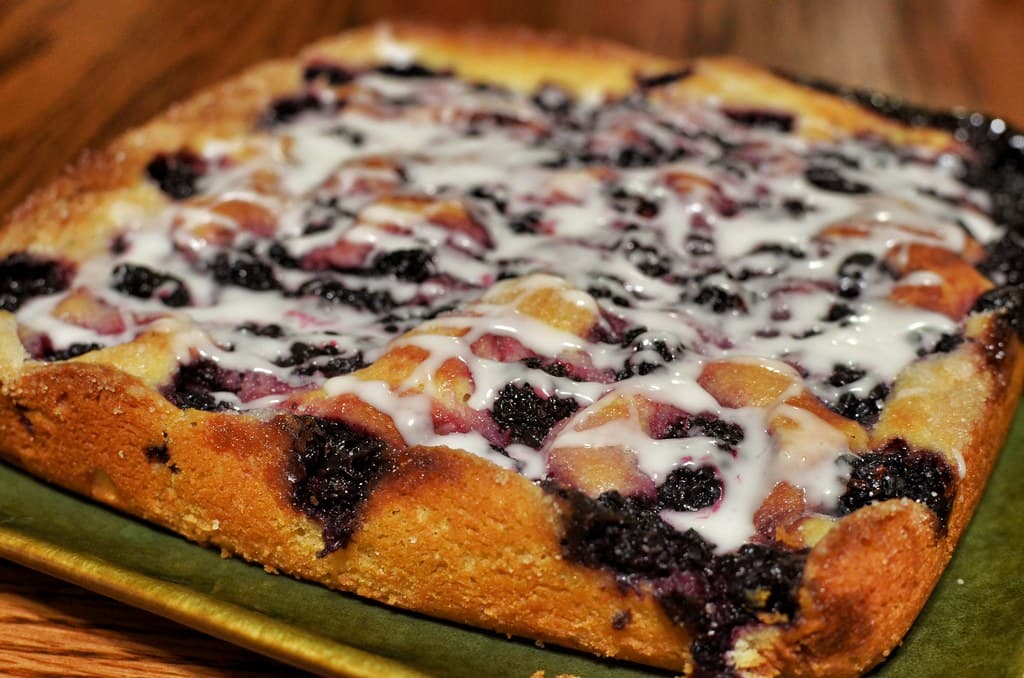
1800-2026
Blackberry cobbler is summer fruit economy: wild or cultivated berries, sugar, butter, flour, and enough heat to turn a picking bucket into dessert. Southern versions range from pour-over batter cobblers to biscuit-topped family recipes.
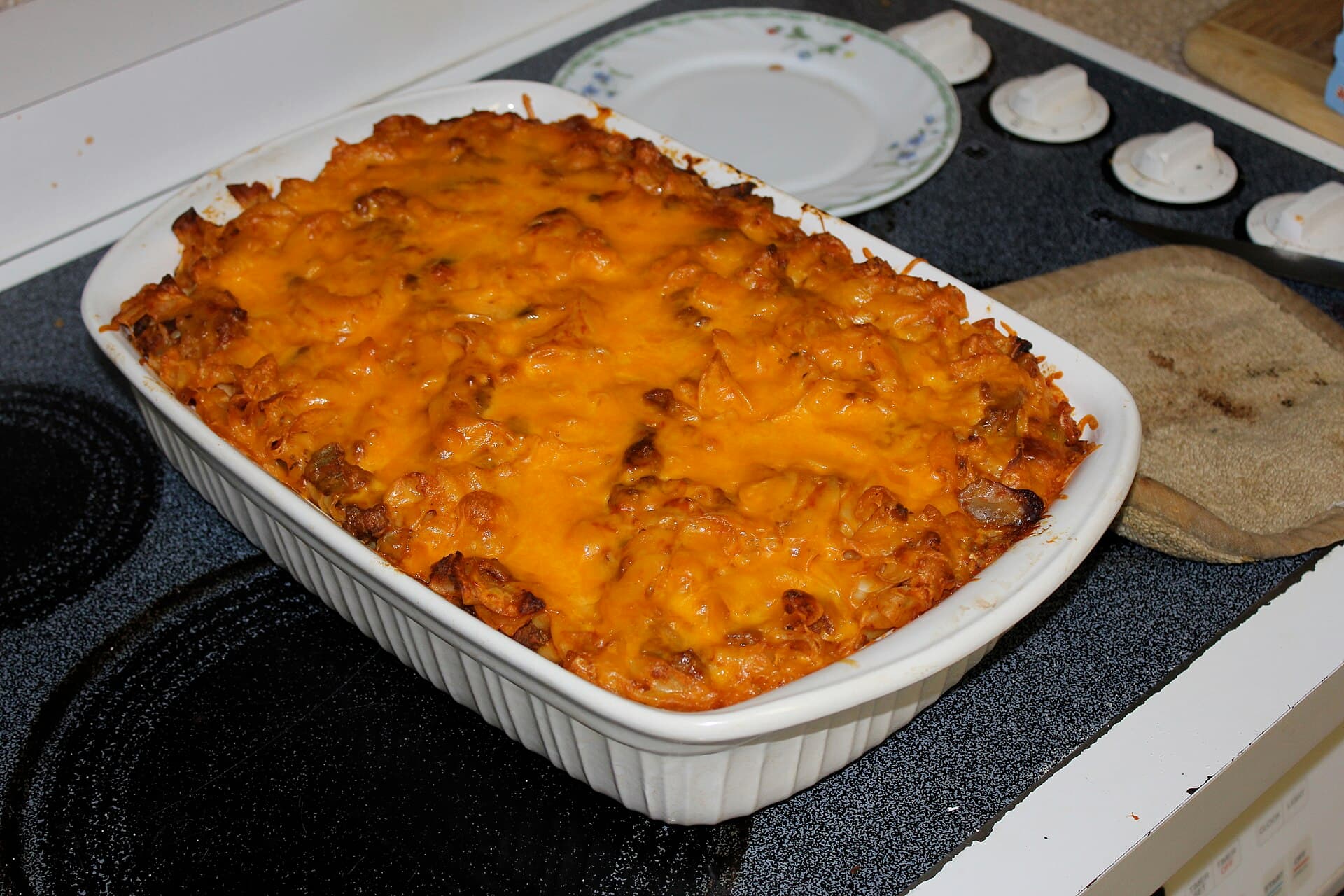
1946-1969
Johnny Marzetti is a comforting casserole originating in the Midwestern United States during the postwar era, combining pasta, ground beef, tomato sauce, and cheese. Popular in the decades following World War II, it reflects suburban family cooking focused on easy, satisfying one-dish meals that could feed a crowd.