
Recipe archive
Loading
Setting the table...
Fetching the latest recipes from the archive.
Loading
Fetching the latest recipes from the archive.
Recipe archive
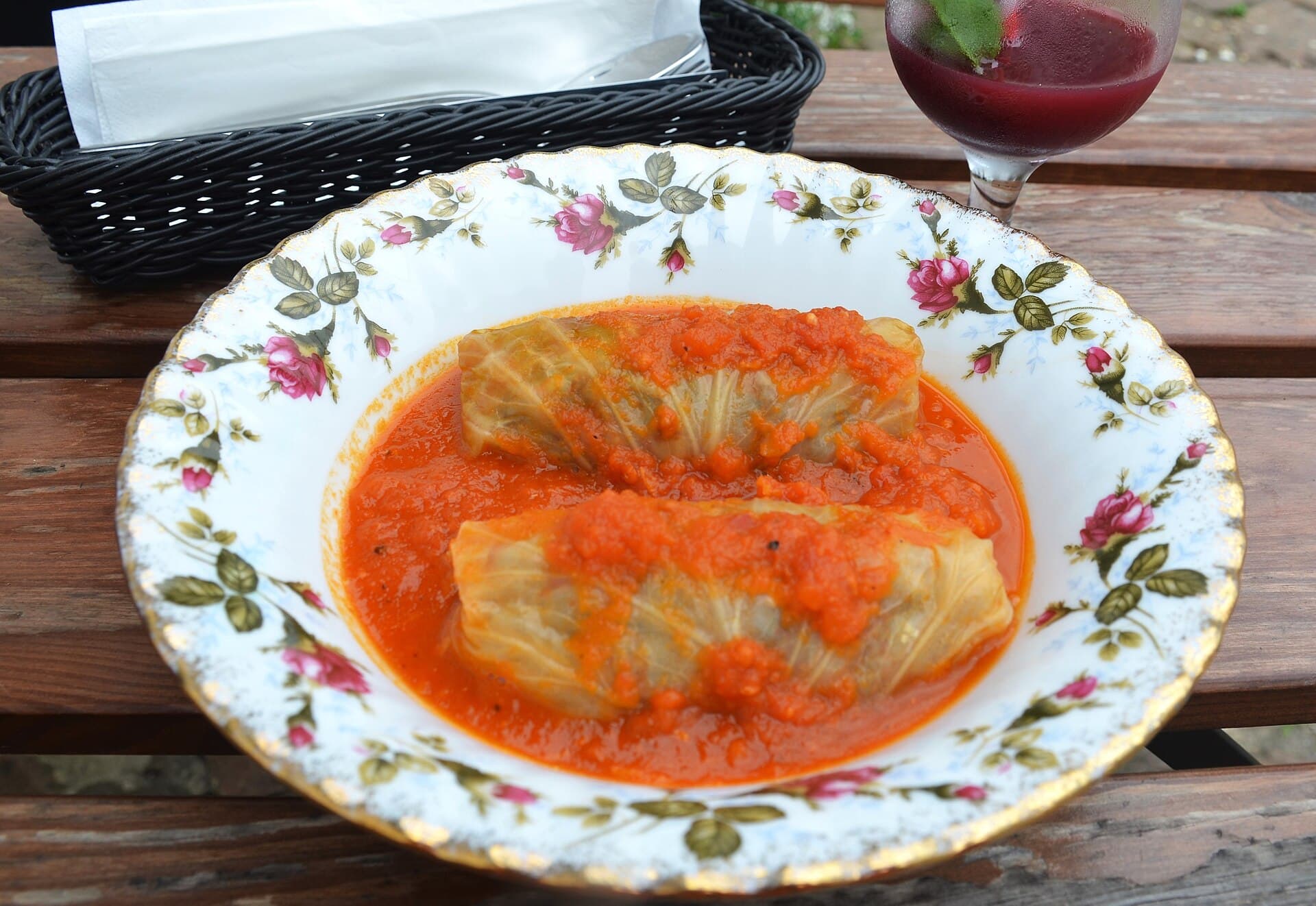
1900s-present - Polish, Slovak, Ukrainian, Jewish, and Eastern European immigrant families
Cabbage rolls came to American tables through many Eastern European and Jewish immigrant communities. Polish golabki, Ukrainian holubtsi, Slovak holubky, Jewish holishkes, and related dishes all wrap humble cabbage around a filling that stretches meat with rice or grain.
Community-powered photos. Reviewers can upload dish photos, and the highest-rated community image may be featured here.
Difficulty
Moderate
Prep time
45 minutes
Cook time
1 hour 30 minutes
Total time
2 hours 15 minutes
Servings
6 to 8 servings
Region
Eastern European American kitchens and immigrant cities
Era introduced
1900s-present
Introduced by
Polish, Slovak, Ukrainian, Jewish, and Eastern European immigrant families
Recipe tools
Log in to save this recipe to a collection.
Stuffed cabbage is labor, memory, and thrift in one pan. Cabbage leaves turn into wrappers, rice stretches the meat, and tomato or sweet-sour sauce keeps everything tender. In America, cabbage rolls became part of church suppers, holiday tables, diners, and freezer meals in communities shaped by Polish, Czech, Slovak, Ukrainian, Hungarian, Jewish, and other Eastern European immigration.
Share family changes, regional twists, or pantry-friendly adaptations as full community recipes.
Log in to submit a community recipe.
No community recipes yet. Submitted recipes are published right away.
Rate this recipe and share how it worked at your table.
Log in to review this recipe.
No reviews yet. Be the first to rate this recipe.
Recipes matched by era, region, occasion, ingredients, and cultural roots from the archive.
Same era
America's Melting Pot
Almond Chicken photo coming soon
1900s-present
Crisp boneless chicken served over lettuce with brown gravy, scallions, and toasted almonds.
1900s-present
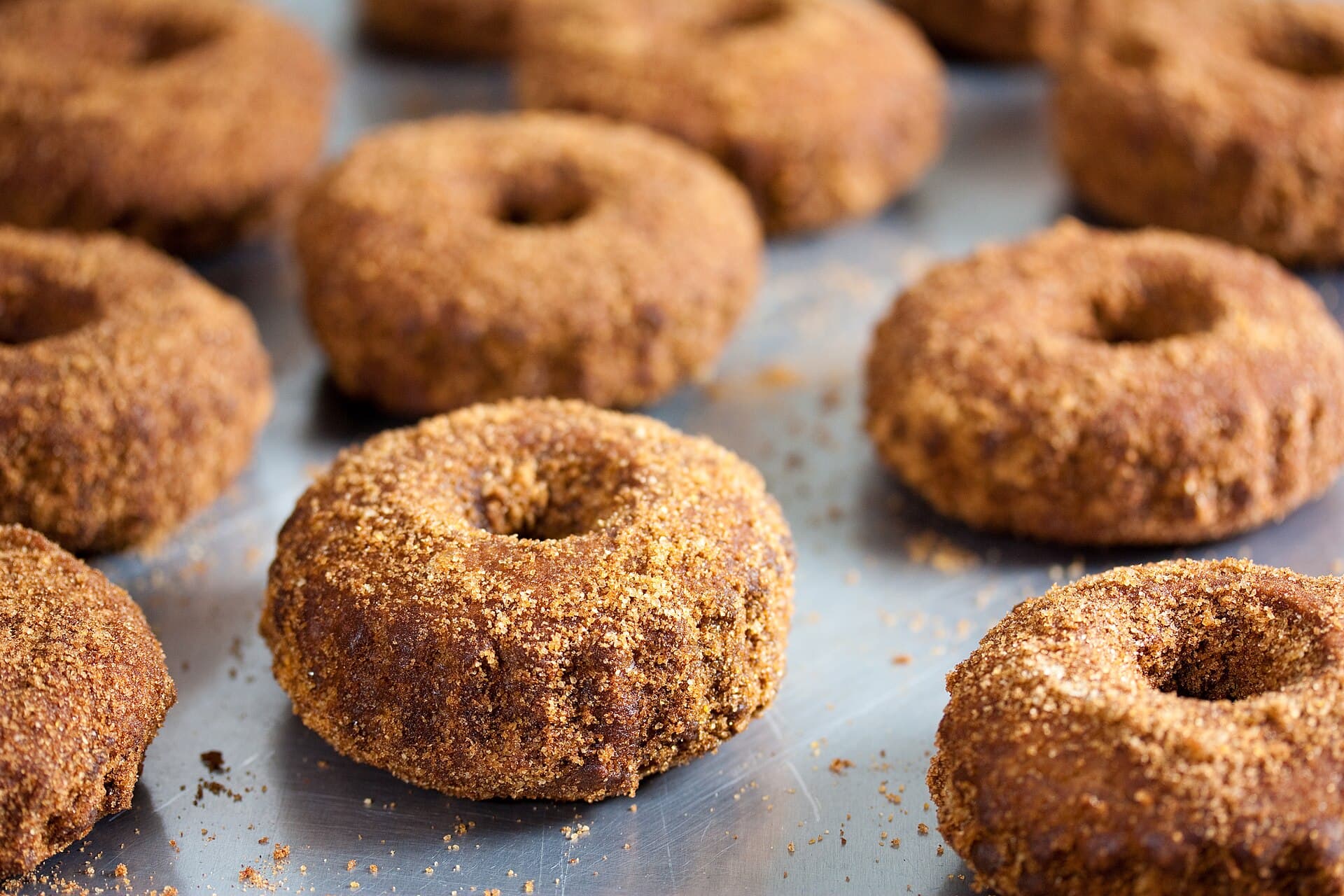
Cake doughnuts flavored with reduced apple cider and rolled in cinnamon sugar.
1900s-present
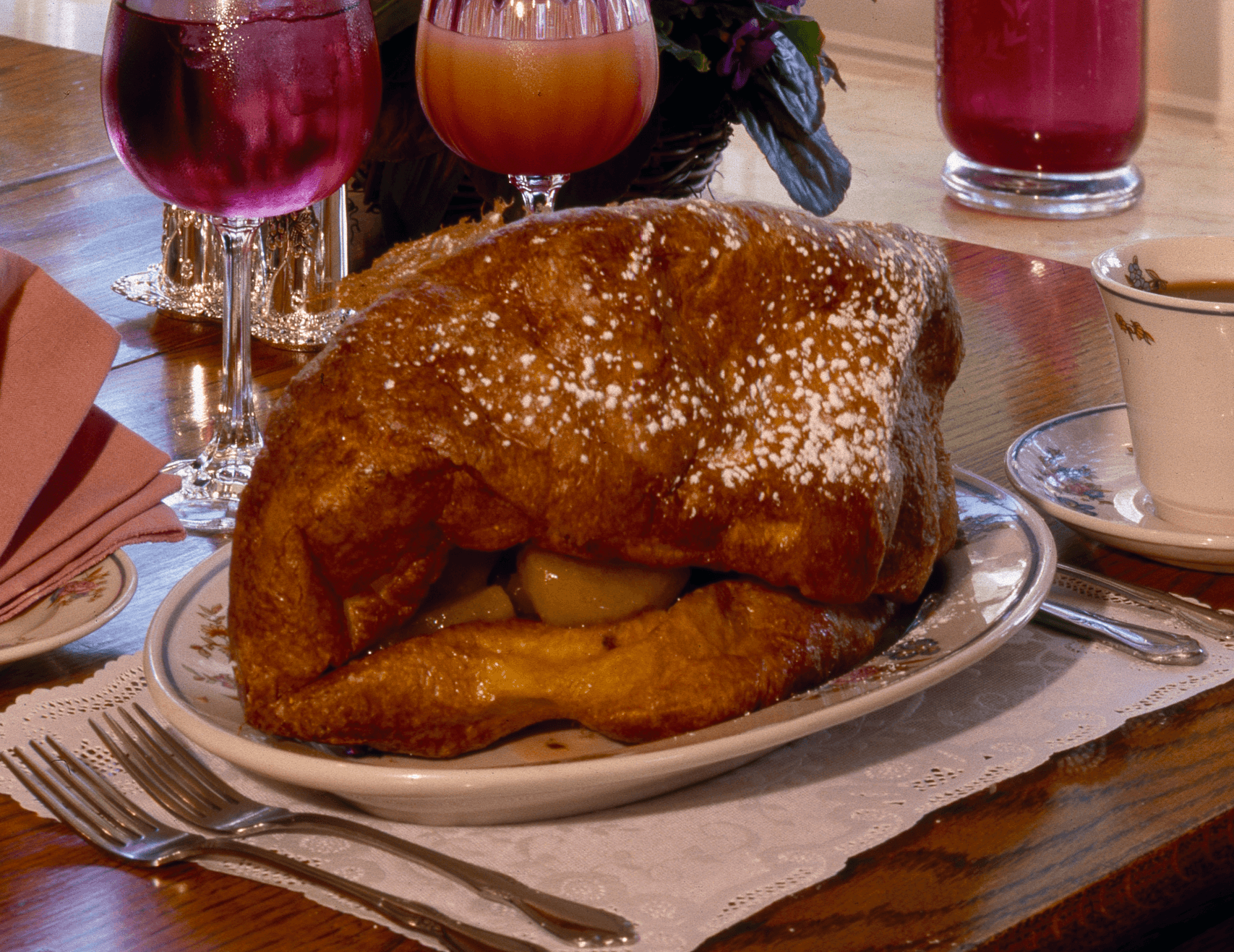
A German-American Dutch baby-style pancake baked over cinnamon apples in a hot skillet.
Same region
1700-2026
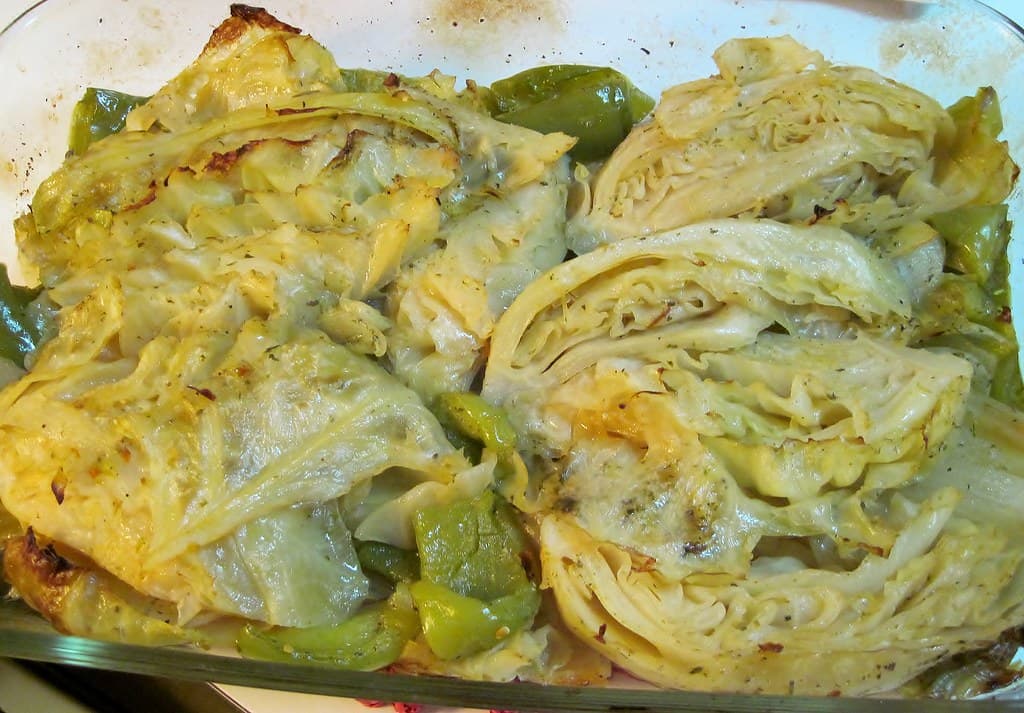
Braised cabbage is an old, practical side dish because cabbage stores well, feeds many, and softens beautifully with slow moist heat. American versions draw from British, German, Irish, and Eastern European cabbage cookery as well as plain farm-table thrift.
America's Melting Pot
Cabbage Soup photo coming soon
1800-2026
Cabbage soup is old-world thrift cooking that fit American boardinghouses, mining camps, immigrant kitchens, and wartime tables. Cabbage stored well, stretched broth, and could become a light vegetable soup or a heartier meal with potatoes, beans, or meat.
1700-2026
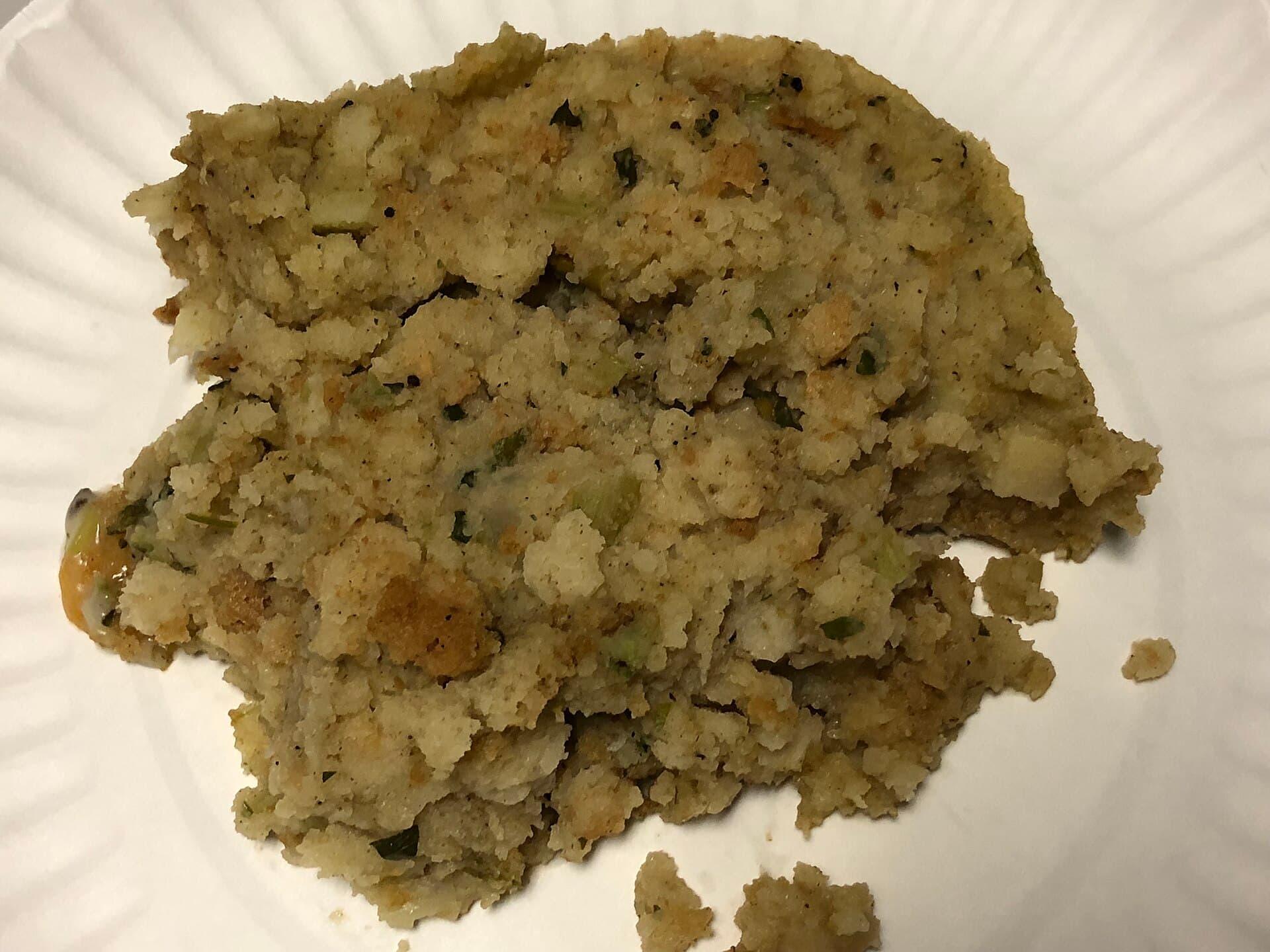
Bread stuffing is the Thanksgiving workhorse that turns stale bread into the part of the plate many people reach for first. Whether cooked inside the bird or baked separately as dressing, the core American formula is bread, aromatics, poultry herbs, and rich stock.
Same table
1880s-present
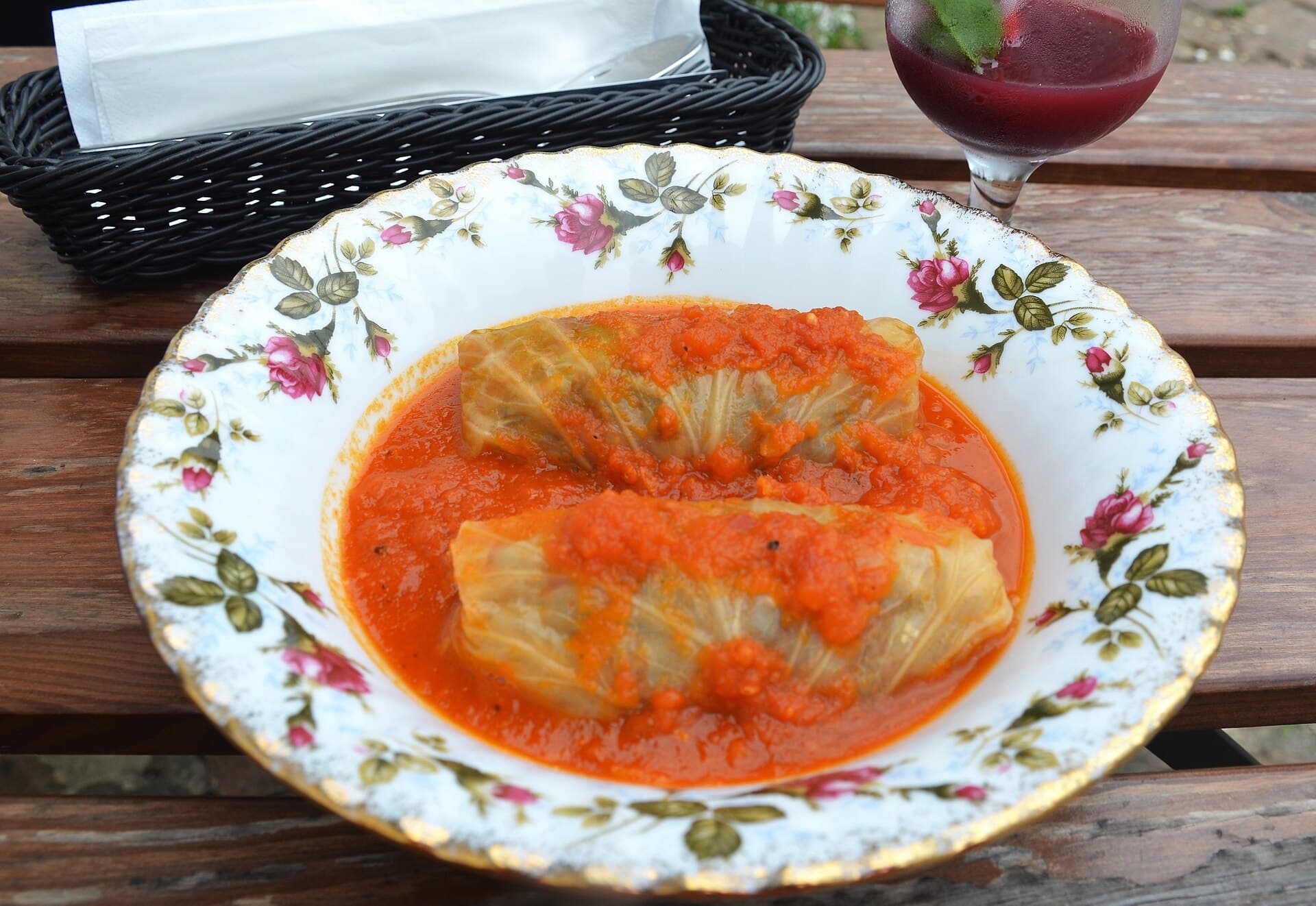
Stuffed cabbage is a beloved dish among Polish, Czech, Slovak, and Eastern European immigrants to America in the early 20th century. Cabbage leaves are filled with a mixture of ground meat, rice, and seasonings, then simmered in a tangy tomato sauce, commonly served at state fairs, diners, and holiday tables.
1900-2026
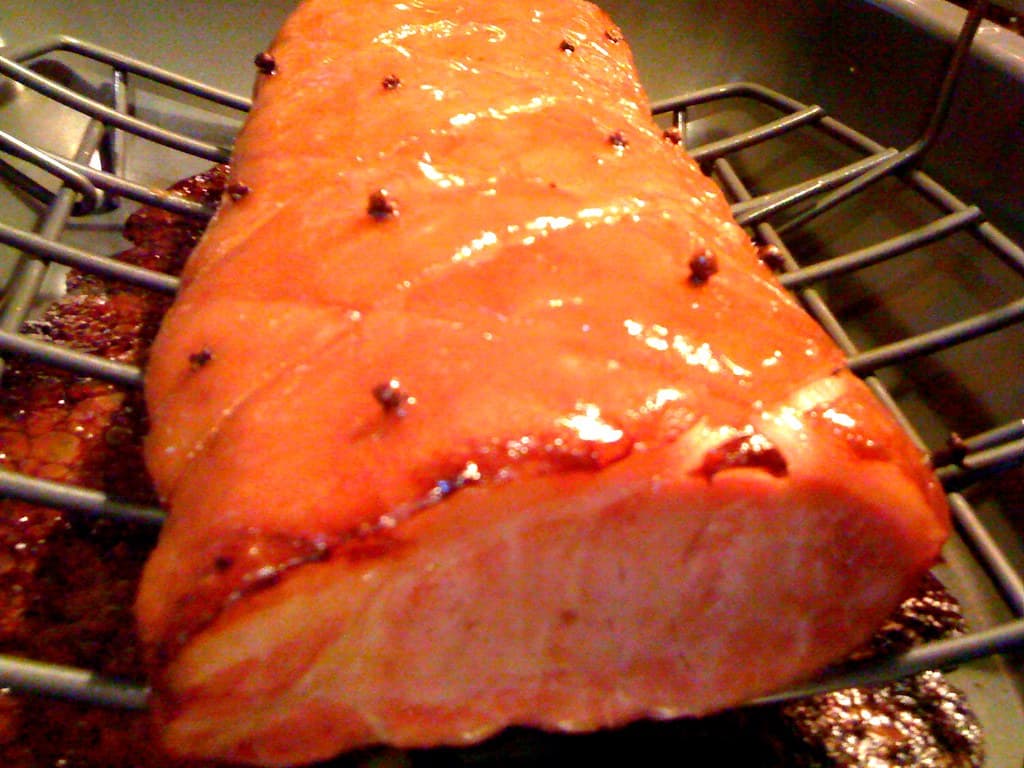
A Christmas and Easter baked ham glazed with brown sugar, mustard, cider vinegar, and cloves, baked until glossy and sliceable.
America's Melting Pot
Bierocks photo coming soon
1870-2026
Bierocks traveled with Volga German communities into Kansas, Nebraska, and the Great Plains. They are field food and comfort food at once: portable bread pockets filled with seasoned beef and cabbage, closely related to Nebraska runzas.