
Recipe archive
Loading
Setting the table...
Fetching the latest recipes from the archive.
Loading
Fetching the latest recipes from the archive.
Recipe archive
America's Melting Pot
Boiled Coffee Cake hero image coming soon
1870s-present - American home bakers adapting coffee-table cakes with brewed coffee and molasses
Older American coffee cakes sometimes actually contained coffee. Recipes using cold boiled coffee, molasses, raisins, and spice appeared in late-19th and early-20th-century cookbooks, making a sturdy loaf cake for the coffee table.
No featured photo yet. Upload a photo with your review. The highest-rated community photo may become this recipe's hero image.
Difficulty
Easy
Prep time
20 minutes
Cook time
50 minutes
Total time
1 hour 10 minutes
Servings
10 slices
Region
United States home baking
Era introduced
1870s-present
Introduced by
American home bakers adapting coffee-table cakes with brewed coffee and molasses
Recipe tools
Log in to save this recipe to a collection.
In modern American usage, coffee cake usually means a cake served with coffee, not one flavored by coffee. Older recipes blur that line. Some late-19th-century formulas used cold boiled coffee as a liquid in spice cake, often alongside molasses, raisins, cinnamon, allspice, or nutmeg. This recipe follows that older idea: a dark, fragrant loaf cake that would have kept well and paired naturally with a cup of coffee.
Share family changes, regional twists, or pantry-friendly adaptations as full community recipes.
Log in to submit a community recipe.
No community recipes yet. Submitted recipes are published right away.
Rate this recipe and share how it worked at your table.
Log in to review this recipe.
No reviews yet. Be the first to rate this recipe.
Recipes matched by era, region, occasion, ingredients, and cultural roots from the archive.
Same era
America's Melting Pot
Bierocks photo coming soon
1870-2026
Bierocks traveled with Volga German communities into Kansas, Nebraska, and the Great Plains. They are field food and comfort food at once: portable bread pockets filled with seasoned beef and cabbage, closely related to Nebraska runzas.
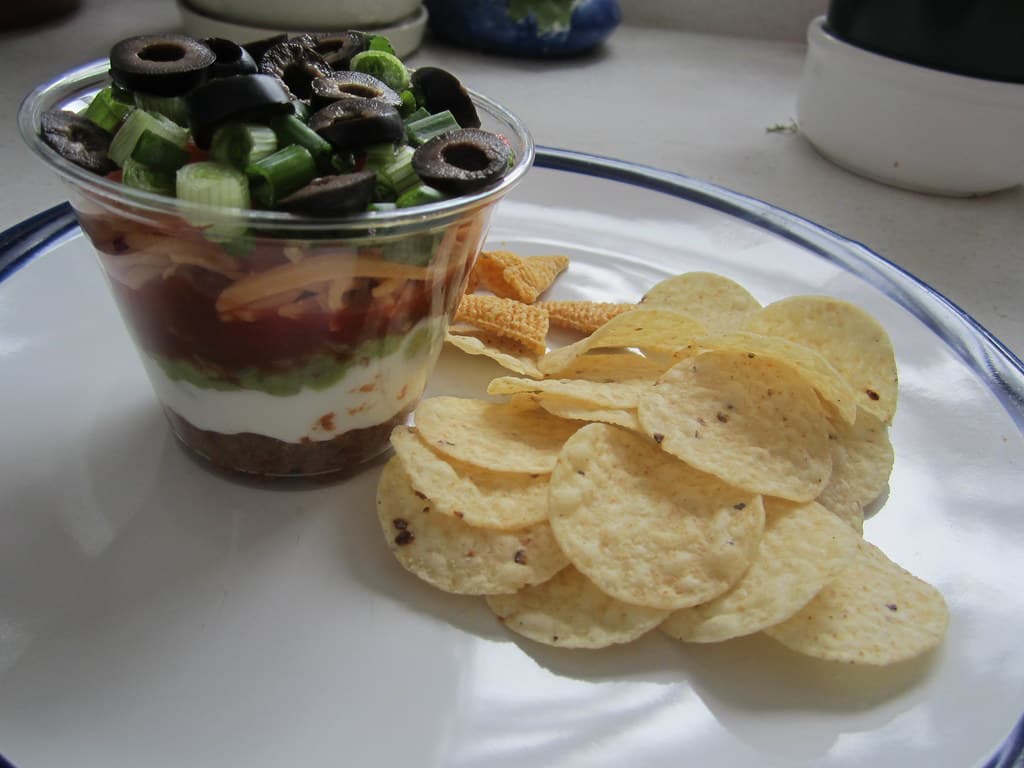
1900s-present
7-Layer Dip is a party dip with real American table personality: Tex-Mex party dish. It brings flavor from Texas and the Southwest to cookouts, counters, lunch plates, potlucks, and weeknight suppers.
America's Melting Pot
Almond Chicken photo coming soon
1900s-present
Crisp boneless chicken served over lettuce with brown gravy, scallions, and toasted almonds.
Same region
America's Melting Pot
Baked Whale with Red Wine Marinade photo coming soon
1927 historical adaptation
Modern historical recipe writers have preserved baked whale methods that marinate the meat with oil, red wine, garlic, and onion before slow baking.
America's Melting Pot
Bloomin? Onion-Style Onion Blossom photo coming soon
1980-2026
The onion blossom is a late-20th-century chain-restaurant spectacle: part onion ring, part table centerpiece. Outback Steakhouse popularized the Bloomin Onion nationally after opening in 1988, though similar blooming onion ideas circulated before it.
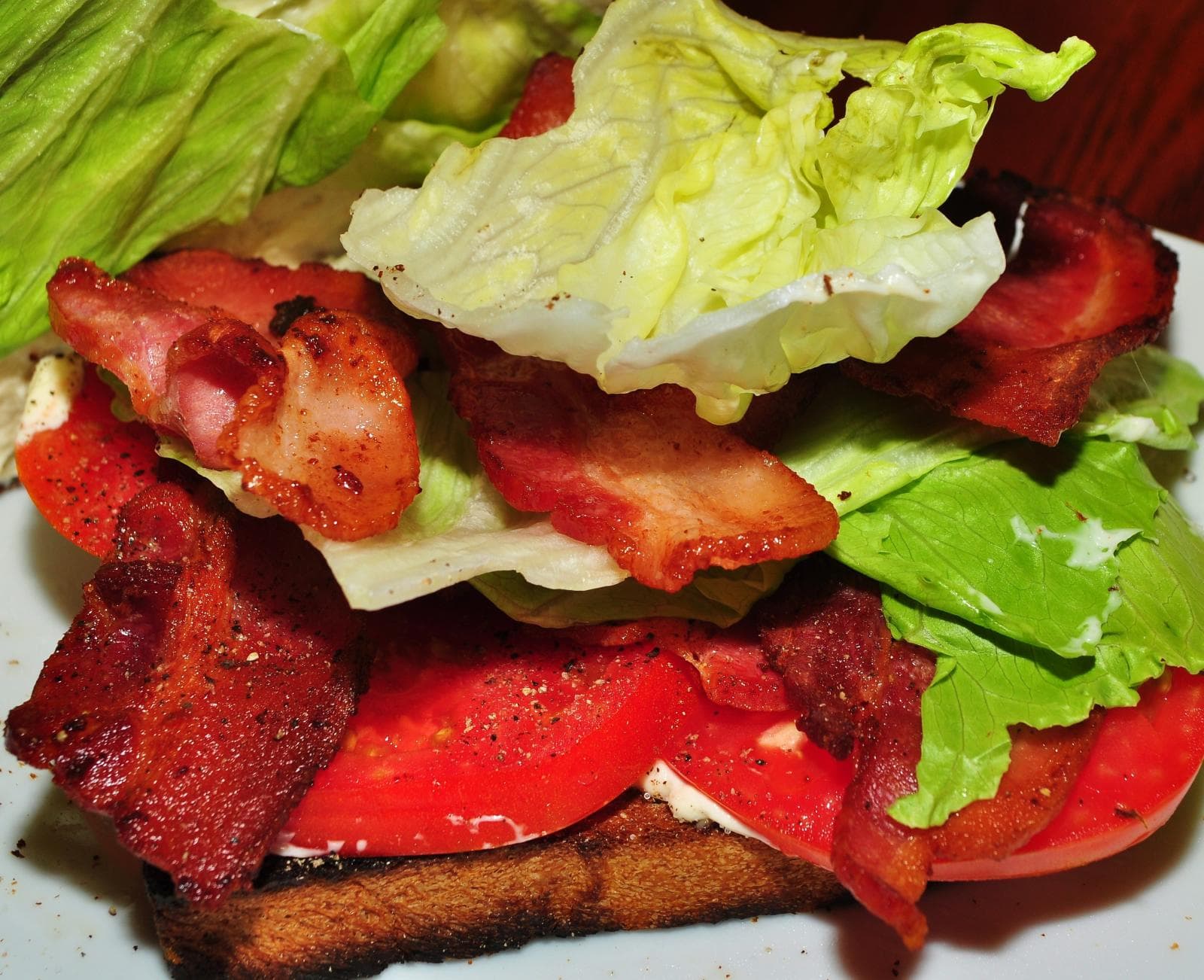
1900-2026
The BLT became a lunch-counter and diner standard in the early 20th century as sliced bread, commercial mayonnaise, bacon, lettuce, and ripe tomatoes converged in American kitchens. Its simplicity is the point: crisp bacon, juicy tomato, cool lettuce, toast, and enough mayonnaise to bind the sandwich.
Same table
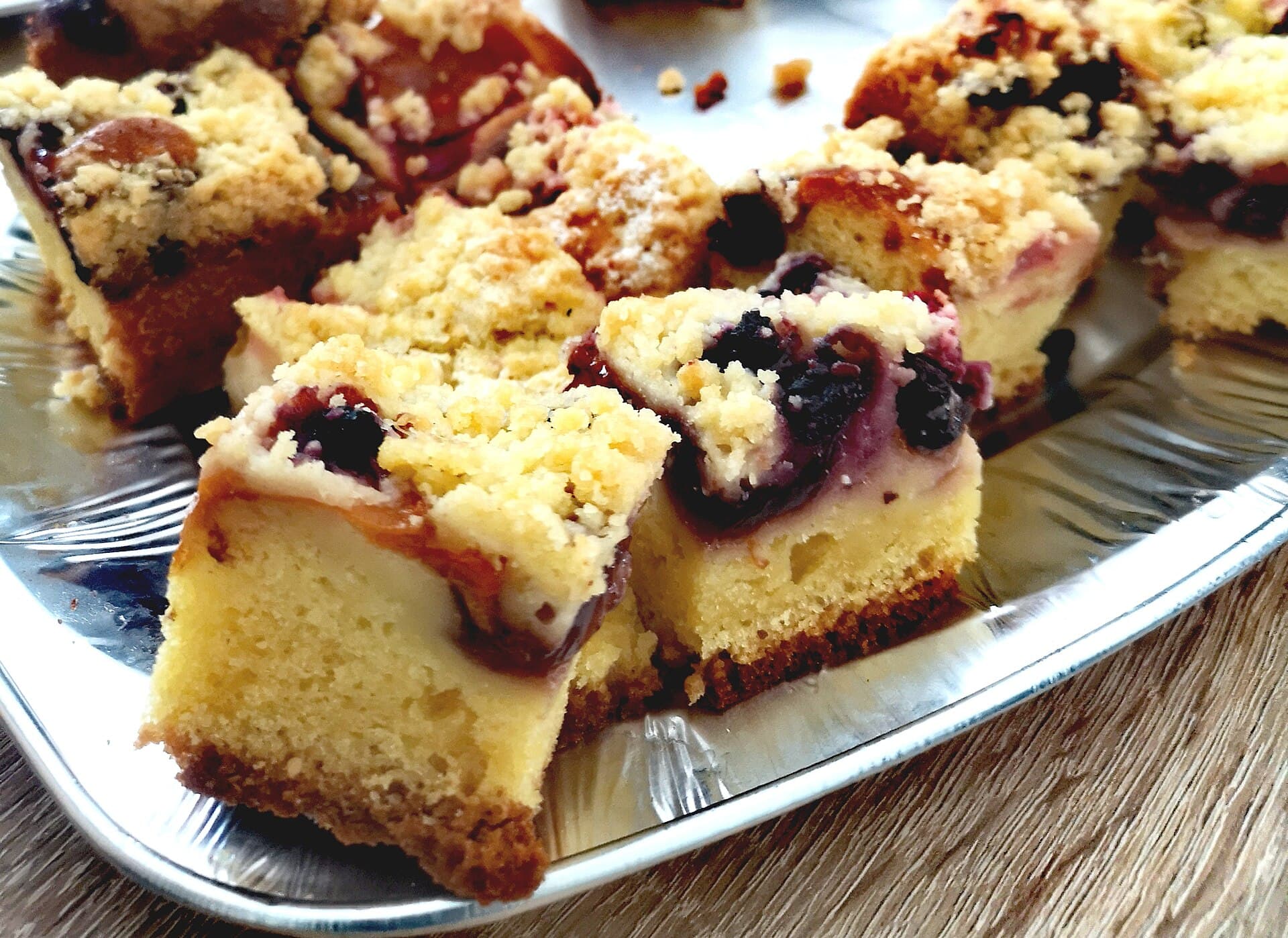
1800-2026
Blueberry buckle is a classic American fruit cake, especially at home in New England where native blueberries are abundant. The streusel topping sinks and cracks into the cake as it bakes, giving the dessert its buckle name.
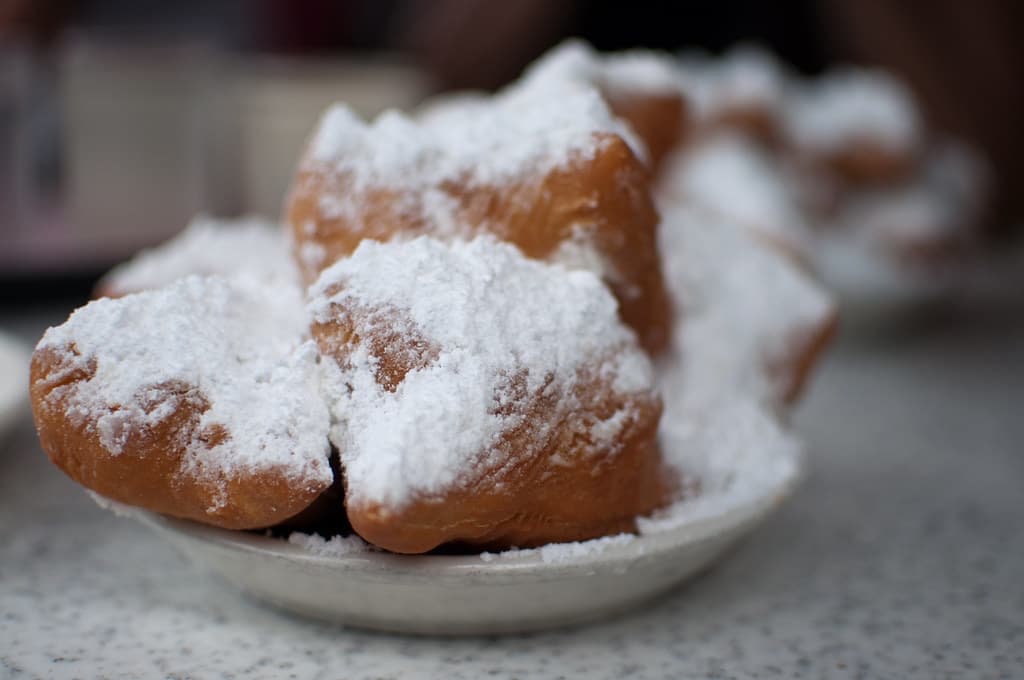
1700-2026
Beignets carry French and Acadian roots into Louisiana, where New Orleans coffee stands made them a breakfast and late-night ritual. The familiar square, sugar-dusted version is now inseparable from cafe au lait and the French Quarter.
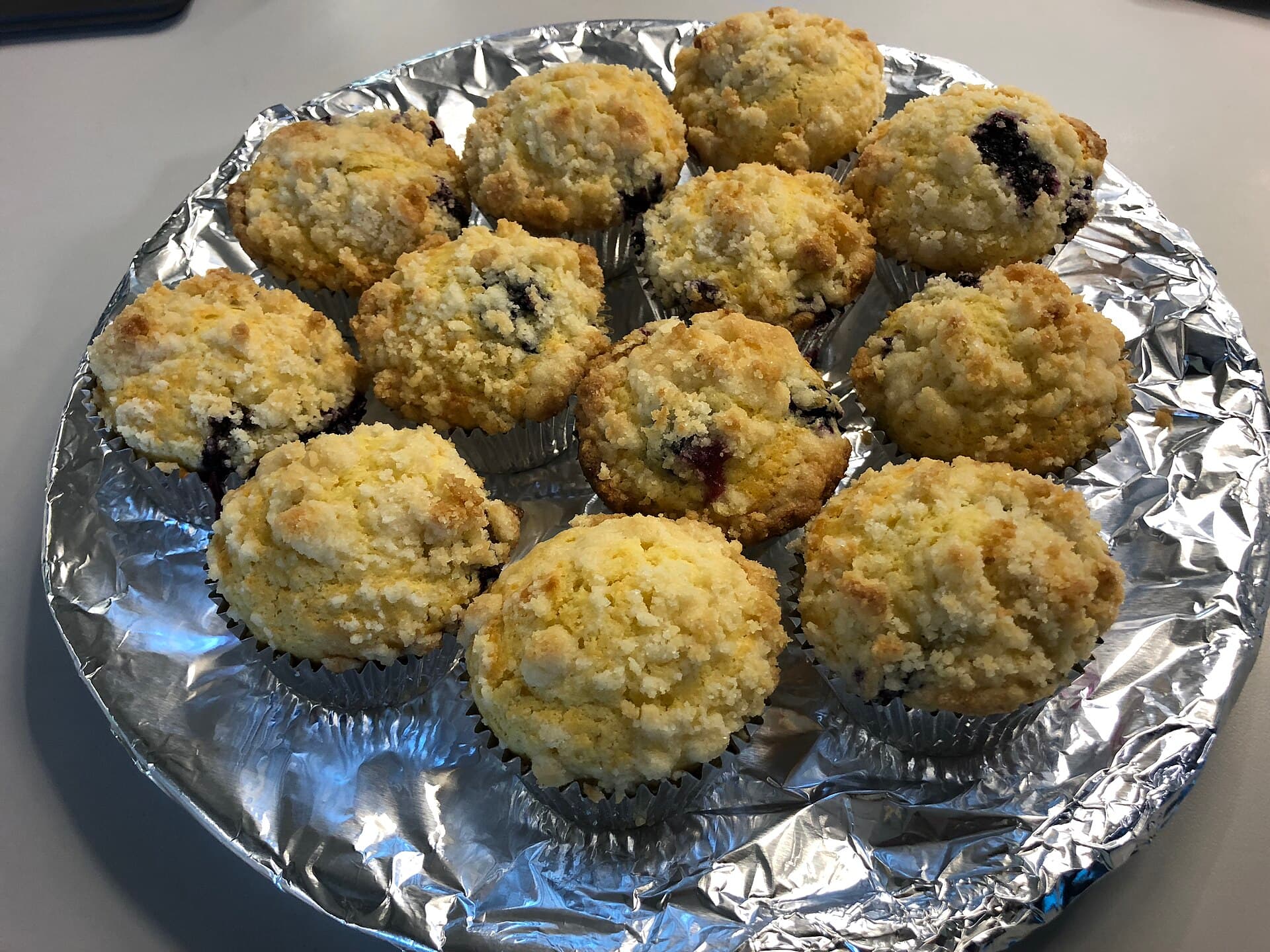
1900-2026
Blueberry muffins are everyday American breakfast baking, but Boston gave them a particular legend through Jordan Marsh department store. The oversized, sugar-topped muffin became a coffee-shop and bakery standard long after the department store disappeared.