
Recipe archive
Loading
Setting the table...
Fetching the latest recipes from the archive.
Loading
Fetching the latest recipes from the archive.
Recipe archive
America's Melting Pot
Biscuits with Molasses hero image coming soon
1800s-present - Southern farm families and Depression-era home cooks using molasses or cane syrup as an affordable sweetener
Biscuits with molasses are less a formal recipe than a habit of American farm and Southern tables: make simple biscuits, split them hot, and drizzle on a dark sweetener that was cheaper and more available than refined treats.
No featured photo yet. Upload a photo with your review. The highest-rated community photo may become this recipe's hero image.
Difficulty
Easy
Prep time
15 minutes
Cook time
15 minutes
Total time
30 minutes
Servings
8 biscuits
Region
United States farm and Southern tables
Era introduced
1800s-present
Introduced by
Southern farm families and Depression-era home cooks using molasses or cane syrup as an affordable sweetener
Recipe tools
Log in to save this recipe to a collection.
In hard-times cooking, sweetness often came from what was available: sorghum syrup, cane syrup, molasses, honey, or jam. Biscuits with molasses fit that pattern. The biscuit supplies warmth and substance; the molasses or cane syrup adds a dark, mineral sweetness that could make a plain meal feel special. This entry keeps the method simple and treats the topping as the historical point.
Share family changes, regional twists, or pantry-friendly adaptations as full community recipes.
Log in to submit a community recipe.
No community recipes yet. Submitted recipes are published right away.
Rate this recipe and share how it worked at your table.
Log in to review this recipe.
No reviews yet. Be the first to rate this recipe.
Recipes matched by era, region, occasion, ingredients, and cultural roots from the archive.
Same era
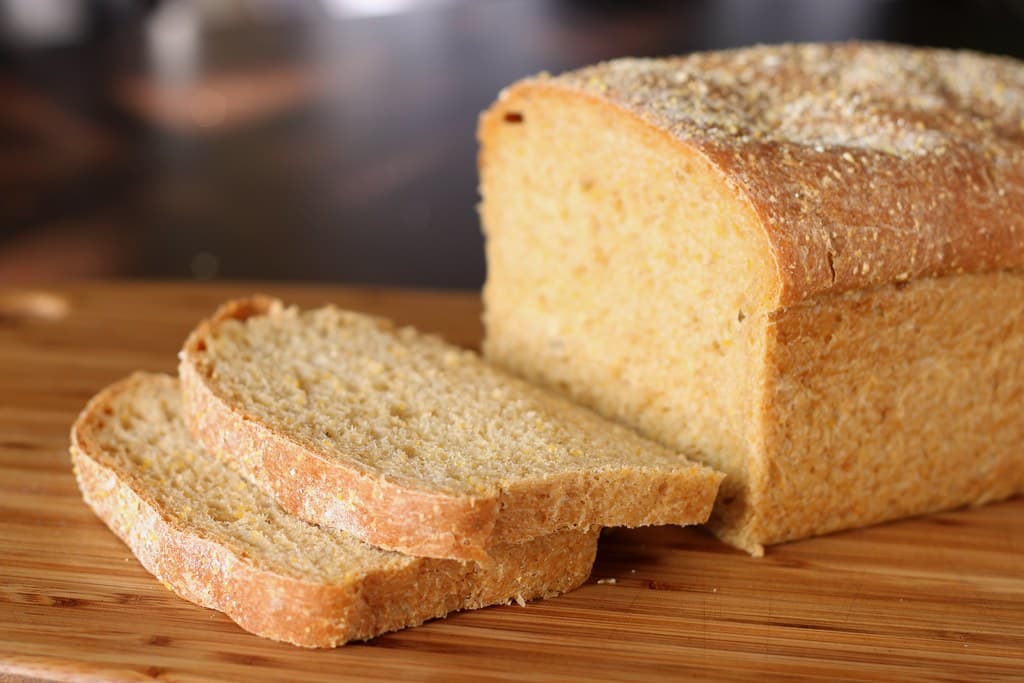
1800s-present
A lightly sweet New England loaf made with cornmeal, molasses, wheat flour, and yeast.
America's Melting Pot
Apple Cake photo coming soon
1800s-present
A tender apple-studded cake with cinnamon, butter, and a simple crumb topping.
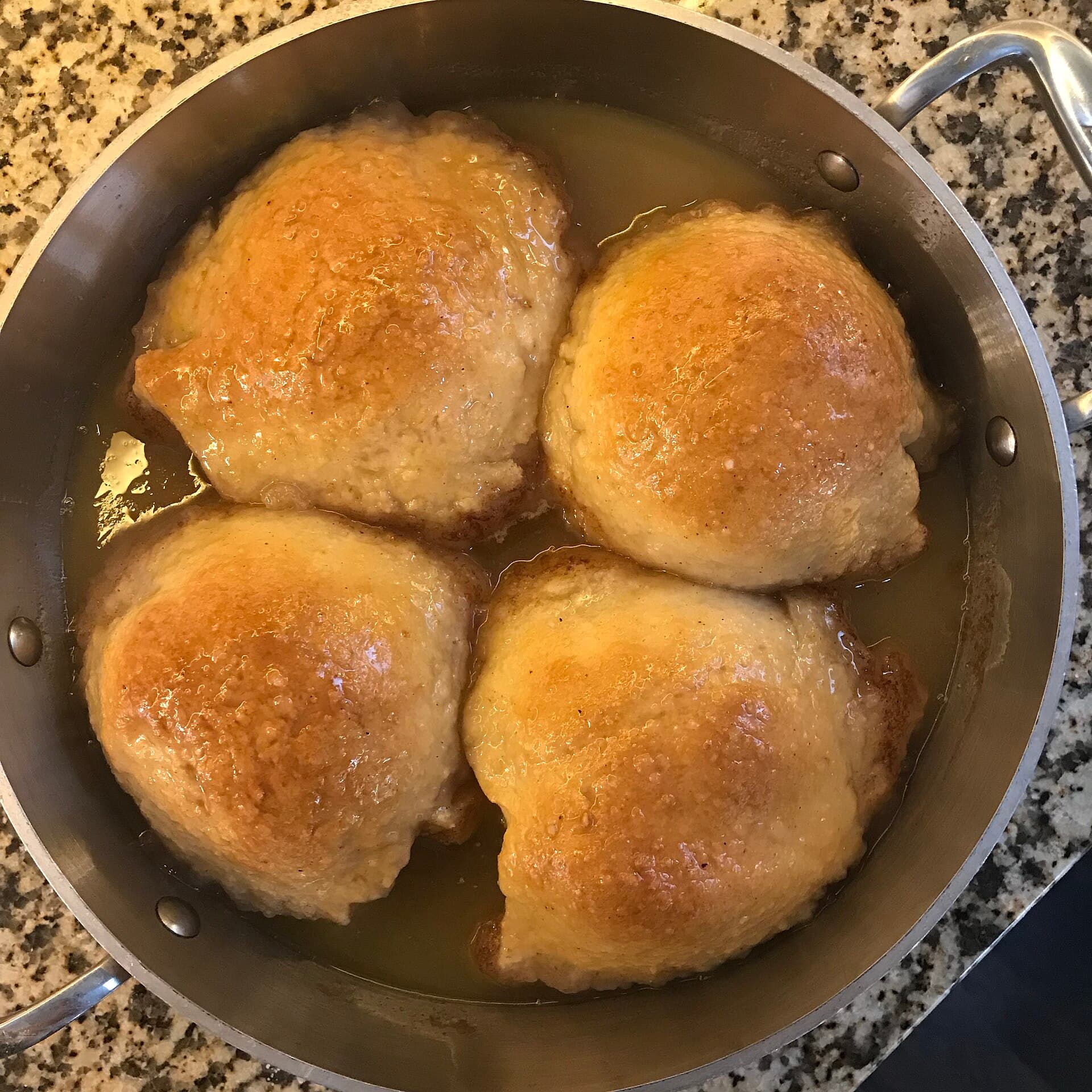
1800s-present
A Pennsylvania Dutch-style dessert of cored apples wrapped in dough and baked with brown sugar syrup.
Same region
America's Melting Pot
Apple Butter on Biscuits photo coming soon
1700s-present
Warm buttermilk biscuits split and served with butter and spiced apple butter.
America's Melting Pot
Biscuits and Gravy photo coming soon
1800-2026
Biscuits and gravy grew from practical working food: cheap flour biscuits, pork drippings, milk, and enough richness to carry a hard morning. Modern sausage gravy is the familiar diner version, but older versions often used salt pork or any available pork fat.
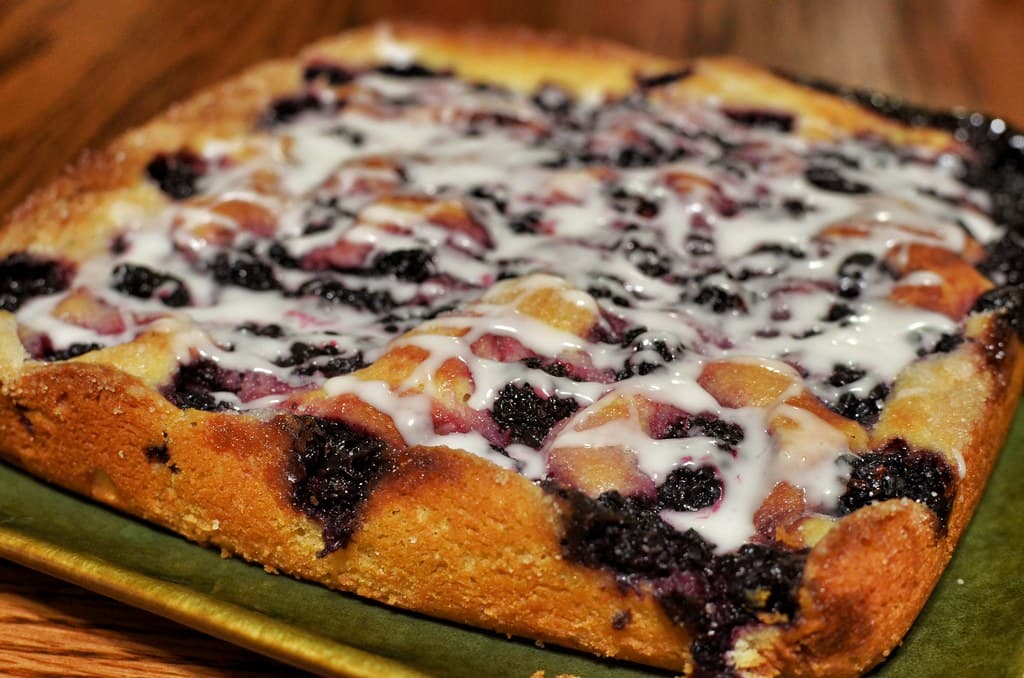
1800-2026
Blackberry cobbler is summer fruit economy: wild or cultivated berries, sugar, butter, flour, and enough heat to turn a picking bucket into dessert. Southern versions range from pour-over batter cobblers to biscuit-topped family recipes.
Same table
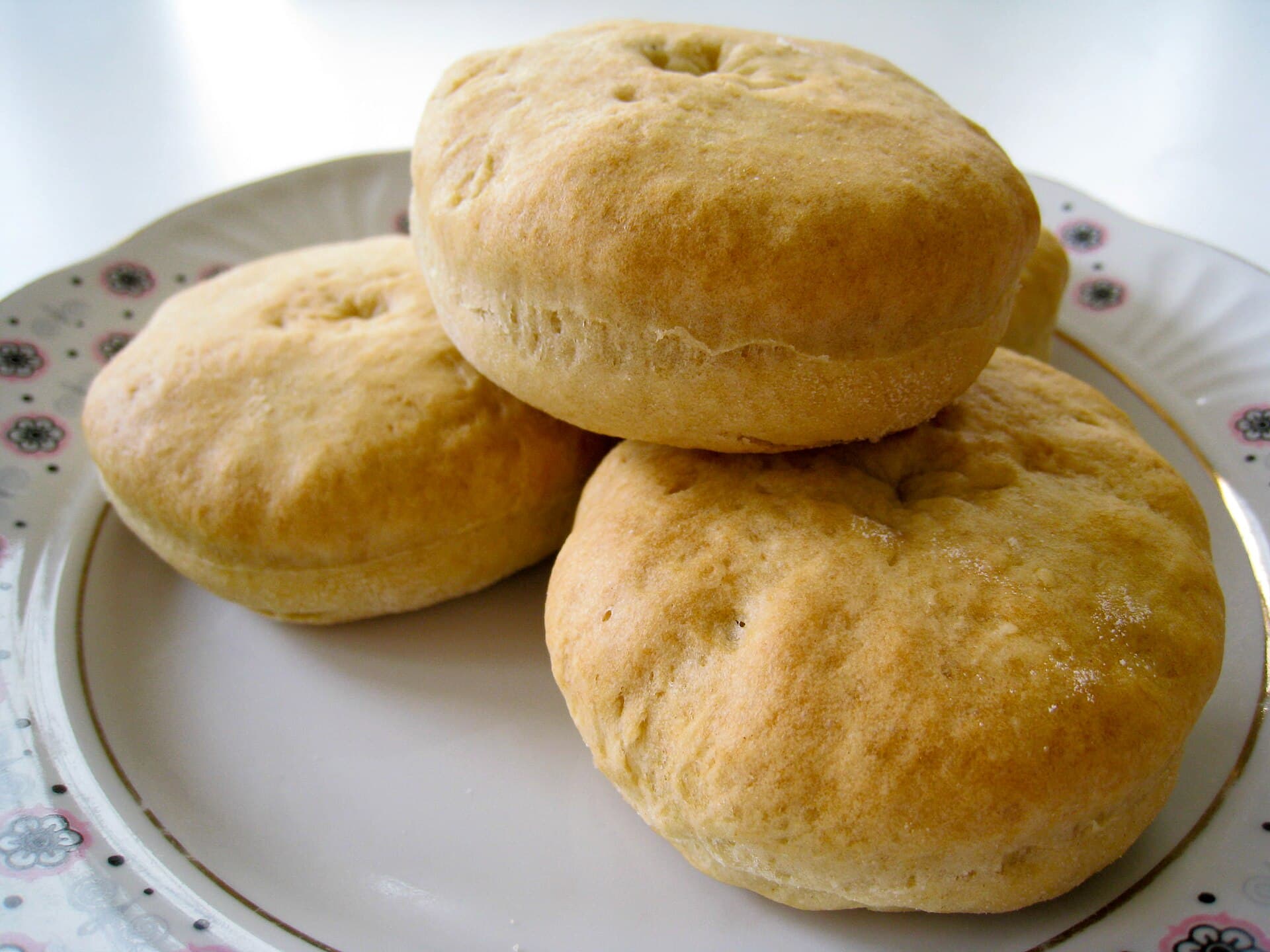
1800-2026
Buttermilk biscuits are a cornerstone of Southern breakfast and supper tables. Their tenderness depends on soft wheat flour, cold butter or shortening, and a light hand, and they became especially identified with Southern brands such as White Lily.
1600s-present
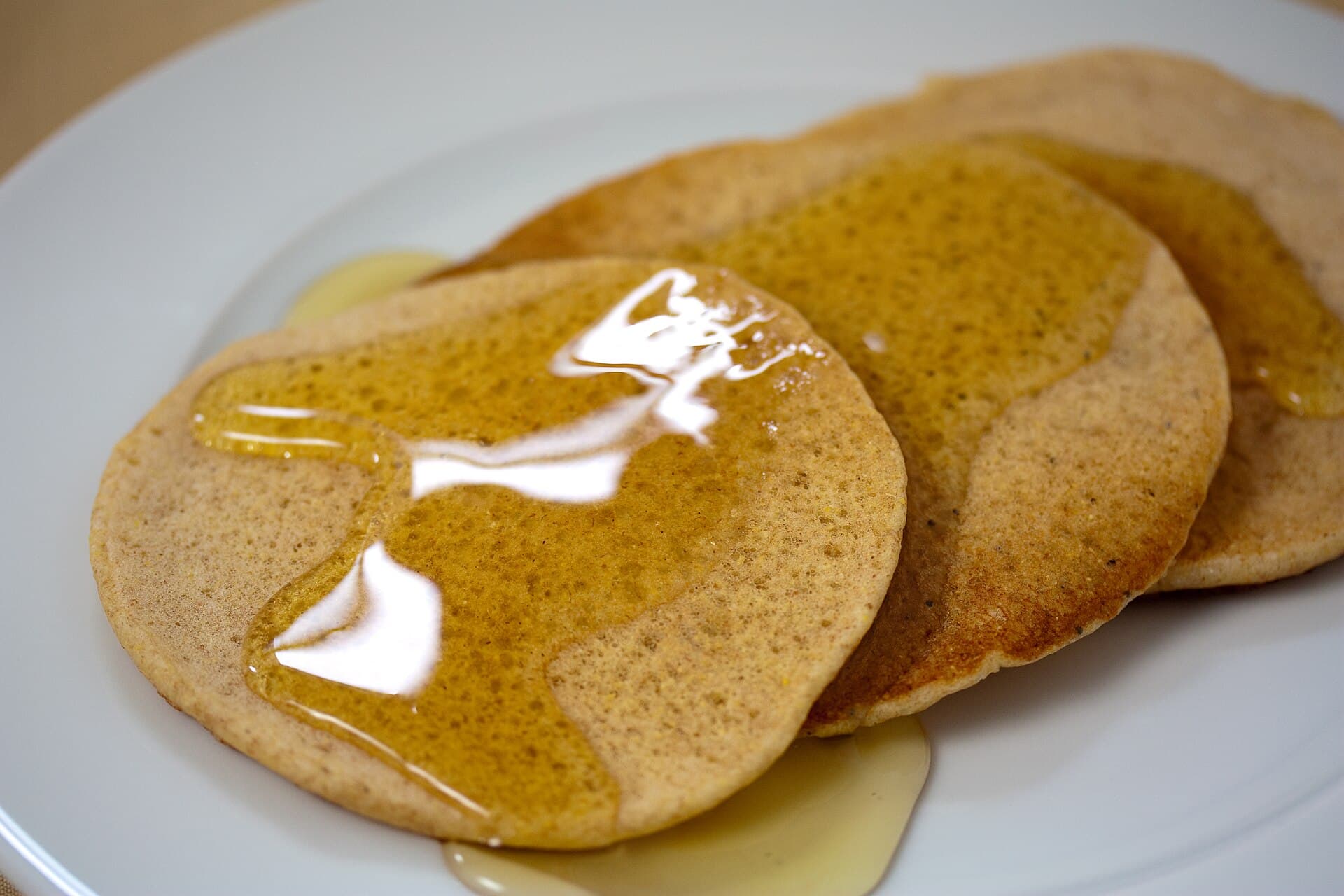
Cornmeal pancakes were a practical and hearty breakfast staple during the Depression and Dust Bowl years, offering an affordable, nourishing start to the day in rural and urban kitchens alike. Using simple pantry staples like cornmeal and flour, these pancakes sustained families through hard economic times and food shortages.
America's Melting Pot
Molasses Cornbread photo coming soon
1700s-present
Molasses Cornbread is a slightly sweet cornmeal bread flavored with molasses, common in early American households during the Revolutionary era. Combining locally grown cornmeal with molasses provided a hearty and economical bread that complemented savory dishes and breakfast tables alike. Its enduring popularity reflects early American adaptation of indigenous and imported ingredients.