
Recipe archive
Loading
Setting the table...
Fetching the latest recipes from the archive.
Loading
Fetching the latest recipes from the archive.
Recipe archive
America's Melting Pot
Booyah hero image coming soon
1850s-present - Belgian American communities in northeast Wisconsin
Booyah is more than soup in Green Bay and northeast Wisconsin. It is a community event food tied to Belgian American settlements, church picnics, fundraisers, and enormous kettles stirred for hours.
No featured photo yet. Upload a photo with your review. The highest-rated community photo may become this recipe's hero image.
Difficulty
Moderate
Prep time
45 minutes
Cook time
3 hours
Total time
3 hours 45 minutes
Servings
10 to 12 servings
Region
Northeast Wisconsin
Era introduced
1850s-present
Introduced by
Belgian American communities in northeast Wisconsin
Recipe tools
Log in to save this recipe to a collection.
Booyah is a regional food with a regional social life. Belgian immigrants, many from Walloon communities, settled in northeast Wisconsin in the 19th century, and large-kettle chicken-and-beef stews became part of church picnics, reunions, and community fundraisers. Recipes vary by family and fire department, but they usually include chicken, beef, cabbage, potatoes, carrots, onions, and tomatoes cooked long enough for the flavors to merge.
Share family changes, regional twists, or pantry-friendly adaptations as full community recipes.
Log in to submit a community recipe.
No community recipes yet. Submitted recipes are published right away.
Rate this recipe and share how it worked at your table.
Log in to review this recipe.
No reviews yet. Be the first to rate this recipe.
Recipes matched by era, region, occasion, ingredients, and cultural roots from the archive.
Same era
America's Melting Pot
Ambrosia photo coming soon
Late 1800s-present
A simple old-fashioned ambrosia of oranges, pineapple, coconut, and a little sugar, chilled until juicy.
America's Melting Pot
Army Bean Soup photo coming soon
1861-1900
A hearty military-style bean soup built on navy beans, smoked ham hock, onion, celery, carrot, and bay leaf, adapted for a home pot from large-batch service traditions.
America's Melting Pot
Au Jus photo coming soon
1800s-present
Au Jus is a sandwich sauce with real American table personality: French name, but American diner/roadhouse French dip culture. It brings flavor from coast-to-coast American tables to cookouts, counters, lunch plates, potlucks, and weeknight suppers.
Same region
America's Melting Pot
BBQ Beef Sandwiches photo coming soon
1970-2026
This sandwich turns pot roast into crowd food: cook beef until it pulls apart, simmer it in barbecue sauce, and serve it from a slow cooker or Dutch oven. It fits the late-20th-century world of booster clubs, church suppers, and game-day tables, where economical roasts could feed a line of hungry fans.
America's Melting Pot
Beef and Noodles photo coming soon
1861-1900
Beef and noodles is plainspoken comfort food: slow-cooked beef, rich broth, and egg noodles served as a main dish or over mashed potatoes. It fits the railroad, boardinghouse, and settlement table because it stretches a roast into a filling meal and reflects German and Amish noodle traditions carried into the Midwest and Great Plains.
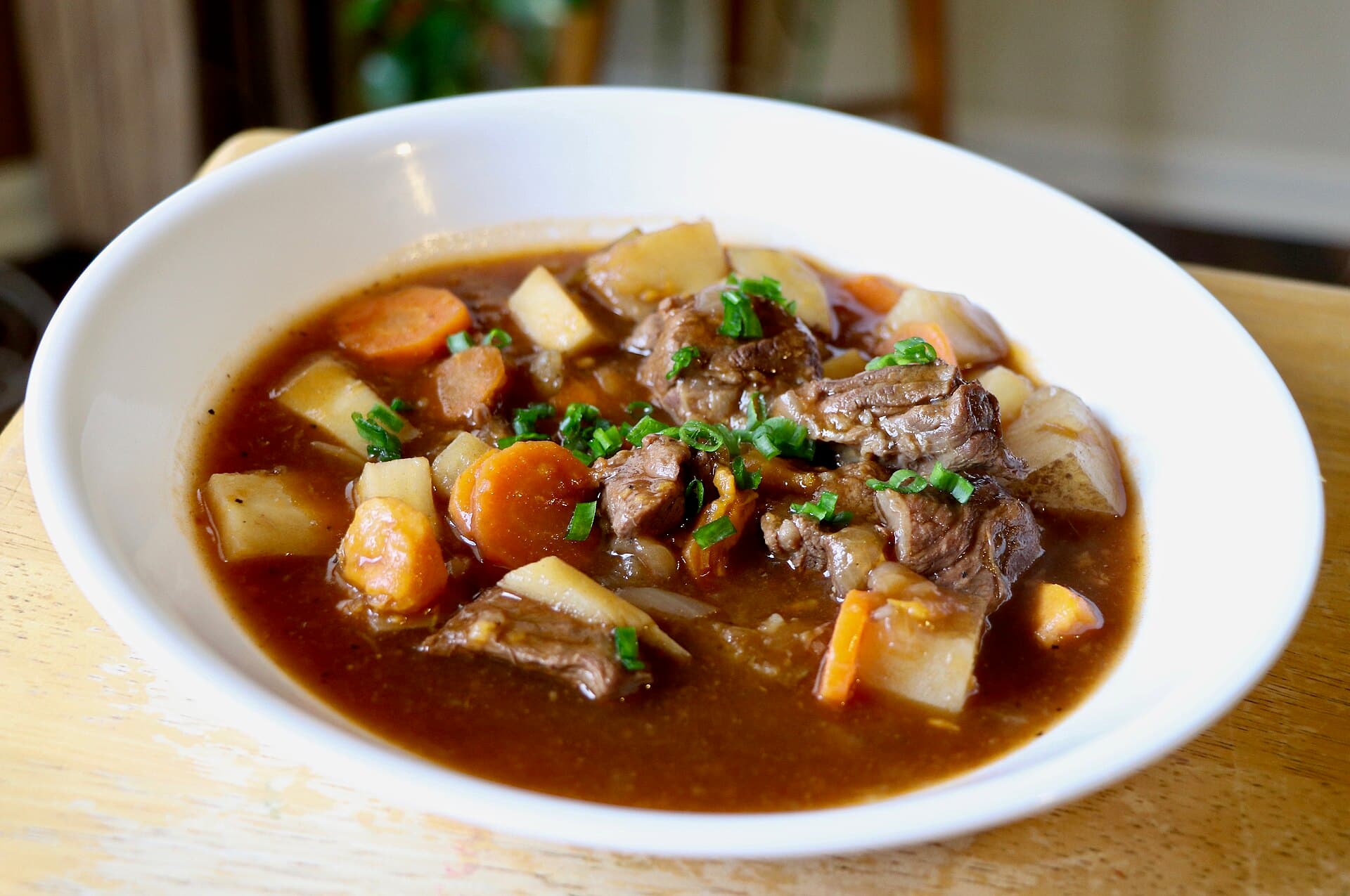
1800-2026
Beef stew is old-world pot cooking adapted to American beef country, boardinghouses, and family kitchens. Browning the meat, simmering it gently, and adding vegetables in stages turns inexpensive chuck into a cold-weather meal.
Same table
America's Melting Pot
Burgoo photo coming soon
1800-2026
Burgoo is Kentucky gathering food, cooked in big kettles for barbecues, political events, church fundraisers, Derby parties, and camps. Its origins are murky, with links to frontier stews, ragout, and communal cooking, but its identity is unmistakably Kentucky.
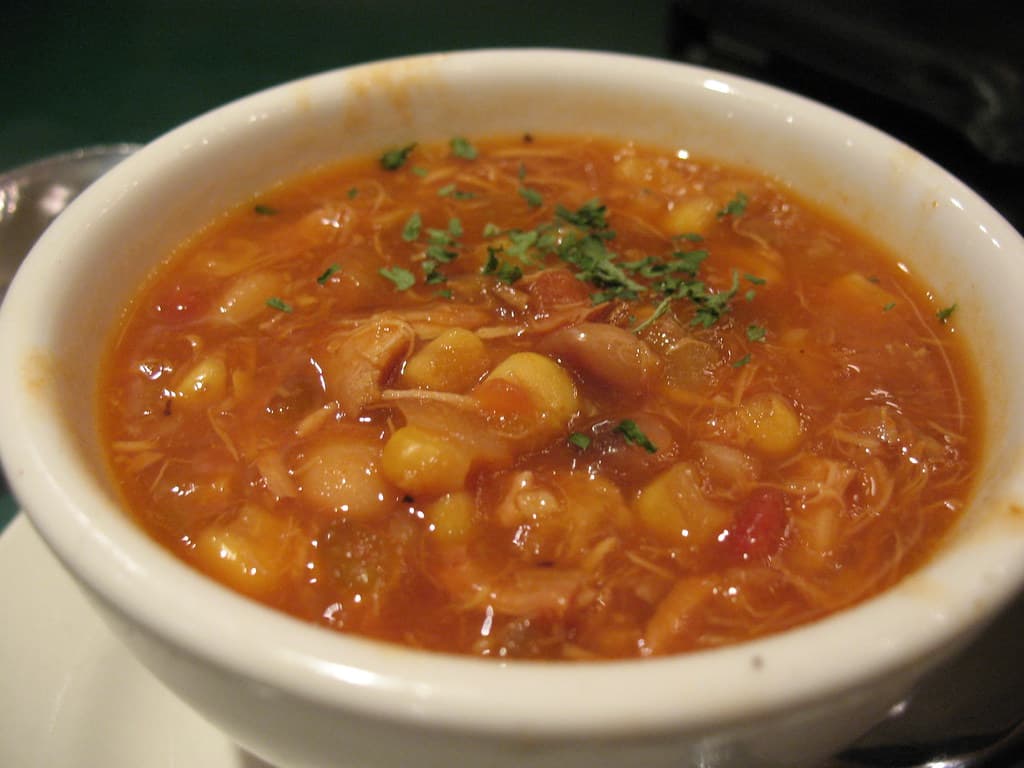
1828-2026
Brunswick stew has competing origin claims in Virginia and Georgia, and older roots in Southeastern stews that combined meat and corn. Modern versions are often linked to barbecue restaurants, church fundraisers, hunting camps, and community kettles.
America's Melting Pot
Cabbage Soup photo coming soon
1800-2026
Cabbage soup is old-world thrift cooking that fit American boardinghouses, mining camps, immigrant kitchens, and wartime tables. Cabbage stored well, stretched broth, and could become a light vegetable soup or a heartier meal with potatoes, beans, or meat.