
Recipe archive
Loading
Setting the table...
Fetching the latest recipes from the archive.
Loading
Fetching the latest recipes from the archive.
Recipe archive
America's Melting Pot
Braunschweiger Sandwich hero image coming soon
1800s-present - German immigrant sausage makers and Midwestern deli cooks
American braunschweiger is a smoked liver sausage closely associated with German-style deli and butcher traditions. In the Midwest and other German American communities, it became a quick sandwich filling with rye bread, mustard, onion, and pickles.
No featured photo yet. Upload a photo with your review. The highest-rated community photo may become this recipe's hero image.
Difficulty
Easy
Prep time
5 minutes
Cook time
0 minutes
Total time
5 minutes
Servings
1 sandwich
Region
German American delis and Midwestern kitchens
Era introduced
1800s-present
Introduced by
German immigrant sausage makers and Midwestern deli cooks
Recipe tools
Log in to save this recipe to a collection.
Braunschweiger can be divisive, but it is a real part of German American lunch culture. In North America the name usually means a smoked liver sausage with a soft spreadable texture. The sandwich is flexible: rye and mustard for a sharp deli version, mayonnaise and lettuce for a softer lunchbox version, and pickles or onions to cut the richness.
Share family changes, regional twists, or pantry-friendly adaptations as full community recipes.
Log in to submit a community recipe.
No community recipes yet. Submitted recipes are published right away.
Rate this recipe and share how it worked at your table.
Log in to review this recipe.
No reviews yet. Be the first to rate this recipe.
Recipes matched by era, region, occasion, ingredients, and cultural roots from the archive.
Same era
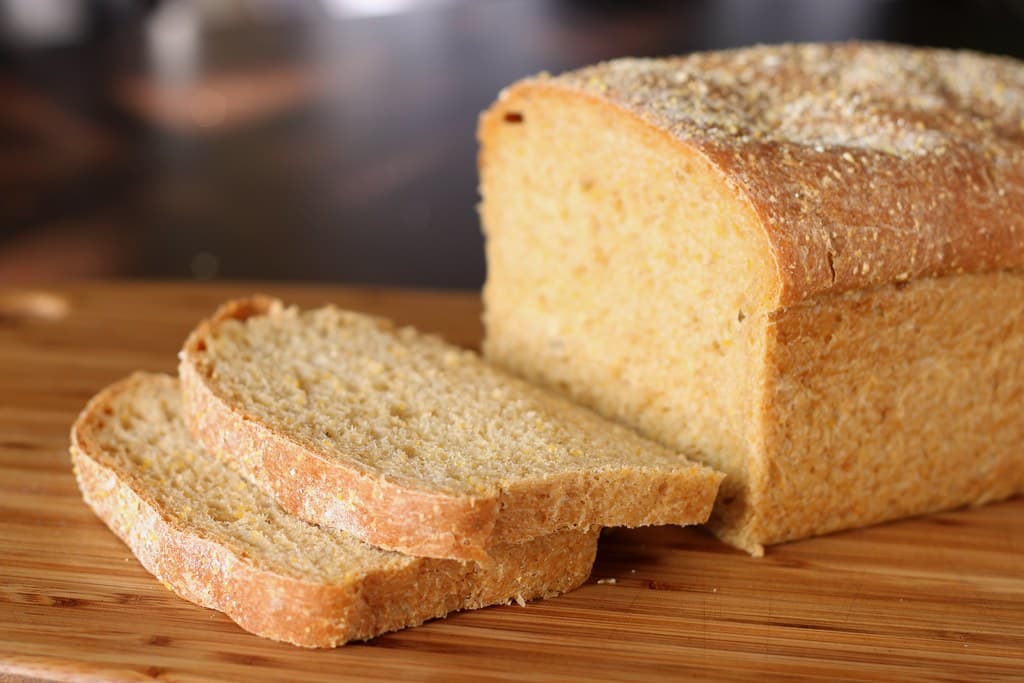
1800s-present
A lightly sweet New England loaf made with cornmeal, molasses, wheat flour, and yeast.
America's Melting Pot
Apple Cake photo coming soon
1800s-present
A tender apple-studded cake with cinnamon, butter, and a simple crumb topping.

1800s-present
A Pennsylvania Dutch-style dessert of cored apples wrapped in dough and baked with brown sugar syrup.
Same region
America's Melting Pot
Bacon Dressing / Hot Bacon Dressing photo coming soon
1800s-present
Bacon Dressing / Hot Bacon Dressing is a dressing with real American table personality: Pennsylvania Dutch and Midwestern spinach salad dressing. It brings flavor from Appalachia and Pennsylvania Dutch country to cookouts, counters, lunch plates, potlucks, and weeknight suppers.
America's Melting Pot
Beef and Noodles photo coming soon
1861-1900
Beef and noodles is plainspoken comfort food: slow-cooked beef, rich broth, and egg noodles served as a main dish or over mashed potatoes. It fits the railroad, boardinghouse, and settlement table because it stretches a roast into a filling meal and reflects German and Amish noodle traditions carried into the Midwest and Great Plains.
America's Melting Pot
Black Raspberry Jam photo coming soon
1700s-present
Black Raspberry Jam is a preserve with real American table personality: Midwest, Appalachia, and Pennsylvania tradition. It brings flavor from the Midwest and Great Lakes to cookouts, counters, lunch plates, potlucks, and weeknight suppers.
Same table
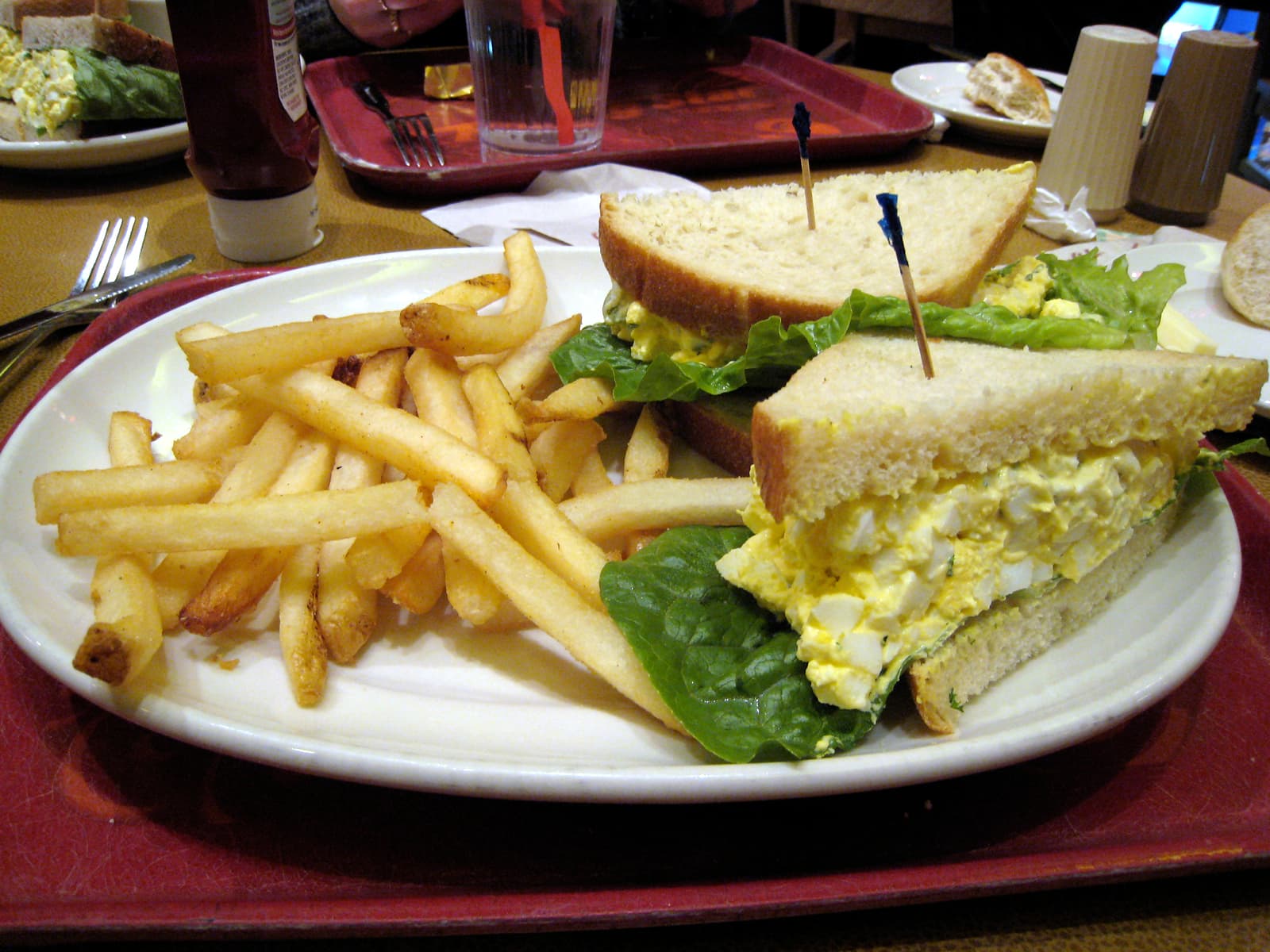
1890s-present
The Egg Salad Sandwich features chopped hard-boiled eggs mixed with mayonnaise and seasonings, served between slices of bread. A staple of American diners and lunch counters since the early 20th century, simple yet satisfying with variations in add-ins and bread choice.

1900-2026
The bologna sandwich is lunchbox America: inexpensive sliced meat, soft bread, and a condiment. Fried bologna versions became especially beloved in Southern diners, Midwestern bars, and home kitchens where a quick skillet turned lunch meat into comfort food.
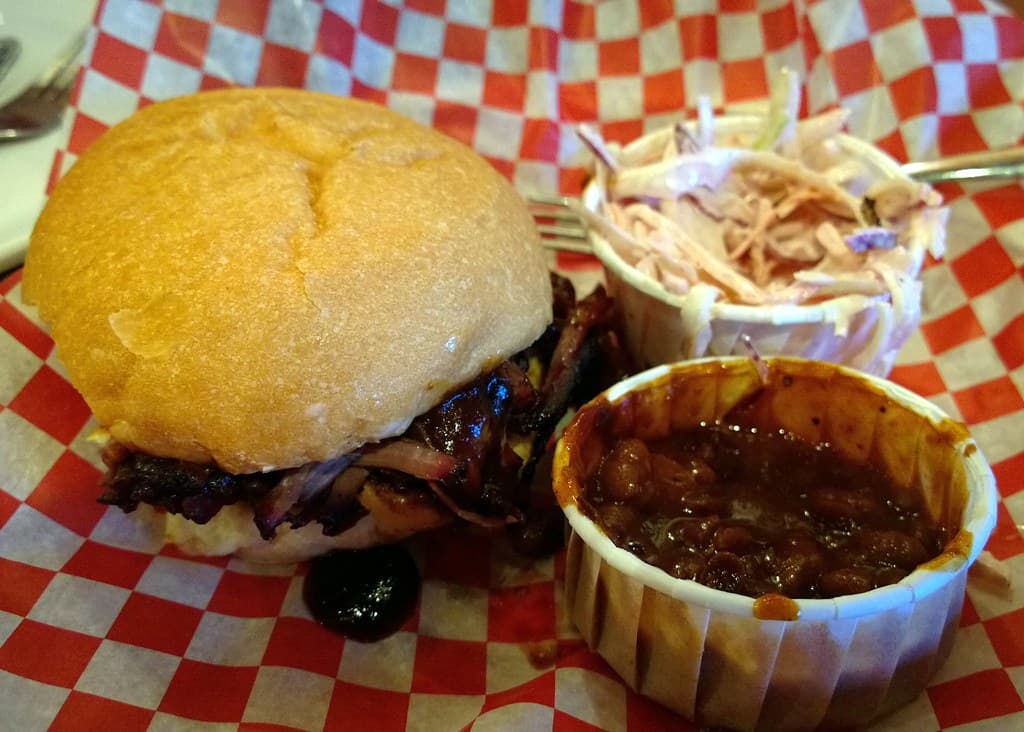
1900-2026
The brisket sandwich can come from two American lines: smoked barbecue brisket on a soft bun, or Jewish deli-style brisket on rye. Both turn slow-cooked beef into a handheld meal, with sharp pickles, mustard, slaw, or sauce balancing the richness.