
Recipe archive
Loading
Setting the table...
Fetching the latest recipes from the archive.
Loading
Fetching the latest recipes from the archive.
Recipe archive
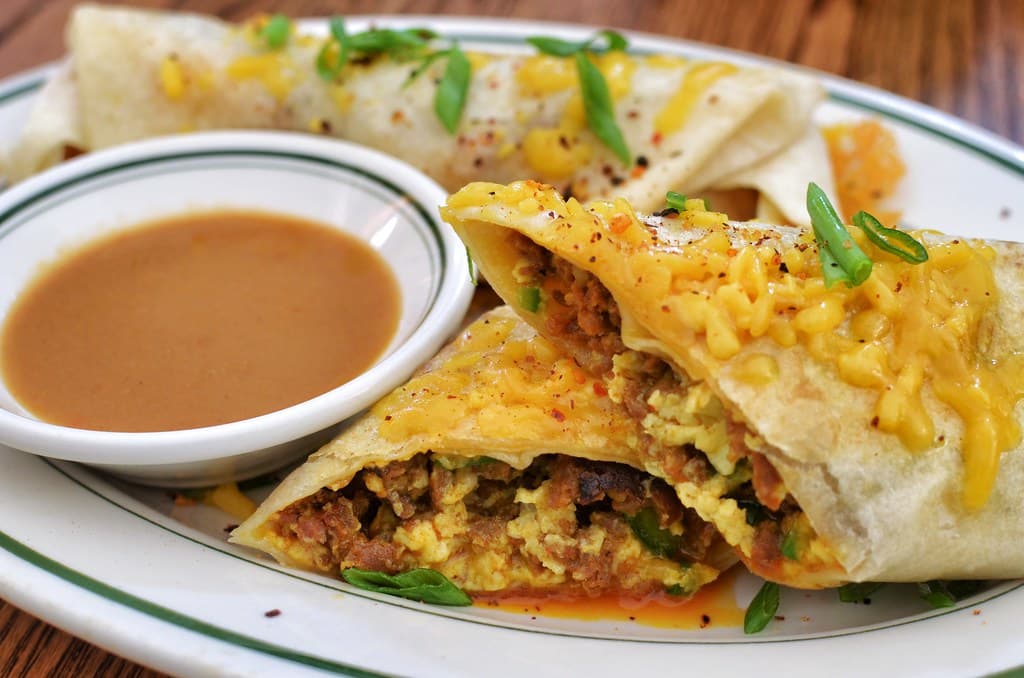
1980s-present - Tex-Mex cooks, Southwestern burrito shops, and American meal-prep home cooks
Batch breakfast burritos are the practical cousin of the New Mexican breakfast burrito: portable, freezable, and easy to feed to a group. Tex-Mex cooks, ranch cooks, food trucks, and home meal-preppers all helped make them a modern American breakfast standby.
Community-powered photos. Reviewers can upload dish photos, and the highest-rated community image may be featured here.
Difficulty
Easy
Prep time
25 minutes
Cook time
25 minutes
Total time
50 minutes
Servings
8 burritos
Region
Texas, the Southwest, and American meal-prep kitchens
Era introduced
1980s-present
Introduced by
Tex-Mex cooks, Southwestern burrito shops, and American meal-prep home cooks
Recipe tools
Log in to save this recipe to a collection.
The plural entry is for the tray, cooler, or freezer bag: a batch of breakfast burritos wrapped for a group. The fillings are flexible, but eggs, potatoes, cheese, and a savory meat or beans make the structure. They belong to tailgates, ranch breakfasts, commuter mornings, and weekend meal prep as much as restaurant menus.
Share family changes, regional twists, or pantry-friendly adaptations as full community recipes.
Log in to submit a community recipe.
No community recipes yet. Submitted recipes are published right away.
Rate this recipe and share how it worked at your table.
Log in to review this recipe.
No reviews yet. Be the first to rate this recipe.
Recipes matched by era, region, occasion, ingredients, and cultural roots from the archive.
Same era
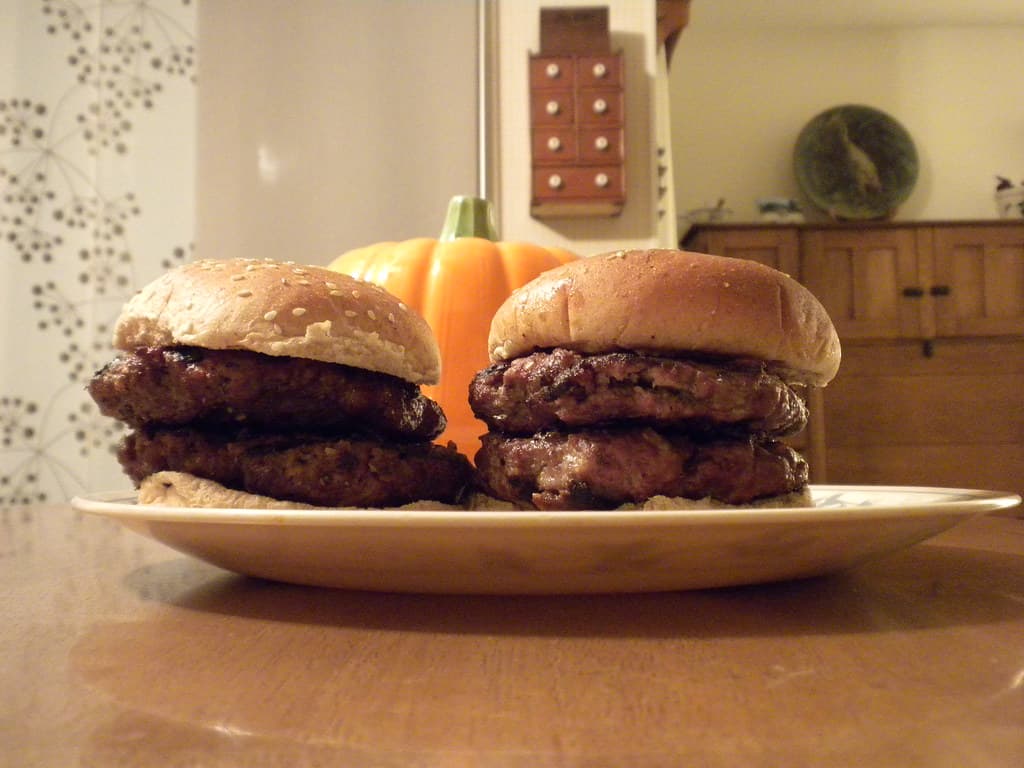
1980-2026
Bison burgers are a modern restaurant and backyard form of a much older Great Plains food story. Bison sustained Indigenous nations for centuries; after near-destruction in the 19th century, ranching and restoration made bison meat more available again.
America's Melting Pot
Bloomin? Onion-Style Onion Blossom photo coming soon
1980-2026
The onion blossom is a late-20th-century chain-restaurant spectacle: part onion ring, part table centerpiece. Outback Steakhouse popularized the Bloomin Onion nationally after opening in 1988, though similar blooming onion ideas circulated before it.
America's Melting Pot
Bourbon Chicken photo coming soon
1980-2026
Bourbon chicken is modern American fusion food: bite-size chicken in a sticky sweet-savory sauce, associated with Bourbon Street in New Orleans and later with mall food courts and American-Chinese steam tables. Some versions include bourbon whiskey; others keep the name and skip the liquor.
Same region
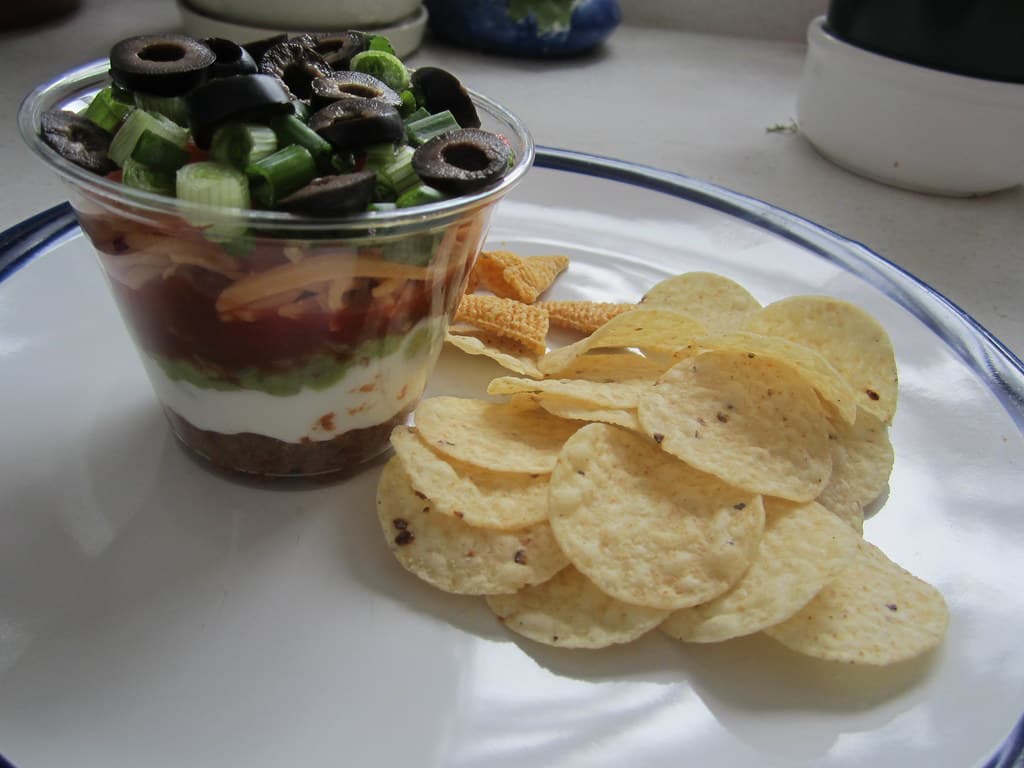
1900s-present
7-Layer Dip is a party dip with real American table personality: Tex-Mex party dish. It brings flavor from Texas and the Southwest to cookouts, counters, lunch plates, potlucks, and weeknight suppers.
America's Melting Pot
American Cocktail Sauce photo coming soon
1900s-present
American Cocktail Sauce is a seafood sauce with real American table personality: Ketchup/chili sauce plus horseradish; shrimp cocktail, oysters, crab claws. It brings flavor from Texas and the Southwest to cookouts, counters, lunch plates, potlucks, and weeknight suppers.
America's Melting Pot
Avocado Ranch photo coming soon
1980s-present
Avocado Ranch is a dressing with real American table personality: Modern Southwest-American variation. It brings flavor from the American South to cookouts, counters, lunch plates, potlucks, and weeknight suppers.
Same table
America's Melting Pot
Breakfast Burrito photo coming soon
1970-2026
The breakfast burrito belongs to the modern Southwest, with Santa Fe and New Mexican restaurants especially important to the name and style. It can be handheld with chile tucked inside or smothered with red or green chile on the plate.
America's Melting Pot
Breakfast Tacos photo coming soon
1970-2026
Breakfast tacos are a Mexican American and Tejano morning food strongly associated with South Texas, San Antonio, and Austin. They became a food-truck and cafe staple because a warm tortilla makes eggs, potatoes, beans, bacon, and salsa portable without turning them into a burrito.
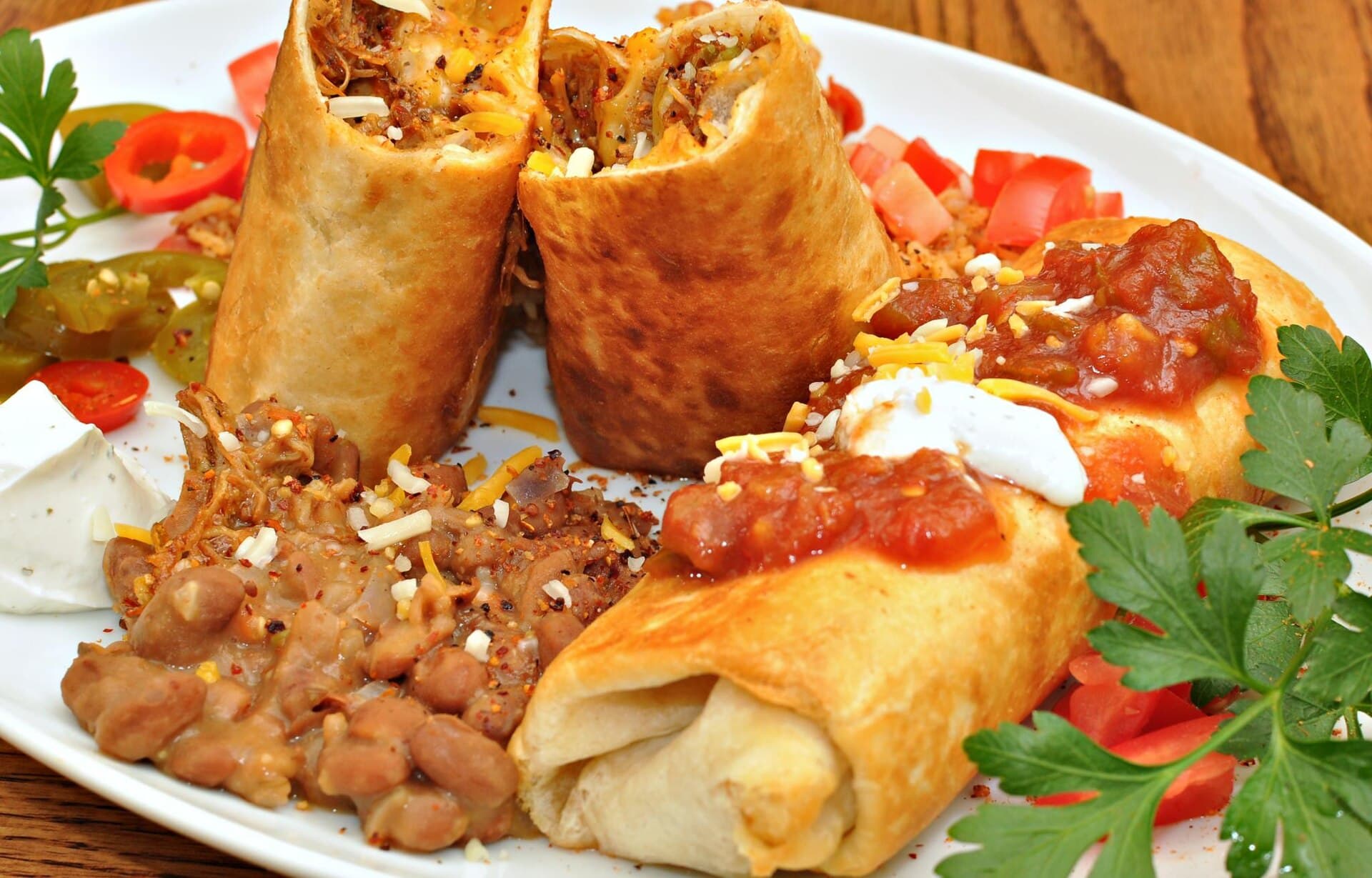
1970-1989
Chimichangas are an iconic Tex-Mex dish featuring deep-fried burritos filled with savory ingredients like meat, cheese, and beans. Emerging in the United States between the 1970s and 1980s, they combine traditional Mexican elements with the American preference for fried foods and convenience. Often enjoyed at tailgates and casual gatherings, chimichangas showcase fusion cuisine blending Mexican-American culinary traditions with fast food culture.