
Recipe archive
Loading
Setting the table...
Fetching the latest recipes from the archive.
Loading
Fetching the latest recipes from the archive.
Recipe archive
America's Melting Pot
Bourbon Chicken hero image coming soon
1980s-present - Chinese American restaurant cooks and mall food-court operators popularizing Bourbon Street-style chicken
Bourbon chicken is modern American fusion food: bite-size chicken in a sticky sweet-savory sauce, associated with Bourbon Street in New Orleans and later with mall food courts and American-Chinese steam tables. Some versions include bourbon whiskey; others keep the name and skip the liquor.
No featured photo yet. Upload a photo with your review. The highest-rated community photo may become this recipe's hero image.
Difficulty
Easy
Prep time
15 minutes
Cook time
20 minutes
Total time
35 minutes
Servings
4 servings
Region
New Orleans, malls, and American-Chinese restaurants
Era introduced
1980s-present
Introduced by
Chinese American restaurant cooks and mall food-court operators popularizing Bourbon Street-style chicken
Recipe tools
Log in to save this recipe to a collection.
Bourbon chicken belongs to the era when mall food courts turned regional and immigrant cooking into fast, glossy, sample-on-a-toothpick meals. The dish is generally linked to Bourbon Street in New Orleans and American-Chinese or Cajun-themed counters rather than to a single settled tradition. A practical home version browns chicken pieces and glazes them in a sauce of soy sauce, brown sugar, garlic, ginger, and bourbon or apple juice.
Share family changes, regional twists, or pantry-friendly adaptations as full community recipes.
Log in to submit a community recipe.
No community recipes yet. Submitted recipes are published right away.
Rate this recipe and share how it worked at your table.
Log in to review this recipe.
No reviews yet. Be the first to rate this recipe.
Recipes matched by era, region, occasion, ingredients, and cultural roots from the archive.
Same era
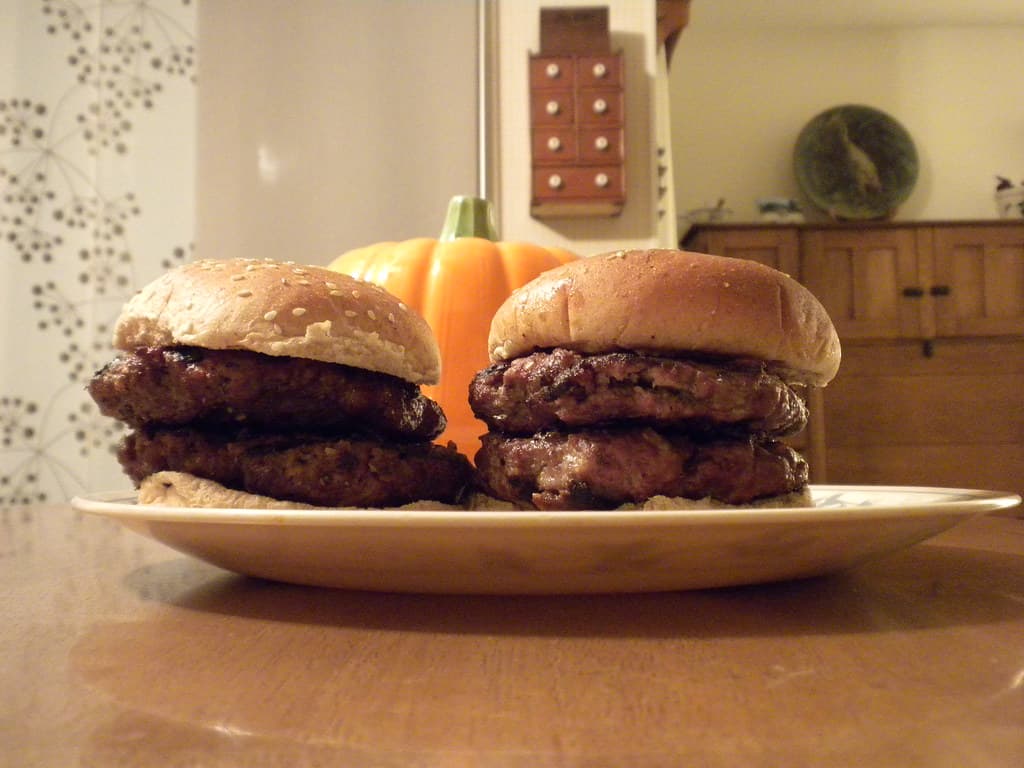
1980-2026
Bison burgers are a modern restaurant and backyard form of a much older Great Plains food story. Bison sustained Indigenous nations for centuries; after near-destruction in the 19th century, ranching and restoration made bison meat more available again.
America's Melting Pot
Bloomin? Onion-Style Onion Blossom photo coming soon
1980-2026
The onion blossom is a late-20th-century chain-restaurant spectacle: part onion ring, part table centerpiece. Outback Steakhouse popularized the Bloomin Onion nationally after opening in 1988, though similar blooming onion ideas circulated before it.
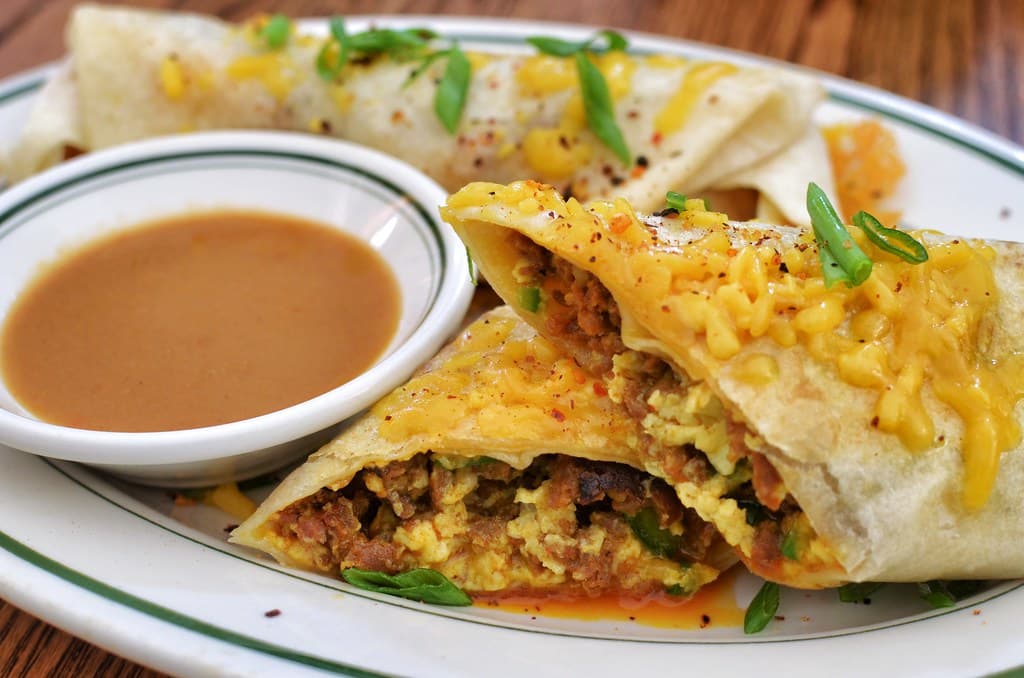
1980-2026
Batch breakfast burritos are the practical cousin of the New Mexican breakfast burrito: portable, freezable, and easy to feed to a group. Tex-Mex cooks, ranch cooks, food trucks, and home meal-preppers all helped make them a modern American breakfast standby.
Same region
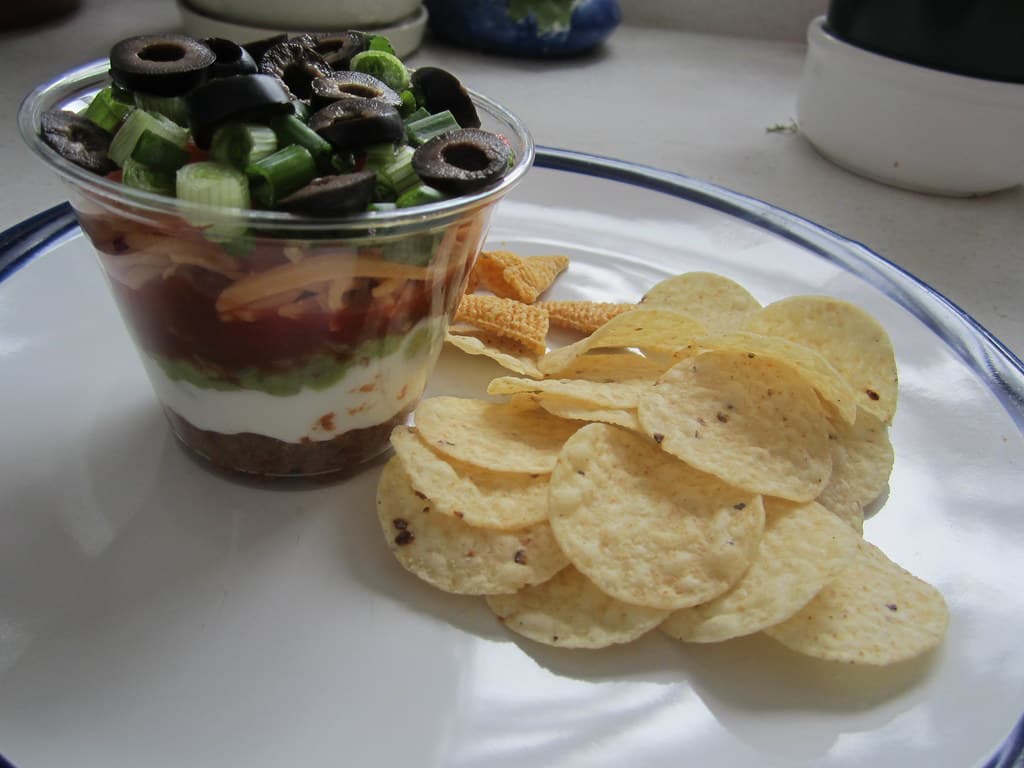
1900s-present
7-Layer Dip is a party dip with real American table personality: Tex-Mex party dish. It brings flavor from Texas and the Southwest to cookouts, counters, lunch plates, potlucks, and weeknight suppers.
America's Melting Pot
Air Fryer Pickles photo coming soon
2010-2026
Dill pickle chips breaded with seasoned panko and air-fried into a tangy, crunchy snack.
America's Melting Pot
Alabama White Sauce photo coming soon
1700s-present
Alabama White Sauce is a barbecue sauce with real American table personality: Mayonnaise-based sauce strongly associated with Big Bob Gibson Bar-B-Q and northern Alabama chicken barbecue. It brings flavor from the American South to cookouts, counters, lunch plates, potlucks, and weeknight suppers.
Same table
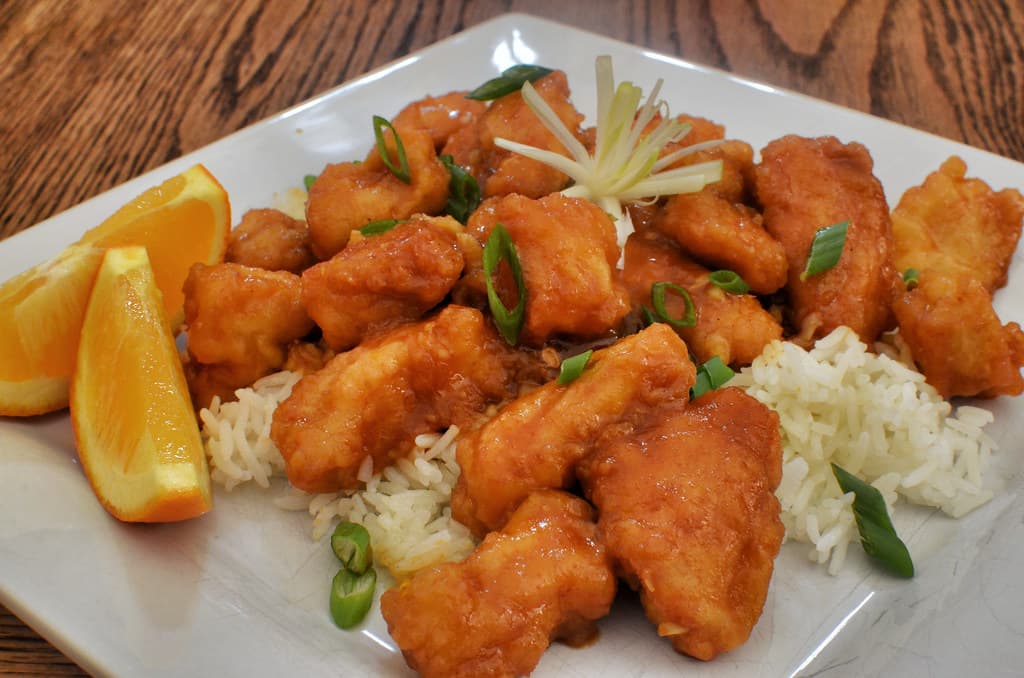
1987-present
Orange Chicken is a popular Chinese-American fried chicken dish coated in a sweet, tangy orange-flavored sauce. Emerging from Chinese immigrant restaurant cuisines in early 20th century America, it has become a ubiquitous menu item blending American tastes with Chinese culinary techniques.
America's Melting Pot
Almond Chicken photo coming soon
1900s-present
Crisp boneless chicken served over lettuce with brown gravy, scallions, and toasted almonds.
America's Melting Pot
Butter Chicken photo coming soon
1975-2026
Butter chicken, or murgh makhani, is associated with Moti Mahal and Punjabi cooks who turned tandoori chicken into a rich tomato-butter gravy. In the United States, Indian restaurants, immigrant cooks, supermarket sauces, and suburban takeout made it one of the best-known Indian dishes for American diners.