
Recipe archive
Loading
Setting the table...
Fetching the latest recipes from the archive.
Loading
Fetching the latest recipes from the archive.
Recipe archive
America's Melting Pot
Breakfast Burrito hero image coming soon
1970s-present - New Mexican cooks and Santa Fe restaurants popularizing tortilla-wrapped breakfasts
The breakfast burrito belongs to the modern Southwest, with Santa Fe and New Mexican restaurants especially important to the name and style. It can be handheld with chile tucked inside or smothered with red or green chile on the plate.
No featured photo yet. Upload a photo with your review. The highest-rated community photo may become this recipe's hero image.
Difficulty
Easy
Prep time
15 minutes
Cook time
20 minutes
Total time
35 minutes
Servings
2 burritos
Region
New Mexico and the American Southwest
Era introduced
1970s-present
Introduced by
New Mexican cooks and Santa Fe restaurants popularizing tortilla-wrapped breakfasts
Recipe tools
Log in to save this recipe to a collection.
New Mexicans had long wrapped morning foods in tortillas before the phrase breakfast burrito became widespread. Santa Fe restaurant lore often points to Tia Sophia's in the 1970s as an early menu use of the term. This version keeps the New Mexican signal clear with potatoes, eggs, cheese, and green chile, with the option to serve it handheld or smothered.
Share family changes, regional twists, or pantry-friendly adaptations as full community recipes.
Log in to submit a community recipe.
No community recipes yet. Submitted recipes are published right away.
Rate this recipe and share how it worked at your table.
Log in to review this recipe.
No reviews yet. Be the first to rate this recipe.
Recipes matched by era, region, occasion, ingredients, and cultural roots from the archive.
Same era
America's Melting Pot
Baked Potato Bar photo coming soon
1970-2026
Fluffy baked russet potatoes served with chili, cheese sauce, broccoli, bacon, sour cream, scallions, and other toppings for a crowd-friendly bar.
1975-2026
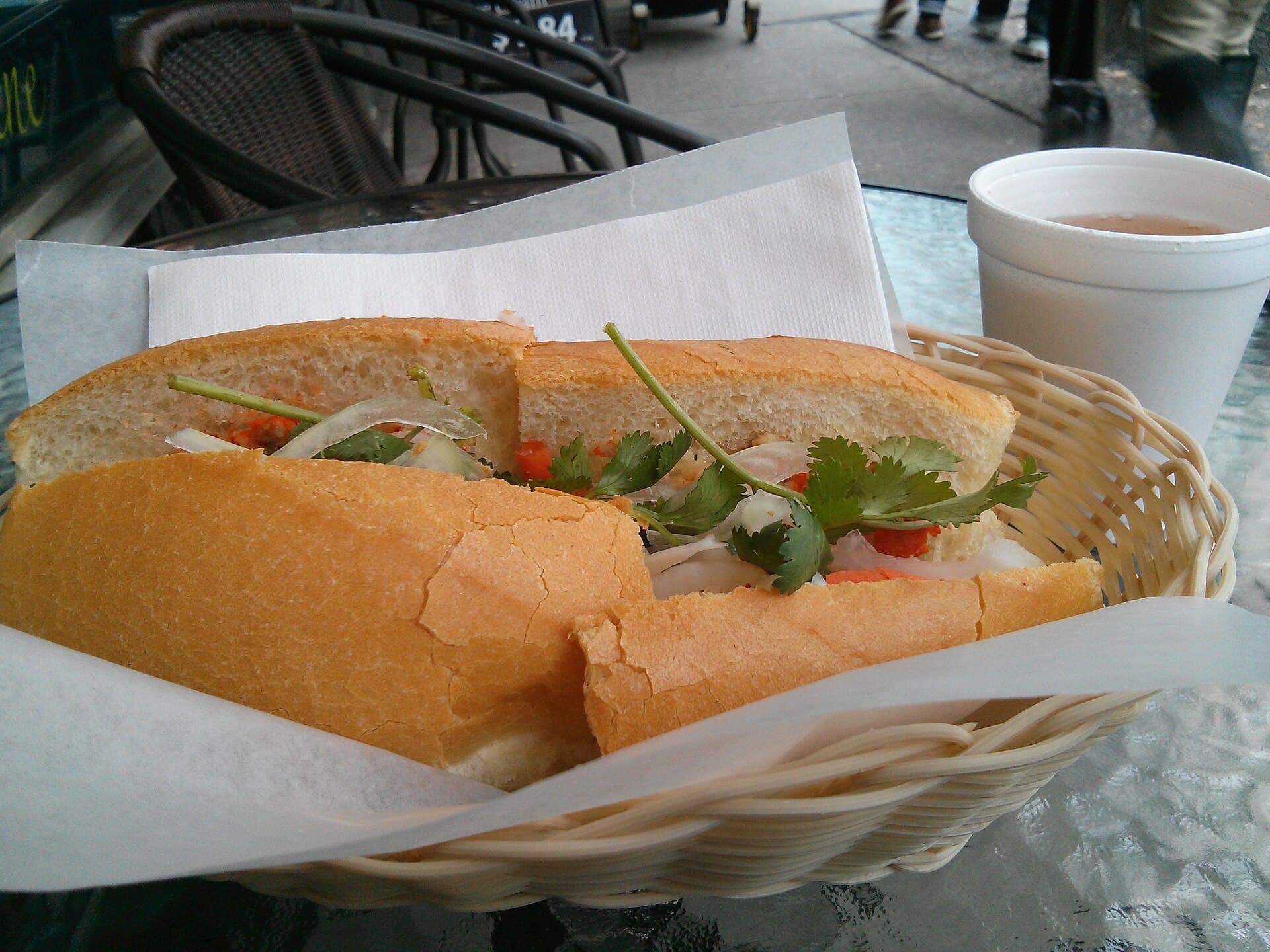
A Vietnamese American banh mi sandwich with crisp baguette, mayonnaise, pate, pork or tofu, pickled carrot and daikon, cucumber, jalapeno, and cilantro.
America's Melting Pot
BBQ Beef Sandwiches photo coming soon
1970-2026
This sandwich turns pot roast into crowd food: cook beef until it pulls apart, simmer it in barbecue sauce, and serve it from a slow cooker or Dutch oven. It fits the late-20th-century world of booster clubs, church suppers, and game-day tables, where economical roasts could feed a line of hungry fans.
Same region
1900s-present
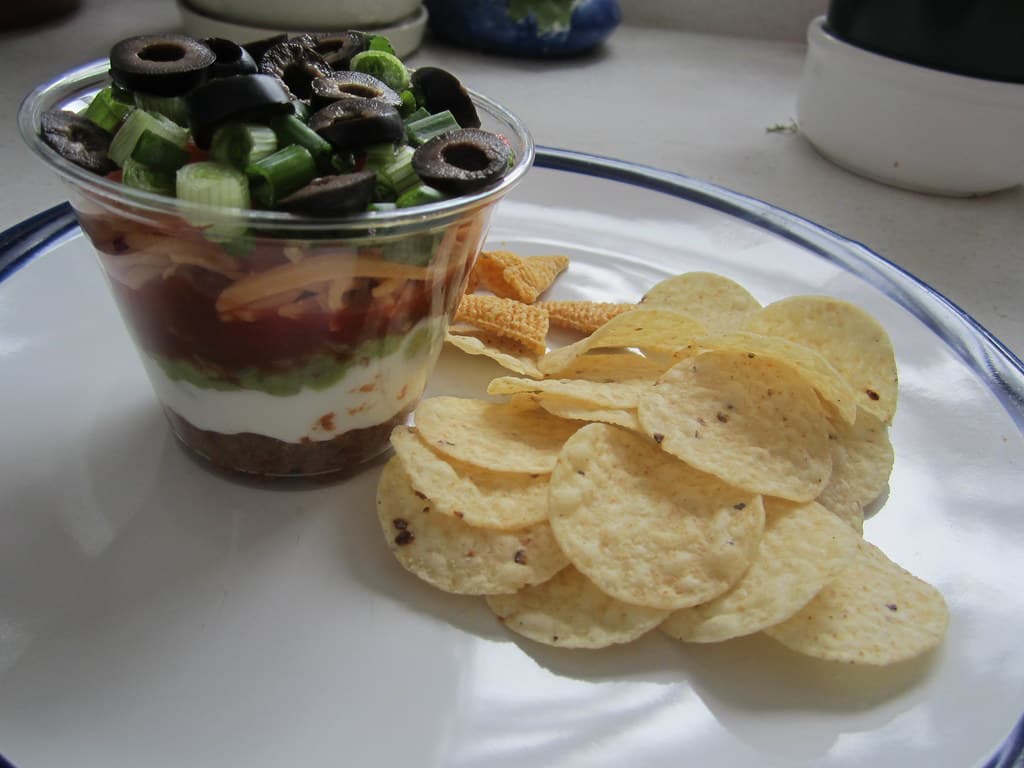
7-Layer Dip is a party dip with real American table personality: Tex-Mex party dish. It brings flavor from Texas and the Southwest to cookouts, counters, lunch plates, potlucks, and weeknight suppers.
America's Melting Pot
American Cocktail Sauce photo coming soon
1900s-present
American Cocktail Sauce is a seafood sauce with real American table personality: Ketchup/chili sauce plus horseradish; shrimp cocktail, oysters, crab claws. It brings flavor from Texas and the Southwest to cookouts, counters, lunch plates, potlucks, and weeknight suppers.
America's Melting Pot
Avocado Ranch photo coming soon
1980s-present
Avocado Ranch is a dressing with real American table personality: Modern Southwest-American variation. It brings flavor from the American South to cookouts, counters, lunch plates, potlucks, and weeknight suppers.
Same table
America's Melting Pot
Breakfast Tacos photo coming soon
1970-2026
Breakfast tacos are a Mexican American and Tejano morning food strongly associated with South Texas, San Antonio, and Austin. They became a food-truck and cafe staple because a warm tortilla makes eggs, potatoes, beans, bacon, and salsa portable without turning them into a burrito.
America's Melting Pot
Breakfast Skillet photo coming soon
1970-2026
Breakfast skillets are classic American diner and family-restaurant food: potatoes on the bottom, eggs on top, and enough meat, cheese, and vegetables to make breakfast feel like a full meal. They also translate easily to home cooking because one pan does most of the work.
America's Melting Pot
Breakfast Pizza photo coming soon
1990-2026
Breakfast pizza turns pizza into a convenience-store and school-morning breakfast. In the Midwest, Casey's helped make the style famous with slices topped with gravy or cheese sauce, eggs, sausage or bacon, and plenty of cheese.