
Recipe archive
Loading
Setting the table...
Fetching the latest recipes from the archive.
Loading
Fetching the latest recipes from the archive.
Recipe archive
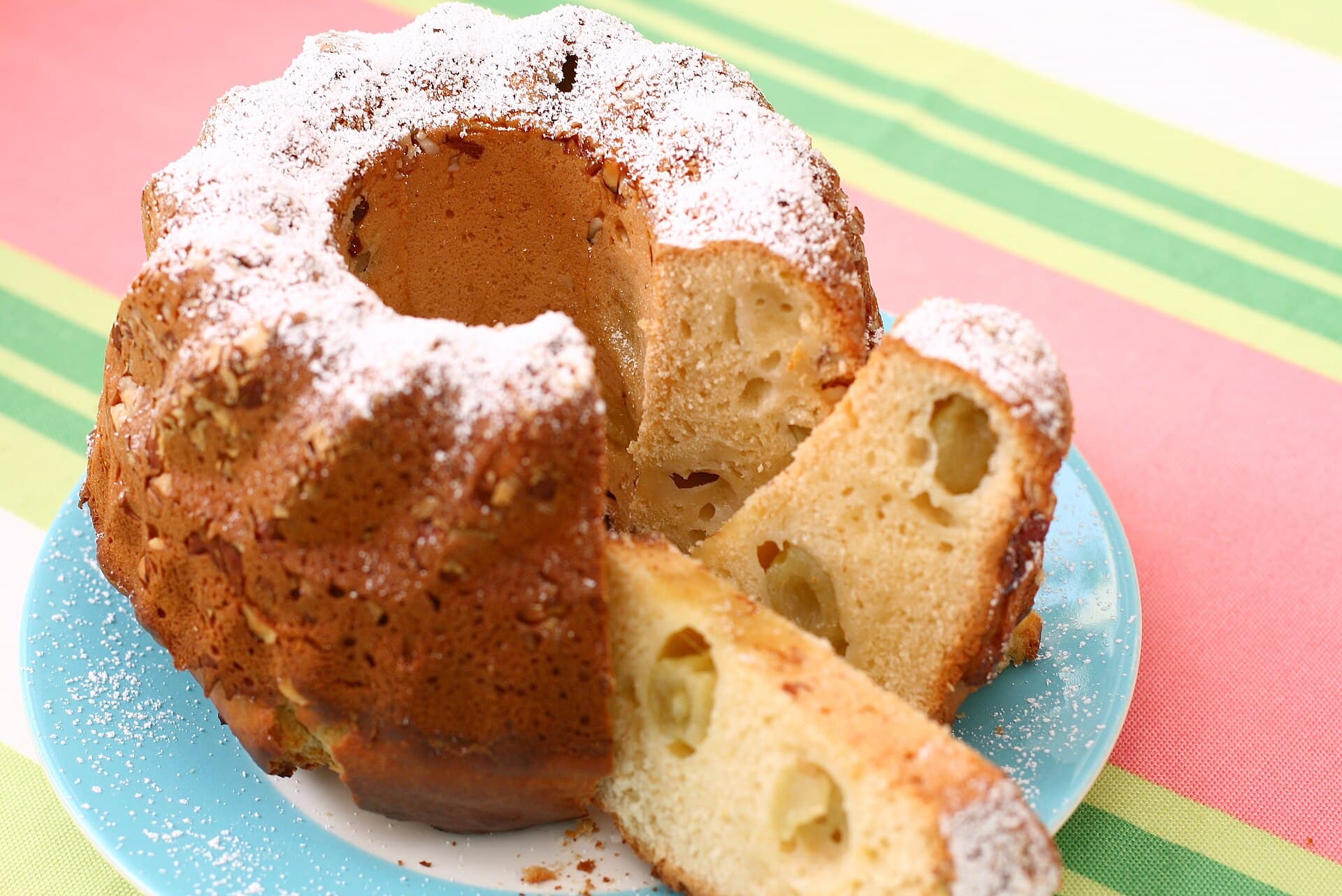
1950s-present - Nordic Ware, Hadassah Society home bakers, and Pillsbury Bake-Off contestants
Bundt cake is as much about the pan as the batter. Nordic Ware created the Bundt pan in 1950 for home bakers seeking a kugelhopf-style shape, and Ella Helfrich's 1966 Tunnel of Fudge cake sent Bundt baking into American kitchens.
Community-powered photos. Reviewers can upload dish photos, and the highest-rated community image may be featured here.
Difficulty
Easy
Prep time
20 minutes
Cook time
55 minutes
Total time
1 hour 15 minutes
Servings
12 servings
Region
United States home kitchens and bake sales
Era introduced
1950s-present
Introduced by
Nordic Ware, Hadassah Society home bakers, and Pillsbury Bake-Off contestants
Recipe tools
Log in to save this recipe to a collection.
The Bundt pan made a plain cake look special. The shape comes from European ring-cake traditions, but the American Bundt story runs through Minnesota manufacturer Nordic Ware and the Pillsbury Bake-Off. After the Tunnel of Fudge cake became a sensation in 1966, Bundt cakes became staples of parties, church suppers, and family dessert tables. This version is a simple sour-cream vanilla Bundt with a glaze.
Share family changes, regional twists, or pantry-friendly adaptations as full community recipes.
Log in to submit a community recipe.
No community recipes yet. Submitted recipes are published right away.
Rate this recipe and share how it worked at your table.
Log in to review this recipe.
No reviews yet. Be the first to rate this recipe.
Recipes matched by era, region, occasion, ingredients, and cultural roots from the archive.
Same era
America's Melting Pot
Breakfast Casserole photo coming soon
1950-2026
Breakfast casserole is built for mornings when the cook wants the work done early. Midcentury casserole culture, church cookbooks, and holiday hosting made the overnight egg, bread, sausage, and cheese bake a reliable American brunch dish.
America's Melting Pot
Broccoli Rice Casserole photo coming soon
1950-2026
Broccoli rice casserole is a classic convenience-era side dish. Frozen broccoli, quick rice, condensed soup, and processed cheese made it easy for home cooks to put a green vegetable, starch, and creamy sauce into one holiday or potluck pan.
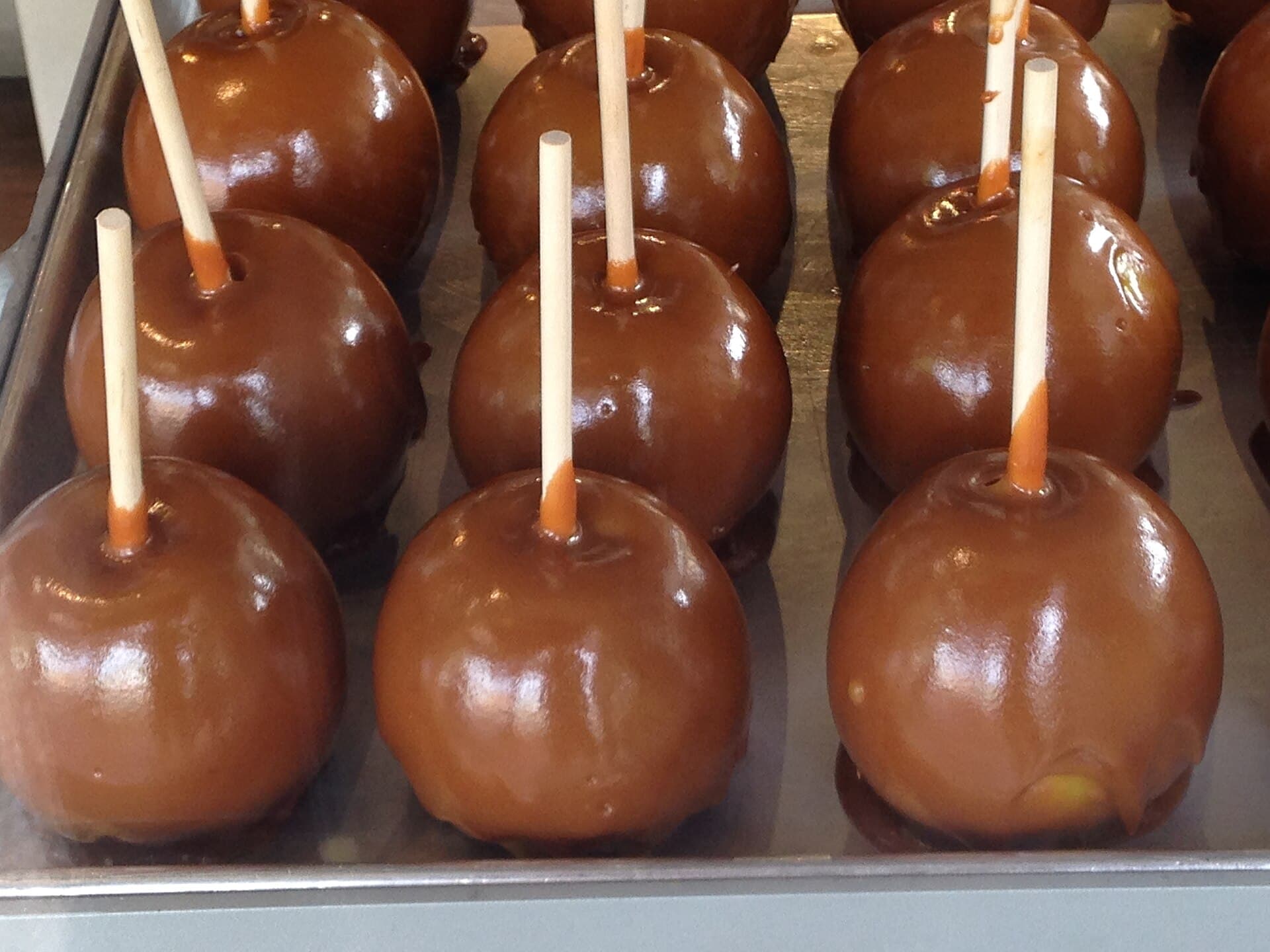
1950-2026
Caramel apples followed candy apples but became their own American fall tradition. Kraft employee Dan Walker is widely credited with developing the caramel apple in the 1950s while experimenting with leftover Halloween caramels.
Same region
America's Melting Pot
Air Fryer Cheese Curds photo coming soon
2010-2026
Fresh cheese curds coated in seasoned panko, chilled, and air-fried until crisp outside and molten inside.
America's Melting Pot
Air Fryer Tater Tots photo coming soon
2010-2026
Frozen potato tots cooked in the air fryer until deeply crisp outside and fluffy inside.
America's Melting Pot
Almond Chicken photo coming soon
1900s-present
Crisp boneless chicken served over lettuce with brown gravy, scallions, and toasted almonds.
Same table
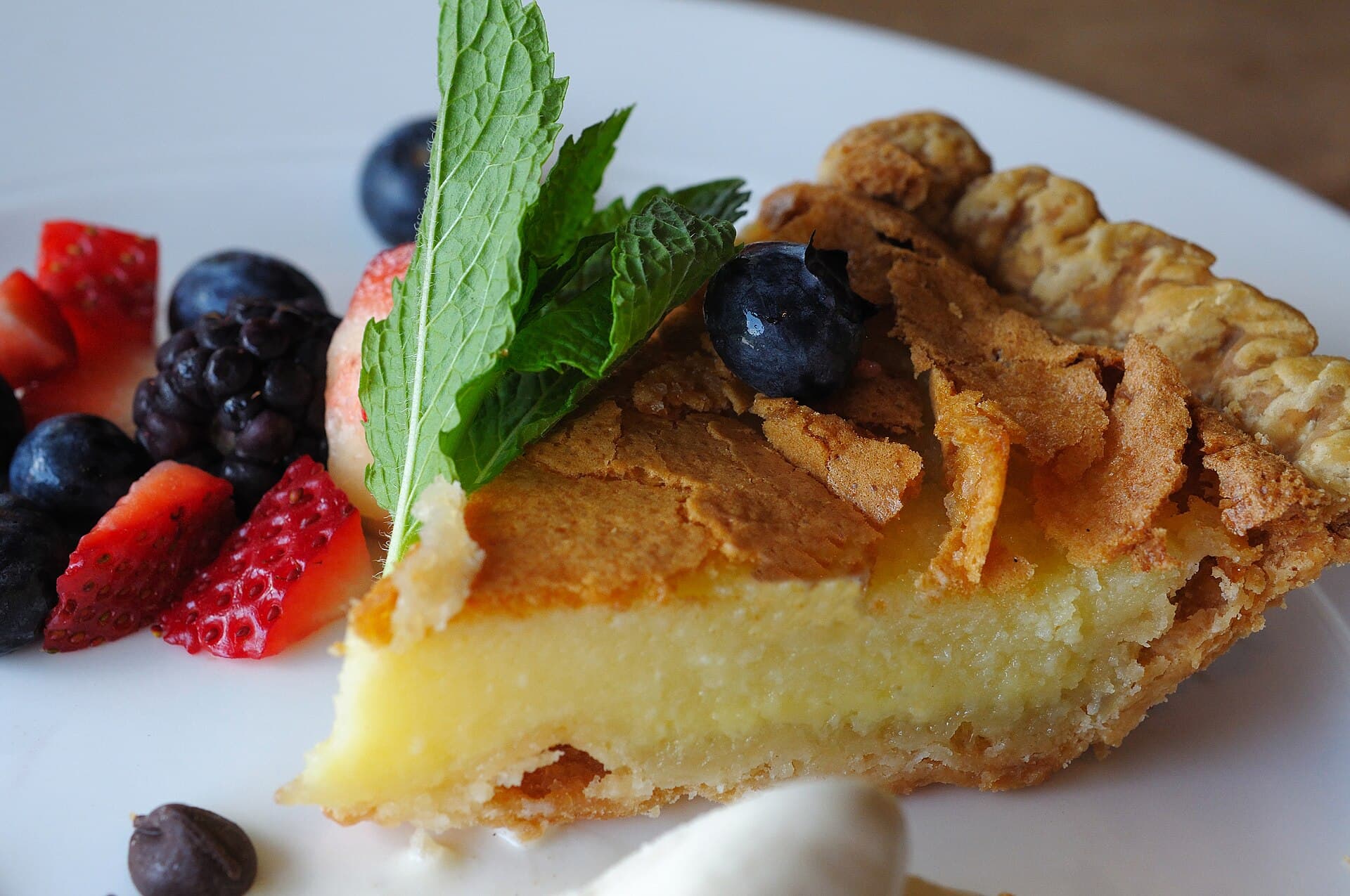
1800-2026
Buttermilk pie is a Southern pantry pie: inexpensive, tangy, and available when fruit is out of season. It sits near chess pie and other desperation pies, using buttermilk and a few staple ingredients to make a custard filling in a plain pie shell.
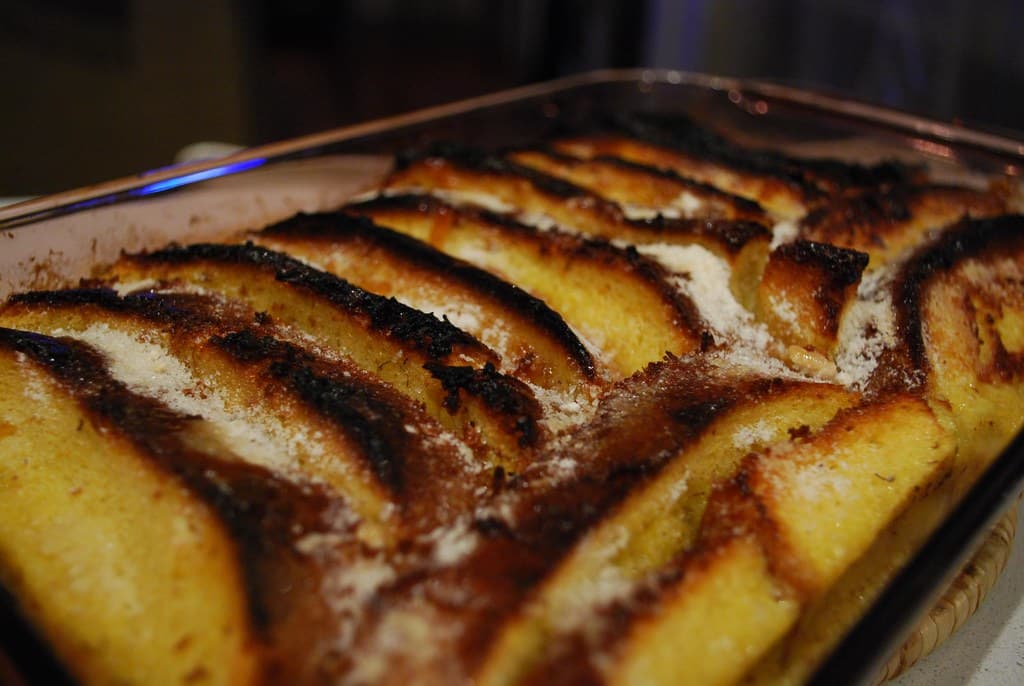
1700-2026
Bread pudding is one of the clearest examples of kitchen thrift becoming comfort food. English colonists brought bread-and-custard pudding habits to America, where cooks used stale bread, milk, eggs, sugar, and spices to make a dessert from leftovers.
America's Melting Pot
Banana Bars photo coming soon
1946-2026
Moist banana bars baked in a sheet pan and topped with cream cheese frosting, made for church basements, lunchrooms, and family potlucks.