
Recipe archive
Loading
Setting the table...
Fetching the latest recipes from the archive.
Loading
Fetching the latest recipes from the archive.
Recipe archive
America's Melting Pot
Breakfast Casserole hero image coming soon
1950s-present - Midcentury American home cooks and community cookbook editors
Breakfast casserole is built for mornings when the cook wants the work done early. Midcentury casserole culture, church cookbooks, and holiday hosting made the overnight egg, bread, sausage, and cheese bake a reliable American brunch dish.
No featured photo yet. Upload a photo with your review. The highest-rated community photo may become this recipe's hero image.
Difficulty
Easy
Prep time
20 minutes plus chilling
Cook time
55 minutes
Total time
1 hour 15 minutes plus chilling
Servings
8 servings
Region
United States brunch and holiday tables
Era introduced
1950s-present
Introduced by
Midcentury American home cooks and community cookbook editors
Recipe tools
Log in to save this recipe to a collection.
The classic breakfast casserole borrows from strata: bread soaks up a seasoned egg-and-milk custard, sausage adds savoriness, and cheese browns on top. Its real strength is timing. Assemble it the night before, refrigerate it, and bake it while people gather for Christmas morning, brunch, or a weekend family breakfast.
Share family changes, regional twists, or pantry-friendly adaptations as full community recipes.
Log in to submit a community recipe.
No community recipes yet. Submitted recipes are published right away.
Rate this recipe and share how it worked at your table.
Log in to review this recipe.
No reviews yet. Be the first to rate this recipe.
Recipes matched by era, region, occasion, ingredients, and cultural roots from the archive.
Same era
America's Melting Pot
Broccoli Rice Casserole photo coming soon
1950-2026
Broccoli rice casserole is a classic convenience-era side dish. Frozen broccoli, quick rice, condensed soup, and processed cheese made it easy for home cooks to put a green vegetable, starch, and creamy sauce into one holiday or potluck pan.
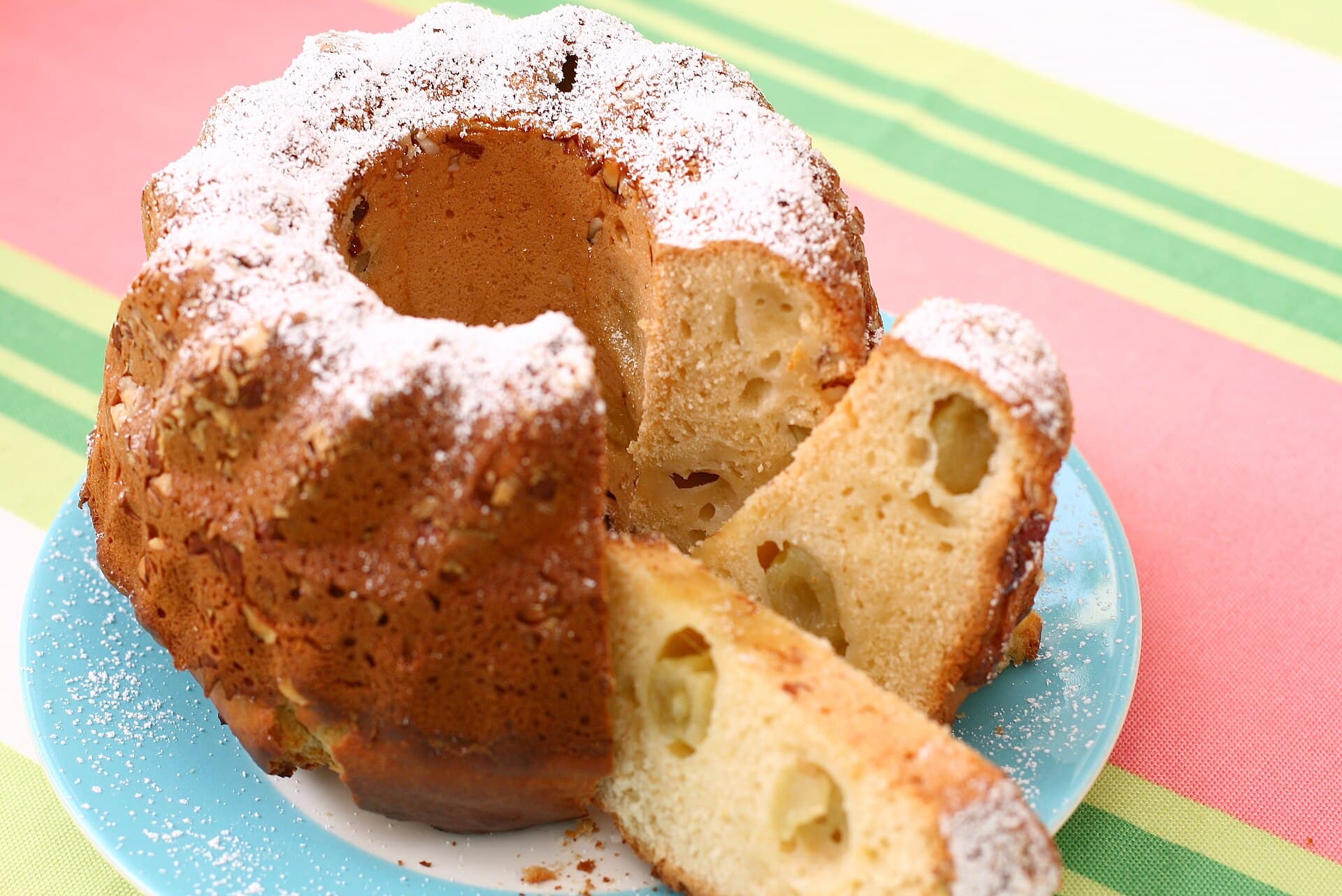
1950-2026
Bundt cake is as much about the pan as the batter. Nordic Ware created the Bundt pan in 1950 for home bakers seeking a kugelhopf-style shape, and Ella Helfrich's 1966 Tunnel of Fudge cake sent Bundt baking into American kitchens.
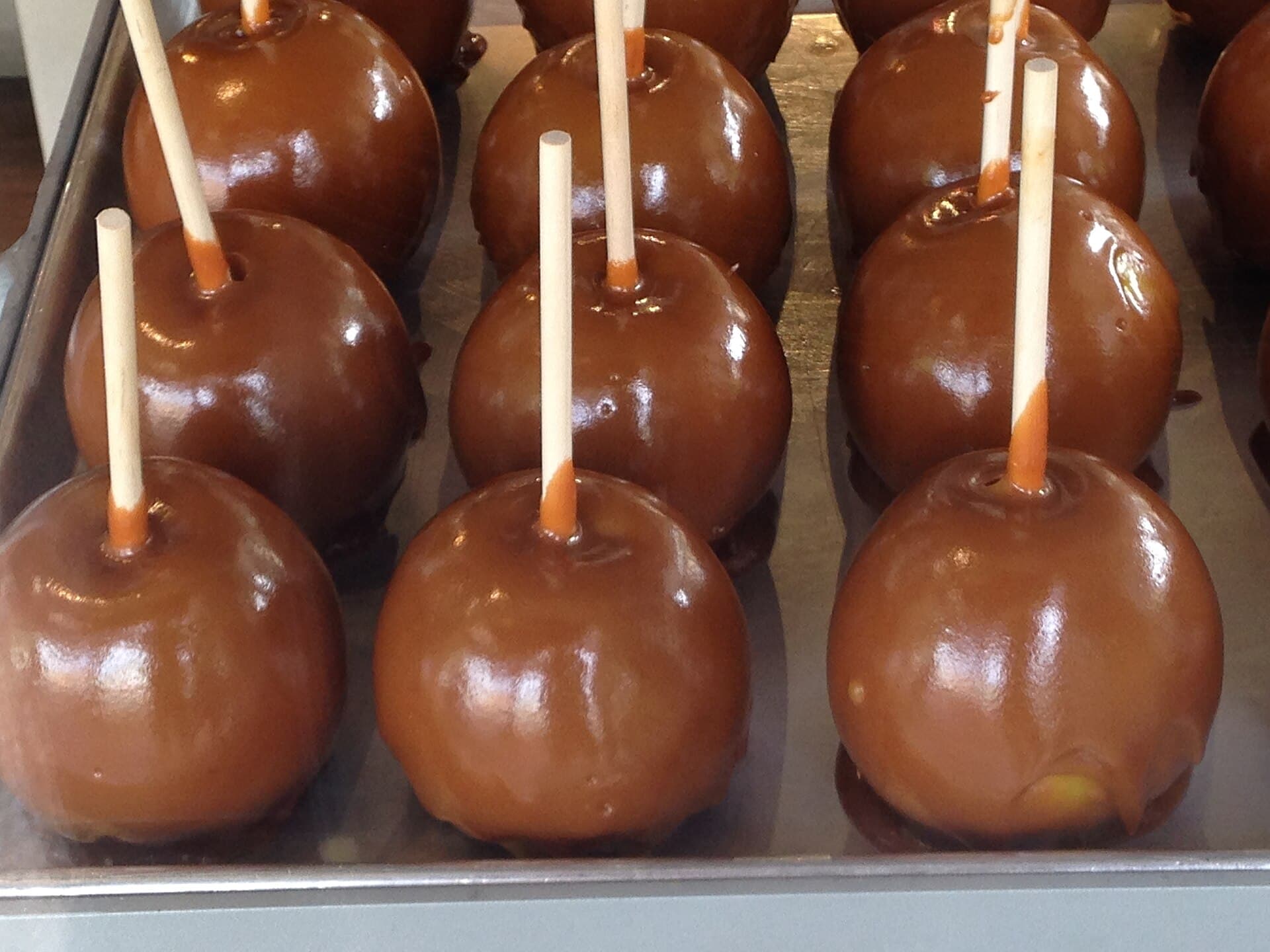
1950-2026
Caramel apples followed candy apples but became their own American fall tradition. Kraft employee Dan Walker is widely credited with developing the caramel apple in the 1950s while experimenting with leftover Halloween caramels.
Same region
America's Melting Pot
Ambrosia Salad photo coming soon
1950s-present
A midcentury-style fruit salad with pineapple, mandarin oranges, coconut, marshmallows, and a creamy dressing.
America's Melting Pot
Boardinghouse Meatloaf photo coming soon
1861-1900
Boardinghouse meatloaf fits kitchens that had to feed many people from affordable ingredients. Ground meat, binders, vegetables, and a sweet-tangy glaze made a loaf that sliced neatly, stretched well, and reheated for leftovers.
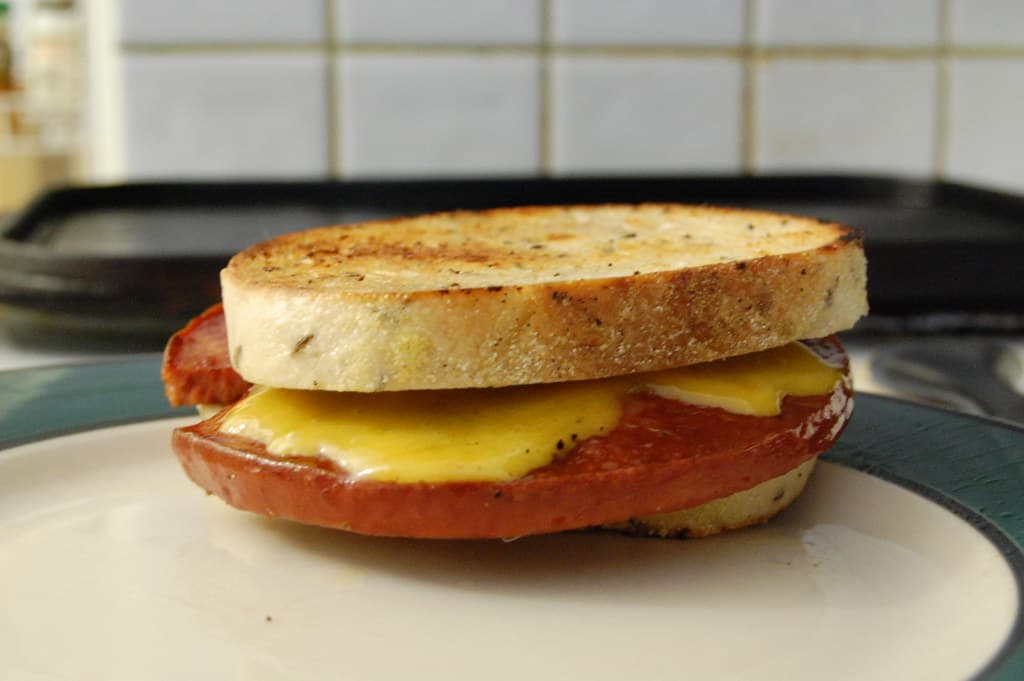
1900-2026
The bologna sandwich is lunchbox America: inexpensive sliced meat, soft bread, and a condiment. Fried bologna versions became especially beloved in Southern diners, Midwestern bars, and home kitchens where a quick skillet turned lunch meat into comfort food.
Same table
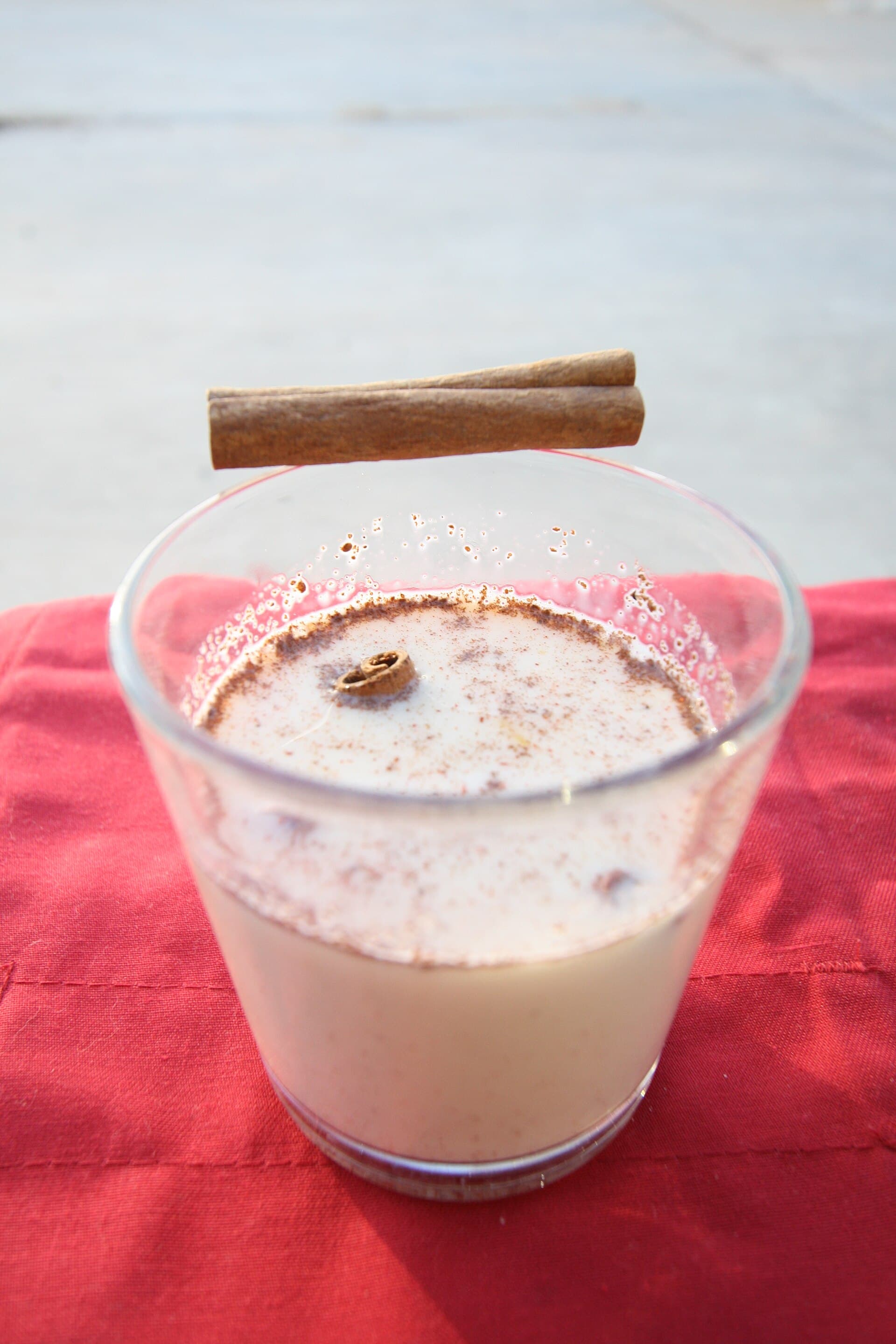
1700s-present
Eggnog is a rich, creamy holiday beverage made from milk or cream, beaten eggs, sugar, and often spiked with spirits such as brandy or rum. Served chilled, it is a festive treat deeply associated with Christmas celebrations across the United States, with colonial roots.
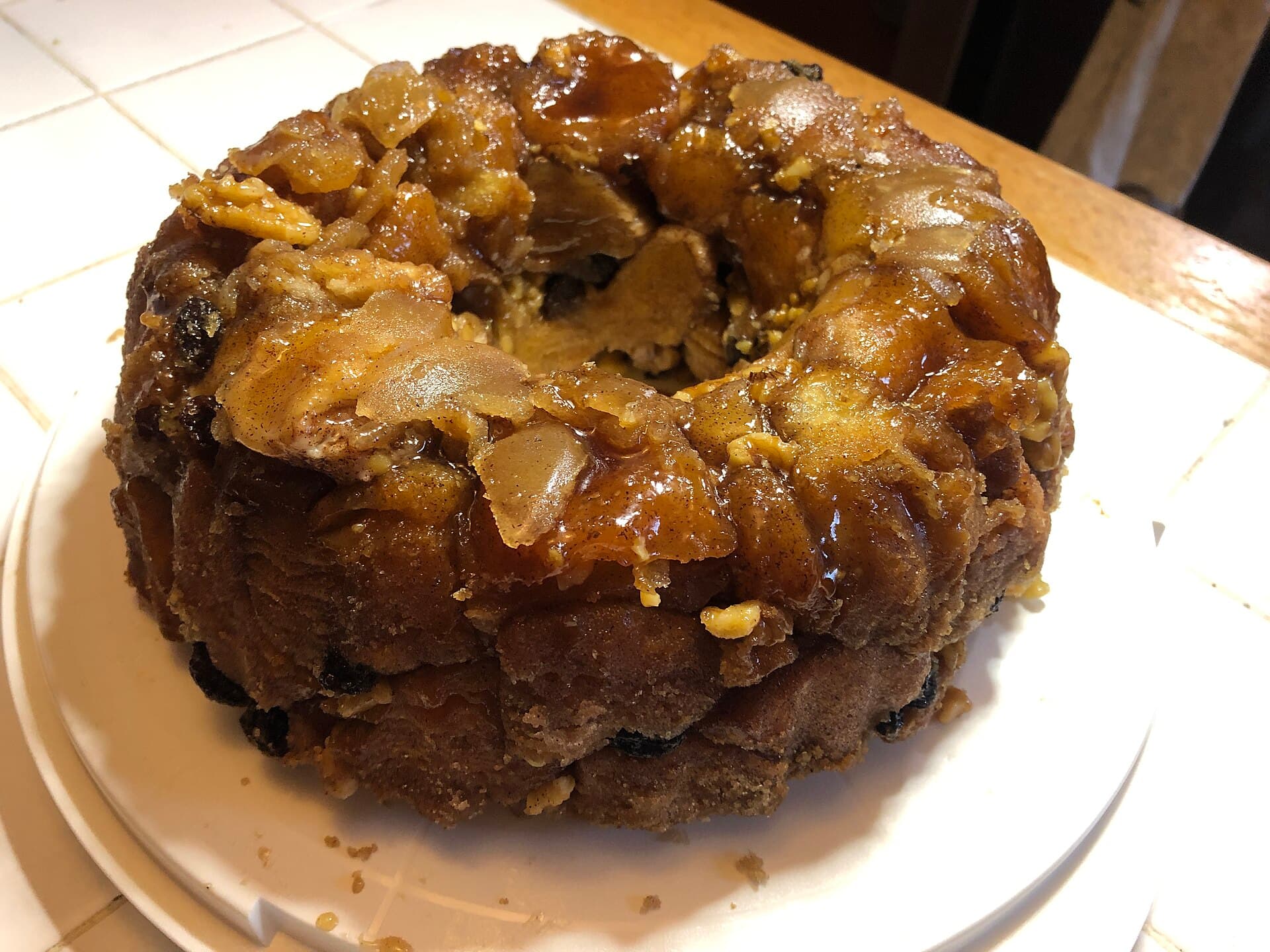
1940s-present
Monkey Bread is a sweet, sticky pull-apart bread made from individual dough pieces coated in cinnamon sugar and baked together. Though its precise origins are unclear, Monkey Bread became popular as a Christmas treat across the United States, embodying festive conviviality. Its interactive eating style and sweet, rich flavor capture the spirit of American holiday baking traditions.
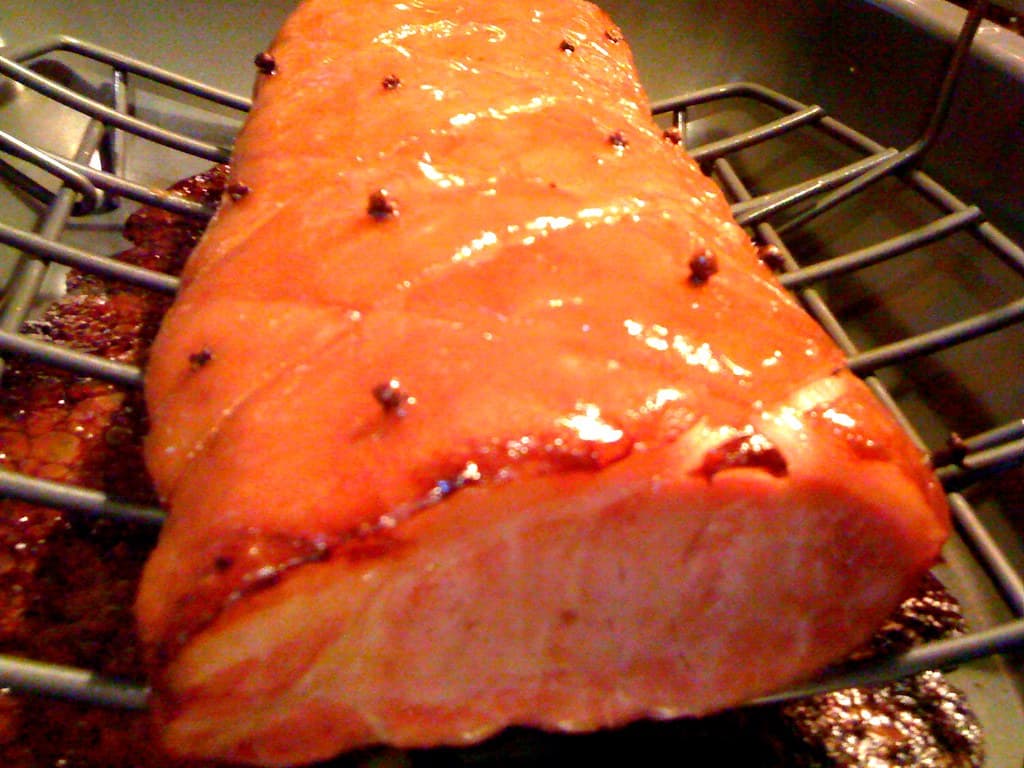
1900-2026
A Christmas and Easter baked ham glazed with brown sugar, mustard, cider vinegar, and cloves, baked until glossy and sliceable.