
Recipe archive
Loading
Setting the table...
Fetching the latest recipes from the archive.
Loading
Fetching the latest recipes from the archive.
Recipe archive
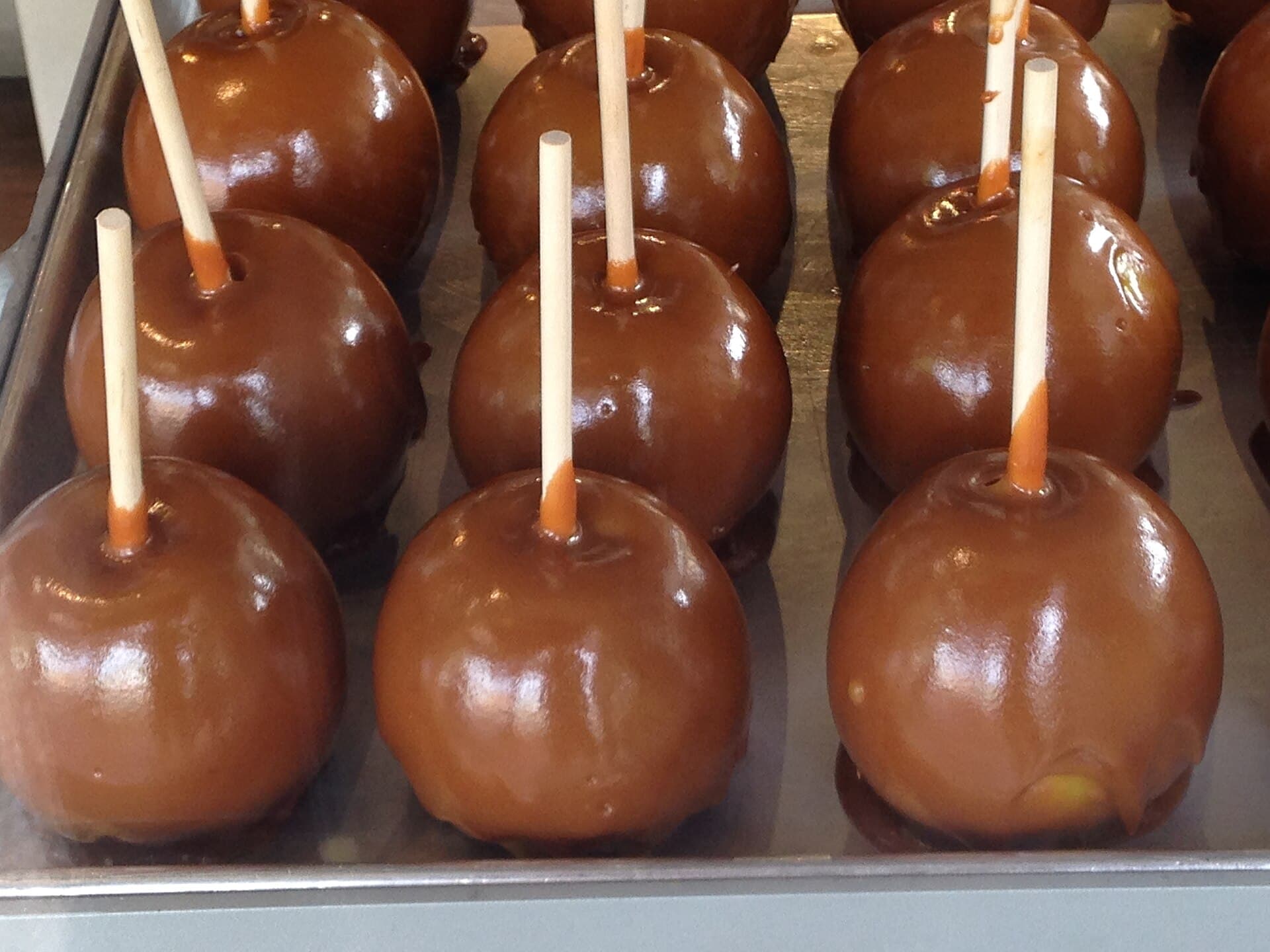
1950s-present - Kraft Foods employee Dan Walker and American carnival candy makers
Caramel apples followed candy apples but became their own American fall tradition. Kraft employee Dan Walker is widely credited with developing the caramel apple in the 1950s while experimenting with leftover Halloween caramels.
Community-powered photos. Reviewers can upload dish photos, and the highest-rated community image may be featured here.
Difficulty
Easy
Prep time
20 minutes
Cook time
10 minutes
Total time
30 minutes plus setting
Servings
8 apples
Region
United States fairs, carnivals, and Halloween tables
Era introduced
1950s-present
Introduced by
Kraft Foods employee Dan Walker and American carnival candy makers
Recipe tools
Log in to save this recipe to a collection.
Caramel apples are candy apples softened into something creamy and chewy. They work best with tart, crisp apples because the caramel is sweet. The midcentury Kraft story explains why wrapped caramels became the easy home method, but state fairs, orchards, and candy shops turned caramel apples into a seasonal ritual.
Share family changes, regional twists, or pantry-friendly adaptations as full community recipes.
Log in to submit a community recipe.
No community recipes yet. Submitted recipes are published right away.
Rate this recipe and share how it worked at your table.
Log in to review this recipe.
No reviews yet. Be the first to rate this recipe.
Recipes matched by era, region, occasion, ingredients, and cultural roots from the archive.
Same era
America's Melting Pot
Breakfast Casserole photo coming soon
1950-2026
Breakfast casserole is built for mornings when the cook wants the work done early. Midcentury casserole culture, church cookbooks, and holiday hosting made the overnight egg, bread, sausage, and cheese bake a reliable American brunch dish.
America's Melting Pot
Broccoli Rice Casserole photo coming soon
1950-2026
Broccoli rice casserole is a classic convenience-era side dish. Frozen broccoli, quick rice, condensed soup, and processed cheese made it easy for home cooks to put a green vegetable, starch, and creamy sauce into one holiday or potluck pan.
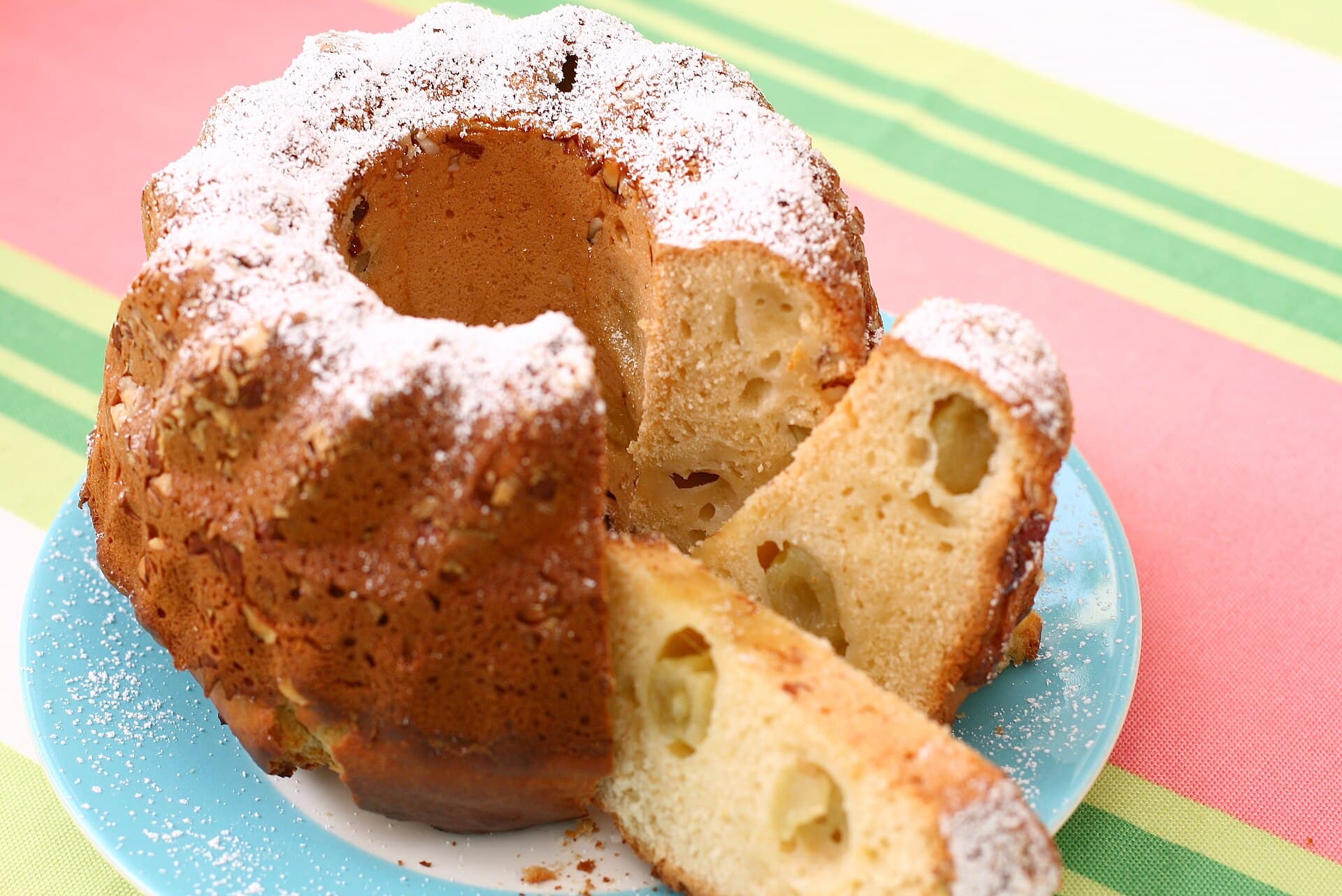
1950-2026
Bundt cake is as much about the pan as the batter. Nordic Ware created the Bundt pan in 1950 for home bakers seeking a kugelhopf-style shape, and Ella Helfrich's 1966 Tunnel of Fudge cake sent Bundt baking into American kitchens.
Same region
America's Melting Pot
Baked Whale with Red Wine Marinade photo coming soon
1927 historical adaptation
Modern historical recipe writers have preserved baked whale methods that marinate the meat with oil, red wine, garlic, and onion before slow baking.
America's Melting Pot
Bloomin? Onion-Style Onion Blossom photo coming soon
1980-2026
The onion blossom is a late-20th-century chain-restaurant spectacle: part onion ring, part table centerpiece. Outback Steakhouse popularized the Bloomin Onion nationally after opening in 1988, though similar blooming onion ideas circulated before it.
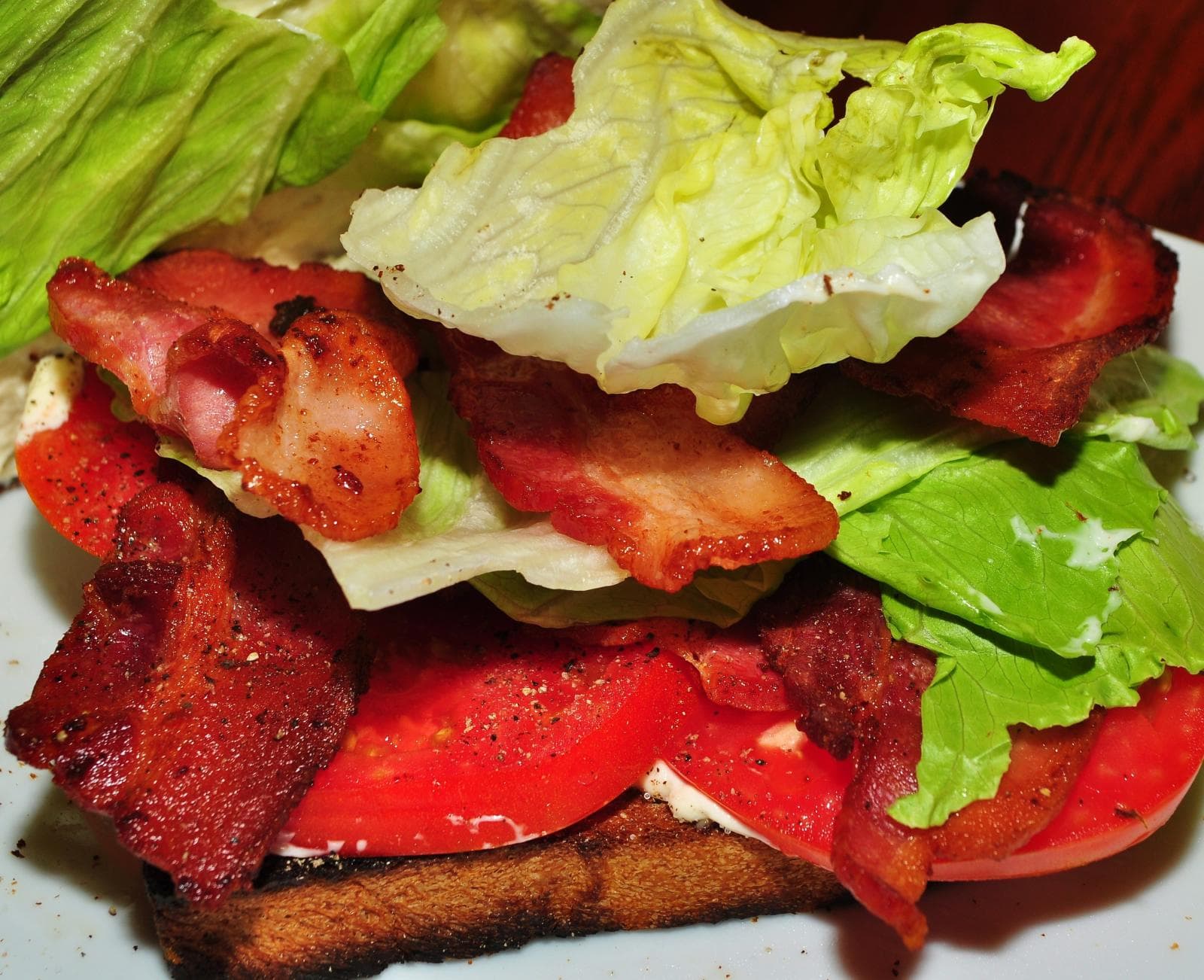
1900-2026
The BLT became a lunch-counter and diner standard in the early 20th century as sliced bread, commercial mayonnaise, bacon, lettuce, and ripe tomatoes converged in American kitchens. Its simplicity is the point: crisp bacon, juicy tomato, cool lettuce, toast, and enough mayonnaise to bind the sandwich.
Same table
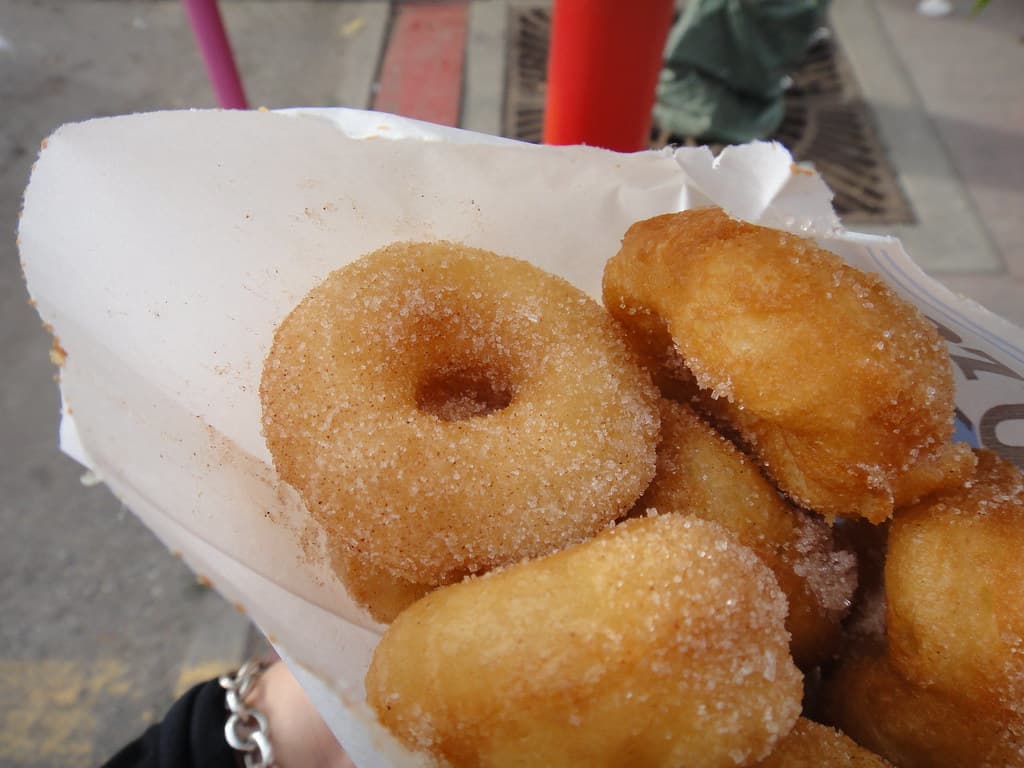
1700s-1800s
Mini donuts are tiny, fried doughnuts commonly enjoyed at American state fairs, carnivals, and diners during the early 20th century. Their small size made them a convenient treat for fairgoers and lunch counter patrons. This recipe captures the simplicity and nostalgic appeal of these sweet bites, featuring a light dough fried to golden perfection and lightly dusted with cinnamon sugar.
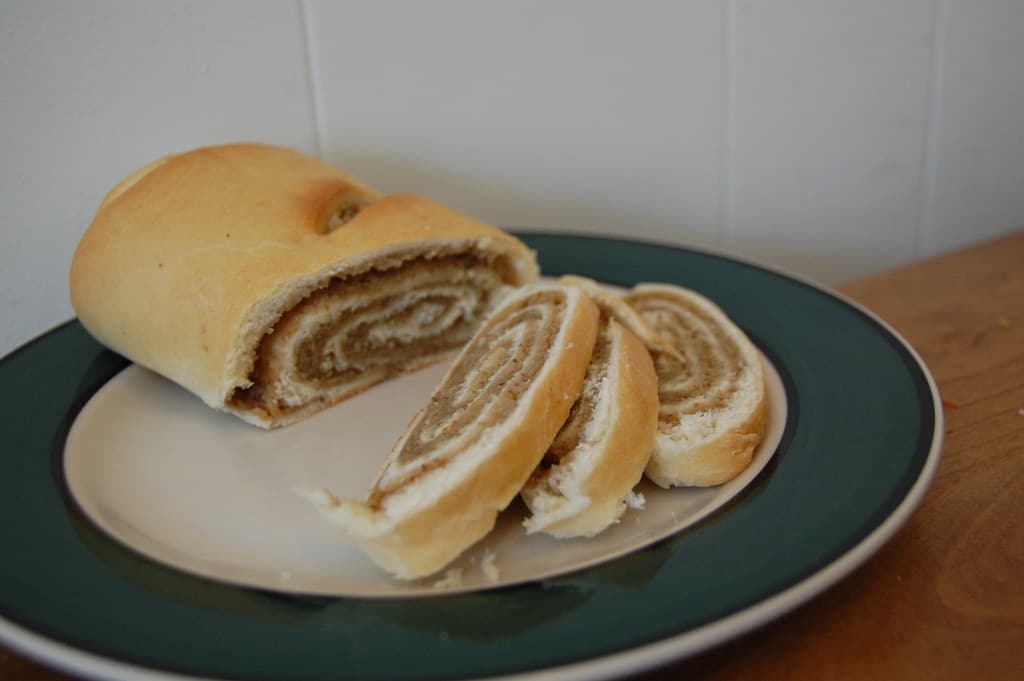
1880s-present
Nut Roll is a rich yeast dough rolled with a sweet, spiced nut and sugar filling, popular among Polish, Czech, Slovak, and other Eastern European immigrant communities. This sweet bread often appears at Easter and fairs, symbolizing cultural continuity amidst new American settings.
America's Melting Pot
Chop Suey photo coming soon
1870s-1890s
Chop Suey is a stir-fried dish made with meat, vegetables, and a savory sauce, developed by Chinese-American cooks. It became a popular dish in American Chinese restaurants and diners during the early 1900s, adapting Chinese techniques and ingredients to American tastes and locally available produce.