Recipe archive
Loading
Setting the table...
Fetching the latest recipes from the archive.
Loading
Fetching the latest recipes from the archive.
Recipe archive
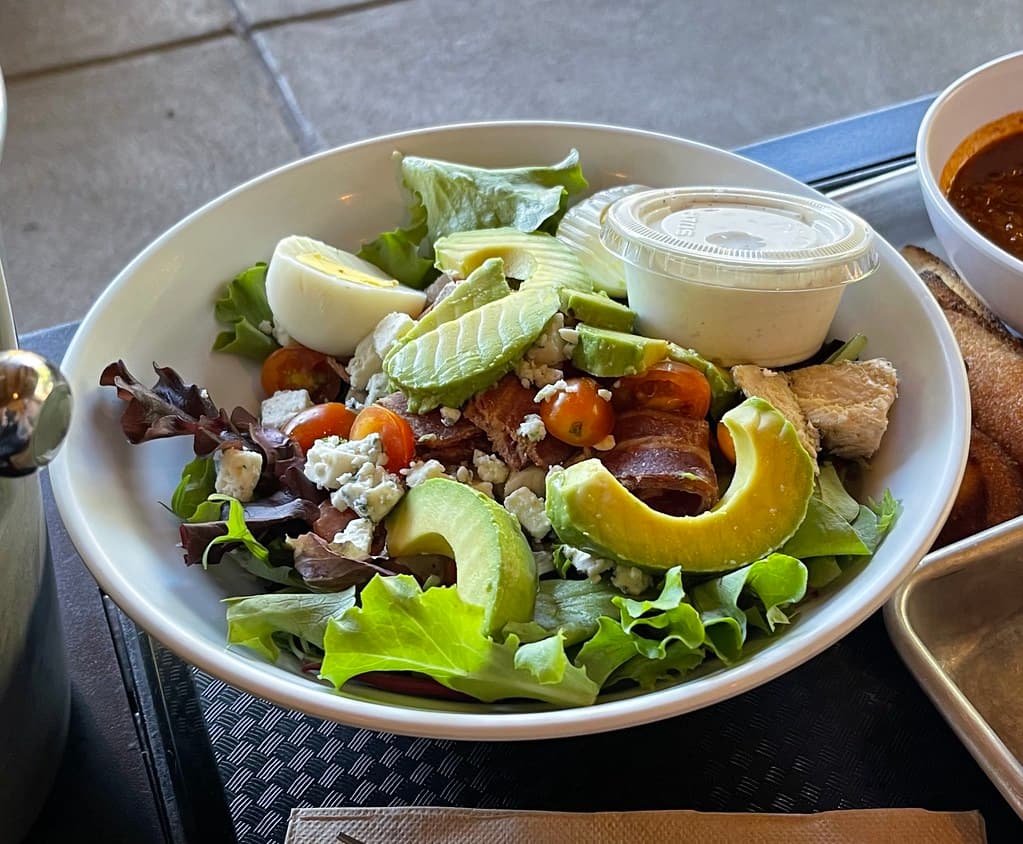
1930s-present - Bob Cobb and Brown Derby restaurant cooks in Hollywood
The Cobb salad is closely tied to the Brown Derby restaurant in Hollywood and Bob Cobb in the 1930s. Its rows of chopped ingredients made it a California restaurant icon: hearty enough for a meal, bright with avocado and tomato, and theatrical enough for Hollywood.
Community-powered photos. Reviewers can upload dish photos, and the highest-rated community image may be featured here.
Difficulty
Easy
Prep time
30 minutes
Cook time
0 minutes
Total time
30 minutes
Servings
4 servings
Region
Hollywood, California, and American restaurants
Era introduced
1930s-present
Introduced by
Bob Cobb and Brown Derby restaurant cooks in Hollywood
Recipe tools
Log in to save this recipe to a collection.
Cobb salad is sometimes described as a leftovers salad, but its lasting power comes from design. Chopped greens form a base, then chicken, bacon, egg, avocado, tomato, chives, and Roquefort or blue cheese are arranged in stripes or sections and dressed with vinaigrette. Its Hollywood origin story has variations, but the Brown Derby connection is the anchor.
Share family changes, regional twists, or pantry-friendly adaptations as full community recipes.
Log in to submit a community recipe.
No community recipes yet. Submitted recipes are published right away.
Rate this recipe and share how it worked at your table.
Log in to review this recipe.
No reviews yet. Be the first to rate this recipe.
Recipes matched by era, region, occasion, ingredients, and cultural roots from the archive.
Same era
1930-2026
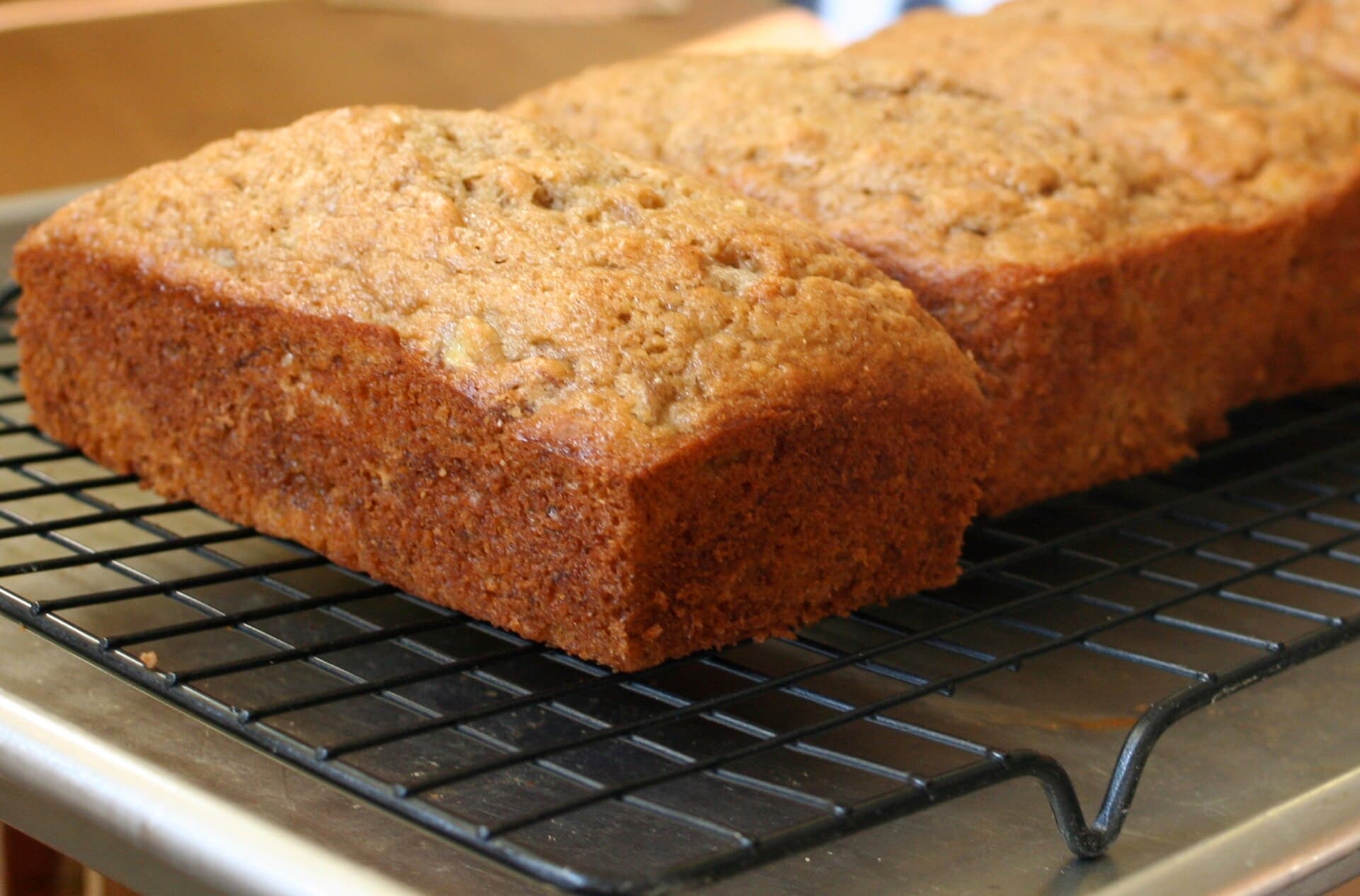
A classic banana bread made with mashed ripe bananas, butter, brown sugar, eggs, flour, baking soda, and optional walnuts.
America's Melting Pot
Beer Cheese Dip photo coming soon
1930-2026
Kentucky beer cheese is a Central Kentucky bar snack with a loyal regional following. The usual story traces it to chef Joe Allman in the 1930s, where salty, spicy cheese spread helped sell another round of beer.
1936-2026
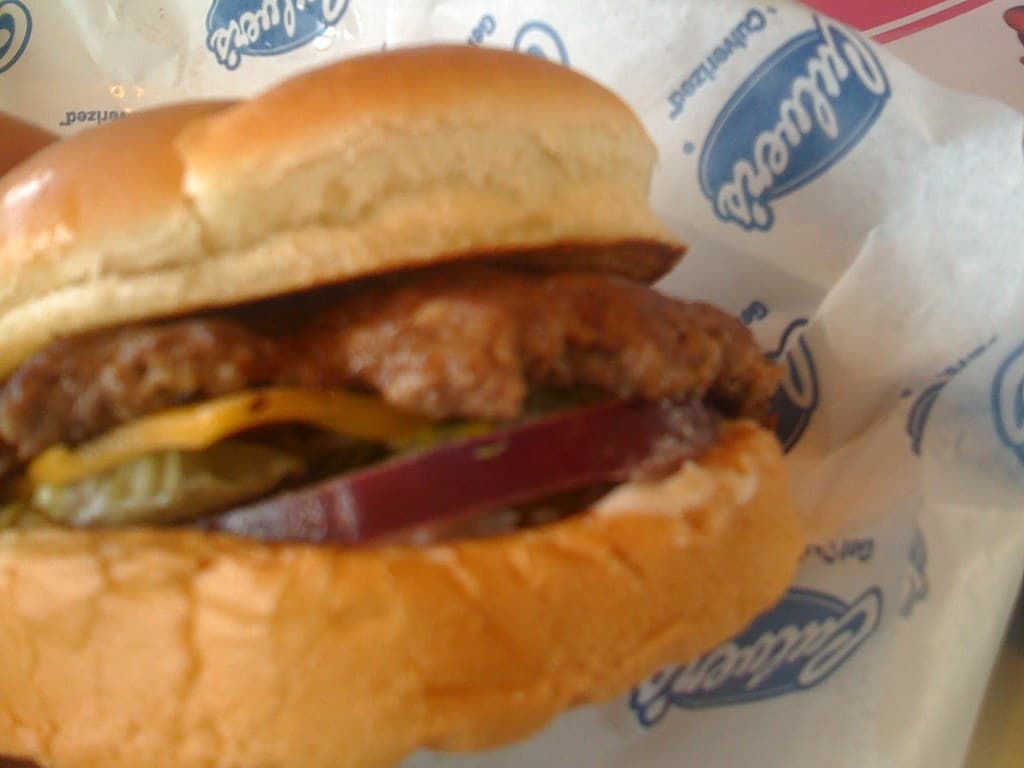
Butter burgers are Wisconsin dairy pride in sandwich form. Local restaurants such as Solly's and Kroll's helped popularize butter-topped burgers in the 1930s, while Culver's later carried a buttered-bun version far beyond Wisconsin.
Same region
America's Melting Pot
Acai Bowl Smoothie Base photo coming soon
1970s-present
Acai Bowl Smoothie Base brings juice-bar color and American smoothie-counter energy to the glass: California/Hawaii/fitness culture.
America's Melting Pot
California Date Shake photo coming soon
1900s-present
California Date Shake salutes regional fruit country and the American dairy-stand tradition: Coachella Valley/Palm Springs.
America's Melting Pot
California Pizza photo coming soon
1980-2026
California pizza emerged around 1980 as chefs in Berkeley, San Francisco, and Los Angeles put California cuisine toppings onto thin-crust pizza. Alice Waters at Chez Panisse, Ed LaDou, Wolfgang Puck at Spago, and later California Pizza Kitchen helped spread the style.
Same table
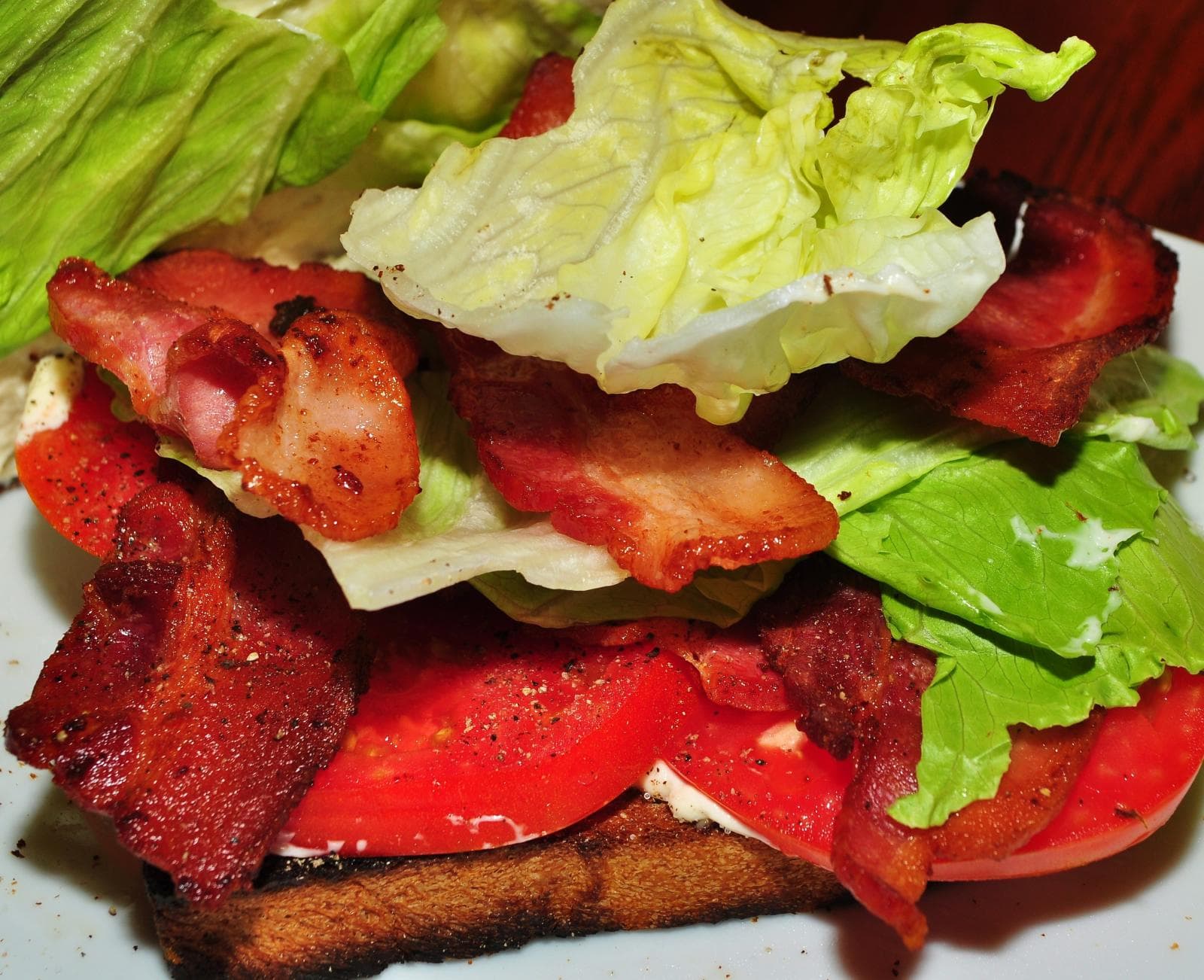
1900-2026
The BLT became a lunch-counter and diner standard in the early 20th century as sliced bread, commercial mayonnaise, bacon, lettuce, and ripe tomatoes converged in American kitchens. Its simplicity is the point: crisp bacon, juicy tomato, cool lettuce, toast, and enough mayonnaise to bind the sandwich.
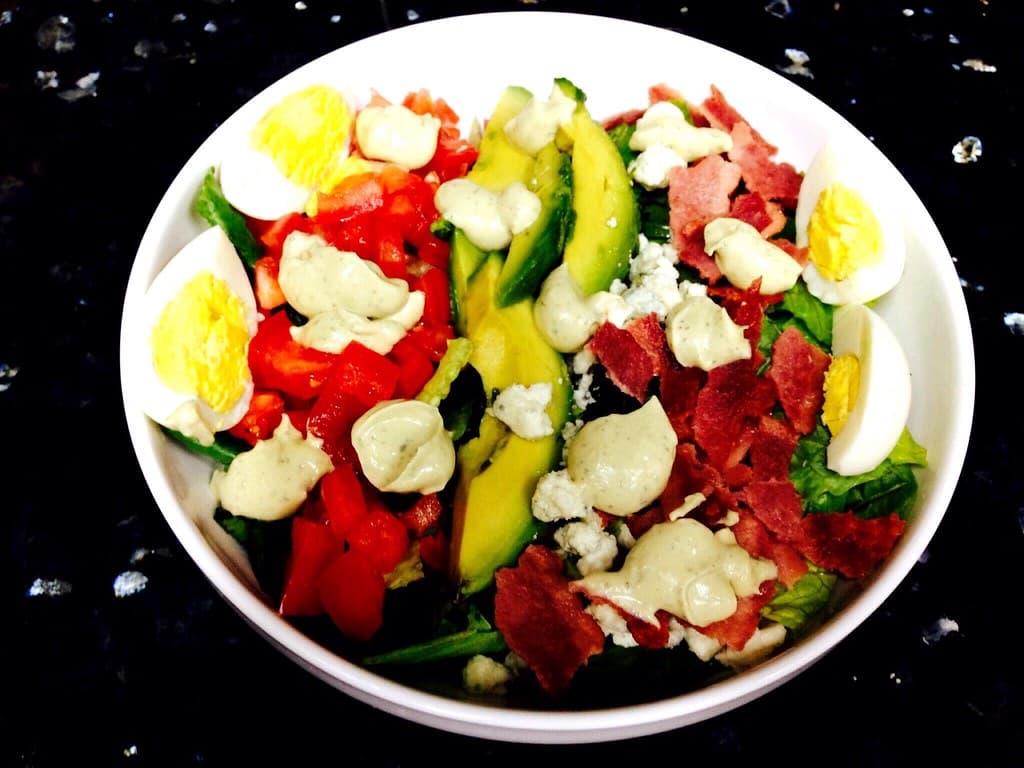
1929/1937-present
Cobb Salad consists of chopped greens, tomatoes, bacon, chicken, hard-boiled eggs, avocado, chives, and blue cheese, often served with red wine vinaigrette. It originated on the West Coast as a restaurant dish and became an iconic American salad celebrated for its variety and nutritional balance. The Cobb exemplifies regional California fresh produce combined with classic American diner influences, beloved for lunch and light dinners.
America's Melting Pot
Mission Burrito photo coming soon
1946-1969
The Mission Burrito is a large, wrapped burrito style that emerged in San Francisco's Mission District during the postwar era. Known for its generous fillings of rice, beans, meats, and fresh toppings, it became a defining element of West Coast Mexican-American cuisine, reflecting the cultural exchange and suburban dining trends of the mid-20th century.