
Recipe archive
Loading
Setting the table...
Fetching the latest recipes from the archive.
Loading
Fetching the latest recipes from the archive.
Recipe archive
America's Melting Pot
California Pizza hero image coming soon
1980s-present - Alice Waters, Ed LaDou, Wolfgang Puck, and California Pizza Kitchen popularizers
California pizza emerged around 1980 as chefs in Berkeley, San Francisco, and Los Angeles put California cuisine toppings onto thin-crust pizza. Alice Waters at Chez Panisse, Ed LaDou, Wolfgang Puck at Spago, and later California Pizza Kitchen helped spread the style.
No featured photo yet. Upload a photo with your review. The highest-rated community photo may become this recipe's hero image.
Difficulty
Moderate
Prep time
25 minutes
Cook time
12 minutes
Total time
37 minutes
Servings
2 small pizzas
Region
California and West Coast pizza restaurants
Era introduced
1980s-present
Introduced by
Alice Waters, Ed LaDou, Wolfgang Puck, and California Pizza Kitchen popularizers
Recipe tools
Log in to save this recipe to a collection.
California pizza took the familiar American thin crust and opened the topping list to farmers-market produce, goat cheese, smoked salmon, barbecue chicken, artichokes, and other ingredients associated with California cuisine. The style grew from chef restaurants before chains made it nationally familiar. This version uses a simple fresh-vegetable and goat-cheese topping to show the style without copying one restaurant signature.
Share family changes, regional twists, or pantry-friendly adaptations as full community recipes.
Log in to submit a community recipe.
No community recipes yet. Submitted recipes are published right away.
Rate this recipe and share how it worked at your table.
Log in to review this recipe.
No reviews yet. Be the first to rate this recipe.
Recipes matched by era, region, occasion, ingredients, and cultural roots from the archive.
Same era
1980-2026
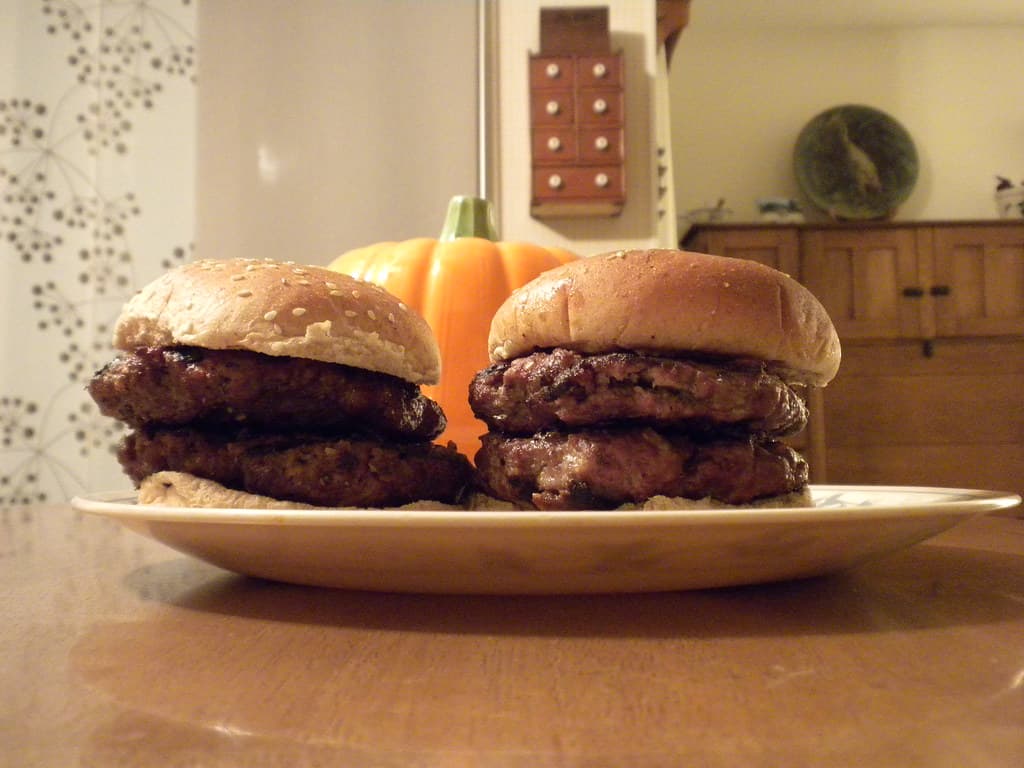
Bison burgers are a modern restaurant and backyard form of a much older Great Plains food story. Bison sustained Indigenous nations for centuries; after near-destruction in the 19th century, ranching and restoration made bison meat more available again.
America's Melting Pot
Bloomin? Onion-Style Onion Blossom photo coming soon
1980-2026
The onion blossom is a late-20th-century chain-restaurant spectacle: part onion ring, part table centerpiece. Outback Steakhouse popularized the Bloomin Onion nationally after opening in 1988, though similar blooming onion ideas circulated before it.
America's Melting Pot
Bourbon Chicken photo coming soon
1980-2026
Bourbon chicken is modern American fusion food: bite-size chicken in a sticky sweet-savory sauce, associated with Bourbon Street in New Orleans and later with mall food courts and American-Chinese steam tables. Some versions include bourbon whiskey; others keep the name and skip the liquor.
Same region
America's Melting Pot
Acai Bowl Smoothie Base photo coming soon
1970s-present
Acai Bowl Smoothie Base brings juice-bar color and American smoothie-counter energy to the glass: California/Hawaii/fitness culture.
1937-2026
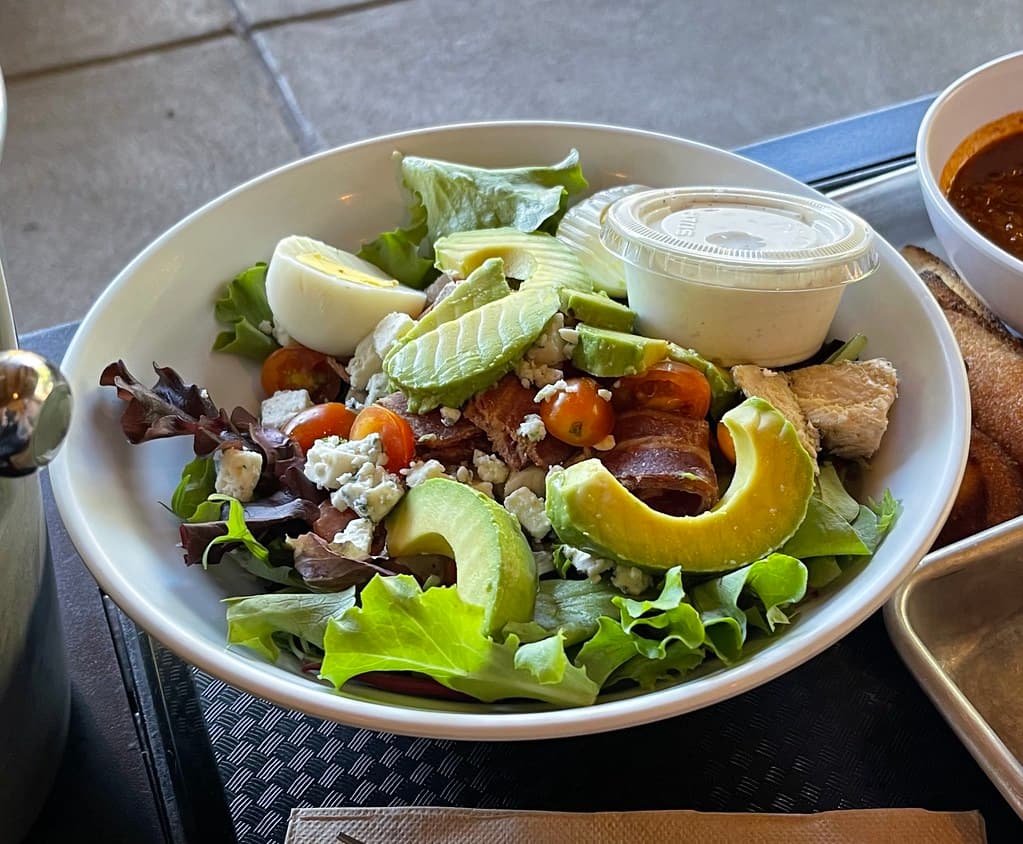
The Cobb salad is closely tied to the Brown Derby restaurant in Hollywood and Bob Cobb in the 1930s. Its rows of chopped ingredients made it a California restaurant icon: hearty enough for a meal, bright with avocado and tomato, and theatrical enough for Hollywood.
America's Melting Pot
California Date Shake photo coming soon
1900s-present
California Date Shake salutes regional fruit country and the American dairy-stand tradition: Coachella Valley/Palm Springs.
Same table
1943-2026
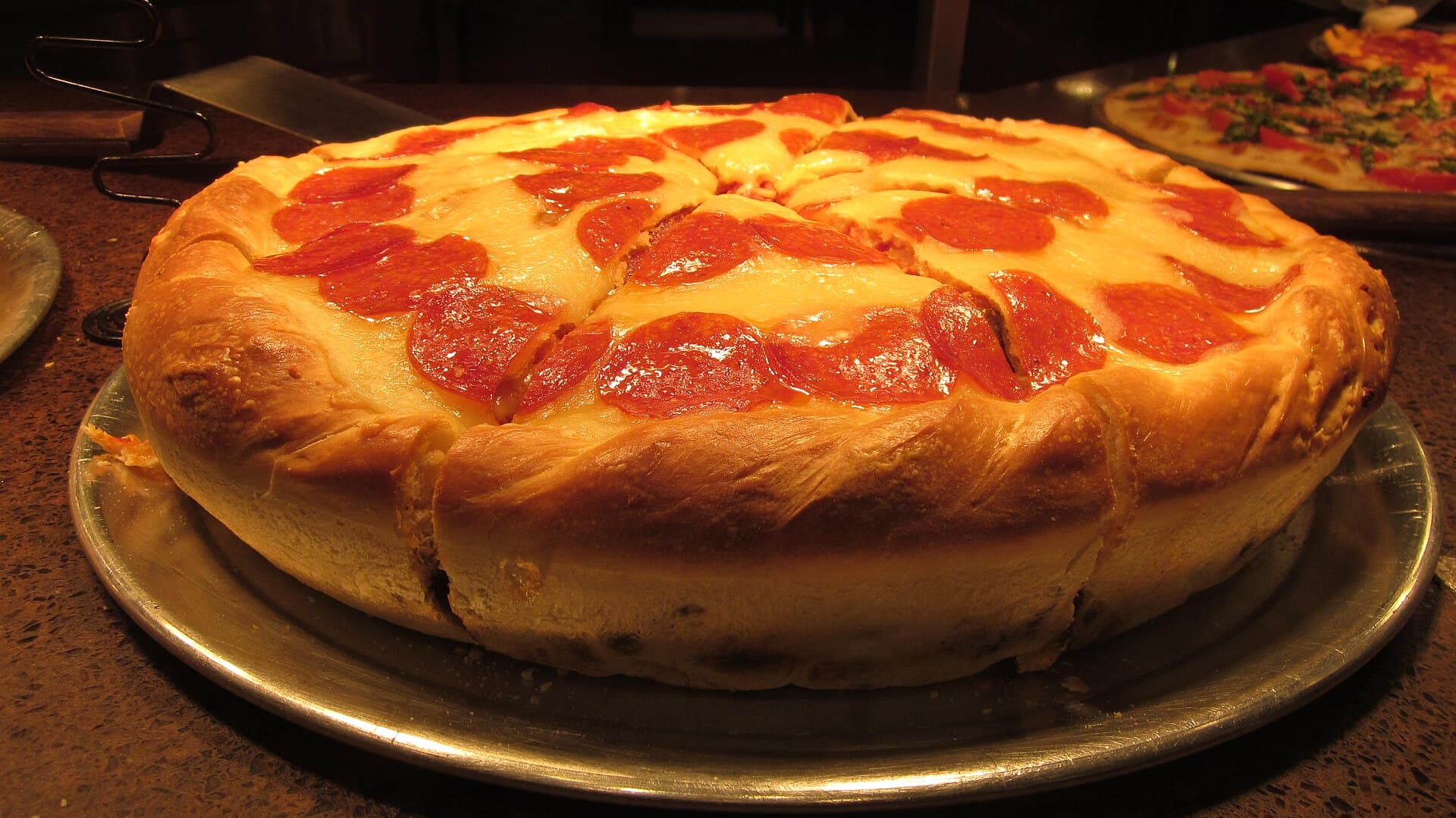
A broad Chicago deep-dish recipe with a sturdy pan crust, mozzarella, sausage or vegetables, and chunky tomato sauce baked in a deep pan.
1943-2026
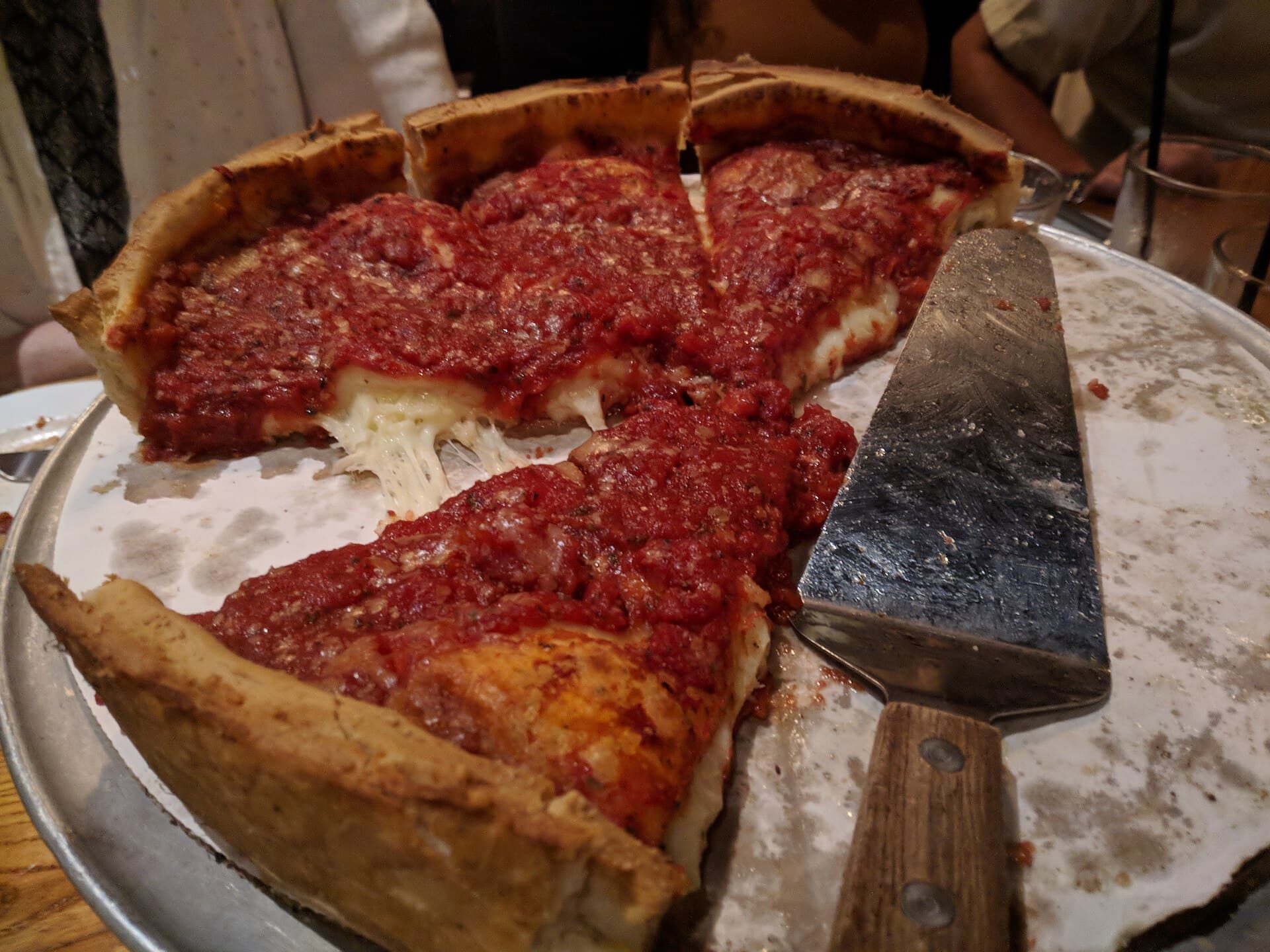
A sausage Chicago deep-dish pizza with buttery dough, mozzarella under the fillings, chunky tomato sauce, and Parmesan on top.
1940-2026
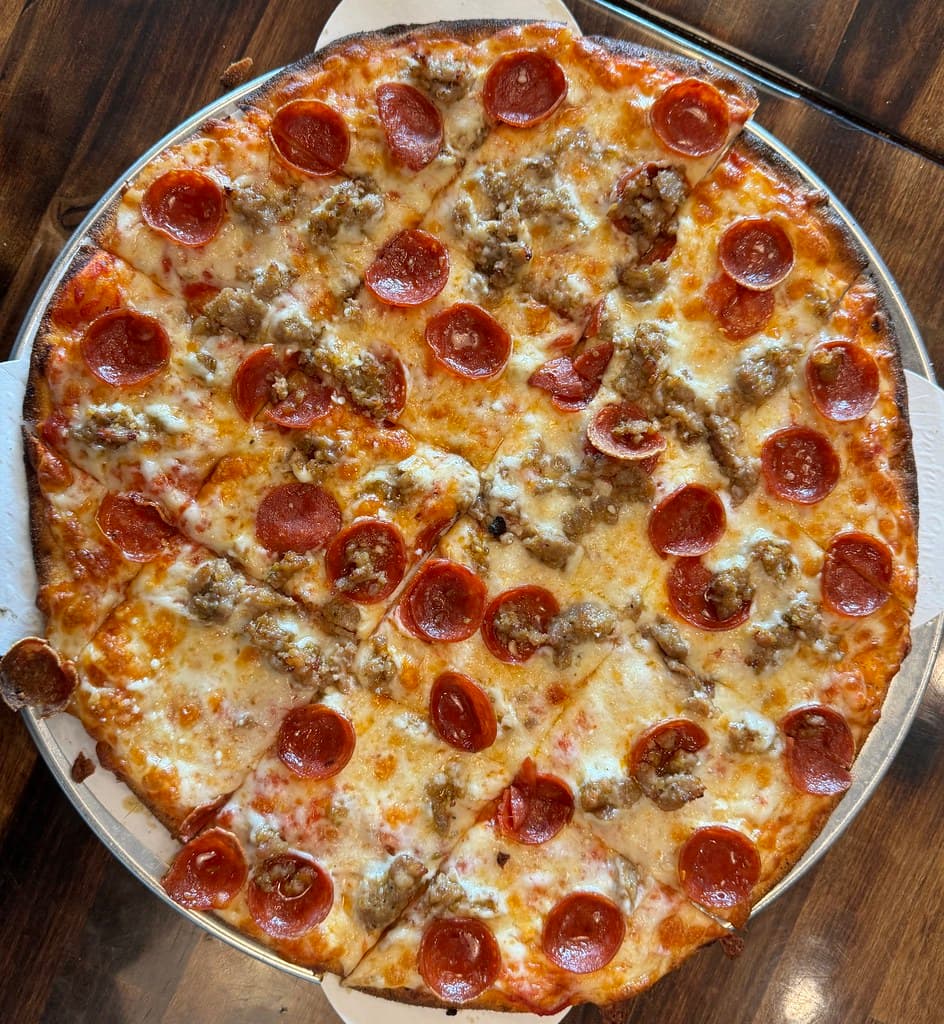
A cracker-thin Chicago tavern-style pizza with edge-to-edge toppings, a crisp crust, and small square slices.