
Recipe archive
Loading
Setting the table...
Fetching the latest recipes from the archive.
Loading
Fetching the latest recipes from the archive.
Recipe archive
America's Melting Pot
Mission Burrito hero image coming soon
1946-1969 - Mexican-American communities and restaurateurs in San Francisco's Mission District
The Mission Burrito is a large, wrapped burrito style that emerged in San Francisco's Mission District during the postwar era. Known for its generous fillings of rice, beans, meats, and fresh toppings, it became a defining element of West Coast Mexican-American cuisine, reflecting the cultural exchange and suburban dining trends of the mid-20th century.
No featured photo yet. Upload a photo with your review. The highest-rated community photo may become this recipe's hero image.
Difficulty
Medium
Prep time
25 minutes
Cook time
15 minutes
Total time
40 minutes
Servings
4 burritos
Region
West Coast
Era introduced
1946-1969
Introduced by
Mexican-American communities and restaurateurs in San Francisco's Mission District
Recipe tools
Log in to save this recipe to a collection.
Developed in San Francisco's Mission District between 1946 and 1969, the Mission Burrito became emblematic of Mexican-American culinary innovation on the West Coast. Unlike traditional Mexican burritos, the Mission version features large flour tortillas generously filled with rice, beans, proteins, cheeses, and fresh vegetables, catering to the postwar suburban appetite for hearty, portable meals. It reflects a fusion of immigrant culinary traditions with American dining culture and is celebrated as a quintessential regional fast food with broad popular appeal.
Share family changes, regional twists, or pantry-friendly adaptations as full community recipes.
Log in to submit a community recipe.
No community recipes yet. Submitted recipes are published right away.
Rate this recipe and share how it worked at your table.
Log in to review this recipe.
No reviews yet. Be the first to rate this recipe.
Recipes matched by era, region, occasion, ingredients, and cultural roots from the archive.
Same era
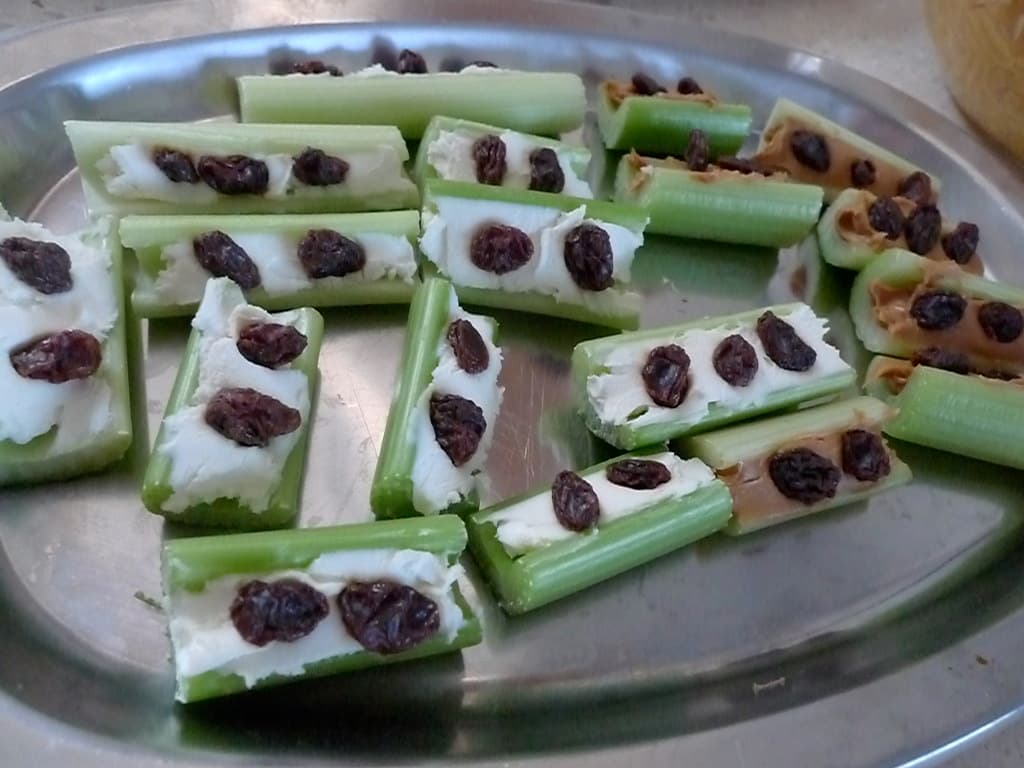
1950s-present
Celery sticks filled with peanut butter and topped with raisins, the classic American kid snack.
America's Melting Pot
Arby's-Style Horsey Sauce photo coming soon
1964-1970s
Arby's-Style Horsey Sauce is a sandwich sauce with real American table personality: Fast-food horseradish mayo tradition. It brings flavor from coast-to-coast American tables to cookouts, counters, lunch plates, potlucks, and weeknight suppers.
America's Melting Pot
Bacon-Wrapped Water Chestnuts photo coming soon
1946-1969
Crunchy water chestnuts wrapped in bacon, baked until crisp, and glazed with a brown sugar, soy, ketchup, and Worcestershire sauce.
Same region
America's Melting Pot
Santa Maria Beans photo coming soon
2010-2026
Santa Maria Beans are a classic west coast side dish, known for their smoky flavor and hearty texture. Traditionally slow-cooked with bacon and onions, these beans complement grilled dishes and have become popular at food trucks and farmers markets reflecting modern regional tastes.
America's Melting Pot
Santa Maria Tri-Tip photo coming soon
1970-1989
This iconic California barbecue dish features a triangular cut of beef, seasoned simply with salt, pepper, and garlic salt, then grilled over red oak wood for a smoky flavor. Santa Maria Tri-Tip gained popularity in the 1970s and 1980s as a regional favorite for tailgates and backyard barbecues.
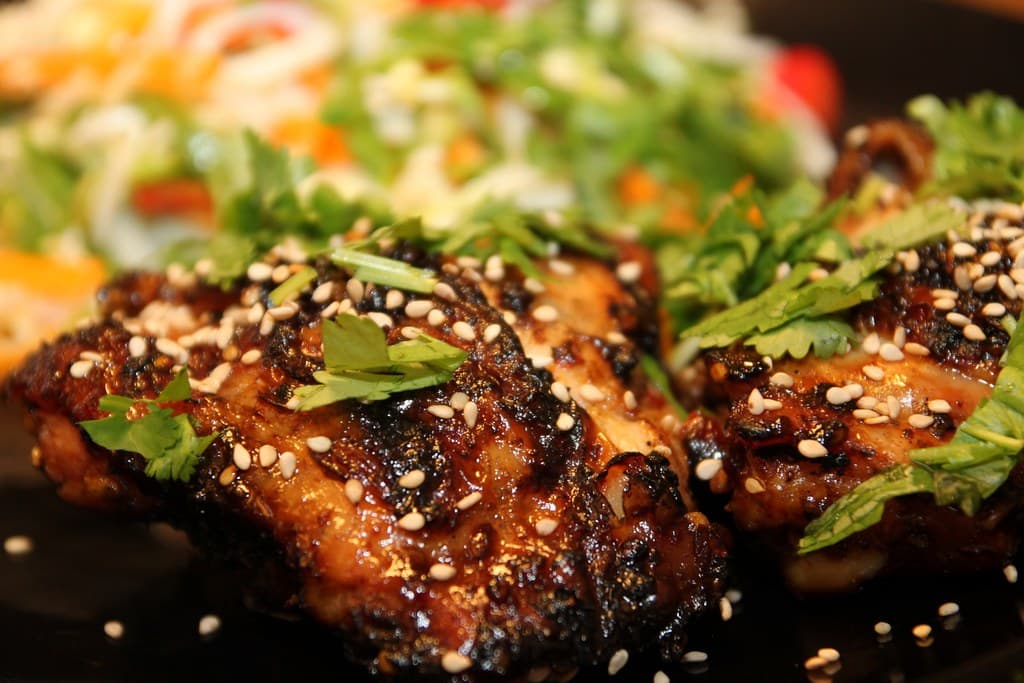
1946-1969
Teriyaki Chicken is marinated grilled chicken coated with a sweet and savory glaze, popularized during postwar suburban backyard grilling culture on the West Coast. This flavorful main dish represents the fusion of Asian marinades with American grilling traditions, perfect for outdoor meals with family and friends.
Same table
America's Melting Pot
Wet Burritos photo coming soon
1970-1989
Wet Burritos are large flour tortillas filled with seasoned meat, beans, and cheese, generously topped with red chili sauce and melted cheese. Originating in Tex-Mex fusion cuisine, they rose in popularity across the United States in the 1970s and 1980s as a hearty, saucy alternative to traditional dry burritos popular at tailgates and casual dining.
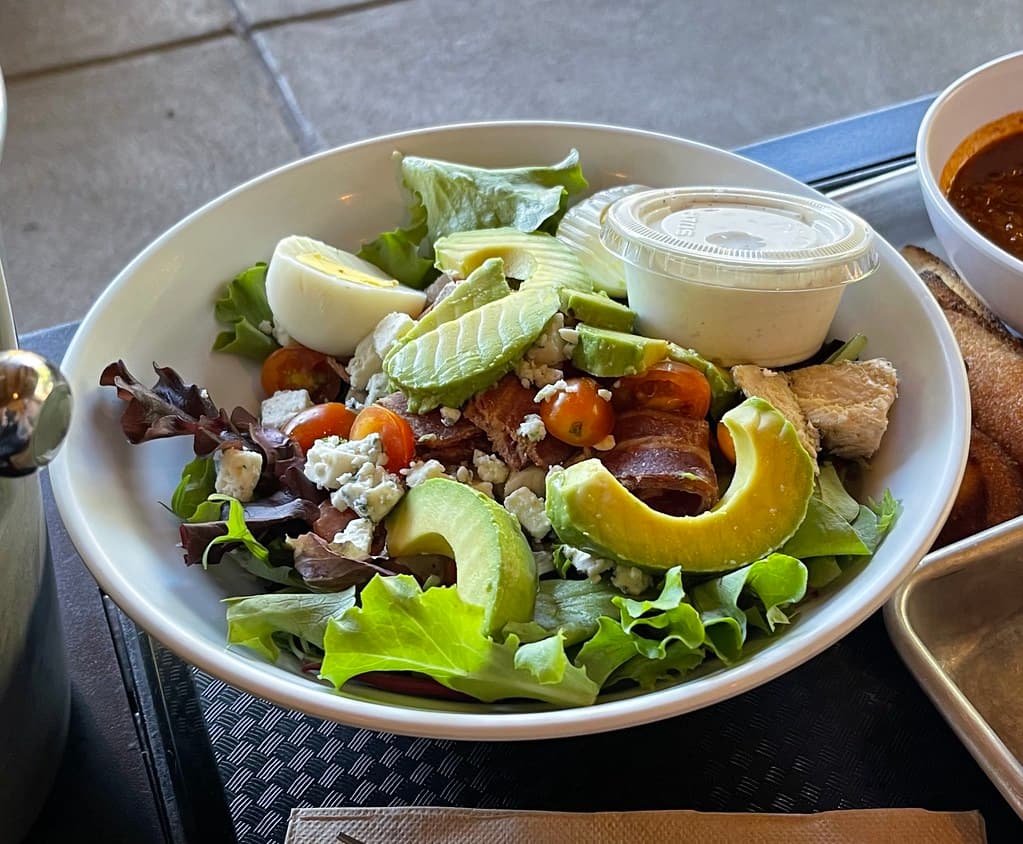
1937-2026
The Cobb salad is closely tied to the Brown Derby restaurant in Hollywood and Bob Cobb in the 1930s. Its rows of chopped ingredients made it a California restaurant icon: hearty enough for a meal, bright with avocado and tomato, and theatrical enough for Hollywood.
America's Melting Pot
Arepa Sandwiches photo coming soon
2010-2026
A street-food arepa sandwich filled with avocado chicken salad, black beans, cheese, and bright lime, built for the American food-truck table while respecting its Venezuelan and Colombian roots.