
Recipe archive
Loading
Setting the table...
Fetching the latest recipes from the archive.
Loading
Fetching the latest recipes from the archive.
Recipe archive
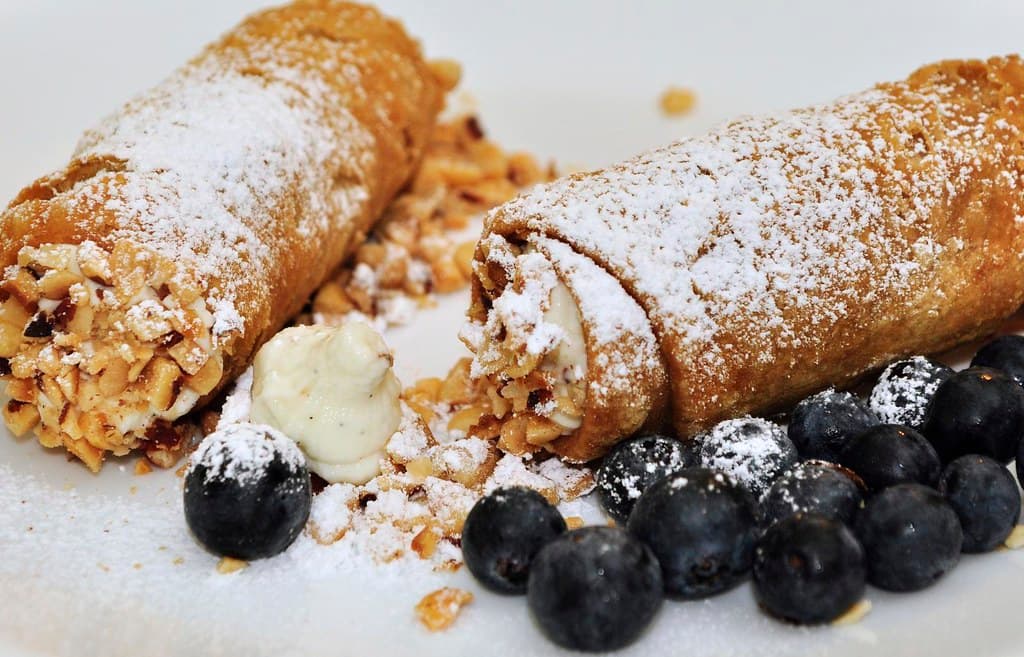
1900s-present - Sicilian immigrants and Italian American bakery families
Cannoli came to Italian American bakeries from Sicily, where fried pastry shells and ricotta filling have deep carnival and regional roots. In the United States, Little Italy bakeries made cannoli a signature Italian American dessert, often sweeter and larger than Sicilian versions.
Community-powered photos. Reviewers can upload dish photos, and the highest-rated community image may be featured here.
Difficulty
Hard
Prep time
1 hour plus draining and resting
Cook time
25 minutes
Total time
1 hour 25 minutes plus resting
Servings
12 cannoli
Region
Italian American bakeries and Little Italy neighborhoods
Era introduced
1900s-present
Introduced by
Sicilian immigrants and Italian American bakery families
Recipe tools
Log in to save this recipe to a collection.
Cannoli are plural; one is a cannolo, though American menus usually use cannoli for both. The important rule is timing: crisp shells and moist ricotta filling should meet shortly before serving. Italian American versions often use cow-milk ricotta, chocolate chips, candied citrus, pistachios, or powdered sugar, while Sicilian versions may be less sweet and use sheep-milk ricotta when available.
Share family changes, regional twists, or pantry-friendly adaptations as full community recipes.
Log in to submit a community recipe.
No community recipes yet. Submitted recipes are published right away.
Rate this recipe and share how it worked at your table.
Log in to review this recipe.
No reviews yet. Be the first to rate this recipe.
Recipes matched by era, region, occasion, ingredients, and cultural roots from the archive.
Same era
America's Melting Pot
Almond Chicken photo coming soon
1900s-present
Crisp boneless chicken served over lettuce with brown gravy, scallions, and toasted almonds.
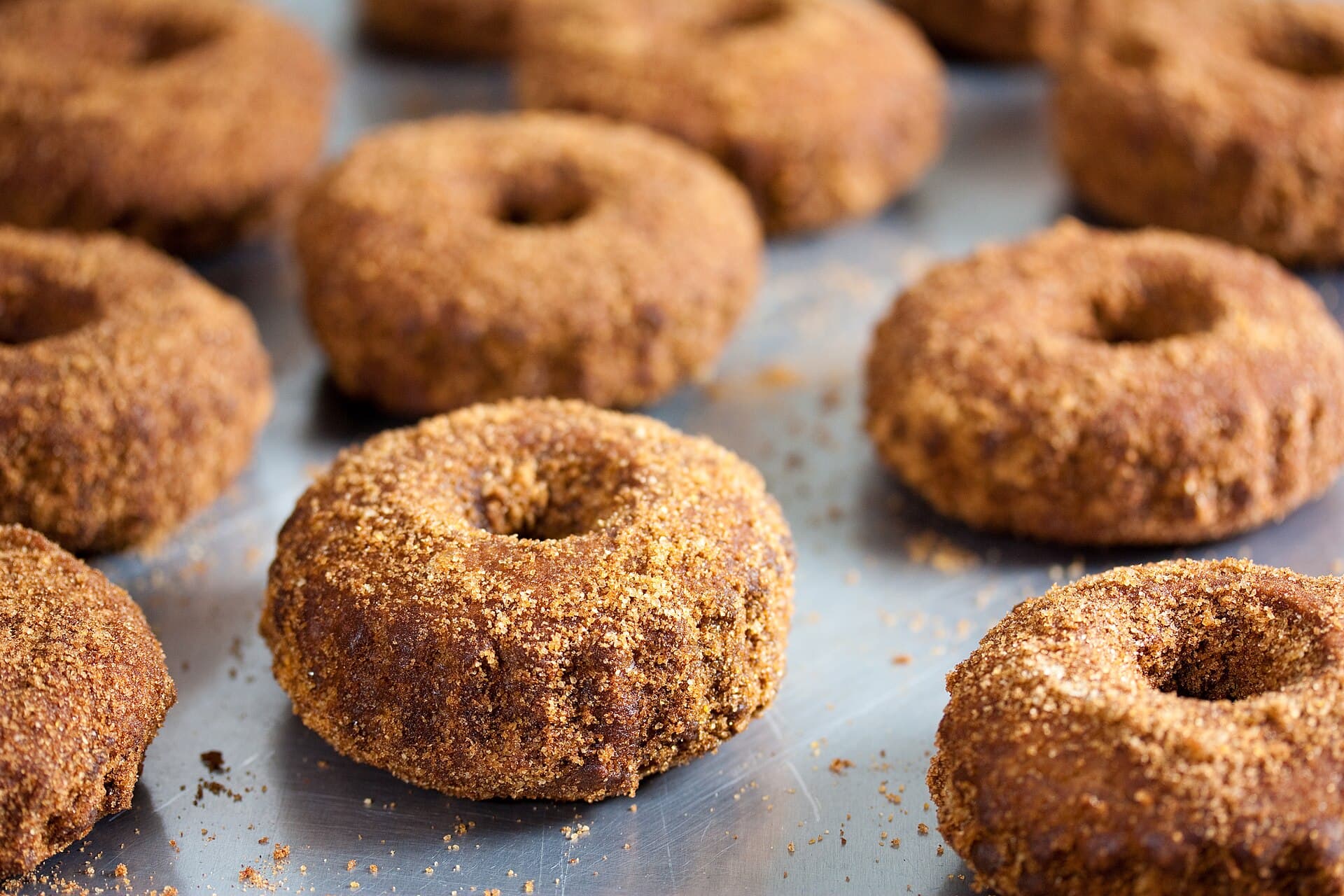
1900s-present
Cake doughnuts flavored with reduced apple cider and rolled in cinnamon sugar.
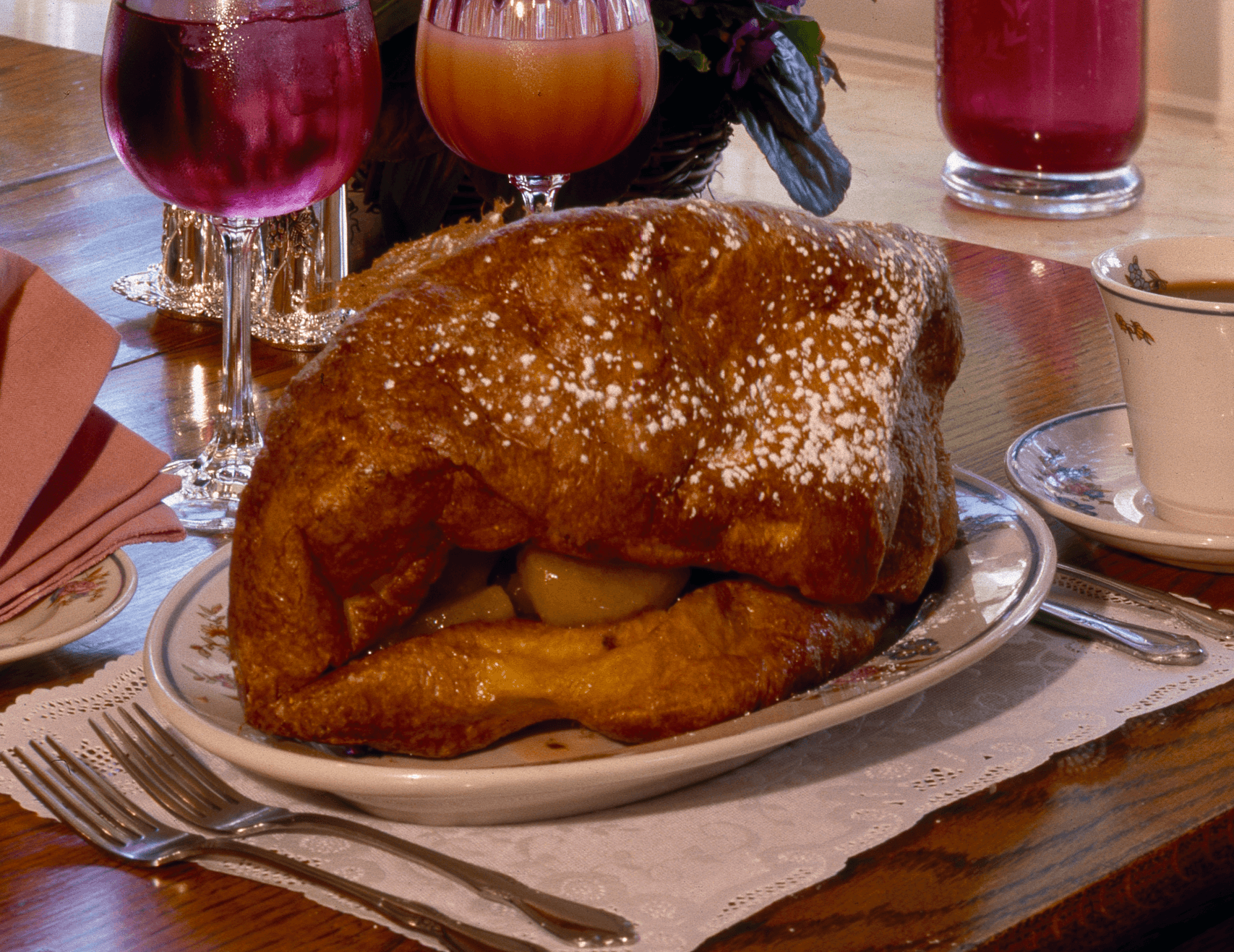
1900s-present
A German-American Dutch baby-style pancake baked over cinnamon apples in a hot skillet.
Same region
America's Melting Pot
Acorn Bread photo coming soon
1800-1860
A nutty, lightly sweet quick bread made with properly leached acorn flour, cornmeal, and wheat flour.
America's Melting Pot
Bialys photo coming soon
1880-2026
Bialys are not bagels without holes. They are their own Ashkenazi bread: baked rather than boiled, dimpled in the center, and traditionally filled with onion and sometimes poppy seeds. Polish Jewish immigrants brought them to New York, where bakeries kept the tradition alive.
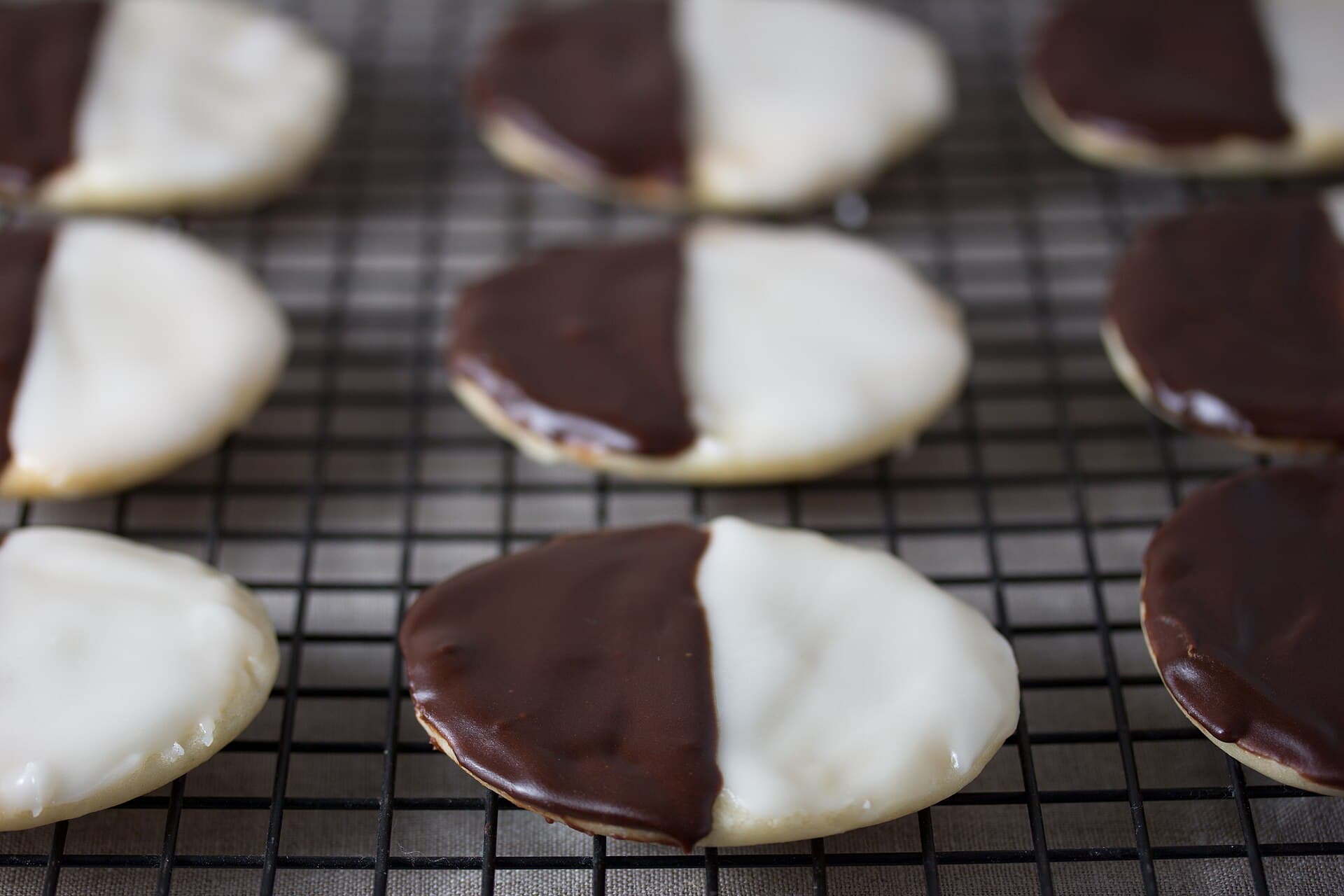
1900-2026
Black and white cookies are New York bakery icons, commonly linked to Glaser Bake Shop in Yorkville and to German Jewish bakery traditions. Their half-vanilla, half-chocolate tops made them instantly recognizable on deli and bakery counters.
Same table
1900-2026
Black and white cookies are New York bakery icons, commonly linked to Glaser Bake Shop in Yorkville and to German Jewish bakery traditions. Their half-vanilla, half-chocolate tops made them instantly recognizable on deli and bakery counters.
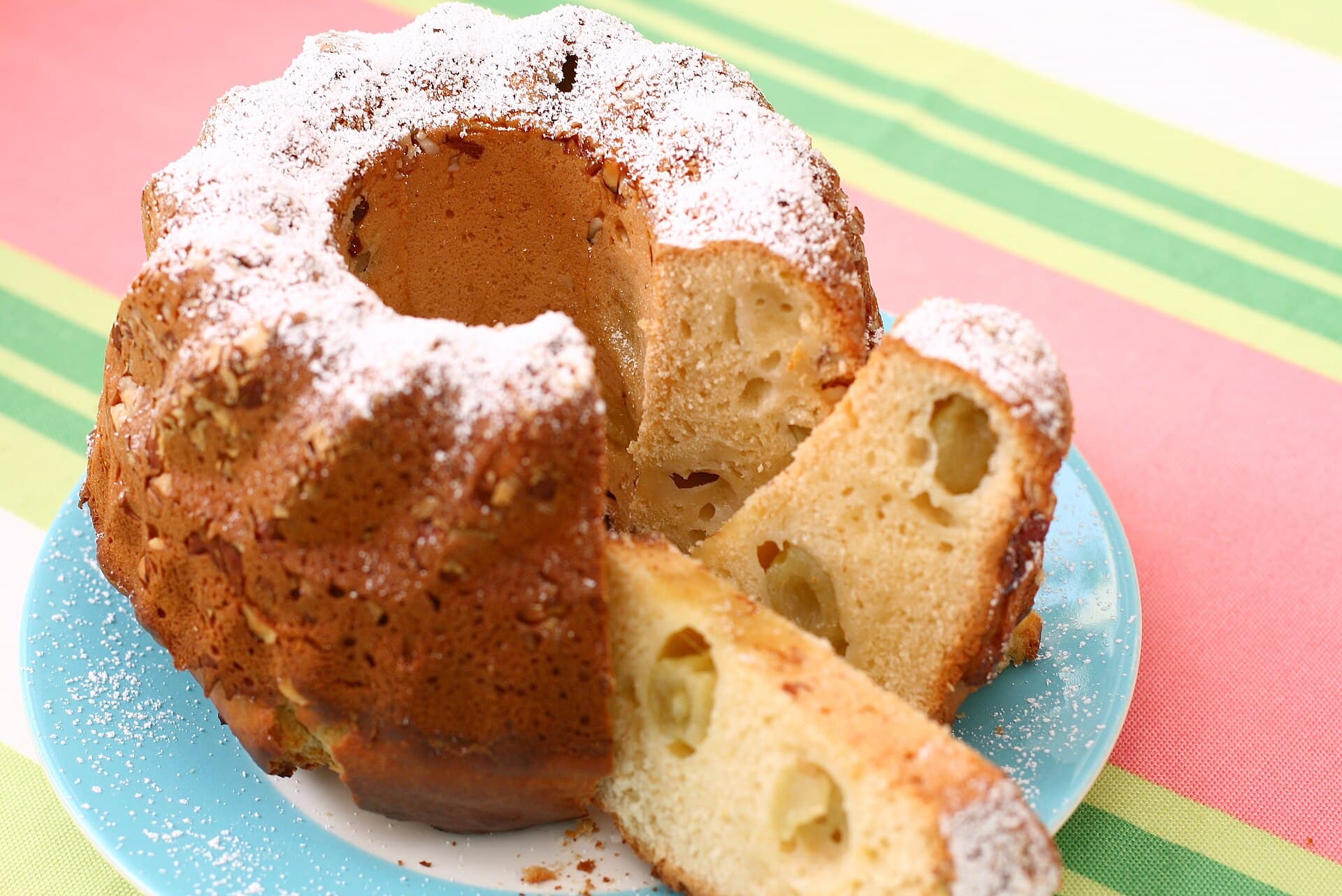
1950-2026
Bundt cake is as much about the pan as the batter. Nordic Ware created the Bundt pan in 1950 for home bakers seeking a kugelhopf-style shape, and Ella Helfrich's 1966 Tunnel of Fudge cake sent Bundt baking into American kitchens.
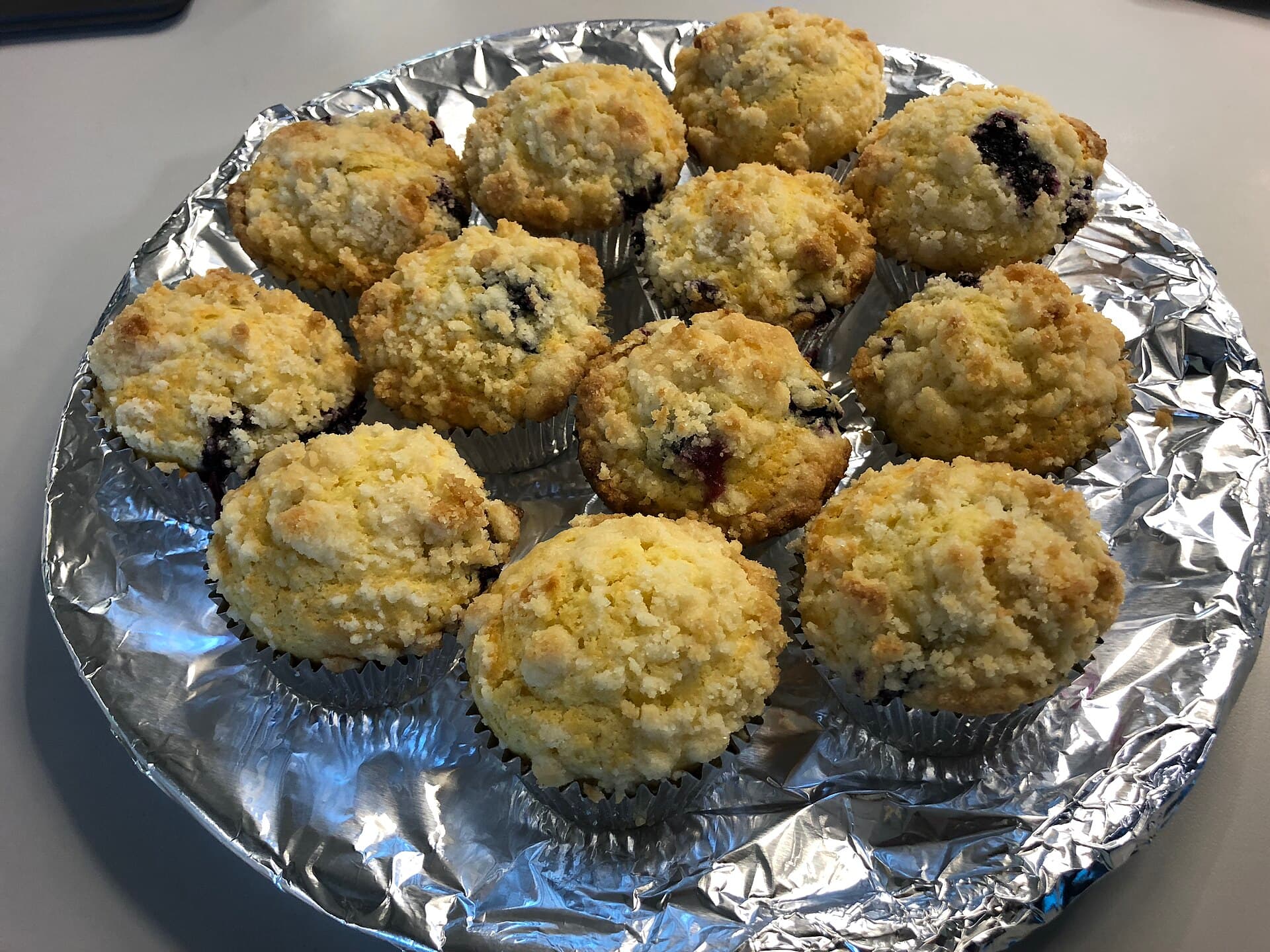
1900-2026
Blueberry muffins are everyday American breakfast baking, but Boston gave them a particular legend through Jordan Marsh department store. The oversized, sugar-topped muffin became a coffee-shop and bakery standard long after the department store disappeared.