
Recipe archive
Loading
Setting the table...
Fetching the latest recipes from the archive.
Loading
Fetching the latest recipes from the archive.
Recipe archive
America's Melting Pot
Chili Mac hero image coming soon
1946-1969 - Midwestern home cooks influenced by Southwestern chili recipes
Chili Mac is a classic American casserole melding macaroni pasta with a rich chili sauce, originating from Midwestern comfort food traditions between 1946 and 1969. This dish reflects postwar suburban tastes for easy, freezer-friendly meals that combine convenience with bold, hearty flavor, especially influenced by Tex-Mex ingredients from Southwestern and Mexican-American roots.
No featured photo yet. Upload a photo with your review. The highest-rated community photo may become this recipe's hero image.
Difficulty
Medium
Prep time
20 minutes
Cook time
40 minutes
Total time
60 minutes
Servings
6 servings
Region
Midwest
Era introduced
1946-1969
Introduced by
Midwestern home cooks influenced by Southwestern chili recipes
Recipe tools
Log in to save this recipe to a collection.
Chili Mac gained popularity in Midwest homes during the post-World War II era as a comforting and economical casserole. It combines two beloved American staples: chili and macaroni and cheese. The dish's ingredients reflect the influence of Tex-Mex flavors incorporated into widely accepted American casseroles. It embodies the era's trend toward make-ahead and freezer-friendly meals that could feed families and friends with minimal fuss, while offering a satisfying mix of spicy and cheesy warmth.
Share family changes, regional twists, or pantry-friendly adaptations as full community recipes.
Log in to submit a community recipe.
No community recipes yet. Submitted recipes are published right away.
Rate this recipe and share how it worked at your table.
Log in to review this recipe.
No reviews yet. Be the first to rate this recipe.
Recipes matched by era, region, occasion, ingredients, and cultural roots from the archive.
Same era
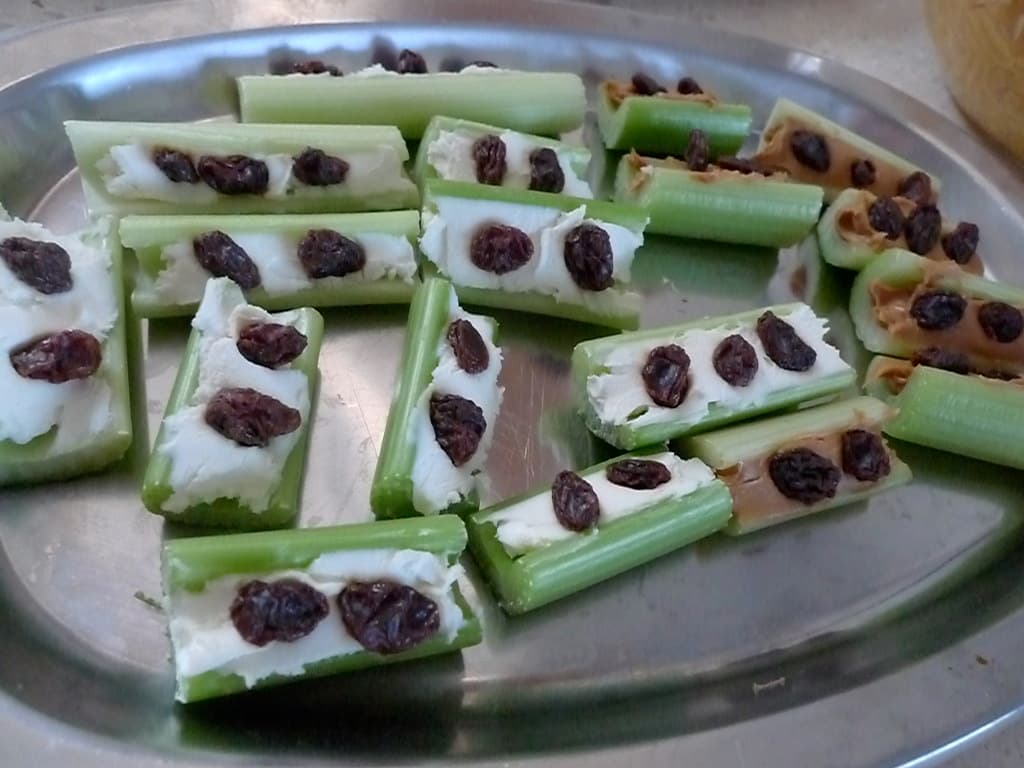
1950s-present
Celery sticks filled with peanut butter and topped with raisins, the classic American kid snack.
America's Melting Pot
Arby's-Style Horsey Sauce photo coming soon
1964-1970s
Arby's-Style Horsey Sauce is a sandwich sauce with real American table personality: Fast-food horseradish mayo tradition. It brings flavor from coast-to-coast American tables to cookouts, counters, lunch plates, potlucks, and weeknight suppers.
America's Melting Pot
Bacon-Wrapped Water Chestnuts photo coming soon
1946-1969
Crunchy water chestnuts wrapped in bacon, baked until crisp, and glazed with a brown sugar, soy, ketchup, and Worcestershire sauce.
Same region
America's Melting Pot
Oof-da Tacos photo coming soon
1900-1929
Oof-da Tacos are a unique fusion dish blending Mexican-American taco concepts with Scandinavian-American influences in the Midwest. Known from state fair and carnival food scenes, these tacos typically feature distinctive toppings and flavors that celebrate immigrant cultural mixing and regional reinterpretation.
America's Melting Pot
Taco Hotdish photo coming soon
1970-1989
Taco hotdish originated in the Midwest during the 1970s as a convenient casserole blending American and Mexican flavors. It combined ground beef, taco seasoning, and various toppings baked into a one-dish meal favored for tailgates and family dinners.
America's Melting Pot
Tacos in a Bag photo coming soon
1970-1989
Tacos in a bag originated in the Midwest during the 1970s and 1980s as a convenient, shareable snack combining tortilla chips with ground beef, cheese, and taco flavors directly in a bag. It became popular at schools, tailgates, and food trucks, reflecting regional adaptation and street food culture.
Same table
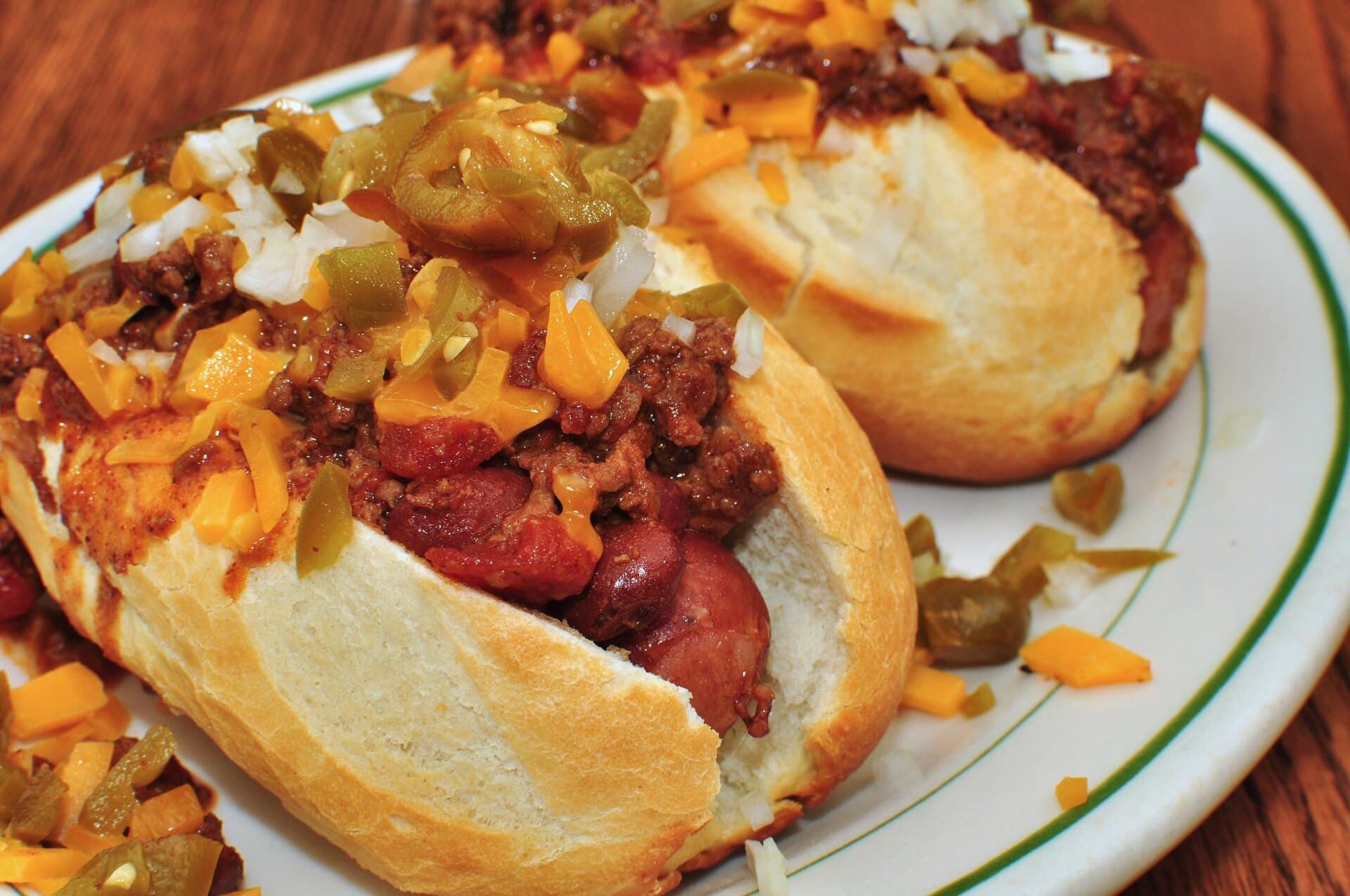
1970-1989
Chili dogs are an American fast-food favorite that combines the simplicity of a hot dog with the rich, spicy flavors of chili. Popular at concession stands, tailgates, and booster clubs from the 1970s through the 1980s, chili dogs reflect the fusion of American convenience food with the influence of Mexican-American and Southwestern cuisines, especially from Texas. This recipe offers a home-cooked version of a nostalgic and casual meal.
America's Melting Pot
Goulash, American Style photo coming soon
1946-1969
American-style goulash is a one-dish casserole combining ground beef, elbow macaroni, tomatoes, and cheese, popular in Midwestern households post-World War II. This comfort food version differs from traditional Hungarian goulash, emphasizing simplicity and affordability in home cooking during the mid-20th century.
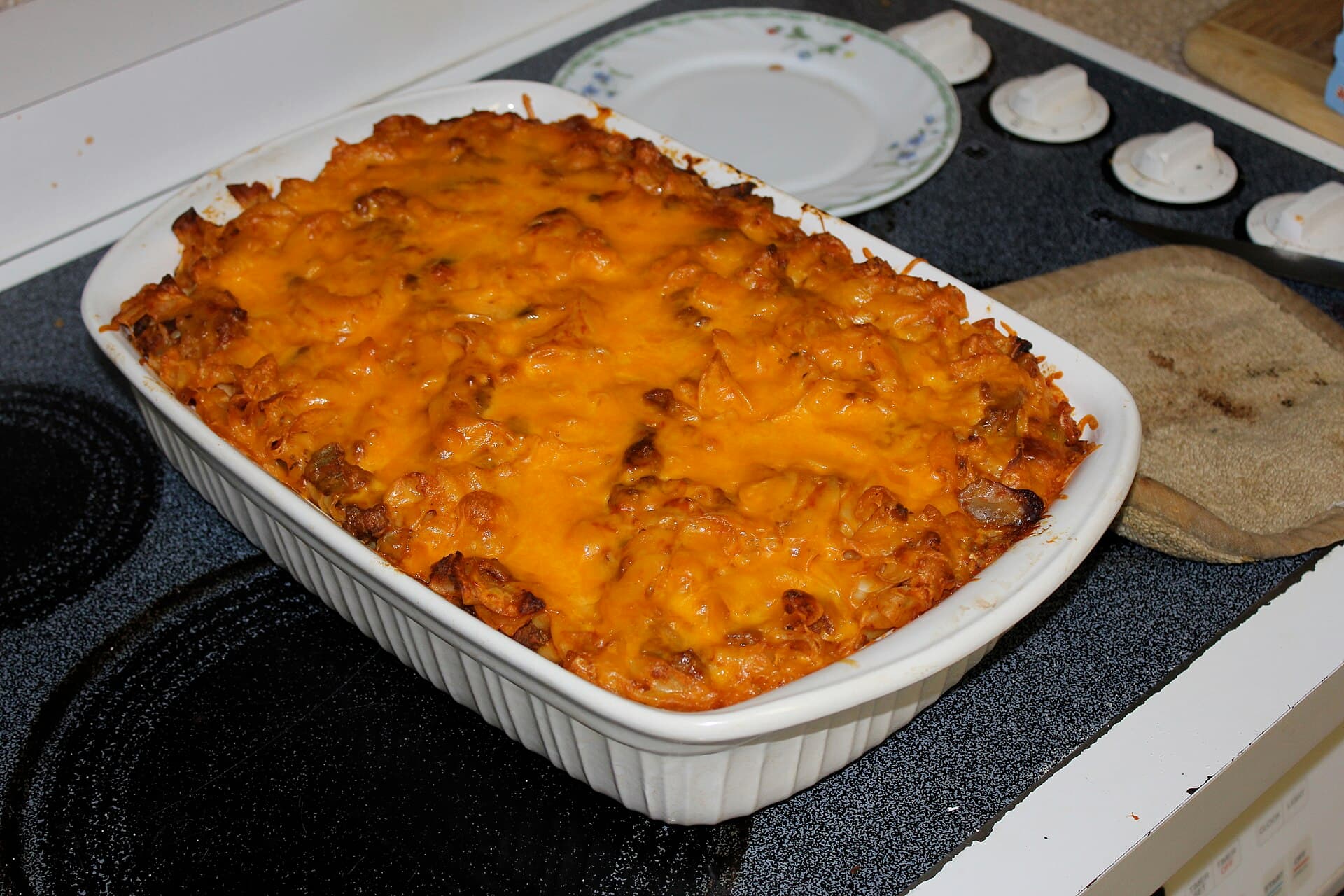
1946-1969
Johnny Marzetti is a comforting casserole originating in the Midwestern United States during the postwar era, combining pasta, ground beef, tomato sauce, and cheese. Popular in the decades following World War II, it reflects suburban family cooking focused on easy, satisfying one-dish meals that could feed a crowd.