
Recipe archive
Loading
Setting the table...
Fetching the latest recipes from the archive.
Loading
Fetching the latest recipes from the archive.
Recipe archive
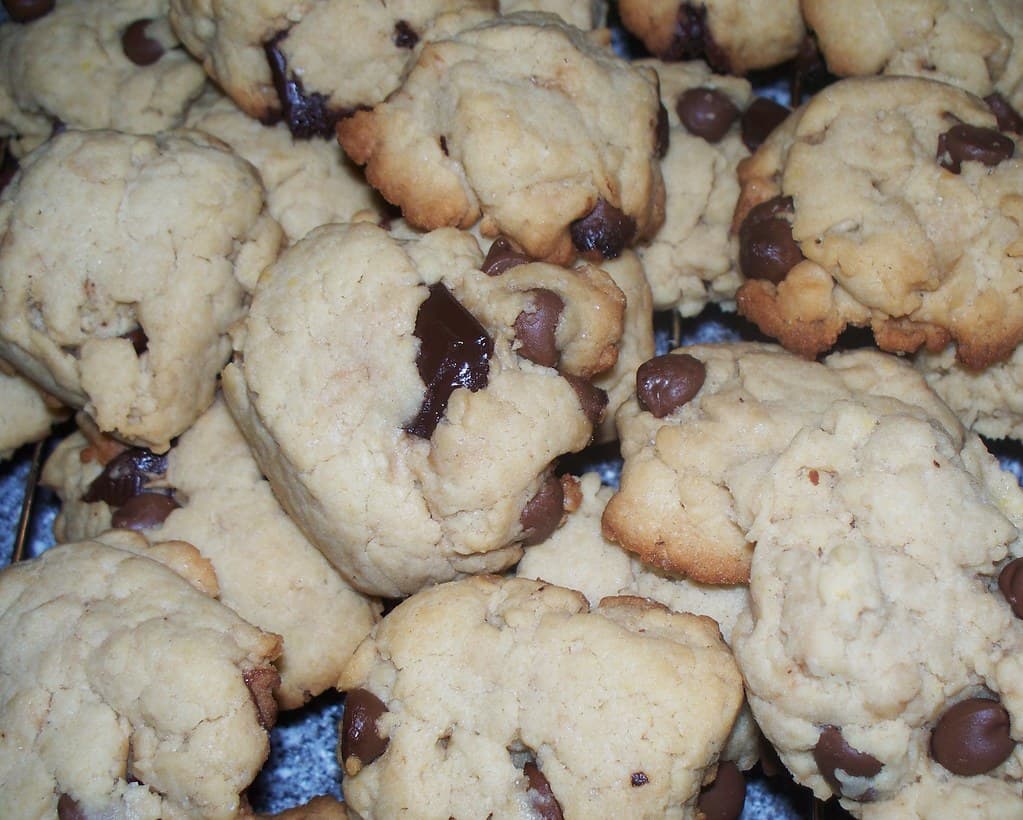
1930-1945 - American home bakers influenced by Nestle Toll House origins
Chocolate Chip Cookies became a quintessential American dessert in the postwar period (1946-1969), favored by families and children alike for lunchboxes and snacks. This recipe features a soft yet chewy texture with generous chocolate chips, embodying suburban baking traditions and the rise of accessible mass-produced chocolate chips. These cookies remain a nostalgic and beloved treat across the country.
Community-powered photos. Reviewers can upload dish photos, and the highest-rated community image may be featured here.
Difficulty
Easy
Prep time
15 minutes
Cook time
12 minutes
Total time
27 minutes
Servings
24 cookies
Region
Whitman, Massachusetts
Era introduced
1930-1945
Introduced by
American home bakers influenced by Nestle Toll House origins
Recipe tools
Log in to save this recipe to a collection.
Chocolate Chip Cookies originated in the United States and rose to widespread popularity through the mid-20th century, aided by the introduction of semisweet chocolate chips and home baking culture in the postwar suburban boom. These cookies combined simple ingredients for an enjoyable texture and taste that became a staple in American homes, school lunches, and bake sales. They exemplify the era's embrace of convenience and sweetness in home cooking and snacking.
Share family changes, regional twists, or pantry-friendly adaptations as full community recipes.
Log in to submit a community recipe.
No community recipes yet. Submitted recipes are published right away.
Rate this recipe and share how it worked at your table.
Log in to review this recipe.
No reviews yet. Be the first to rate this recipe.
Recipes matched by era, region, occasion, ingredients, and cultural roots from the archive.
Same era
America's Melting Pot
Army Chili photo coming soon
1930-1945
A practical ground-beef chili with beans, tomatoes, onion, chili powder, cumin, and paprika, adapted from Armed Forces chili con carne formulas for a family pot.
America's Melting Pot
Chicken Noodle Soup photo coming soon
1934-present
Chicken Noodle Soup is a comforting one-pot dish made by simmering chicken, vegetables, broth, and egg noodles into a nourishing soup. A staple across American kitchens for generations, it highlights simplicity, warmth, and adaptability in soups and stews throughout the country's culinary evolution.
America's Melting Pot
Chocolate Cake for a Crowd photo coming soon
1930s-1945
Chocolate Cake for a Crowd is a dessert designed to serve many people economically during the Depression and World War II eras (1930-1945). This cake reflects military and mess hall kitchens' need for practical, filling, and easily produced sweets using limited ingredients. Its simple yet rich chocolate flavor made it a favorite for community events, schools, and military gatherings where feeding large numbers was essential.
Same region
America's Melting Pot
Acorn Bread photo coming soon
1800-1860
A nutty, lightly sweet quick bread made with properly leached acorn flour, cornmeal, and wheat flour.
America's Melting Pot
American French Dressing photo coming soon
1900s-present
American French Dressing is a dressing with real American table personality: The bright orange-red, sweet, tomatoey bottled dressing Americans call "French." Not very French, very American. It brings flavor from coast-to-coast American tables to cookouts, counters, lunch plates, potlucks, and weeknight suppers.
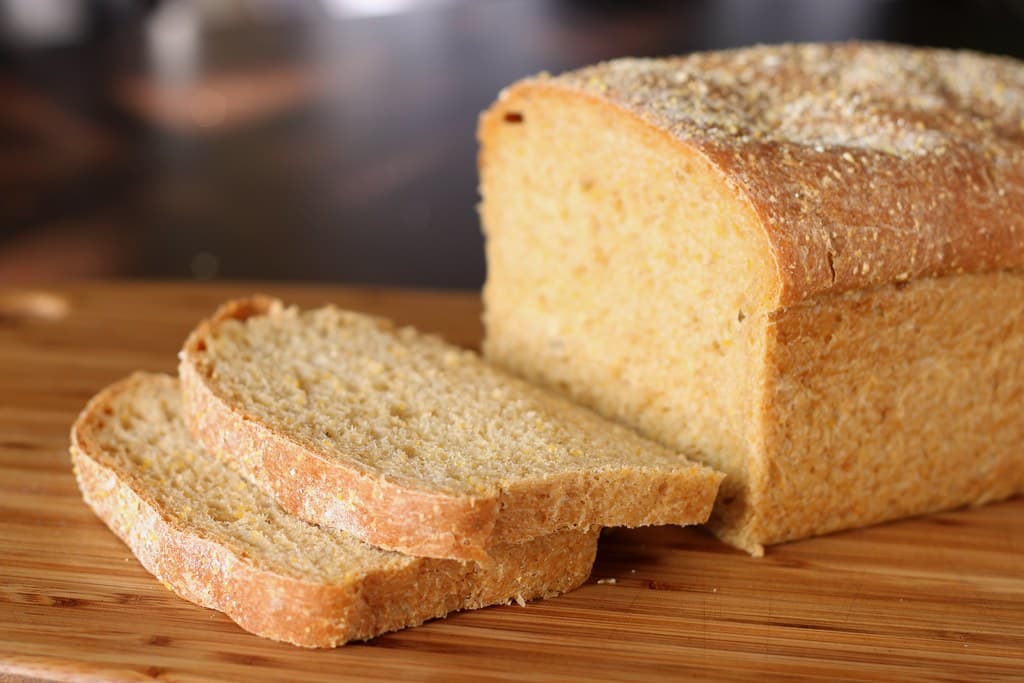
1800s-present
A lightly sweet New England loaf made with cornmeal, molasses, wheat flour, and yeast.
Same table
America's Melting Pot
Oatmeal Cream Pies photo coming soon
1935-present
Oatmeal Cream Pies are soft, sandwich-style cookies filled with creamy vanilla filling. Popularized in mid-20th century America, especially postwar suburbs, these treats combined convenience with nostalgic comfort, becoming a lunchbox and snack staple representative of American childhood.
America's Melting Pot
Crumbl-Style Cookies photo coming soon
2017-present
Crumbl-Style Cookies are soft-centered, thick cookies popularized by the Crumbl cookie chain, featuring a variety of rotating flavors but united by a chewy, buttery texture. These bakery-inspired cookies capture recent American dessert trends emphasizing shareability and novelty.
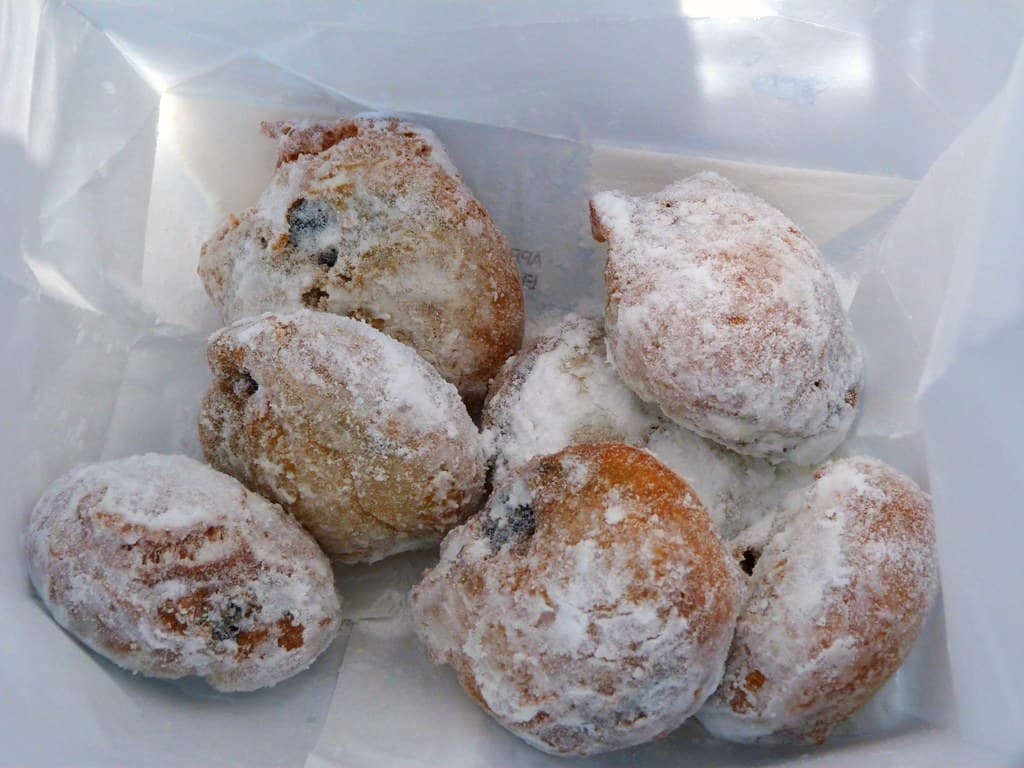
1990s-present
Fried Oreos feature Oreo cookies dipped in batter and deep fried, creating a warm, crispy, and gooey sweet treat. Popularized at American fairs and carnivals in the early 20th century, they blend convenience baking with indulgent frying.