
Recipe archive
Loading
Setting the table...
Fetching the latest recipes from the archive.
Loading
Fetching the latest recipes from the archive.
Recipe archive
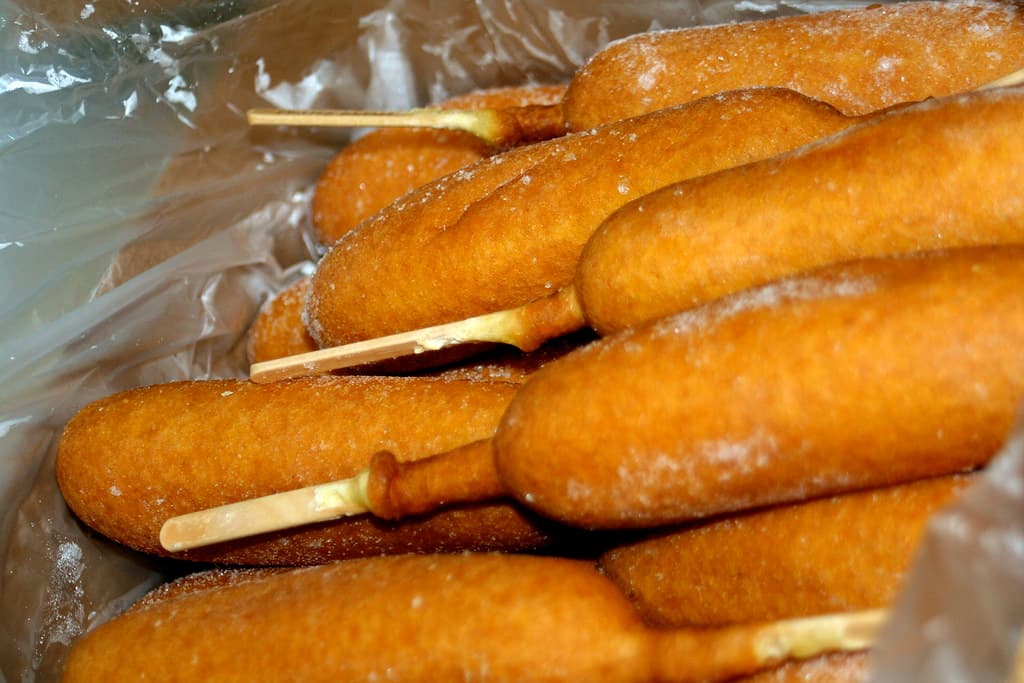
1930-1945 - American carnivals, state fairs, and urban diners
Corn dogs are hot dogs coated in a thick cornmeal batter and fried until golden, a popular carnival and state fair food emerging in early 20th-century America.
Community-powered photos. Reviewers can upload dish photos, and the highest-rated community image may be featured here.
Difficulty
Medium
Prep time
20 minutes
Cook time
10 minutes
Total time
30 minutes
Servings
6
Region
Dallas, Texas, State Fair of Texas
Era introduced
1930-1945
Introduced by
American carnivals, state fairs, and urban diners
Recipe tools
Log in to save this recipe to a collection.
Corn dogs surfaced in American food culture between 1900 and 1929, becoming iconic at fairs, carnivals, and diners. This portable fried snack combines the convenience of a hot dog with a cornmeal-based batter, embodying fast food traditions of immigrant cities and expanding urban lunch counters. Their popularity extended to school meals and quick snacks, highlighting the adaptability of cornmeal in American cuisine as both comfort and convenience food.
Share family changes, regional twists, or pantry-friendly adaptations as full community recipes.
Log in to submit a community recipe.
No community recipes yet. Submitted recipes are published right away.
Rate this recipe and share how it worked at your table.
Log in to review this recipe.
No reviews yet. Be the first to rate this recipe.
Recipes matched by era, region, occasion, ingredients, and cultural roots from the archive.
Same era
America's Melting Pot
Army Chili photo coming soon
1930-1945
A practical ground-beef chili with beans, tomatoes, onion, chili powder, cumin, and paprika, adapted from Armed Forces chili con carne formulas for a family pot.
America's Melting Pot
Chicken Noodle Soup photo coming soon
1934-present
Chicken Noodle Soup is a comforting one-pot dish made by simmering chicken, vegetables, broth, and egg noodles into a nourishing soup. A staple across American kitchens for generations, it highlights simplicity, warmth, and adaptability in soups and stews throughout the country's culinary evolution.
America's Melting Pot
Chocolate Cake for a Crowd photo coming soon
1930s-1945
Chocolate Cake for a Crowd is a dessert designed to serve many people economically during the Depression and World War II eras (1930-1945). This cake reflects military and mess hall kitchens' need for practical, filling, and easily produced sweets using limited ingredients. Its simple yet rich chocolate flavor made it a favorite for community events, schools, and military gatherings where feeding large numbers was essential.
Same region
America's Melting Pot
Giant Cookies photo coming soon
1990s-present
Giant cookies are oversized versions of classic cookies, popularized in American coffee shops during the 1990s and early 2000s. Featuring a variety of flavors from chocolate chip to oatmeal raisin, these cookies offer a shareable dessert experience characterized by a soft, chewy texture and crisp edges.
America's Melting Pot
Grilled Chicken Salad photo coming soon
1990s-present
Grilled Chicken Salad became popular in American suburbs and coffee shops during the 1990s-2000s as a health-oriented dish. Featuring marinated grilled chicken over mixed greens with fresh vegetables and vinaigrette, it is common at Super Bowl gatherings and casual dining venues.
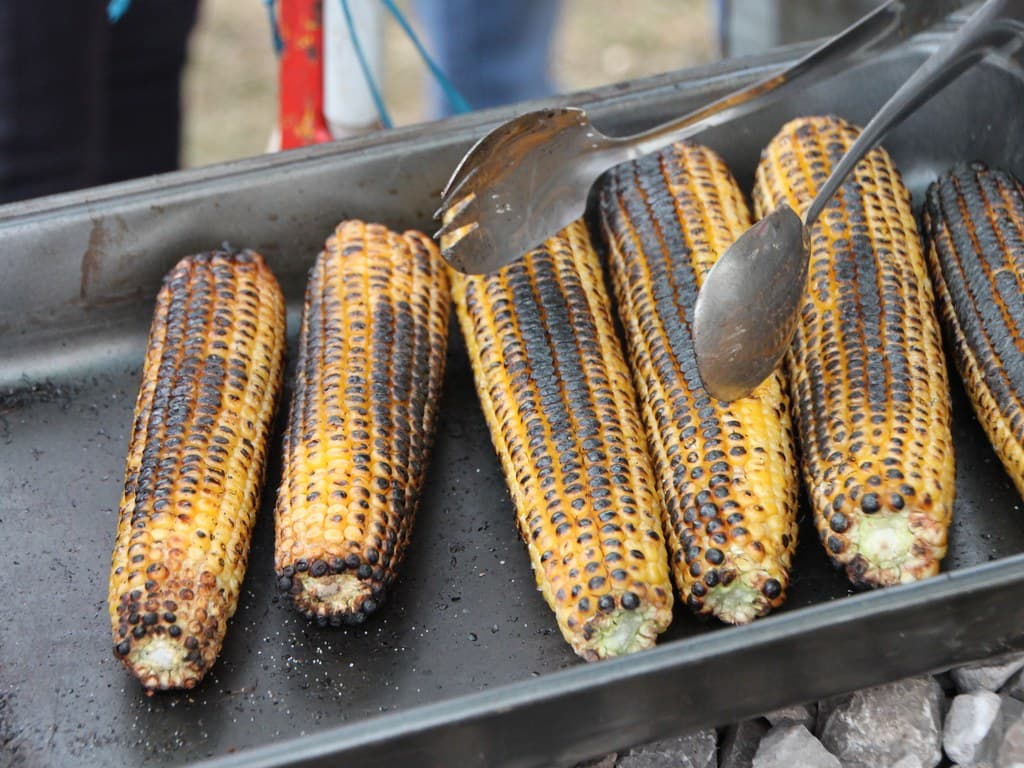
1900s-present
Grilled Corn gained popularity in American suburbs and backyards during the postwar period, representing easy and affordable patio food. Often served as a summer barbecue staple, corn is grilled in the husk or directly on the grill for smoky flavor and tender texture.
Same table
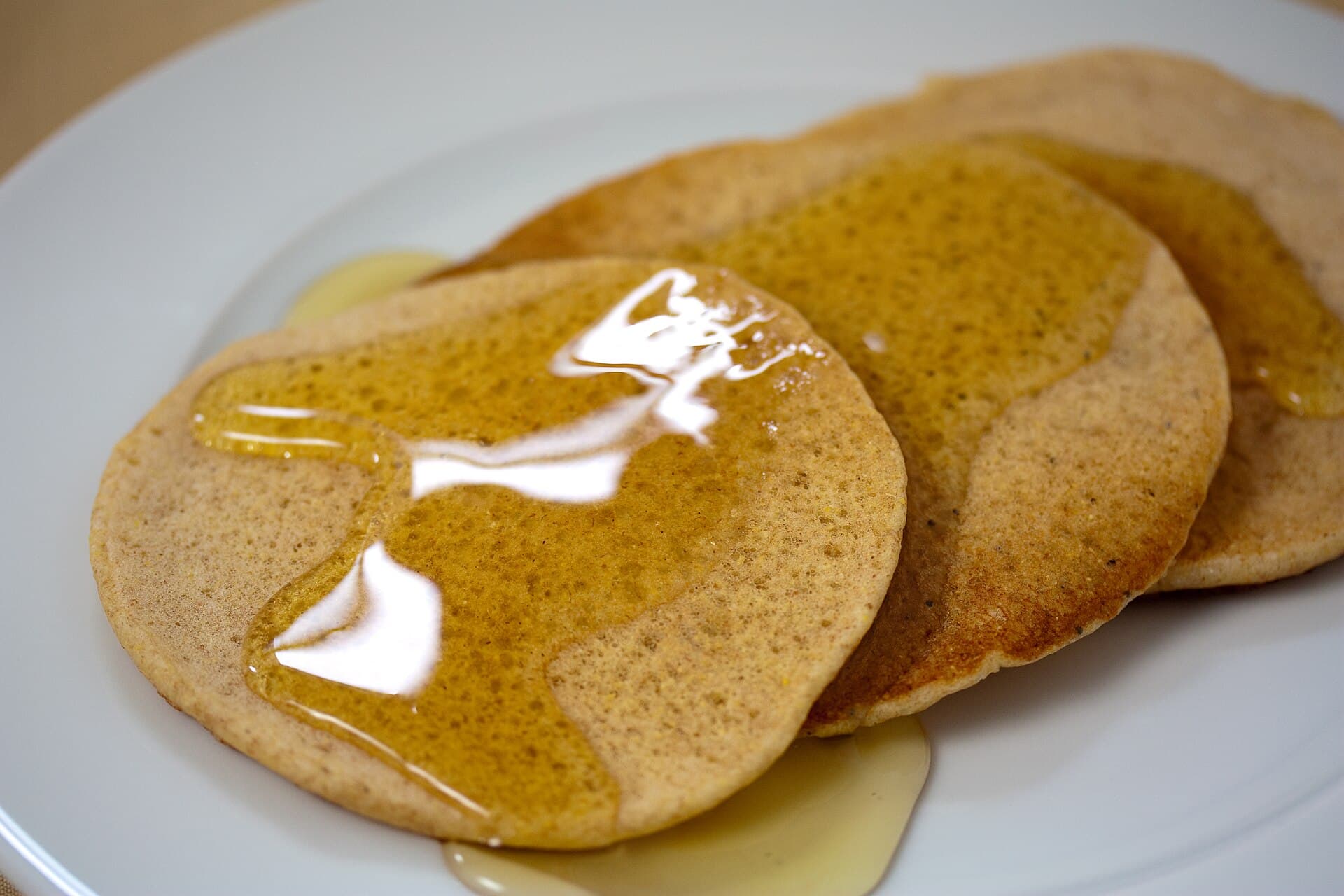
1600s-present
Cornmeal pancakes were a practical and hearty breakfast staple during the Depression and Dust Bowl years, offering an affordable, nourishing start to the day in rural and urban kitchens alike. Using simple pantry staples like cornmeal and flour, these pancakes sustained families through hard economic times and food shortages.
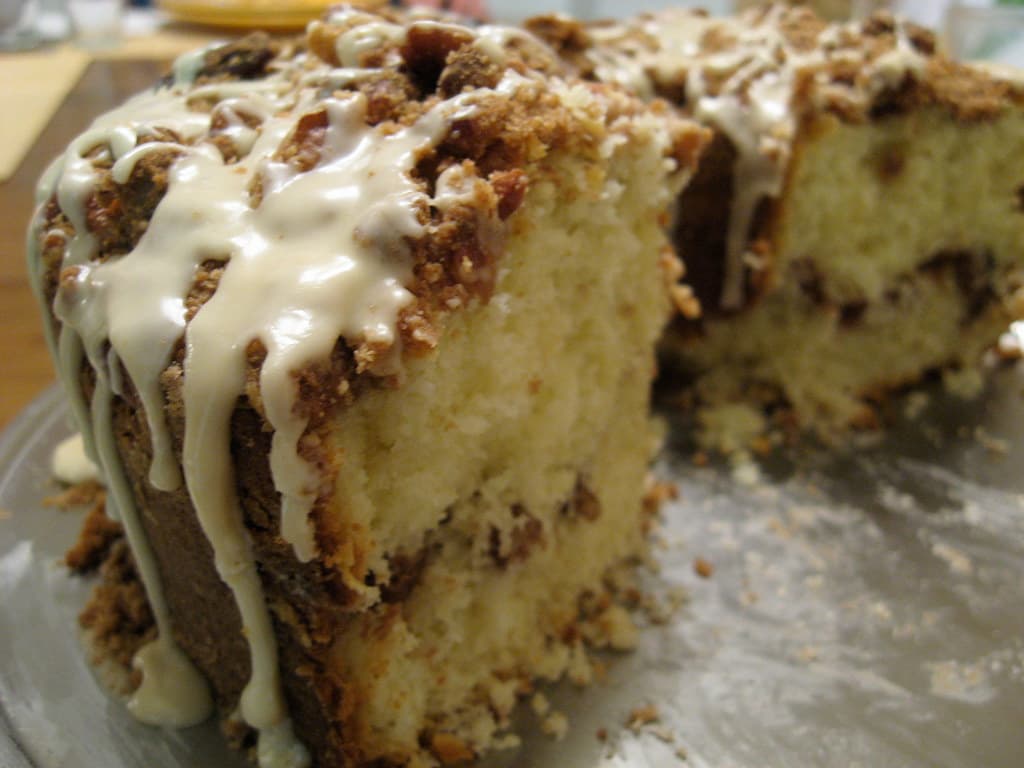
1800s-present
Coffee cake is a moist, sweet cake often topped with cinnamon sugar streusel, enjoyed in schools, churches, and diners during the early 1900s. This American breakfast favorite embodies community gathering traditions and immigrant influences melding into everyday comfort food.
America's Melting Pot
Corn Pone photo coming soon
1776-1800
Corn pone is a simple, unleavened corn bread originating in early American Southern kitchens. Made with basic ingredients, it was a staple food for families from the Revolutionary period onward, often baked in a skillet or hearth oven.