
Recipe archive
Loading
Setting the table...
Fetching the latest recipes from the archive.
Loading
Fetching the latest recipes from the archive.
Recipe archive
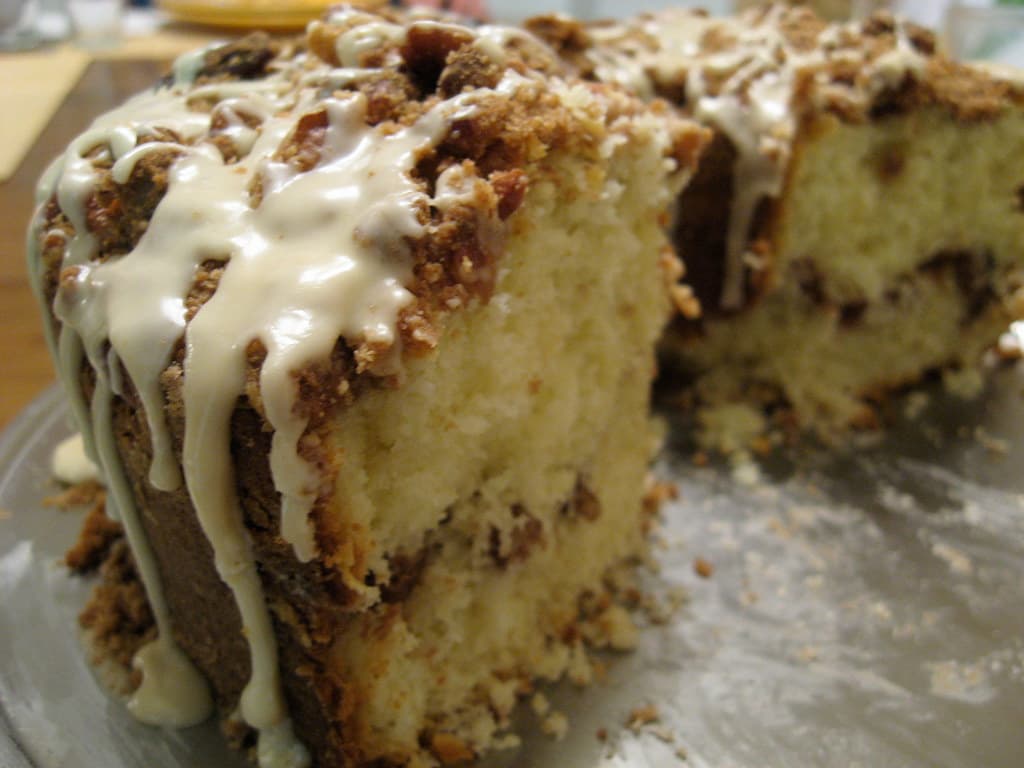
1861-1900 - Immigrant communities, American diners, church and school kitchens.
Coffee cake is a moist, sweet cake often topped with cinnamon sugar streusel, enjoyed in schools, churches, and diners during the early 1900s. This American breakfast favorite embodies community gathering traditions and immigrant influences melding into everyday comfort food.
Community-powered photos. Reviewers can upload dish photos, and the highest-rated community image may be featured here.
Difficulty
Medium
Prep time
15 minutes
Cook time
40 minutes
Total time
55 minutes
Servings
8
Region
German American and Scandinavian American Midwest and Northeast bakeries
Era introduced
1861-1900
Introduced by
Immigrant communities, American diners, church and school kitchens.
Recipe tools
Log in to save this recipe to a collection.
Coffee cake gained widespread popularity in the United States between 1900 and 1929, particularly within immigrant communities settling in urban centers. Commonly served in schools, churches, diners, and state fairs, the cake's sweet cinnamon streusel topping made it a beloved companion to morning coffee or afternoon tea. It reflected the blending of European baking traditions with American ingredients and social habits. Coffee cake became a symbol of accessible comfort, community sharing, and daily ritual in immigrant city life.
Share family changes, regional twists, or pantry-friendly adaptations as full community recipes.
Log in to submit a community recipe.
No community recipes yet. Submitted recipes are published right away.
Rate this recipe and share how it worked at your table.
Log in to review this recipe.
No reviews yet. Be the first to rate this recipe.
Recipes matched by era, region, occasion, ingredients, and cultural roots from the archive.
Same era
America's Melting Pot
Army Bean Soup photo coming soon
1861-1900
A hearty military-style bean soup built on navy beans, smoked ham hock, onion, celery, carrot, and bay leaf, adapted for a home pot from large-batch service traditions.
1861-1900
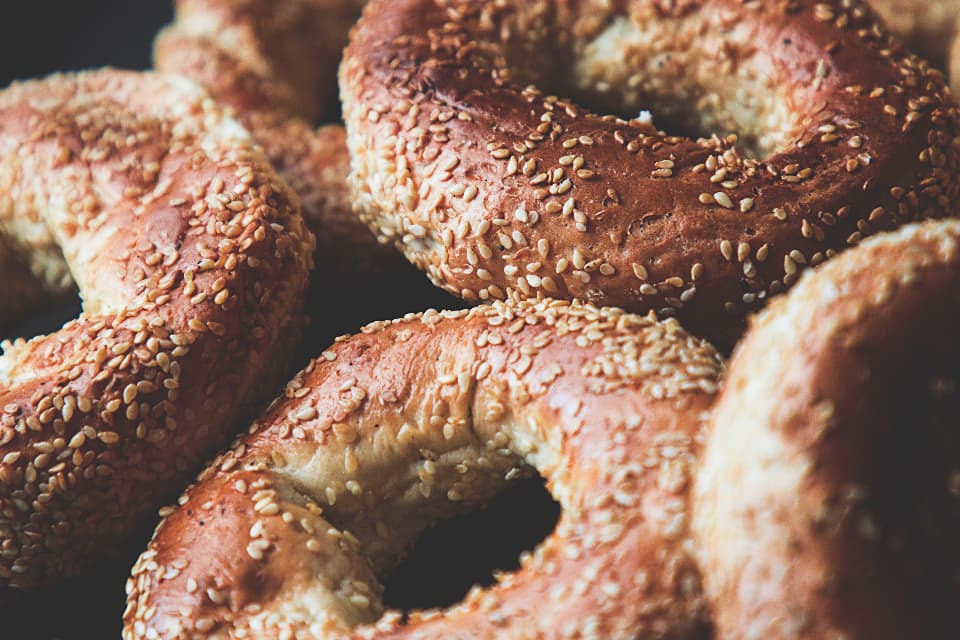
A basic homemade bagel recipe using high-protein flour, malt or brown sugar, a short boil, and a hot bake for chewy New York-style results.
America's Melting Pot
Bagels with Schmear photo coming soon
1861-1900
A deli-style bagel with a thick schmear of plain or scallion cream cheese, with optional onion, capers, tomato, and cucumber.
Same region
1700-2026
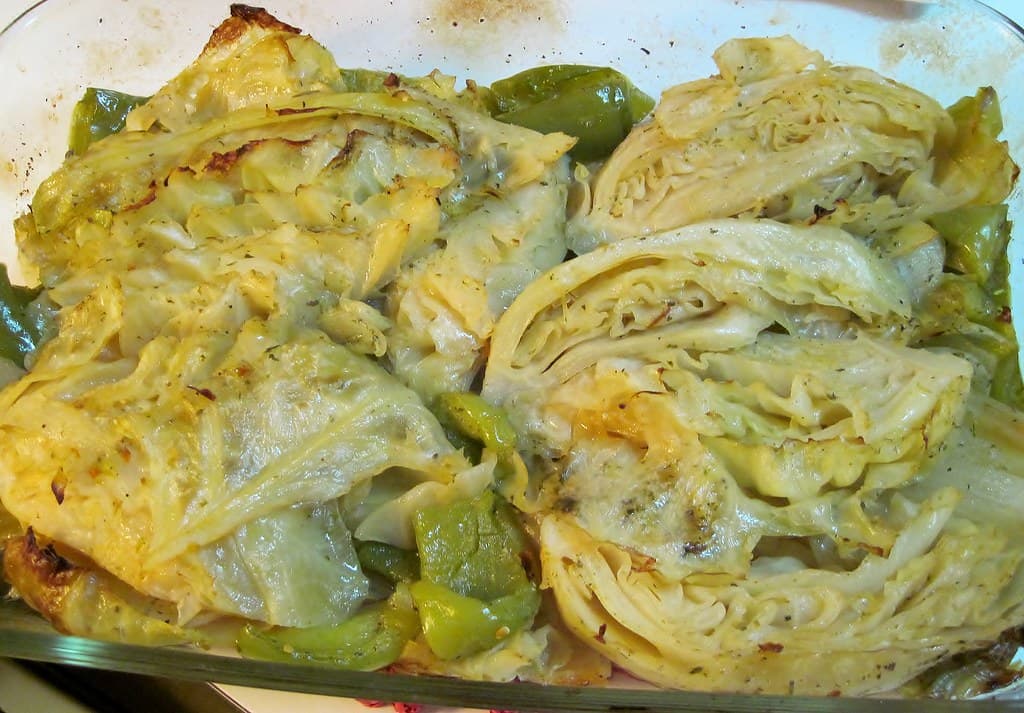
Braised cabbage is an old, practical side dish because cabbage stores well, feeds many, and softens beautifully with slow moist heat. American versions draw from British, German, Irish, and Eastern European cabbage cookery as well as plain farm-table thrift.
1900-2026
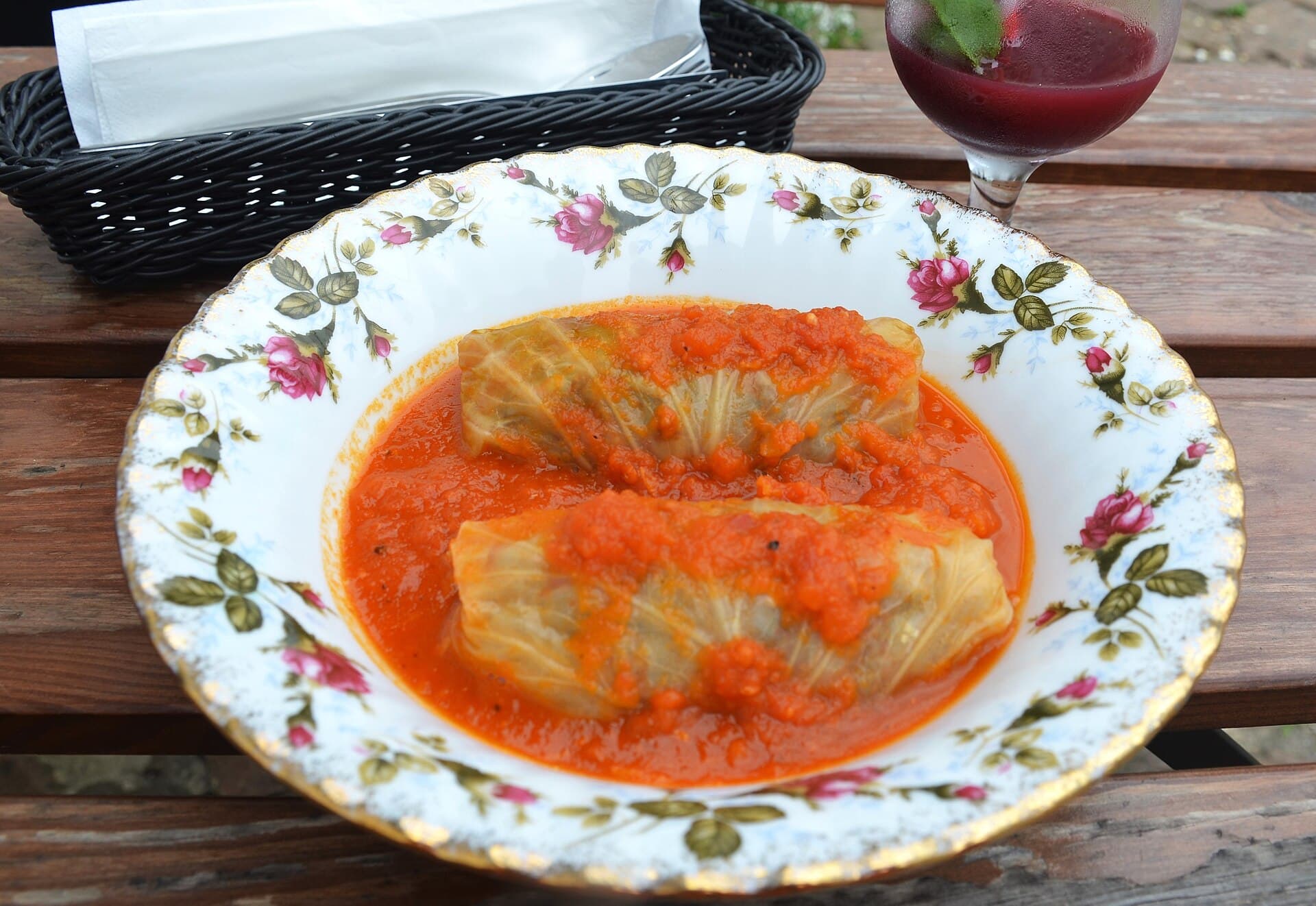
Cabbage rolls came to American tables through many Eastern European and Jewish immigrant communities. Polish golabki, Ukrainian holubtsi, Slovak holubky, Jewish holishkes, and related dishes all wrap humble cabbage around a filling that stretches meat with rice or grain.
America's Melting Pot
Cabbage Soup photo coming soon
1800-2026
Cabbage soup is old-world thrift cooking that fit American boardinghouses, mining camps, immigrant kitchens, and wartime tables. Cabbage stored well, stretched broth, and could become a light vegetable soup or a heartier meal with potatoes, beans, or meat.
Same table
America's Melting Pot
Sheet Cake photo coming soon
1930s-present
Sheet Cake is a simple, large-format cake baked in a rectangular pan, often frosted and decorated for community gatherings, school events, and church socials. Its easy preparation and service made it a staple dessert in early American communal dining spaces.
America's Melting Pot
Coffee Shop Scones photo coming soon
1980s-present
Coffee shop scones are tender, buttery pastries with a crisp exterior and soft crumb, popular in Pacific Northwest cafes. Typically served with coffee, these scones reflect regional preferences and European pastry influences adapted to local tastes across eras.
1600s-present
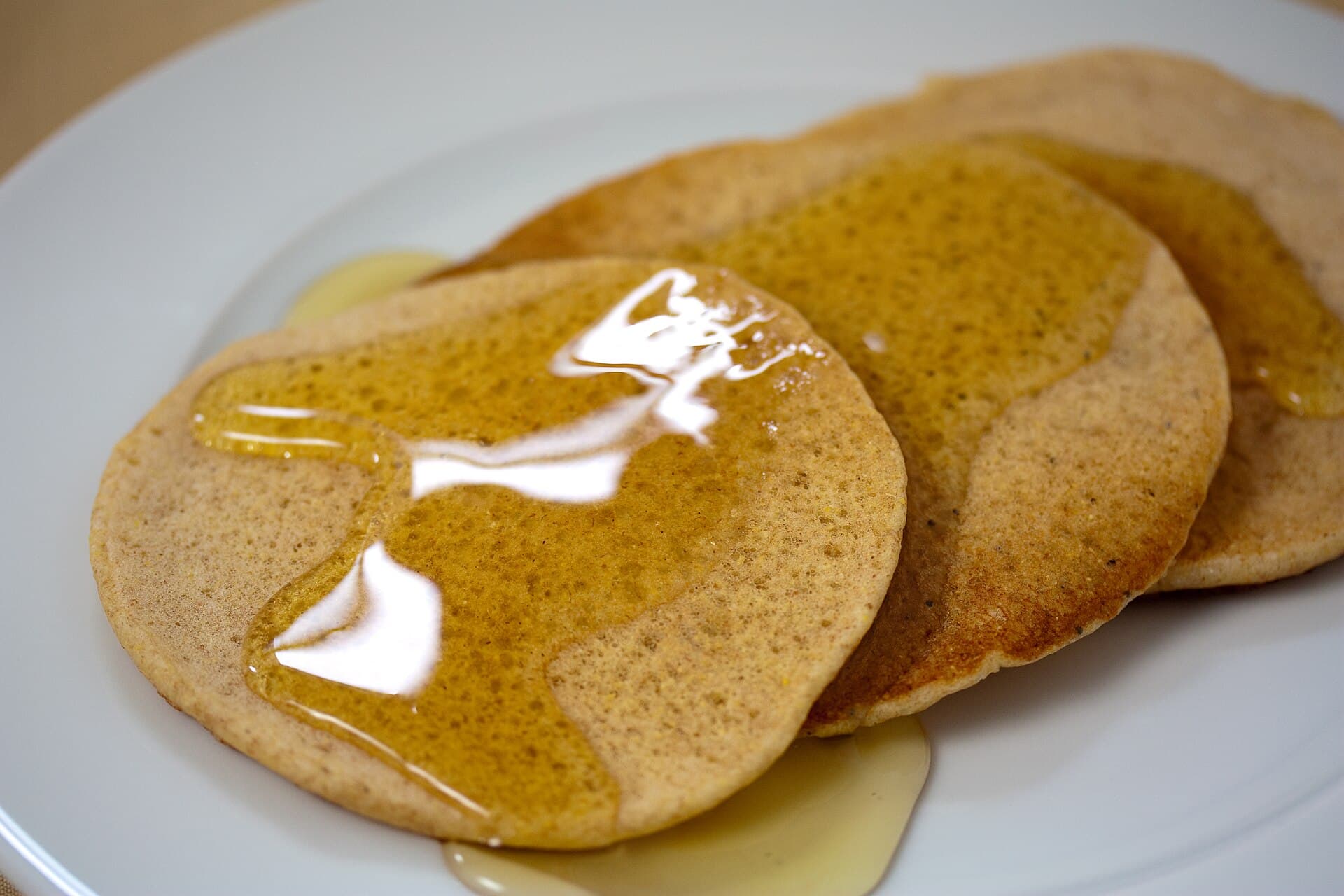
Cornmeal pancakes were a practical and hearty breakfast staple during the Depression and Dust Bowl years, offering an affordable, nourishing start to the day in rural and urban kitchens alike. Using simple pantry staples like cornmeal and flour, these pancakes sustained families through hard economic times and food shortages.