
Recipe archive
Loading
Setting the table...
Fetching the latest recipes from the archive.
Loading
Fetching the latest recipes from the archive.
Recipe archive
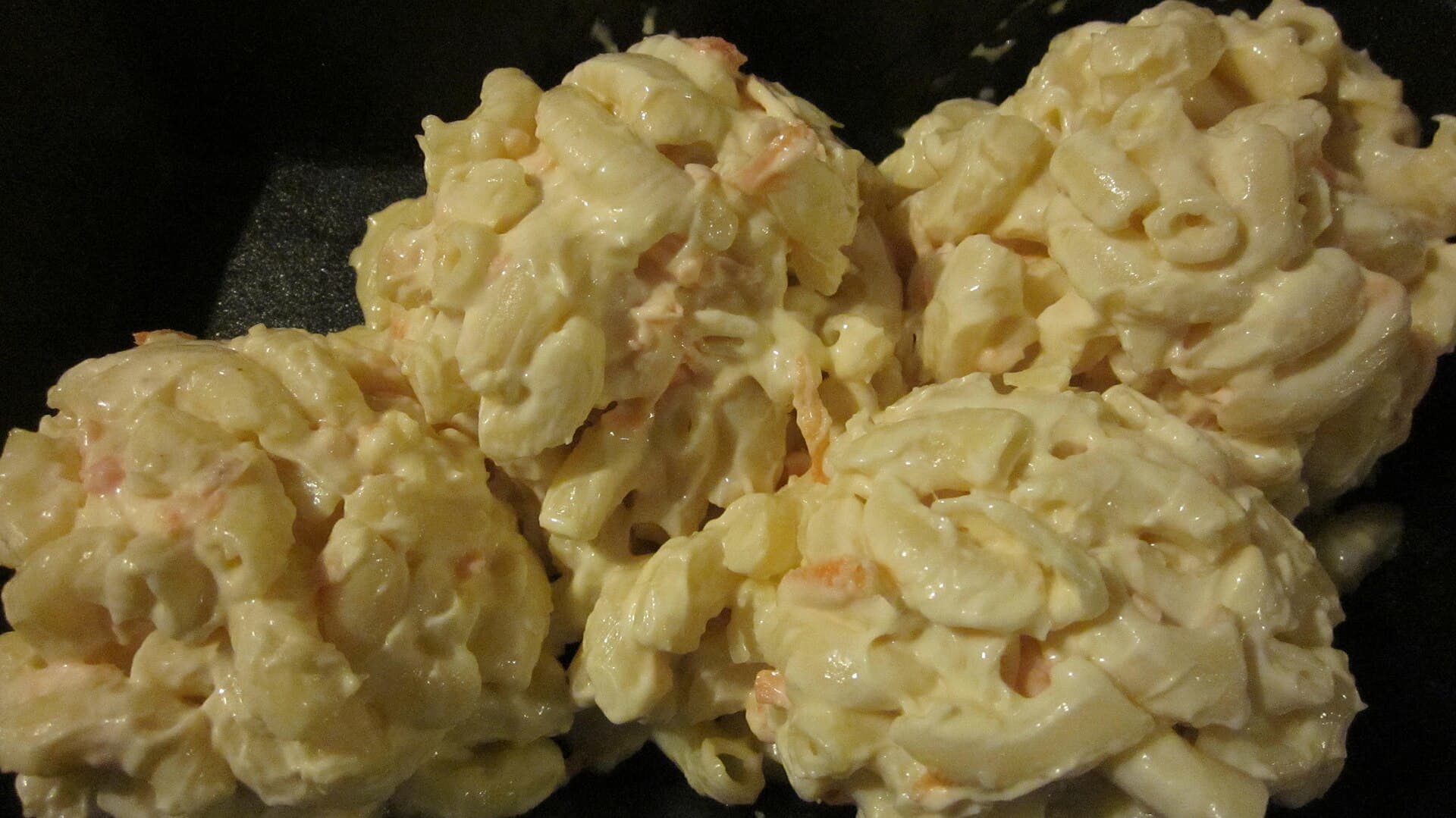
1900-1929 - Hawaiian community cooks reflecting Asian-Pacific and Portuguese-American influences.
Macaroni salad is an essential side dish in Hawaii's multicultural cuisine, blending Asian-Pacific, Hawaiian, and Portuguese influences. Served at school functions, churches, and state fairs, it features tender macaroni with creamy mayonnaise dressing and subtle seasonings, making it a refreshing accompaniment for various Hawaiian meals and celebrations.
Community-powered photos. Reviewers can upload dish photos, and the highest-rated community image may be featured here.
Difficulty
Easy
Prep time
15 minutes
Cook time
10 minutes
Total time
25 minutes
Servings
8
Region
Hawaii
Era introduced
1900-1929
Introduced by
Hawaiian community cooks reflecting Asian-Pacific and Portuguese-American influences.
Recipe tools
Log in to save this recipe to a collection.
Hawaiian macaroni salad blends local and immigrant culinary traditions, emerging as a beloved side at community gatherings, churches, schools, and events like state fairs and the Fourth of July. Its creamy texture and mild seasoning reflect Portuguese mayonnaise use and Asian vegetable influences, symbolizing Hawaii's diverse food culture. Served chilled, this salad complements grilled meats and other island favorites, marking a consistent presence in festive and everyday Hawaiian meals.
Share family changes, regional twists, or pantry-friendly adaptations as full community recipes.
Log in to submit a community recipe.
No community recipes yet. Submitted recipes are published right away.
Rate this recipe and share how it worked at your table.
Log in to review this recipe.
No reviews yet. Be the first to rate this recipe.
Recipes matched by era, region, occasion, ingredients, and cultural roots from the archive.
Same era
America's Melting Pot
American French Dressing photo coming soon
1900s-present
American French Dressing is a dressing with real American table personality: The bright orange-red, sweet, tomatoey bottled dressing Americans call "French." Not very French, very American. It brings flavor from coast-to-coast American tables to cookouts, counters, lunch plates, potlucks, and weeknight suppers.
America's Melting Pot
Apple Pie Shake photo coming soon
1922-present
Apple Pie Shake brings drive-in, carhop, and fast-food dessert-counter energy to the table: Diner pie a la mode in a cup.
America's Melting Pot
Avgolemono Soup photo coming soon
1900-1929
A silky Greek-American chicken, rice, egg, and lemon soup made by tempering eggs into hot broth for a creamy dairy-free finish.
Same region
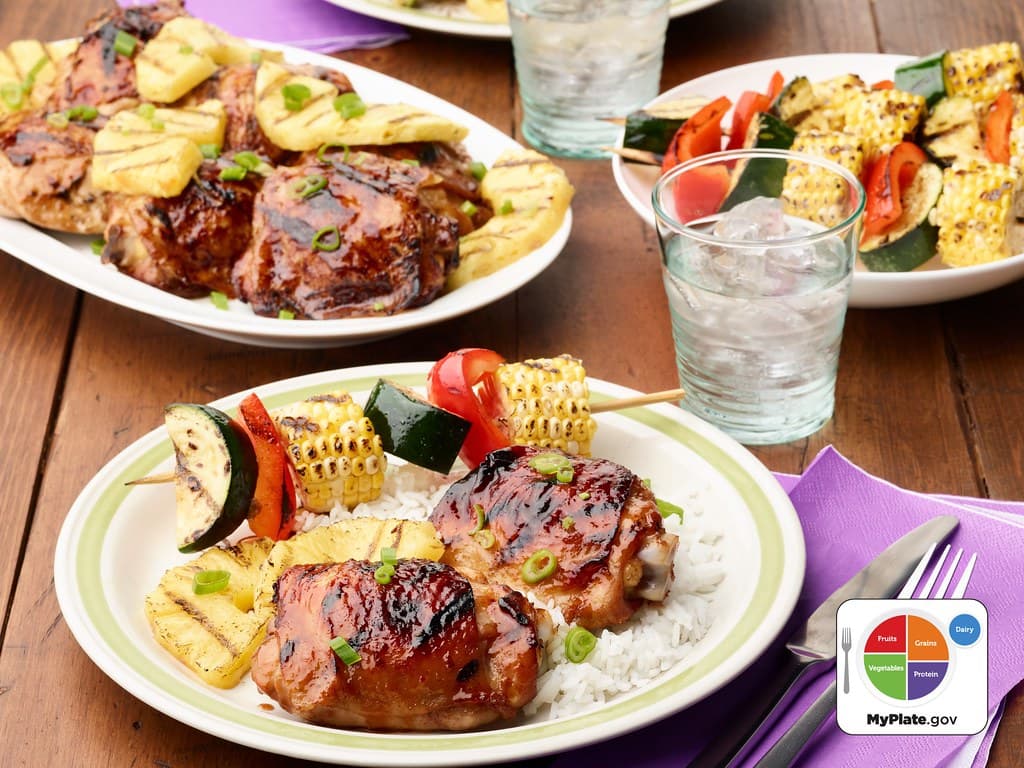
1946-1969
Huli Huli Chicken is a celebrated Hawaiian barbecue dish developed in the mid-20th century combining sweet, savory, and smoky flavors. It features grilled chicken basted with a sauce of pineapple juice, soy sauce, and brown sugar, reflecting Hawaiian, Asian-Pacific, and Portuguese-American culinary influences prevalent after World War II.
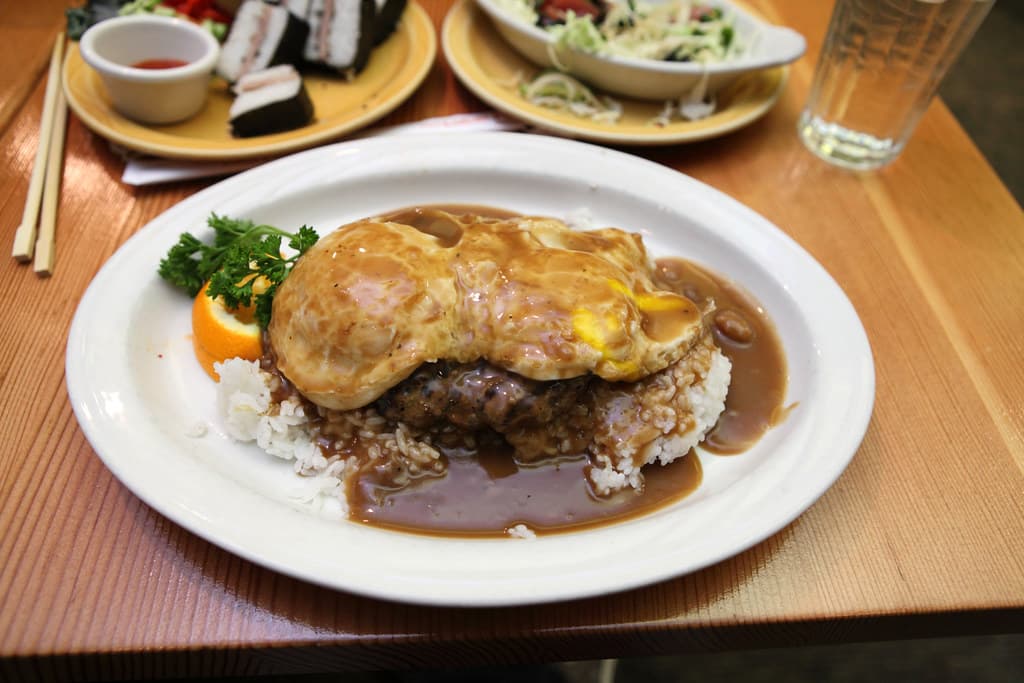
1946-1969
Loco Moco is a Hawaiian dish consisting of white rice topped with a hamburger patty, fried egg, and brown gravy. It reflects a fusion of Hawaiian, Asian-Pacific American, and Portuguese-American culinary influences and became popular in Hawaii post World War II.
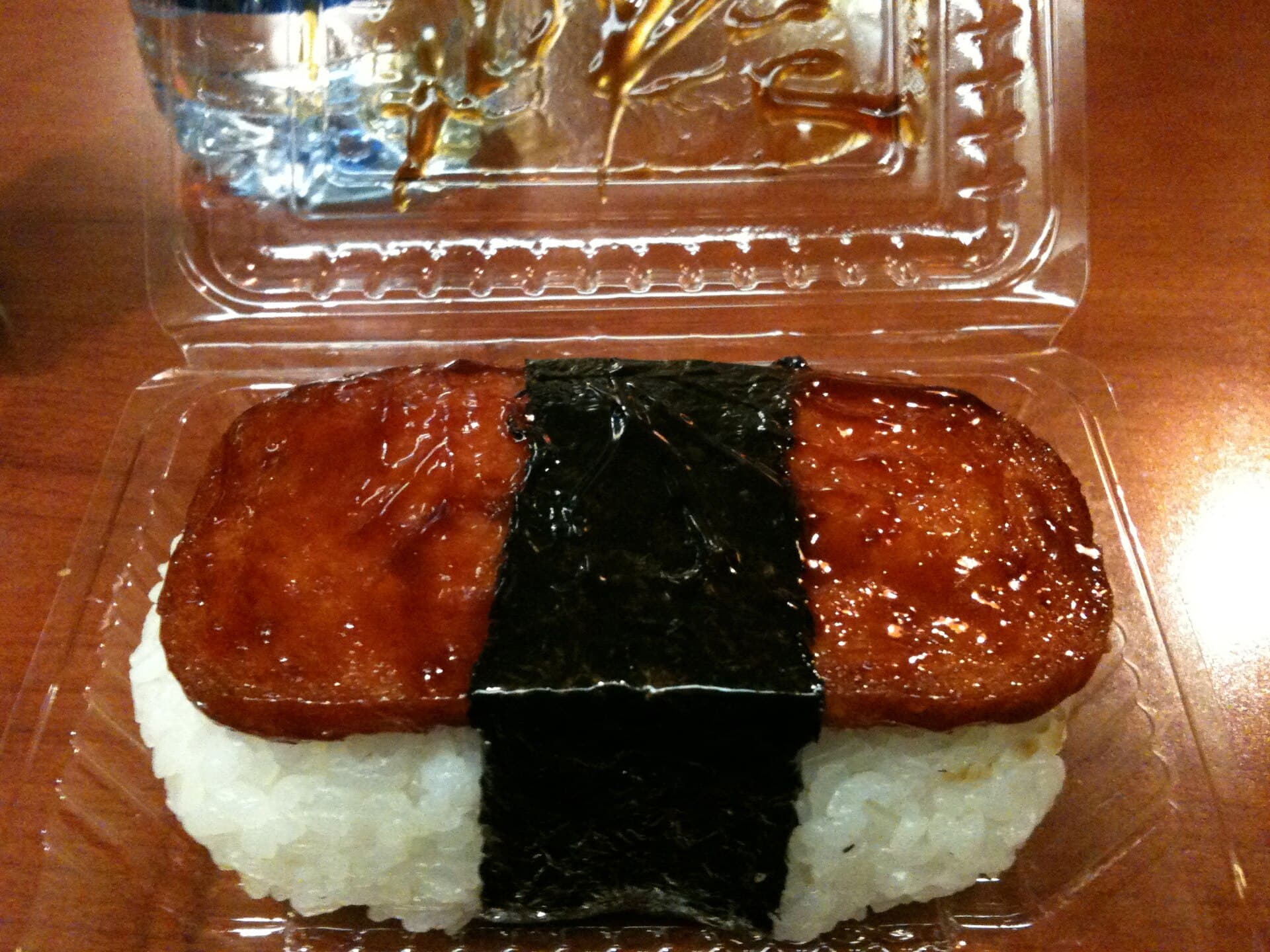
1930-1945
Spam musubi is a beloved Hawaiian snack that blends Japanese onigiri traditions with American canned meat from World War II. It symbolizes Hawaii's multicultural food culture and postwar adaptations.
Same table
1800s-present
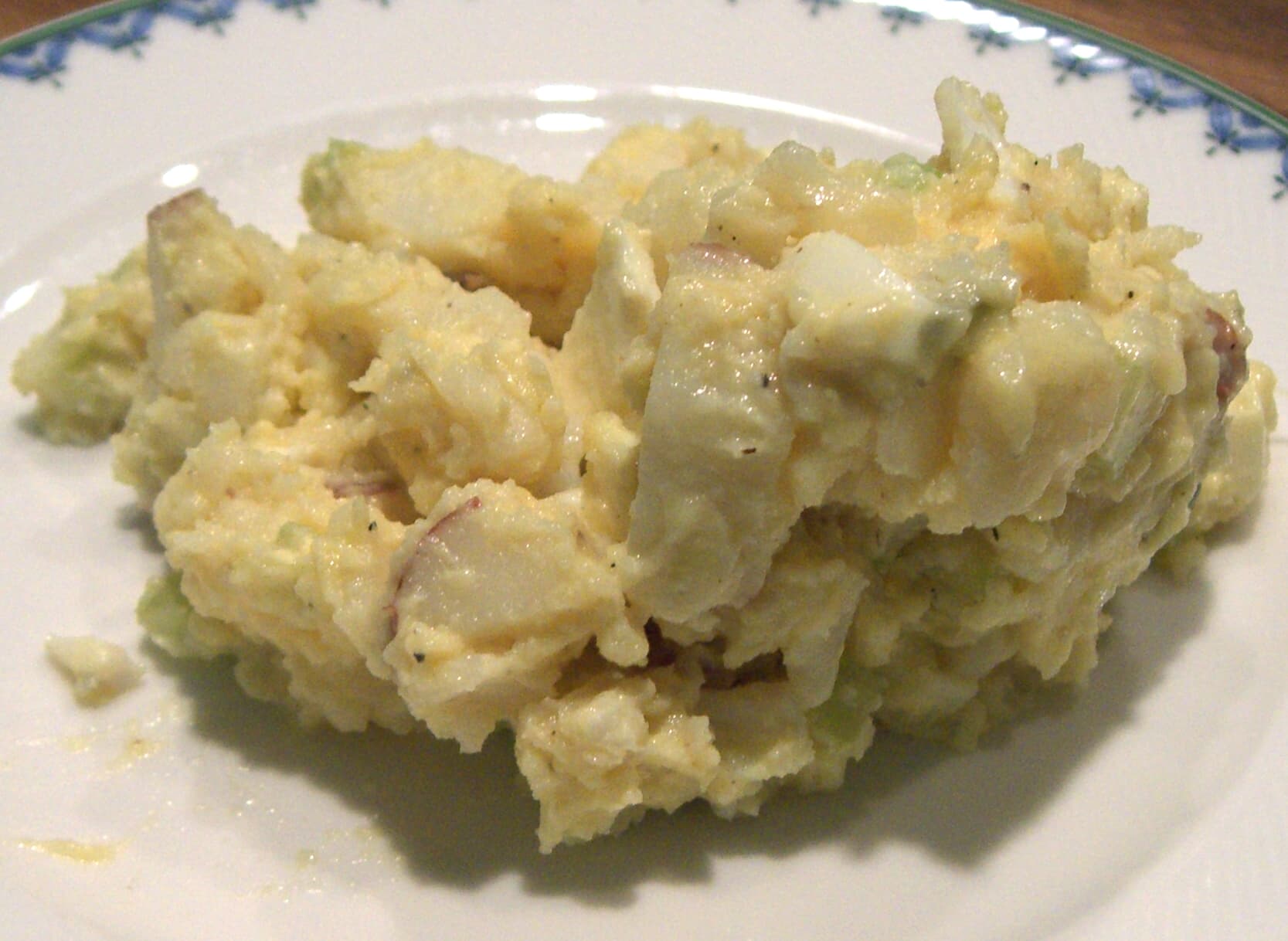
Potato Salad is a widely embraced side dish featuring boiled potatoes dressed in a tangy mayonnaise-based sauce, often including eggs and celery. It is a staple at American social gatherings including picnics, holidays, and community events.
1877-present
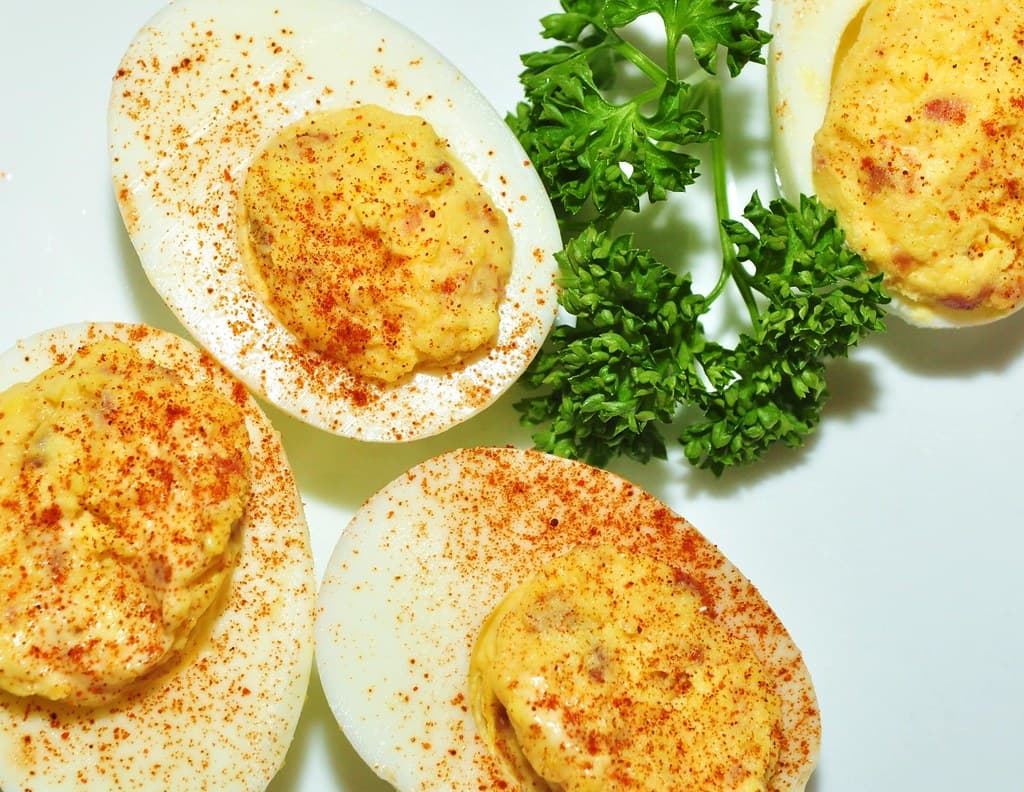
Deviled eggs are hard-boiled eggs halved and filled with a creamy, tangy yolk mixture. Commonly served at schools, churches, and community gatherings since the early 1900s, they are a familiar finger food across state fairs, holiday tables, and diners, especially at Fourth of July and Easter celebrations.

1800s-present
Scalloped Potatoes are thinly sliced potatoes baked in a creamy sauce, often with cheese or onions, making a popular side dish at schools, churches, and state fairs in early 20th century America. Its simple ingredients and hearty texture suited well to communal meals and holiday dinners.