
Recipe archive
Loading
Setting the table...
Fetching the latest recipes from the archive.
Loading
Fetching the latest recipes from the archive.
Recipe archive
America's Melting Pot
Duck Gumbo hero image coming soon
1800-1860 - Louisiana Creole and Cajun hunters and cabin cooks.
Duck gumbo is a hearty Louisiana Creole soup-stew blending wild duck, smoked sausage, okra, and a dark roux base. Rooted in West African and French Creole culinary traditions, it has been a beloved comfort food across southern hunting and fishing camps and cabins for generations.
No featured photo yet. Upload a photo with your review. The highest-rated community photo may become this recipe's hero image.
Difficulty
Hard
Prep time
30 minutes
Cook time
2 hours
Total time
2 hours 30 minutes
Servings
6
Region
Louisiana bayou and prairie kitchens
Era introduced
1800-1860
Introduced by
Louisiana Creole and Cajun hunters and cabin cooks.
Recipe tools
Log in to save this recipe to a collection.
Duck gumbo exemplifies the culinary melting pot of Louisiana, combining recipes and ingredients from West African, French Creole, and Native American cultures. Traditionally prepared in hunting camps and cabins, this gumbo uses game duck and local smoked sausage, thickened with okra and a dark roux. Its rich flavors have sustained communities through generations while celebrating southern culinary heritage.
Share family changes, regional twists, or pantry-friendly adaptations as full community recipes.
Log in to submit a community recipe.
No community recipes yet. Submitted recipes are published right away.
Rate this recipe and share how it worked at your table.
Log in to review this recipe.
No reviews yet. Be the first to rate this recipe.
Recipes matched by era, region, occasion, ingredients, and cultural roots from the archive.
Same era
America's Melting Pot
Acorn Bread photo coming soon
1800-1860
A nutty, lightly sweet quick bread made with properly leached acorn flour, cornmeal, and wheat flour.
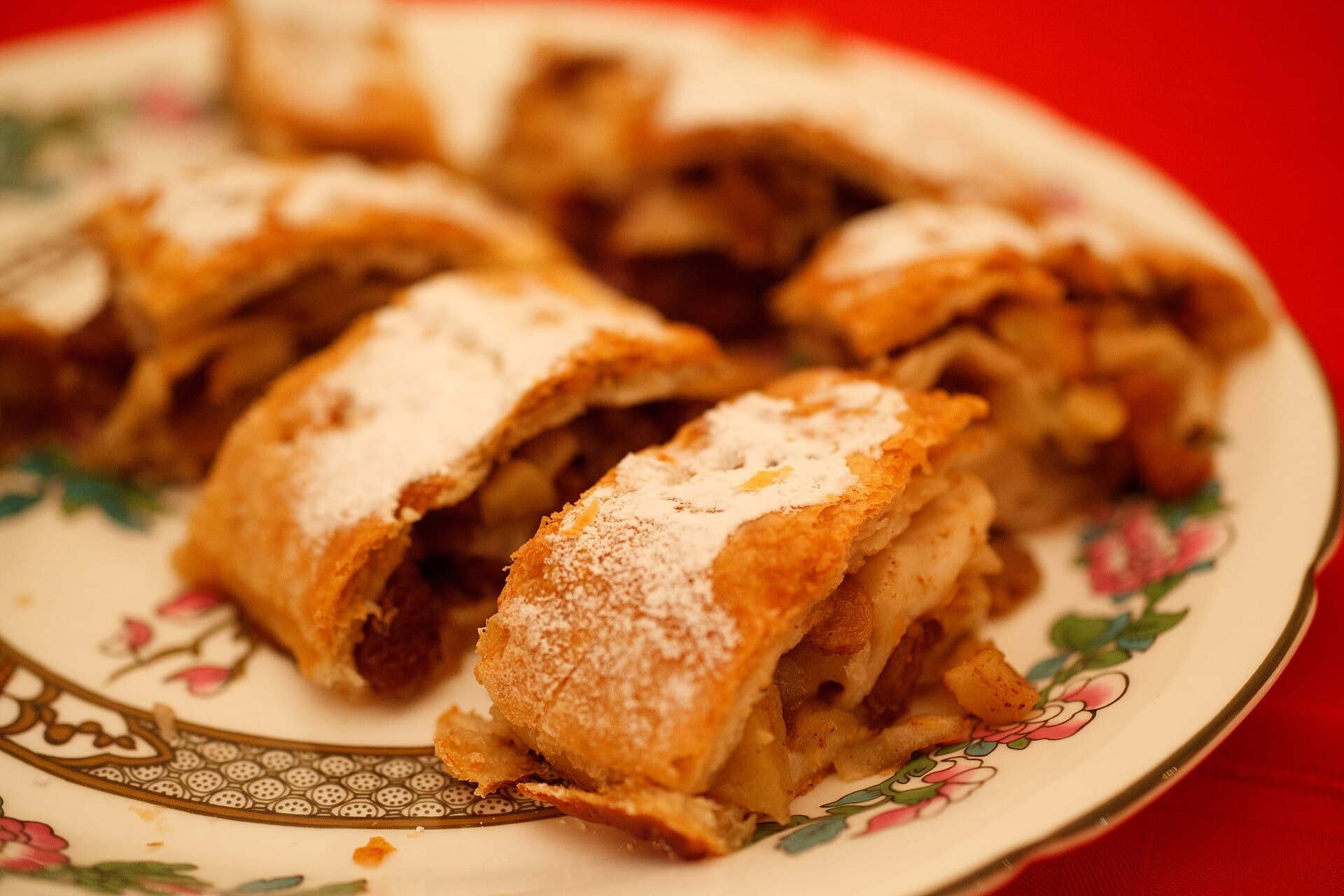
1800-1860
A German-American apple strudel made with crisp apples, raisins, cinnamon, buttered crumbs, and flaky phyllo for a practical home version of a Central European pastry.
America's Melting Pot
Asparagus photo coming soon
1800s/early 1900s-present
A bright American Easter asparagus side, quickly cooked and dressed with lemon butter, herbs, and hard-cooked egg in the spirit of old spring-table recipes.
Same region
America's Melting Pot
Dirty Rice photo coming soon
1800-1860
Dirty rice is a traditional Louisiana Creole and Cajun dish combining white rice with ground meat, spices, and vegetables, creating a 'dirty' appearance. Its origins trace to 19th century Southern United States, reflecting French, African, and Native American influences in Southern cooking.
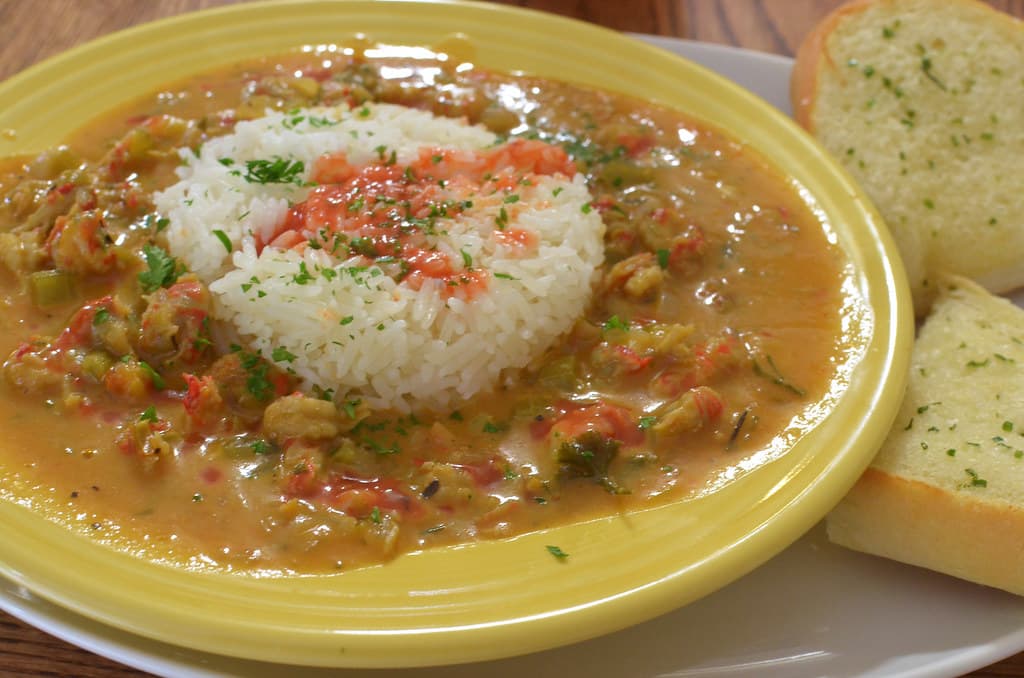
1970-1989
A richly seasoned Louisiana stew featuring crawfish smothered in a flavorful roux and vegetable sauce served over rice. A signature dish of Cajun and Creole cuisine with strong regional pride and festive appeal.

1920s-present
Etouffee is a classic Cajun stew made by smothering shellfish in a rich, flavorful roux-based sauce with vegetables and spices. This versatile one-pot dish has deep roots in Louisiana's culinary traditions and is a staple in Southern U.S. cuisine, enjoyed across eras.
Same table
America's Melting Pot
Campfire Beans photo coming soon
1800-2026
Campfire beans belong to outdoor American cooking: beans simmered near a fire or baked in a Dutch oven for campers, hunters, ranch hands, and backyard cookouts. The modern version often uses canned beans and smoky meat for a quick, filling side.
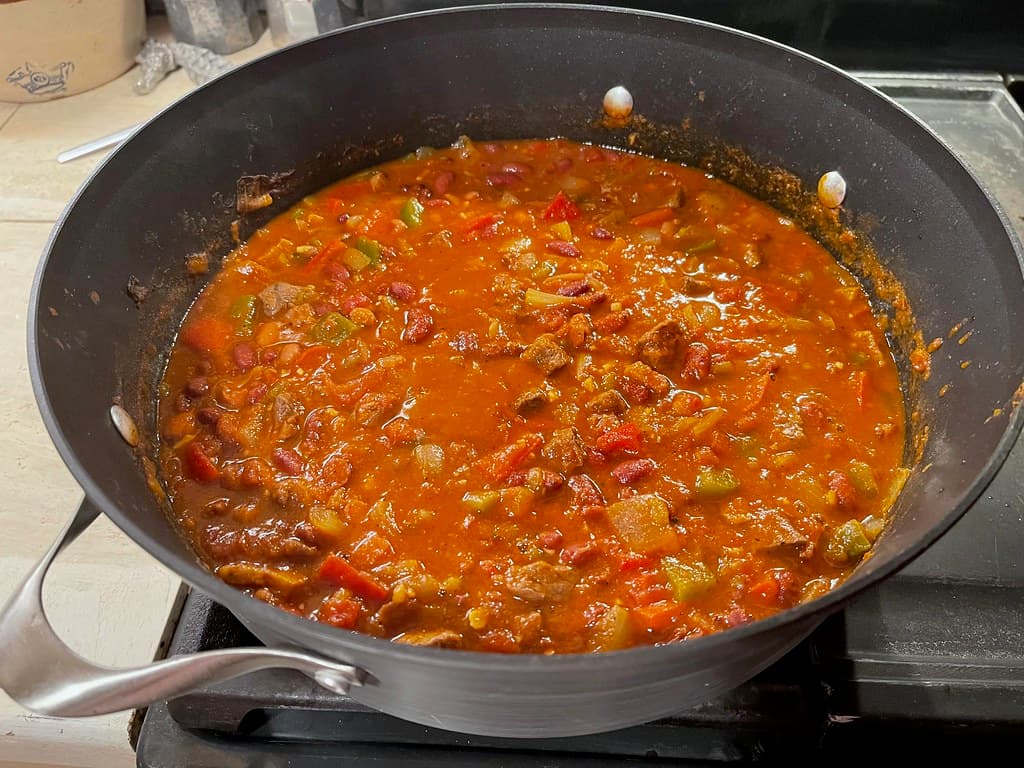
late 1800s-present
A robust chili featuring tender venison, beans, and Southwestern spices. This recipe reflects the melding of Mexican-American influences and Texas-style chili adapted for game meat, common in hunting camps and cabins where venison is plentiful.
1920s-present
Etouffee is a classic Cajun stew made by smothering shellfish in a rich, flavorful roux-based sauce with vegetables and spices. This versatile one-pot dish has deep roots in Louisiana's culinary traditions and is a staple in Southern U.S. cuisine, enjoyed across eras.