
Recipe archive
Loading
Setting the table...
Fetching the latest recipes from the archive.
Loading
Fetching the latest recipes from the archive.
Recipe archive
America's Melting Pot
Asparagus hero image coming soon
1800-1860 - European American gardeners and spring-table cooks
A bright American Easter asparagus side, quickly cooked and dressed with lemon butter, herbs, and hard-cooked egg in the spirit of old spring-table recipes.
No featured photo yet. Upload a photo with your review. The highest-rated community photo may become this recipe's hero image.
Difficulty
Easy
Prep time
10 minutes
Cook time
8 minutes
Total time
18 minutes
Servings
6
Region
New Jersey, Michigan, Illinois, and California asparagus farms
Era introduced
1800-1860
Introduced by
European American gardeners and spring-table cooks
Recipe tools
Log in to save this recipe to a collection.
Asparagus has long been treated as a spring vegetable worth a little ceremony. Early American recipe collections and elite garden tables included boiled or dressed asparagus, and by the modern Easter table it became a natural green side for ham, lamb, potatoes, and eggs. This version keeps the vegetable crisp-tender and dresses it simply with lemon butter, herbs, and chopped egg, a practical nod to older asparagus-and-egg presentations without making the side heavy.
Share family changes, regional twists, or pantry-friendly adaptations as full community recipes.
Log in to submit a community recipe.
No community recipes yet. Submitted recipes are published right away.
Rate this recipe and share how it worked at your table.
Log in to review this recipe.
No reviews yet. Be the first to rate this recipe.
Recipes matched by era, region, occasion, ingredients, and cultural roots from the archive.
Same era
America's Melting Pot
Acorn Bread photo coming soon
1800-1860
A nutty, lightly sweet quick bread made with properly leached acorn flour, cornmeal, and wheat flour.
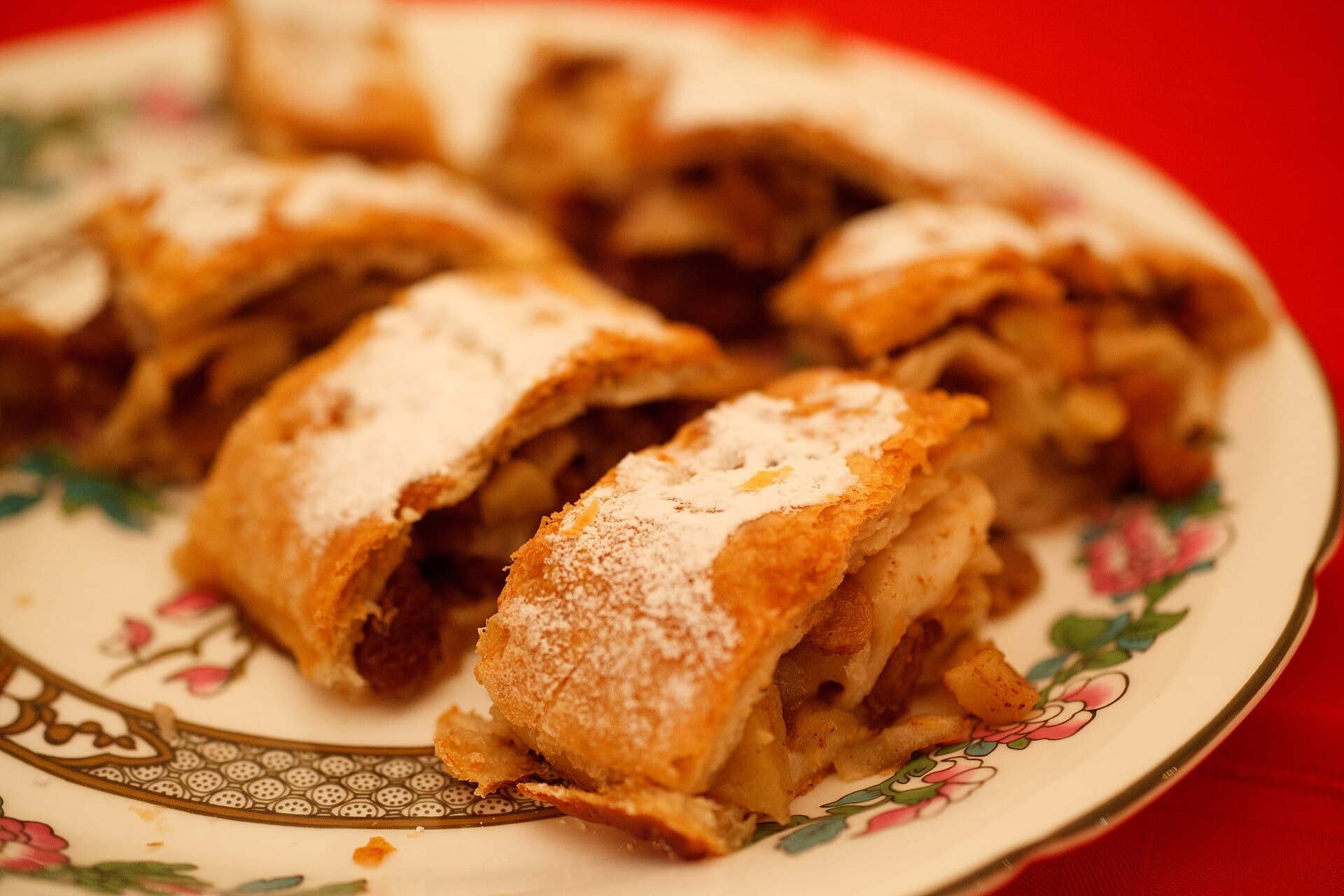
1800-1860
A German-American apple strudel made with crisp apples, raisins, cinnamon, buttered crumbs, and flaky phyllo for a practical home version of a Central European pastry.
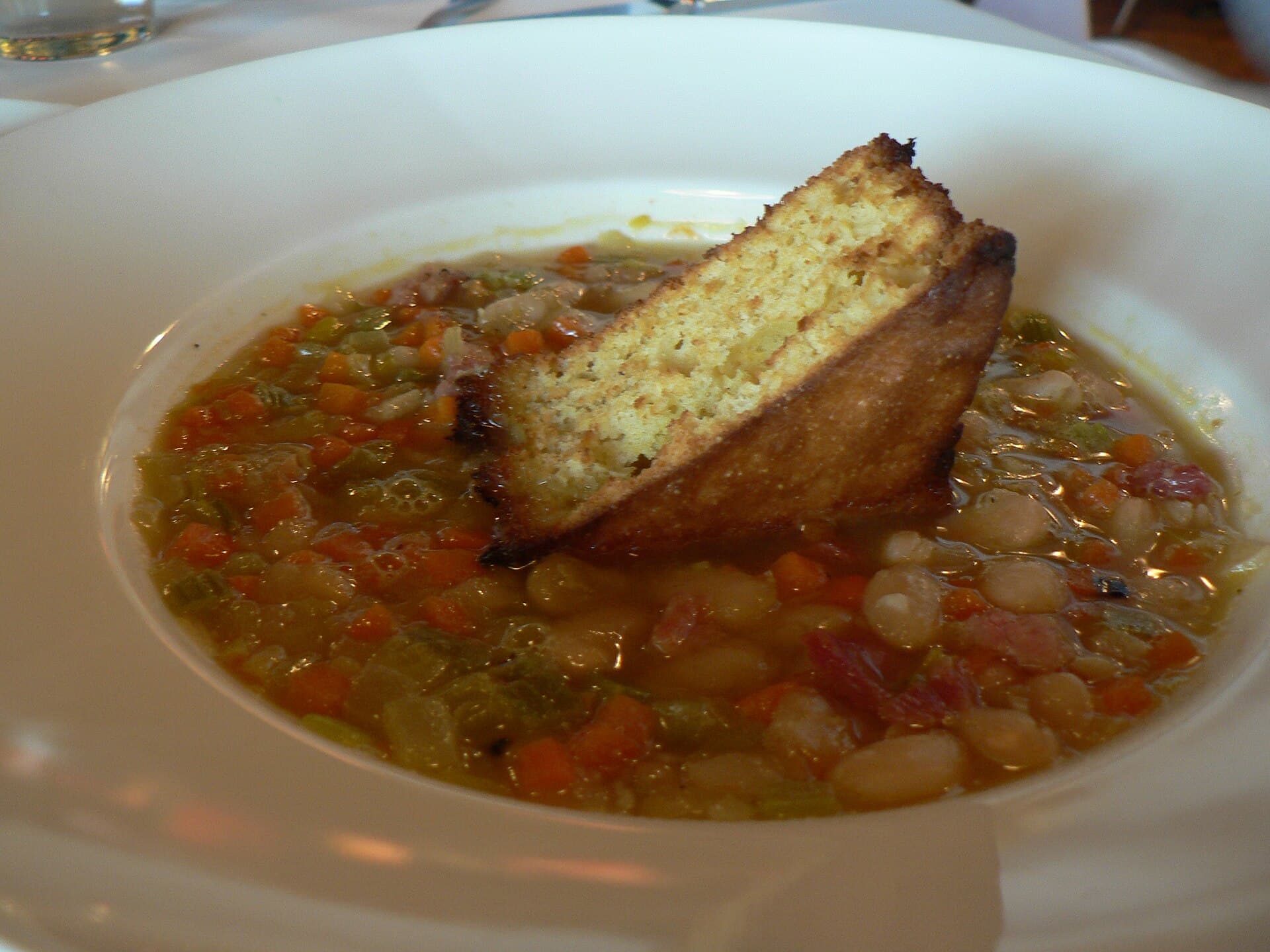
1800s-present
Bean soup is a humble American constant: inexpensive dried beans, water or stock, onion, and a ham bone when one was available. During hard times, that kind of pot could stretch flavor and protein across several meals. The U.S. Senate version made navy bean soup famous, but home kitchens kept it practical.
Same region
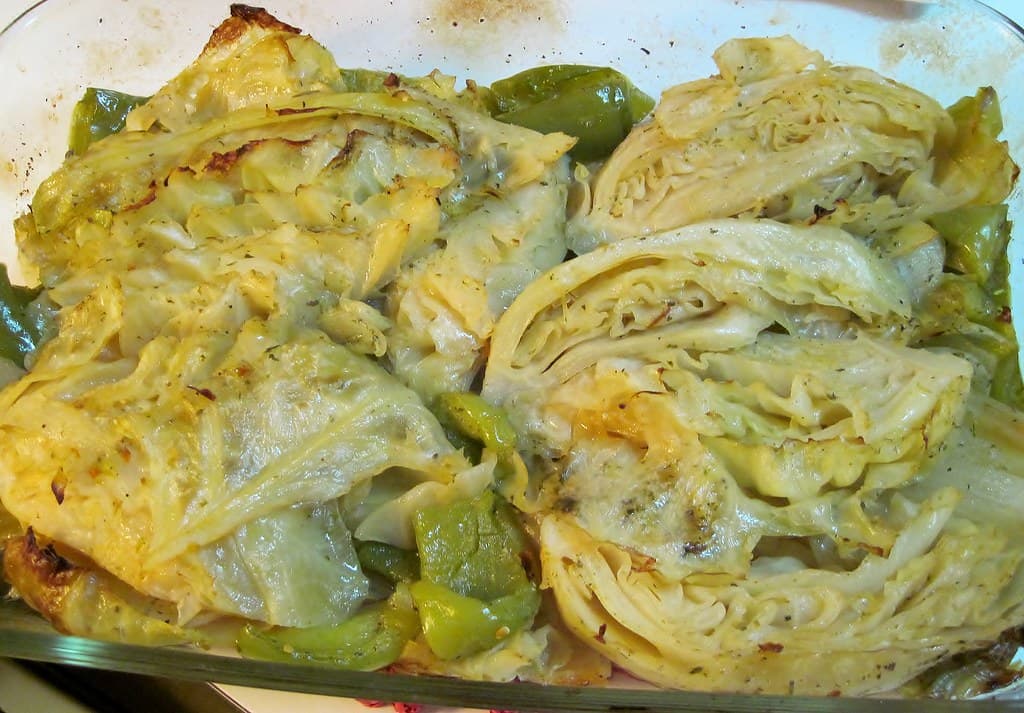
1700-2026
Braised cabbage is an old, practical side dish because cabbage stores well, feeds many, and softens beautifully with slow moist heat. American versions draw from British, German, Irish, and Eastern European cabbage cookery as well as plain farm-table thrift.
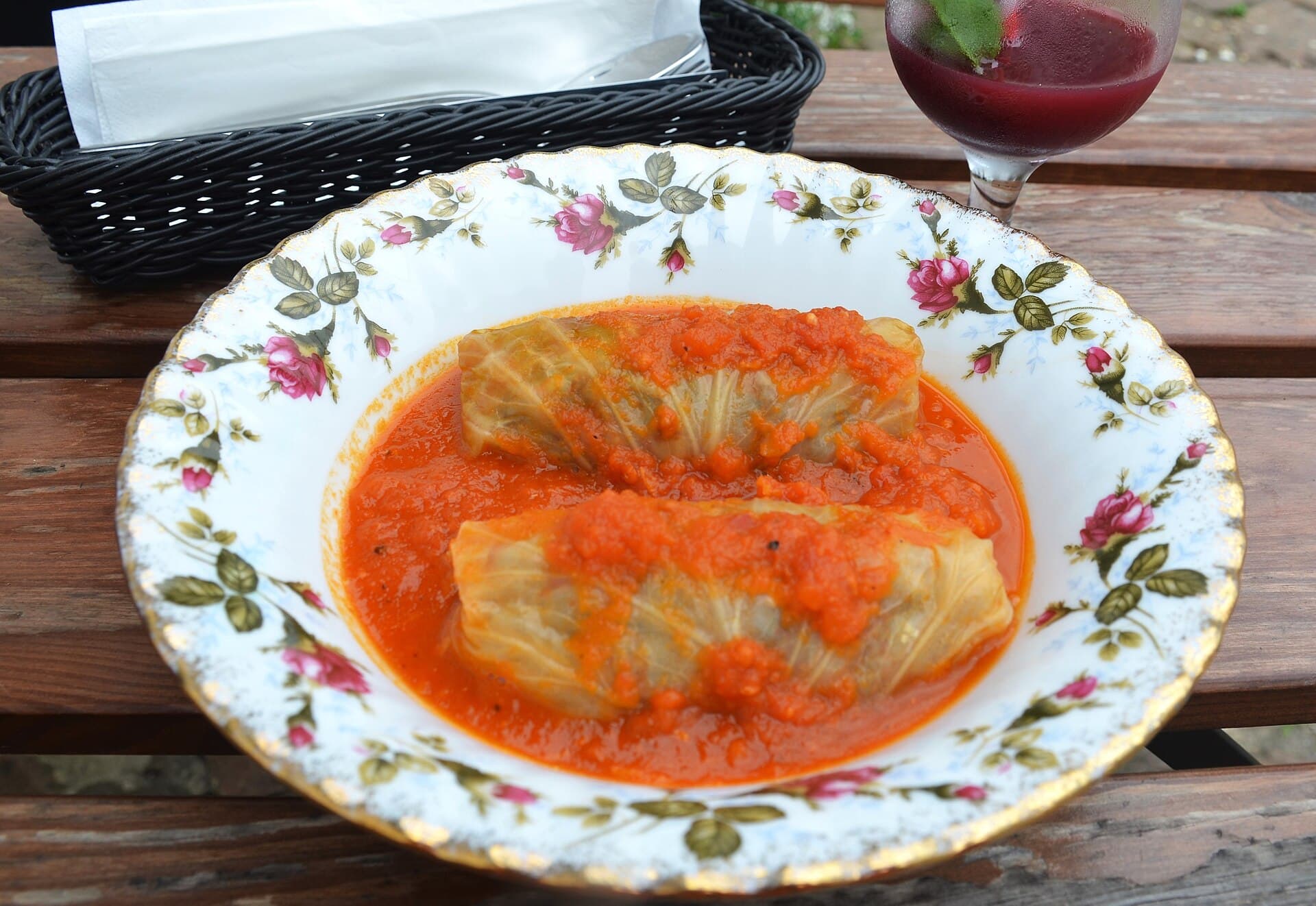
1900-2026
Cabbage rolls came to American tables through many Eastern European and Jewish immigrant communities. Polish golabki, Ukrainian holubtsi, Slovak holubky, Jewish holishkes, and related dishes all wrap humble cabbage around a filling that stretches meat with rice or grain.
America's Melting Pot
Cabbage Soup photo coming soon
1800-2026
Cabbage soup is old-world thrift cooking that fit American boardinghouses, mining camps, immigrant kitchens, and wartime tables. Cabbage stored well, stretched broth, and could become a light vegetable soup or a heartier meal with potatoes, beans, or meat.
Same table
1900s-present
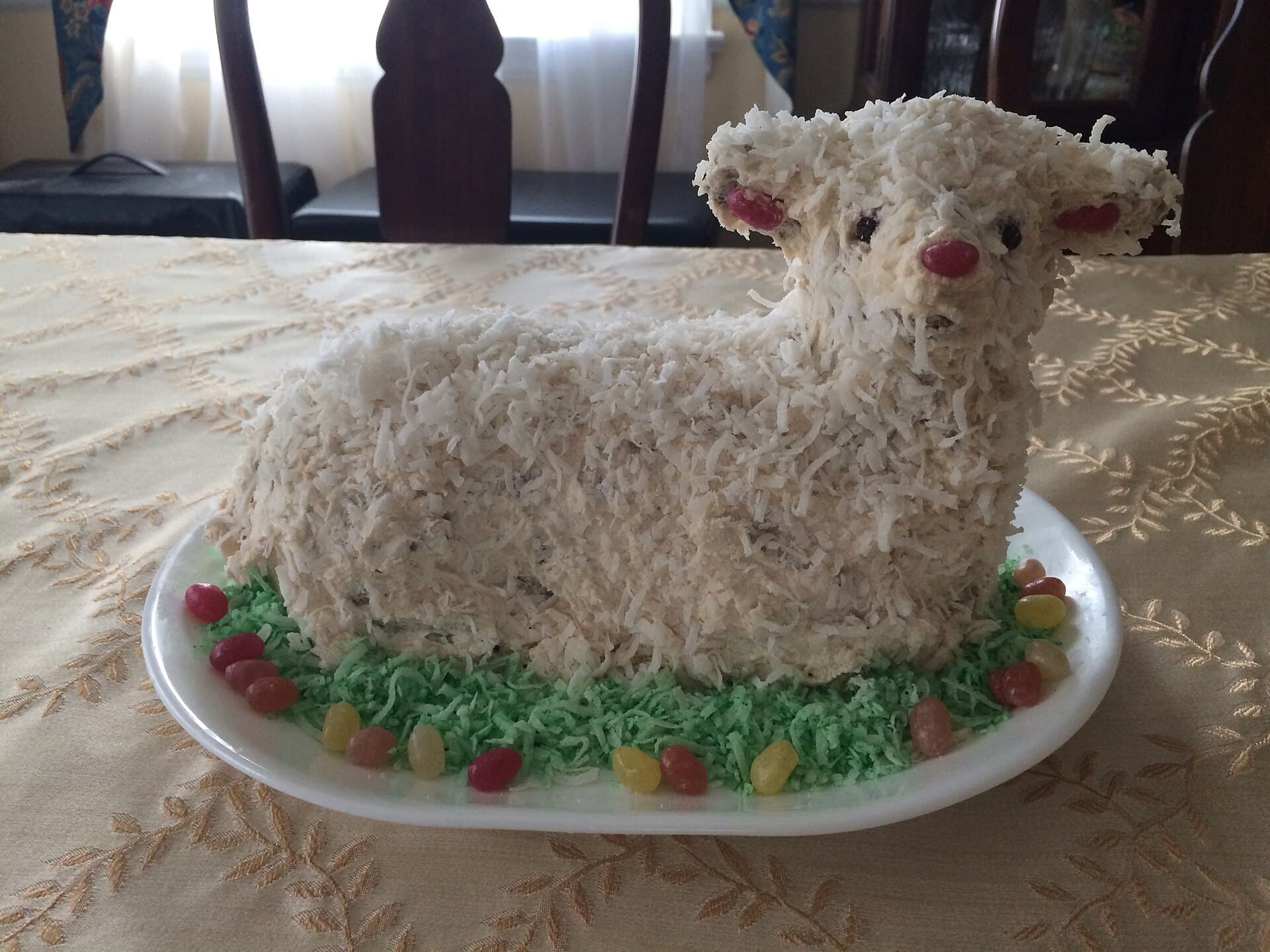
Lamb cake is a dessert shaped into a lamb, traditionally served at Easter celebrations in various American communities. The cake symbolizes purity and resurrection, often made using a molded pan and decorated with frosting to resemble wool. Its cross-era presence illustrates the blending of European Easter customs with American holiday traditions.
1860s-present
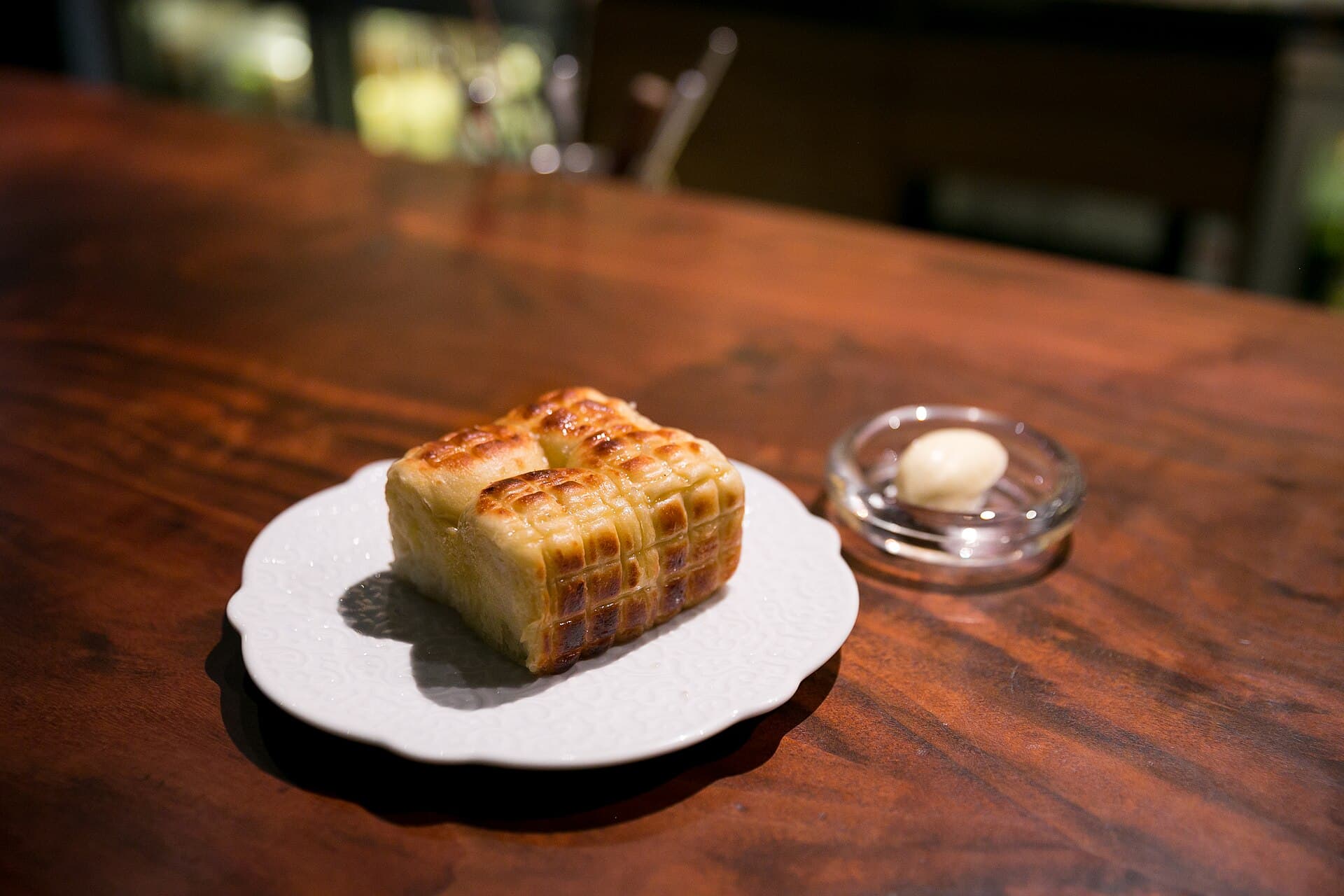
Parker House rolls are iconic American dinner rolls known for their soft interior and slightly crisp, buttery crust. They are often served during holiday dinners such as Thanksgiving and Easter, prized for their rich flavor and tender texture.
1800s-present
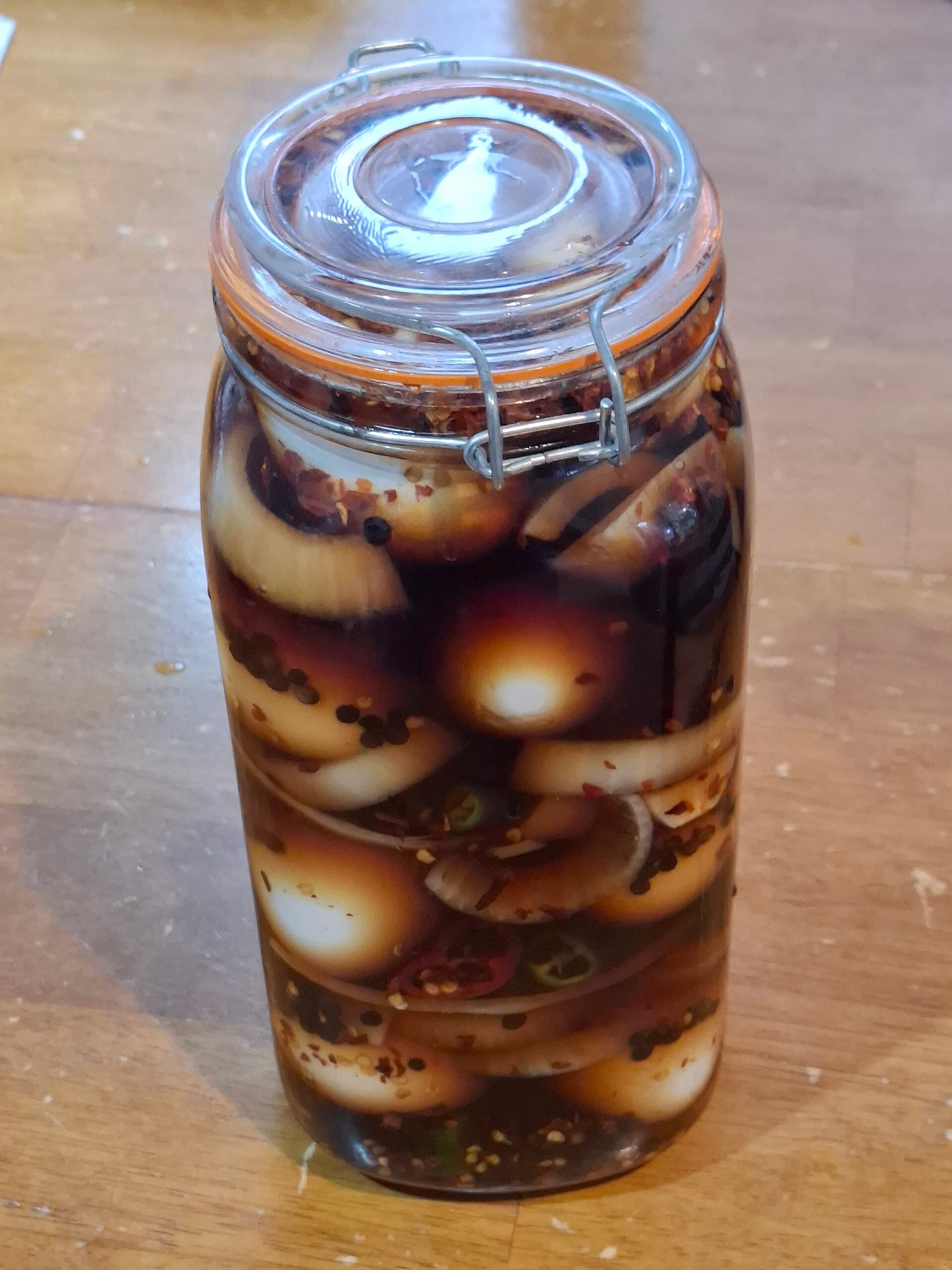
Pickled eggs were a popular preserved egg dish among German-American communities between 1800 and 1860, particularly during celebrations like Easter. They combine hard-boiled eggs with vinegar and spices to extend shelf life and add flavor.