
Recipe archive
Loading
Setting the table...
Fetching the latest recipes from the archive.
Loading
Fetching the latest recipes from the archive.
Recipe archive
America's Melting Pot
Dutch Oven Peach Cobbler hero image coming soon
1861-1900 - Great Plains cattle drovers and chuckwagon cooks.
This classic peach cobbler bakes juicy sweet peaches under a biscuit-like topping inside a cast iron Dutch oven. Originating from cattle camps and chuckwagon cooking on the Great Plains during late 19th century, it is a rustic comfort dessert reflecting resourceful frontier foodways.
No featured photo yet. Upload a photo with your review. The highest-rated community photo may become this recipe's hero image.
Difficulty
Medium
Prep time
15 minutes
Cook time
45 minutes
Total time
60 minutes
Servings
6
Region
Great Plains
Era introduced
1861-1900
Introduced by
Great Plains cattle drovers and chuckwagon cooks.
Recipe tools
Log in to save this recipe to a collection.
Dutch Oven Peach Cobbler grew from the practical cooking methods of cattle drovers and chuckwagon cooks during the Civil War and settlement periods across the Great Plains. Using cast iron dutch ovens over open fires, cooks combined local or preserved peaches with basic baking ingredients to create a warmly spiced and satisfying dessert nourishing cowboys and settlers alike. This dish echoes the ingenuity and resourcefulness of frontier cooks working with limited resources.
Share family changes, regional twists, or pantry-friendly adaptations as full community recipes.
Log in to submit a community recipe.
No community recipes yet. Submitted recipes are published right away.
Rate this recipe and share how it worked at your table.
Log in to review this recipe.
No reviews yet. Be the first to rate this recipe.
Recipes matched by era, region, occasion, ingredients, and cultural roots from the archive.
Same era
America's Melting Pot
Army Bean Soup photo coming soon
1861-1900
A hearty military-style bean soup built on navy beans, smoked ham hock, onion, celery, carrot, and bay leaf, adapted for a home pot from large-batch service traditions.
1861-1900
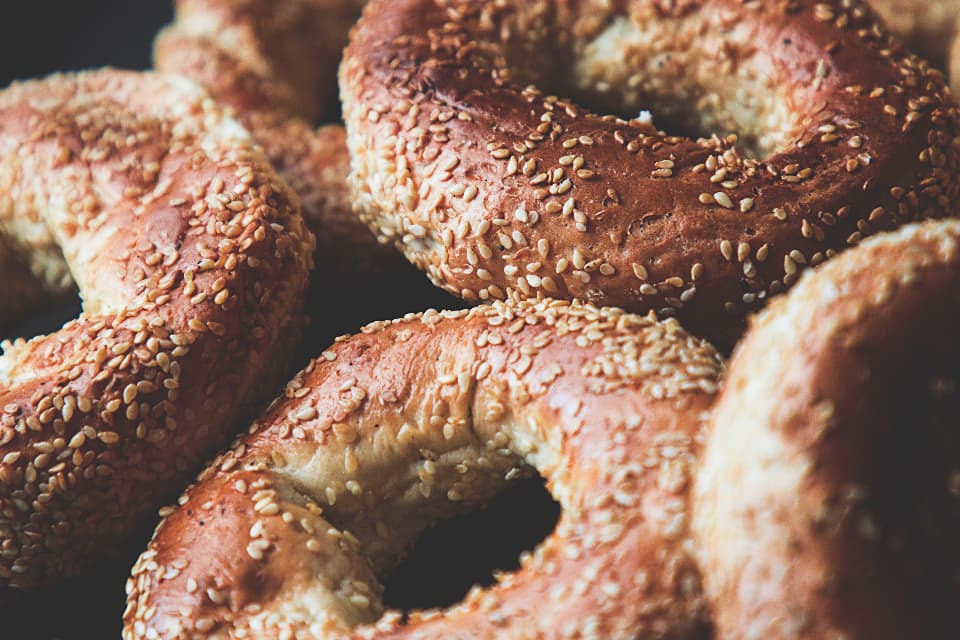
A basic homemade bagel recipe using high-protein flour, malt or brown sugar, a short boil, and a hot bake for chewy New York-style results.
America's Melting Pot
Bagels with Schmear photo coming soon
1861-1900
A deli-style bagel with a thick schmear of plain or scallion cream cheese, with optional onion, capers, tomato, and cucumber.
Same region
America's Melting Pot
Chuckwagon Beans photo coming soon
1861-1900
Chuckwagon Beans were a staple side dish for cattle drivers and settlers in the Great Plains during the late 19th century. Cooked slowly over open fires, these beans offered a nutritious, filling, and portable food suited to the long cattle drives and frontier life, combining simple pantry staples with smoked or cured pork.
America's Melting Pot
Pan de Campo photo coming soon
1861-1900
Pan de campo is a simple flatbread from the Great Plains and Texas cattle-driving culture. Known as 'camp bread,' it was a staple for cowboys and settlers, baked over open fires or on hot stones, embodying frontier practicality and sustenance.
America's Melting Pot
Bierocks photo coming soon
1870-2026
Bierocks traveled with Volga German communities into Kansas, Nebraska, and the Great Plains. They are field food and comfort food at once: portable bread pockets filled with seasoned beef and cabbage, closely related to Nebraska runzas.
Same table
America's Melting Pot
Dutch Oven Cobbler photo coming soon
1800s-present
A classic outdoor dessert, the Dutch Oven Cobbler combines fresh or canned fruit topped with a simple biscuit or cake-like batter, baked in a cast iron Dutch oven over coals or an open fire. A favored treat at camps and cabins, it's valued for ease of preparation and comforting, warm sweetness.
America's Melting Pot
Cottage Cheese Pie photo coming soon
1930s-1945
Cottage cheese pie was a cost-effective and nutritious dessert during the Dust Bowl and Depression years. Utilizing simple, affordable ingredients, it provided a satisfying sweet treat in households facing economic constraints and rationing during the 1930s and 1940s.
America's Melting Pot
Crumbl-Style Cookies photo coming soon
2017-present
Crumbl-Style Cookies are soft-centered, thick cookies popularized by the Crumbl cookie chain, featuring a variety of rotating flavors but united by a chewy, buttery texture. These bakery-inspired cookies capture recent American dessert trends emphasizing shareability and novelty.