
Recipe archive
Loading
Setting the table...
Fetching the latest recipes from the archive.
Loading
Fetching the latest recipes from the archive.
Recipe archive
America's Melting Pot
Pan de Campo hero image coming soon
1861-1900 - Cowboys and settlers of the Great Plains and Texas frontier
Pan de campo is a simple flatbread from the Great Plains and Texas cattle-driving culture. Known as 'camp bread,' it was a staple for cowboys and settlers, baked over open fires or on hot stones, embodying frontier practicality and sustenance.
No featured photo yet. Upload a photo with your review. The highest-rated community photo may become this recipe's hero image.
Difficulty
Medium
Prep time
15 minutes plus rising
Cook time
25 minutes
Total time
1 hour 10 minutes
Servings
8 servings
Region
Great Plains
Era introduced
1861-1900
Introduced by
Cowboys and settlers of the Great Plains and Texas frontier
Recipe tools
Log in to save this recipe to a collection.
Pan de campo was a vital bread for cattle drivers and settlers across the Great Plains during the mid-to-late 19th century. Its simple ingredients and straightforward baking method suited life on the trail and at remote camps. Often cooked on Dutch ovens or stones over open fires, the bread provided essential calories and could accompany hearty meals. The recipe reflects the resourcefulness and culinary adaptations of frontier life in Texas and surrounding regions during westward expansion and post-Civil War settlement.
Share family changes, regional twists, or pantry-friendly adaptations as full community recipes.
Log in to submit a community recipe.
No community recipes yet. Submitted recipes are published right away.
Rate this recipe and share how it worked at your table.
Log in to review this recipe.
No reviews yet. Be the first to rate this recipe.
Recipes matched by era, region, occasion, ingredients, and cultural roots from the archive.
Same era
America's Melting Pot
Army Bean Soup photo coming soon
1861-1900
A hearty military-style bean soup built on navy beans, smoked ham hock, onion, celery, carrot, and bay leaf, adapted for a home pot from large-batch service traditions.
1861-1900
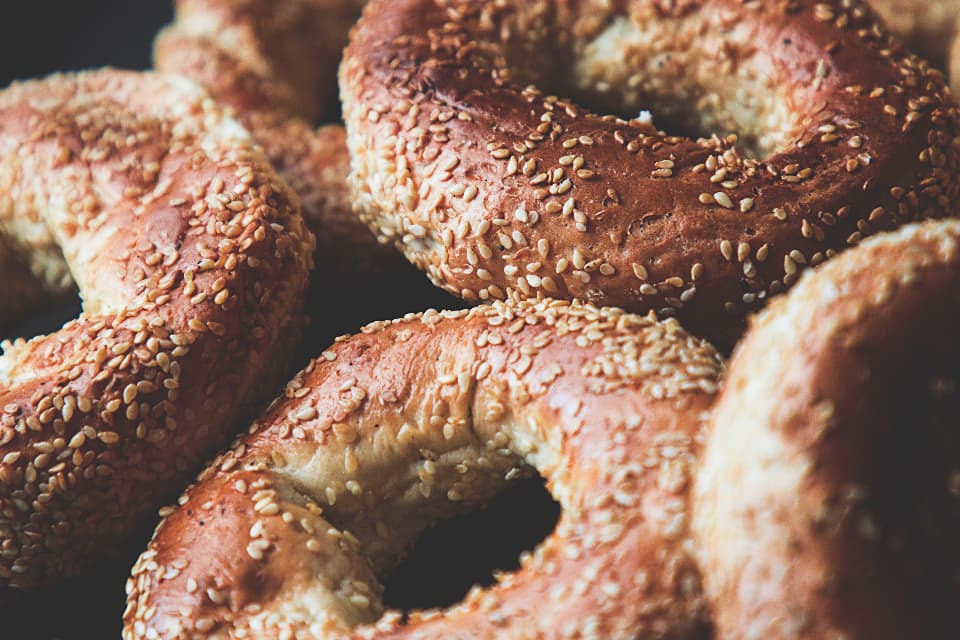
A basic homemade bagel recipe using high-protein flour, malt or brown sugar, a short boil, and a hot bake for chewy New York-style results.
America's Melting Pot
Bagels with Schmear photo coming soon
1861-1900
A deli-style bagel with a thick schmear of plain or scallion cream cheese, with optional onion, capers, tomato, and cucumber.
Same region
America's Melting Pot
Chuckwagon Beans photo coming soon
1861-1900
Chuckwagon Beans were a staple side dish for cattle drivers and settlers in the Great Plains during the late 19th century. Cooked slowly over open fires, these beans offered a nutritious, filling, and portable food suited to the long cattle drives and frontier life, combining simple pantry staples with smoked or cured pork.
America's Melting Pot
Dutch Oven Peach Cobbler photo coming soon
1861-1900
This classic peach cobbler bakes juicy sweet peaches under a biscuit-like topping inside a cast iron Dutch oven. Originating from cattle camps and chuckwagon cooking on the Great Plains during late 19th century, it is a rustic comfort dessert reflecting resourceful frontier foodways.
America's Melting Pot
Bierocks photo coming soon
1870-2026
Bierocks traveled with Volga German communities into Kansas, Nebraska, and the Great Plains. They are field food and comfort food at once: portable bread pockets filled with seasoned beef and cabbage, closely related to Nebraska runzas.
Same table
1800-1860
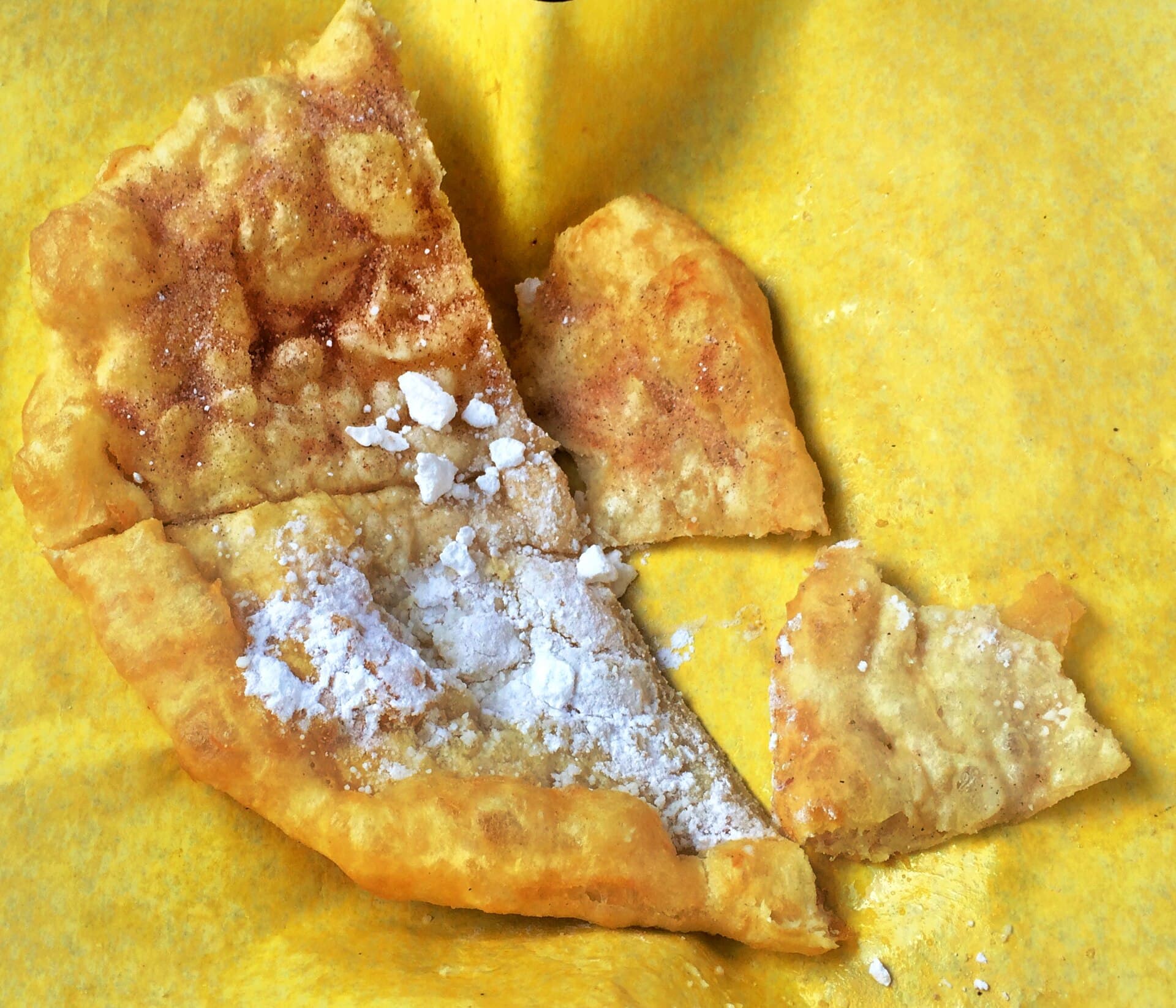
Fry bread is a soft, puffy fried bread with crispy edges, an iconic food in many Indigenous communities across the Great Plains and Alaska. Originating as a resourceful response to government-provided rations during the 19th century, fry bread today serves as both a staple and comfort food, featuring as a base for various toppings or eaten plain.
1861-1900
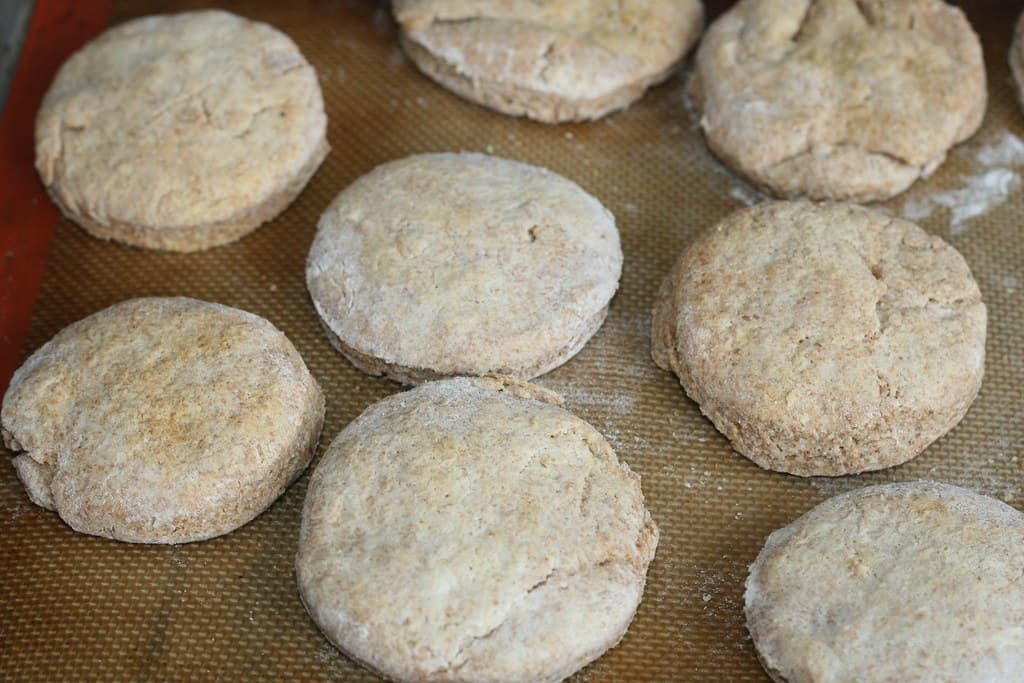
Sourdough Biscuits utilize natural fermentation for leavening, resulting in light and flavorful biscuits that were staples for chuckwagon cooks and settlers on the Great Plains and West Coast during late 19th century expansion.
America's Melting Pot
Runza photo coming soon
1946-1969
Runza is a yeast-leavened bread pocket filled with seasoned ground beef, cabbage, onions, and spices. Of German-Russian origin, it became a regional favorite in the American Midwest and Great Plains, especially Nebraska, during the postwar era as a convenient savory meal.