
Recipe archive
Loading
Setting the table...
Fetching the latest recipes from the archive.
Loading
Fetching the latest recipes from the archive.
Recipe archive
America's Melting Pot
Eggless Cake hero image coming soon
1930-1945 - Wartime American home cooks and community cookbooks.
Eggless Cake was a popular baking solution on the World War II home front when eggs were in short supply. Using common pantry ingredients, these cakes provided a sweet treat while conserving rationed items. The recipes showcase adaptability and resourcefulness of wartime American cooks.
No featured photo yet. Upload a photo with your review. The highest-rated community photo may become this recipe's hero image.
Difficulty
Easy
Prep time
15 minutes
Cook time
30 minutes
Total time
45 minutes
Servings
8
Region
Great Depression and World War II home-front ration kitchens
Era introduced
1930-1945
Introduced by
Wartime American home cooks and community cookbooks.
Recipe tools
Log in to save this recipe to a collection.
During World War II, rationing made eggs scarce in American households. Home cooks adapted traditional cake recipes to use alternatives like vinegar and baking soda to provide leavening instead of eggs. Eggless Cake recipes became a common and practical way to produce comforting desserts in Depression and wartime kitchens, reflecting the resilience and inventiveness of home front cooks managing limited resources.
Share family changes, regional twists, or pantry-friendly adaptations as full community recipes.
Log in to submit a community recipe.
No community recipes yet. Submitted recipes are published right away.
Rate this recipe and share how it worked at your table.
Log in to review this recipe.
No reviews yet. Be the first to rate this recipe.
Recipes matched by era, region, occasion, ingredients, and cultural roots from the archive.
Same era
America's Melting Pot
Army Chili photo coming soon
1930-1945
A practical ground-beef chili with beans, tomatoes, onion, chili powder, cumin, and paprika, adapted from Armed Forces chili con carne formulas for a family pot.
America's Melting Pot
Chicken Noodle Soup photo coming soon
1934-present
Chicken Noodle Soup is a comforting one-pot dish made by simmering chicken, vegetables, broth, and egg noodles into a nourishing soup. A staple across American kitchens for generations, it highlights simplicity, warmth, and adaptability in soups and stews throughout the country's culinary evolution.
America's Melting Pot
Chocolate Cake for a Crowd photo coming soon
1930s-1945
Chocolate Cake for a Crowd is a dessert designed to serve many people economically during the Depression and World War II eras (1930-1945). This cake reflects military and mess hall kitchens' need for practical, filling, and easily produced sweets using limited ingredients. Its simple yet rich chocolate flavor made it a favorite for community events, schools, and military gatherings where feeding large numbers was essential.
Same region
America's Melting Pot
Chocolate Cake for a Crowd photo coming soon
1930s-1945
Chocolate Cake for a Crowd is a dessert designed to serve many people economically during the Depression and World War II eras (1930-1945). This cake reflects military and mess hall kitchens' need for practical, filling, and easily produced sweets using limited ingredients. Its simple yet rich chocolate flavor made it a favorite for community events, schools, and military gatherings where feeding large numbers was essential.
America's Melting Pot
Cottage Cheese Pie photo coming soon
1930s-1945
Cottage cheese pie was a cost-effective and nutritious dessert during the Dust Bowl and Depression years. Utilizing simple, affordable ingredients, it provided a satisfying sweet treat in households facing economic constraints and rationing during the 1930s and 1940s.
America's Melting Pot
Purple Cow photo coming soon
1890s-present
Purple Cow is fizzy Americana from the soda-fountain counter: Grape soda or grape juice with ice cream, depending on region.
Same table
America's Melting Pot
Elephant Ears photo coming soon
1900s-present
Elephant Ears are large, thin, fried dough pastries typically coated with cinnamon sugar or other sweet toppings. A favorite at state fairs and carnivals, they offer a crispy, warm, and indulgent treat enjoyed by American families since the early 20th century.
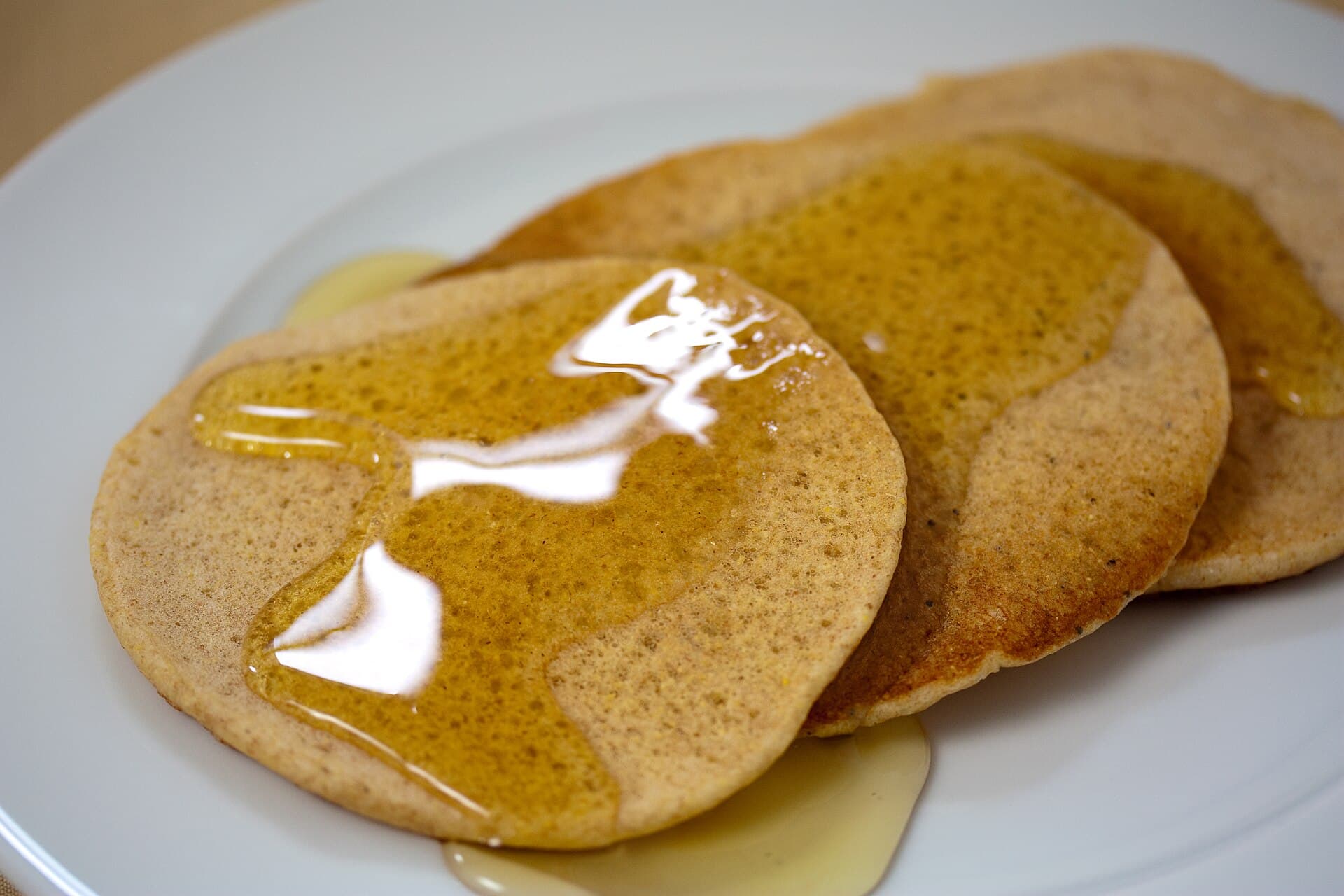
1600s-present
Cornmeal pancakes were a practical and hearty breakfast staple during the Depression and Dust Bowl years, offering an affordable, nourishing start to the day in rural and urban kitchens alike. Using simple pantry staples like cornmeal and flour, these pancakes sustained families through hard economic times and food shortages.
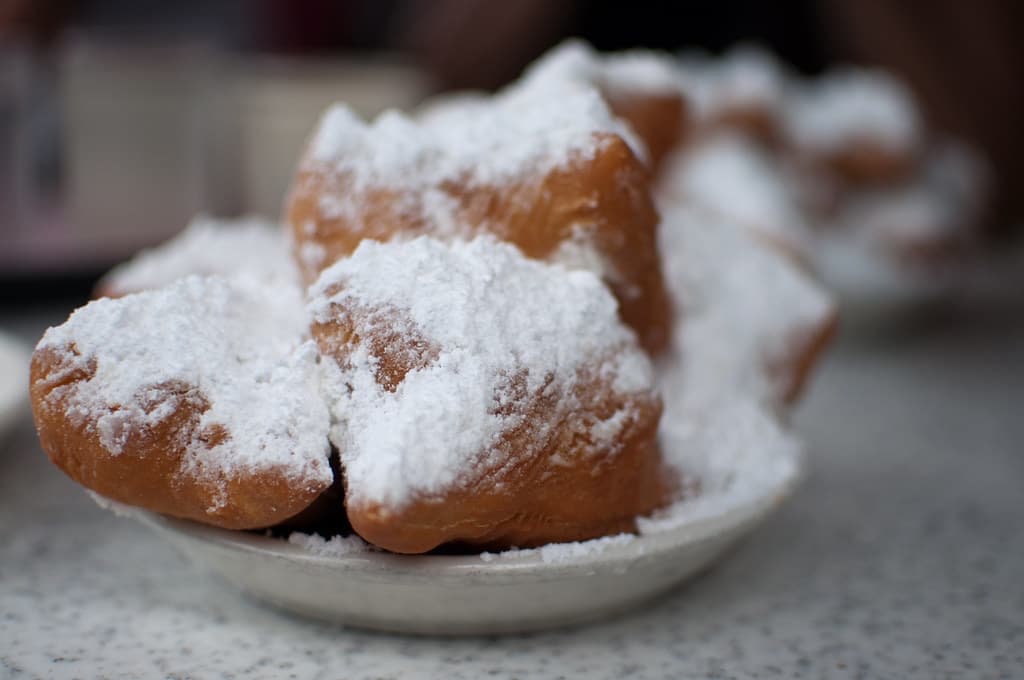
1700-2026
Beignets carry French and Acadian roots into Louisiana, where New Orleans coffee stands made them a breakfast and late-night ritual. The familiar square, sugar-dusted version is now inseparable from cafe au lait and the French Quarter.