
Recipe archive
Loading
Setting the table...
Fetching the latest recipes from the archive.
Loading
Fetching the latest recipes from the archive.
Recipe archive
America's Melting Pot
Elephant Ears hero image coming soon
1900-1929 - State fair vendors and carnival food purveyors.
Elephant Ears are large, thin, fried dough pastries typically coated with cinnamon sugar or other sweet toppings. A favorite at state fairs and carnivals, they offer a crispy, warm, and indulgent treat enjoyed by American families since the early 20th century.
No featured photo yet. Upload a photo with your review. The highest-rated community photo may become this recipe's hero image.
Difficulty
Medium
Prep time
30 minutes
Cook time
15 minutes
Total time
45 minutes
Servings
4
Region
Midwestern state-fair and county-fair stands
Era introduced
1900-1929
Introduced by
State fair vendors and carnival food purveyors.
Recipe tools
Log in to save this recipe to a collection.
Elephant Ears first gained popularity at American carnivals and state fairs as a fun, shareable fried dough pastry. Named for their large, flat shape resembling an elephant's ear, these treats blend yeasted dough fried to crispness and sprinkled with cinnamon sugar or other toppings. They capture the festive, indulgent spirit of fair foods that have been part of American celebratory culture since the early 1900s.
Share family changes, regional twists, or pantry-friendly adaptations as full community recipes.
Log in to submit a community recipe.
No community recipes yet. Submitted recipes are published right away.
Rate this recipe and share how it worked at your table.
Log in to review this recipe.
No reviews yet. Be the first to rate this recipe.
Recipes matched by era, region, occasion, ingredients, and cultural roots from the archive.
Same era
America's Melting Pot
American French Dressing photo coming soon
1900s-present
American French Dressing is a dressing with real American table personality: The bright orange-red, sweet, tomatoey bottled dressing Americans call "French." Not very French, very American. It brings flavor from coast-to-coast American tables to cookouts, counters, lunch plates, potlucks, and weeknight suppers.
America's Melting Pot
Apple Pie Shake photo coming soon
1922-present
Apple Pie Shake brings drive-in, carhop, and fast-food dessert-counter energy to the table: Diner pie a la mode in a cup.
America's Melting Pot
Avgolemono Soup photo coming soon
1900-1929
A silky Greek-American chicken, rice, egg, and lemon soup made by tempering eggs into hot broth for a creamy dairy-free finish.
Same region
America's Melting Pot
Chicken and Noodles photo coming soon
1900-2026
Tender chicken and egg noodles simmered in rich broth until thick, hearty, and ready for a Midwestern supper.
America's Melting Pot
Dumplings photo coming soon
1800s-present
Dumplings are versatile dough balls cooked by steaming or boiling, commonly served with gravies or soups. In late 20th century American suburbs, immigrant and adaptation influences popularized various dumpling recipes at coffee shops and as comfort food during social events.
America's Melting Pot
Egg Noodles photo coming soon
1800s-present
Egg noodles are thin, flat pasta made with flour and eggs, common in various American and immigrant cuisines. During the Depression and Dust Bowl, egg noodles were easy to prepare and adaptable to many meals, from soups to casseroles, featuring prominently in farm and wartime kitchens.
Same table
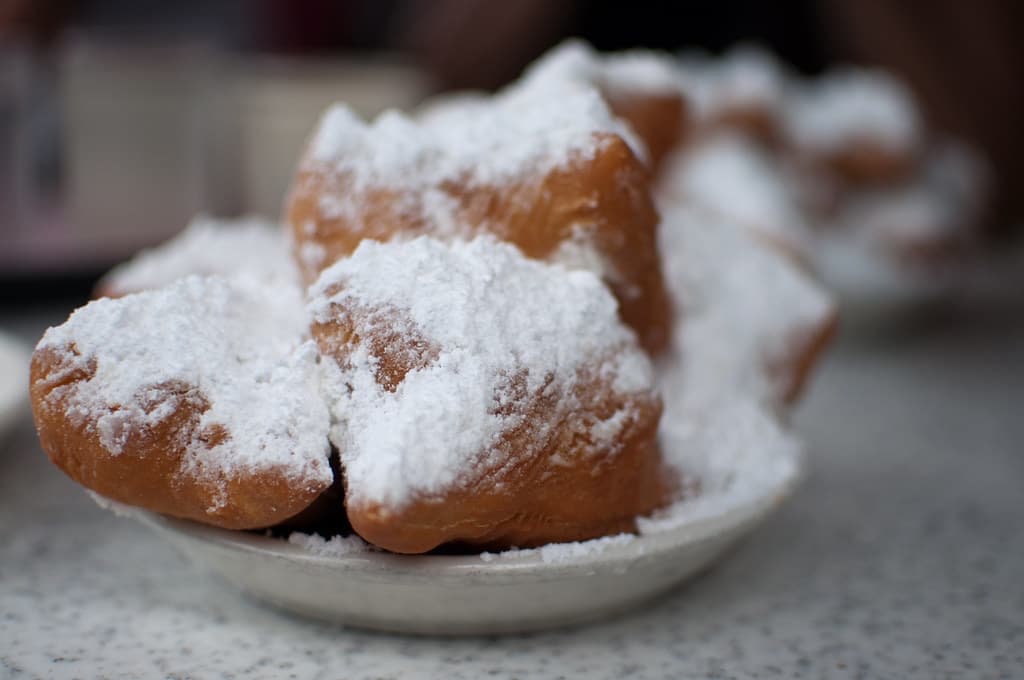
1700-2026
Beignets carry French and Acadian roots into Louisiana, where New Orleans coffee stands made them a breakfast and late-night ritual. The familiar square, sugar-dusted version is now inseparable from cafe au lait and the French Quarter.
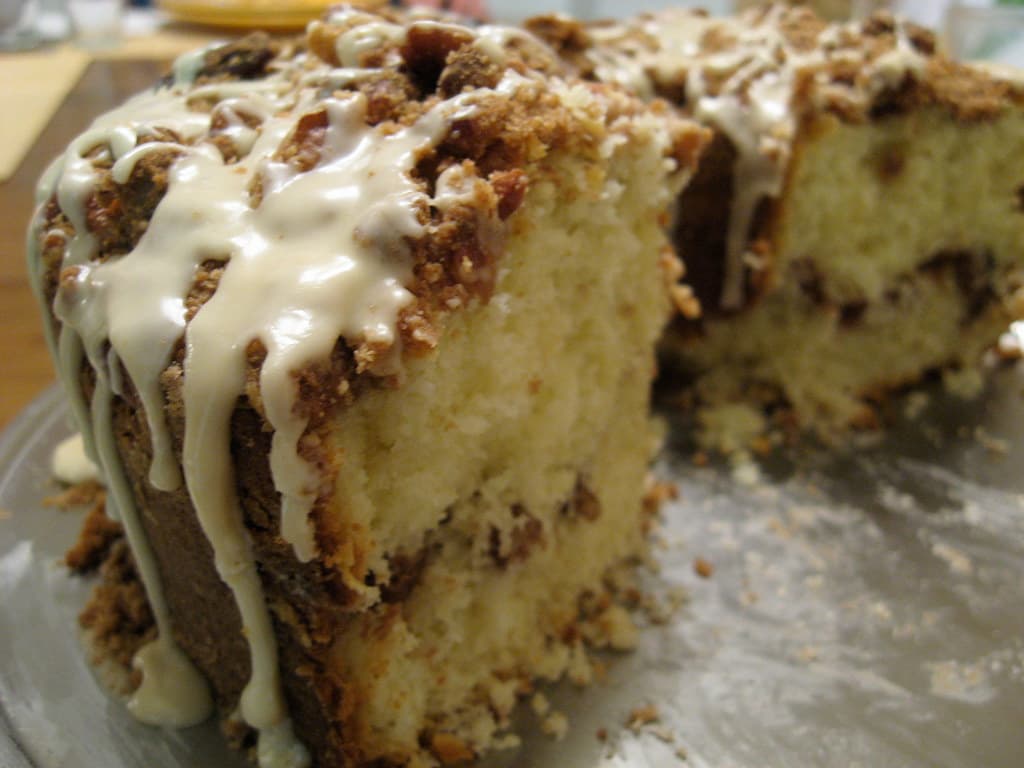
1800s-present
Coffee cake is a moist, sweet cake often topped with cinnamon sugar streusel, enjoyed in schools, churches, and diners during the early 1900s. This American breakfast favorite embodies community gathering traditions and immigrant influences melding into everyday comfort food.
America's Melting Pot
Cottage Cheese Pie photo coming soon
1930s-1945
Cottage cheese pie was a cost-effective and nutritious dessert during the Dust Bowl and Depression years. Utilizing simple, affordable ingredients, it provided a satisfying sweet treat in households facing economic constraints and rationing during the 1930s and 1940s.