
Recipe archive
Loading
Setting the table...
Fetching the latest recipes from the archive.
Loading
Fetching the latest recipes from the archive.
Recipe archive
America's Melting Pot
Feta Omelet hero image coming soon
1900-1929 - Greek-American immigrant communities and American diners in the early 1900s.
Feta Omelet is a savory breakfast or brunch dish featuring eggs cooked with salty feta cheese and often fresh herbs. Rooted in Greek-American culinary influence, it was popular in American diners, lunch counters, and state fairs in the early 20th century.
No featured photo yet. Upload a photo with your review. The highest-rated community photo may become this recipe's hero image.
Difficulty
Easy
Prep time
5 minutes
Cook time
10 minutes
Total time
15 minutes
Servings
1
Region
New York, Chicago, and Detroit Greek American diner kitchens
Era introduced
1900-1929
Introduced by
Greek-American immigrant communities and American diners in the early 1900s.
Recipe tools
Log in to save this recipe to a collection.
Greek-American immigrants brought culinary traditions including use of feta cheese to American breakfast tables by the early 1900s. Their influence is seen in diner and lunch counter favorites such as the feta cheese omelet, which blends eggs and salty cheese with herbs. This dish became a popular choice at state fairs and local eateries, reflecting immigrant contributions to American breakfast culture and urban dining scenes during the early 20th century.
Share family changes, regional twists, or pantry-friendly adaptations as full community recipes.
Log in to submit a community recipe.
No community recipes yet. Submitted recipes are published right away.
Rate this recipe and share how it worked at your table.
Log in to review this recipe.
No reviews yet. Be the first to rate this recipe.
Recipes matched by era, region, occasion, ingredients, and cultural roots from the archive.
Same era
America's Melting Pot
American French Dressing photo coming soon
1900s-present
American French Dressing is a dressing with real American table personality: The bright orange-red, sweet, tomatoey bottled dressing Americans call "French." Not very French, very American. It brings flavor from coast-to-coast American tables to cookouts, counters, lunch plates, potlucks, and weeknight suppers.
America's Melting Pot
Apple Pie Shake photo coming soon
1922-present
Apple Pie Shake brings drive-in, carhop, and fast-food dessert-counter energy to the table: Diner pie a la mode in a cup.
America's Melting Pot
Avgolemono Soup photo coming soon
1900-1929
A silky Greek-American chicken, rice, egg, and lemon soup made by tempering eggs into hot broth for a creamy dairy-free finish.
Same region
America's Melting Pot
Greek Diner Rice Pudding photo coming soon
1900s-present
Greek diner rice pudding is a creamy dessert made from rice cooked with milk, sugar, and often flavored with cinnamon or lemon. Introduced by Greek immigrant communities in the early 20th century, this pudding became a classic offering in diners across the United States, prized for its comforting texture and simple ingredients.
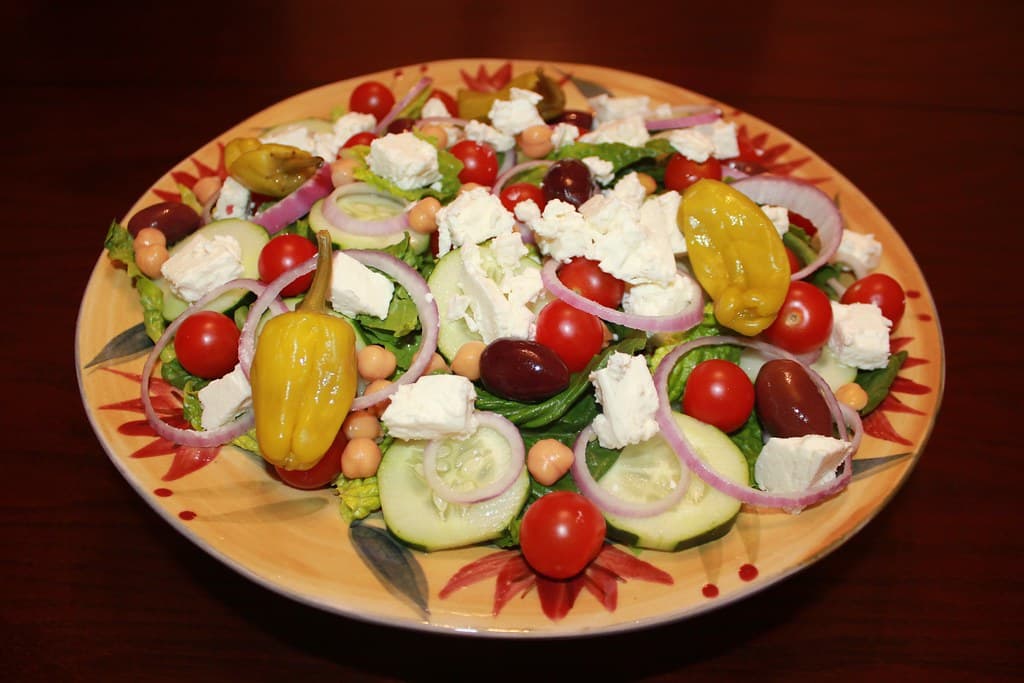
1900s-present
Greek Salad became a popular side dish in American diners and lunch counters during the early 20th century. Reflecting Greek immigrant influence, it features fresh vegetables and traditional ingredients adapted for American tastes. Often served chilled, it is customary in Greek-American communities and state fairs.
America's Melting Pot
Greek-Style Burgers photo coming soon
1900s-present
Greek-Style Burgers are an adaptation of the American hamburger with flavors inspired by Greek cuisine, featuring herbs, spices, and toppings like feta or tzatziki sauce. Emerging in immigrant cities during the early 20th century, this sandwich represents cultural fusion at diners and lunch counters.
Same table
America's Melting Pot
Breakfast Skillet photo coming soon
1970-2026
Breakfast skillets are classic American diner and family-restaurant food: potatoes on the bottom, eggs on top, and enough meat, cheese, and vegetables to make breakfast feel like a full meal. They also translate easily to home cooking because one pan does most of the work.
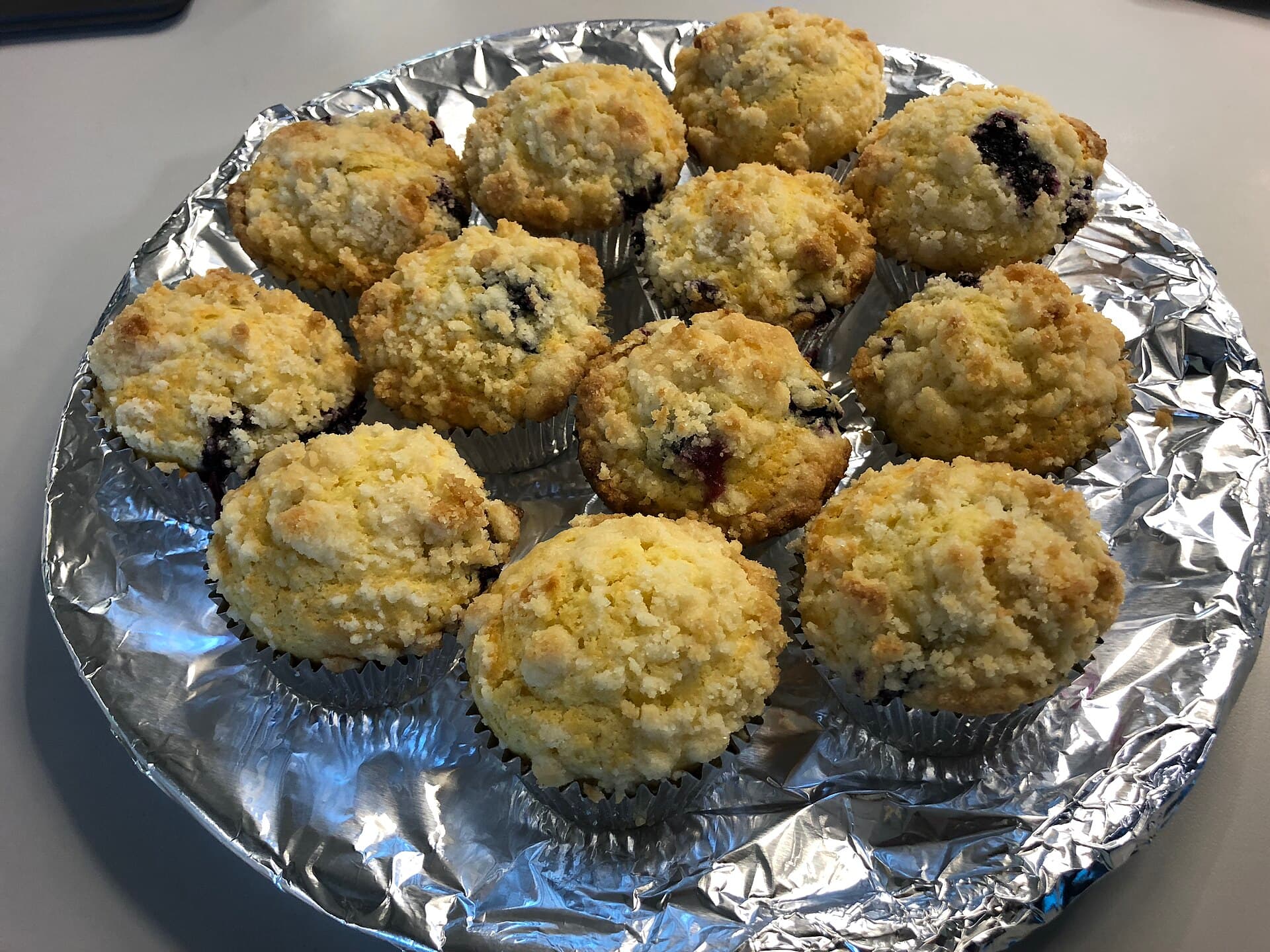
1900-2026
Blueberry muffins are everyday American breakfast baking, but Boston gave them a particular legend through Jordan Marsh department store. The oversized, sugar-topped muffin became a coffee-shop and bakery standard long after the department store disappeared.
America's Melting Pot
Breakfast Burrito photo coming soon
1970-2026
The breakfast burrito belongs to the modern Southwest, with Santa Fe and New Mexican restaurants especially important to the name and style. It can be handheld with chile tucked inside or smothered with red or green chile on the plate.