
Recipe archive
Loading
Setting the table...
Fetching the latest recipes from the archive.
Loading
Fetching the latest recipes from the archive.
Recipe archive
America's Melting Pot
Ham hero image coming soon
1776-1800 - American home cooks and holiday family traditions.
Ham is a traditional centerpiece in American holiday meals, especially during New Year's celebrations where it symbolizes good fortune and prosperity. Its preservation and curing methods vary regionally, reflecting diverse cultural influences across the United States. This recipe explores practical home preparation of ham suitable for festive occasions.
No featured photo yet. Upload a photo with your review. The highest-rated community photo may become this recipe's hero image.
Difficulty
Medium
Prep time
15 minutes
Cook time
2 hours
Total time
2 hours 15 minutes
Servings
6-8
Region
Virginia and Upper South country-ham smokehouses
Era introduced
1776-1800
Introduced by
American home cooks and holiday family traditions.
Recipe tools
Log in to save this recipe to a collection.
Ham has long held a place in American holiday tables, especially around New Year's Day, where its salty richness symbolizes progress and good fortune. The preservation of ham through curing dates back centuries, brought by European settlers and adapted regionally. Its prominence in American cuisine spans households to large community gatherings, reflecting both convenience and celebratory appeal. Regional variations in glaze and preparation highlight the melting pot of culinary traditions that shaped this festive dish.
Share family changes, regional twists, or pantry-friendly adaptations as full community recipes.
Log in to submit a community recipe.
No community recipes yet. Submitted recipes are published right away.
Rate this recipe and share how it worked at your table.
Log in to review this recipe.
No reviews yet. Be the first to rate this recipe.
Recipes matched by era, region, occasion, ingredients, and cultural roots from the archive.
Same era
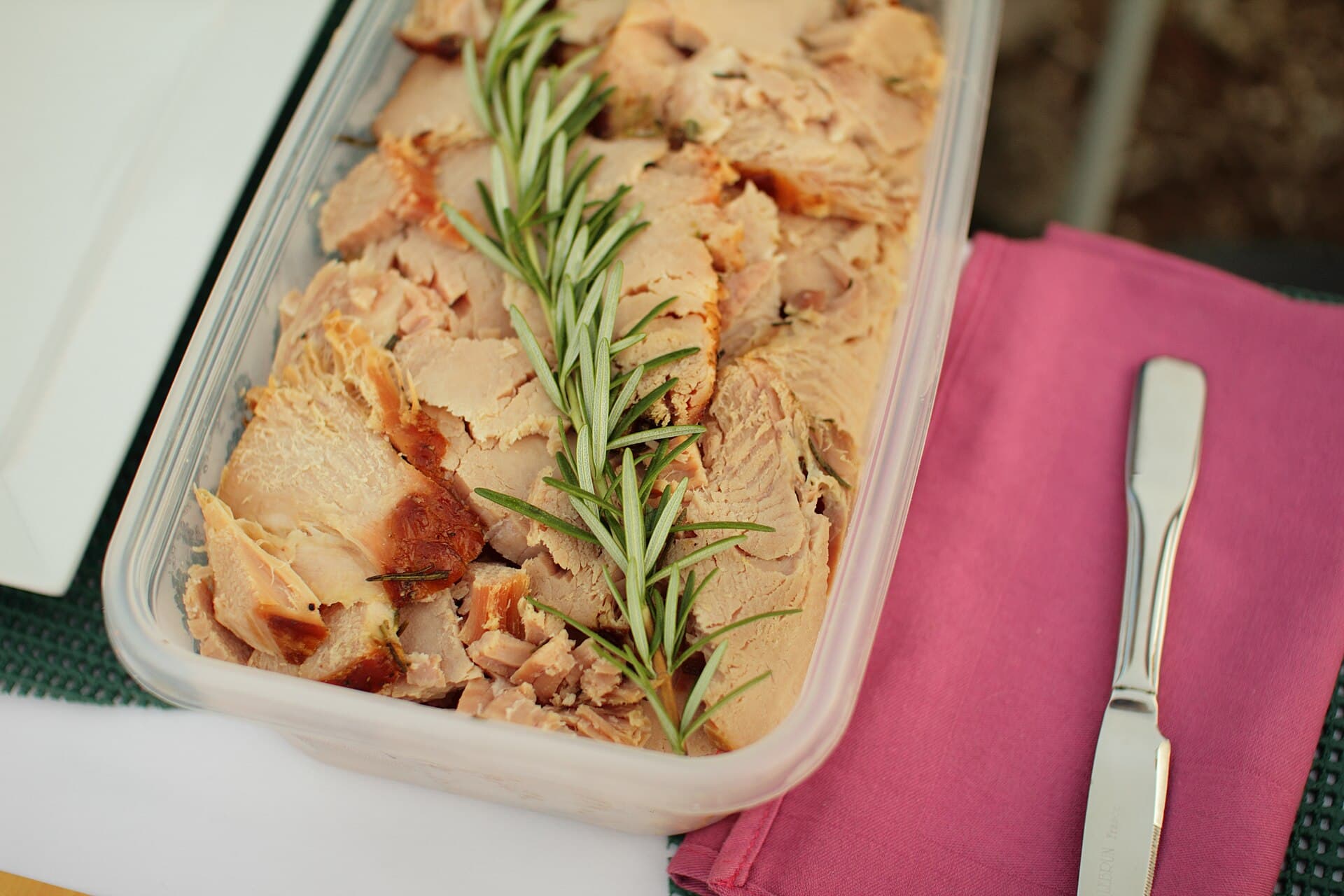
1600s-present
Smoked ham has been a staple in American meat preservation since the Revolutionary period, combining curing and smoking to enhance flavor and shelf life. This recipe reflects traditional barbecue and smokehouse methods from late 18th century America, a time when preserving meats was vital for sustenance and celebration.
America's Melting Pot
Deviled Egg Filling photo coming soon
1700s-present
Deviled Egg Filling is a spread with real American table personality: Not exactly a sauce, but a condiment-like American picnic food. It brings flavor from coast-to-coast American tables to cookouts, counters, lunch plates, potlucks, and weeknight suppers.

1700s-1800s
Doughnuts are a beloved American breakfast and snack originating from various immigrant influences, consisting of fried dough rings or balls coated in sugar or glaze. The recipe has evolved over centuries and become a cross-era staple with numerous regional variations.
Same region
1600s-present
Smoked ham has been a staple in American meat preservation since the Revolutionary period, combining curing and smoking to enhance flavor and shelf life. This recipe reflects traditional barbecue and smokehouse methods from late 18th century America, a time when preserving meats was vital for sustenance and celebration.
America's Melting Pot
Ambrosia Salad photo coming soon
1950s-present
A midcentury-style fruit salad with pineapple, mandarin oranges, coconut, marshmallows, and a creamy dressing.
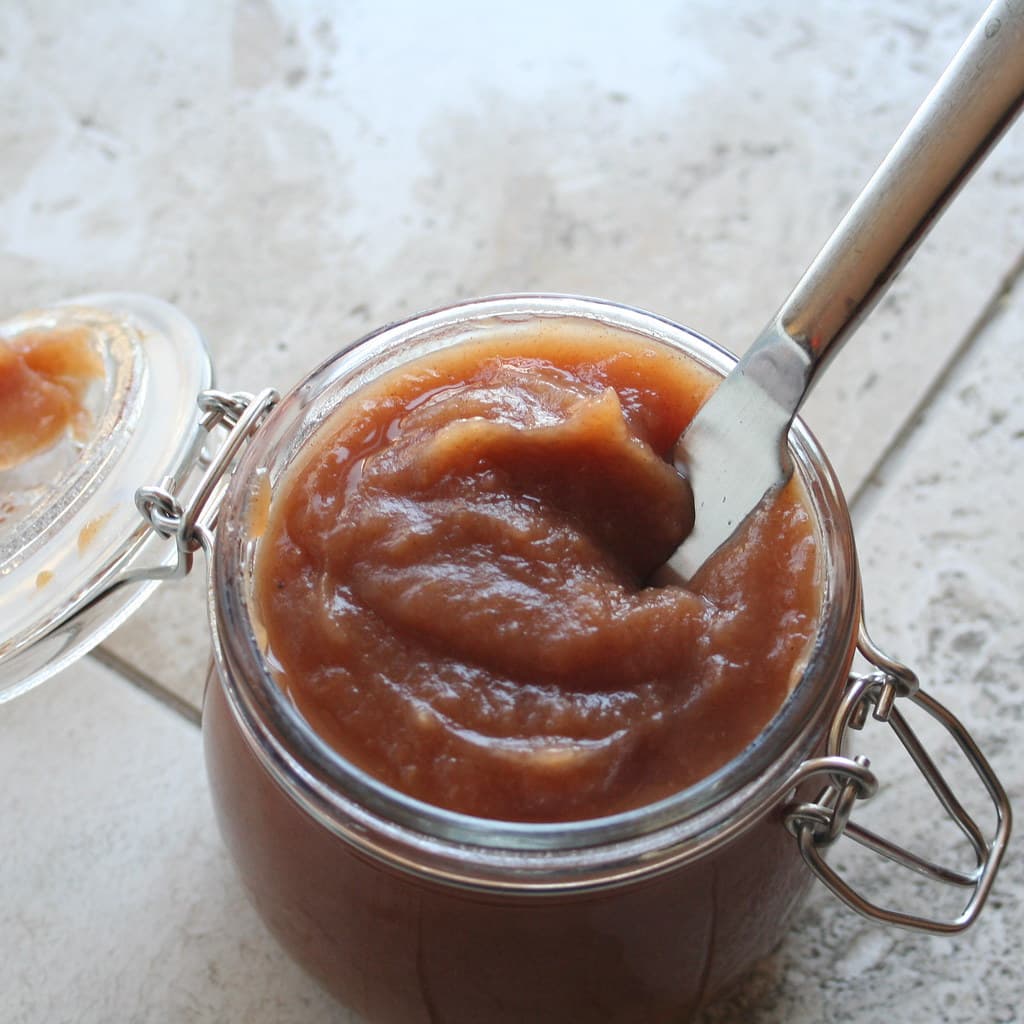
1700s-present
Apples cooked down with cider, sugar, and warm spices into a dark, spreadable fruit butter.
Same table
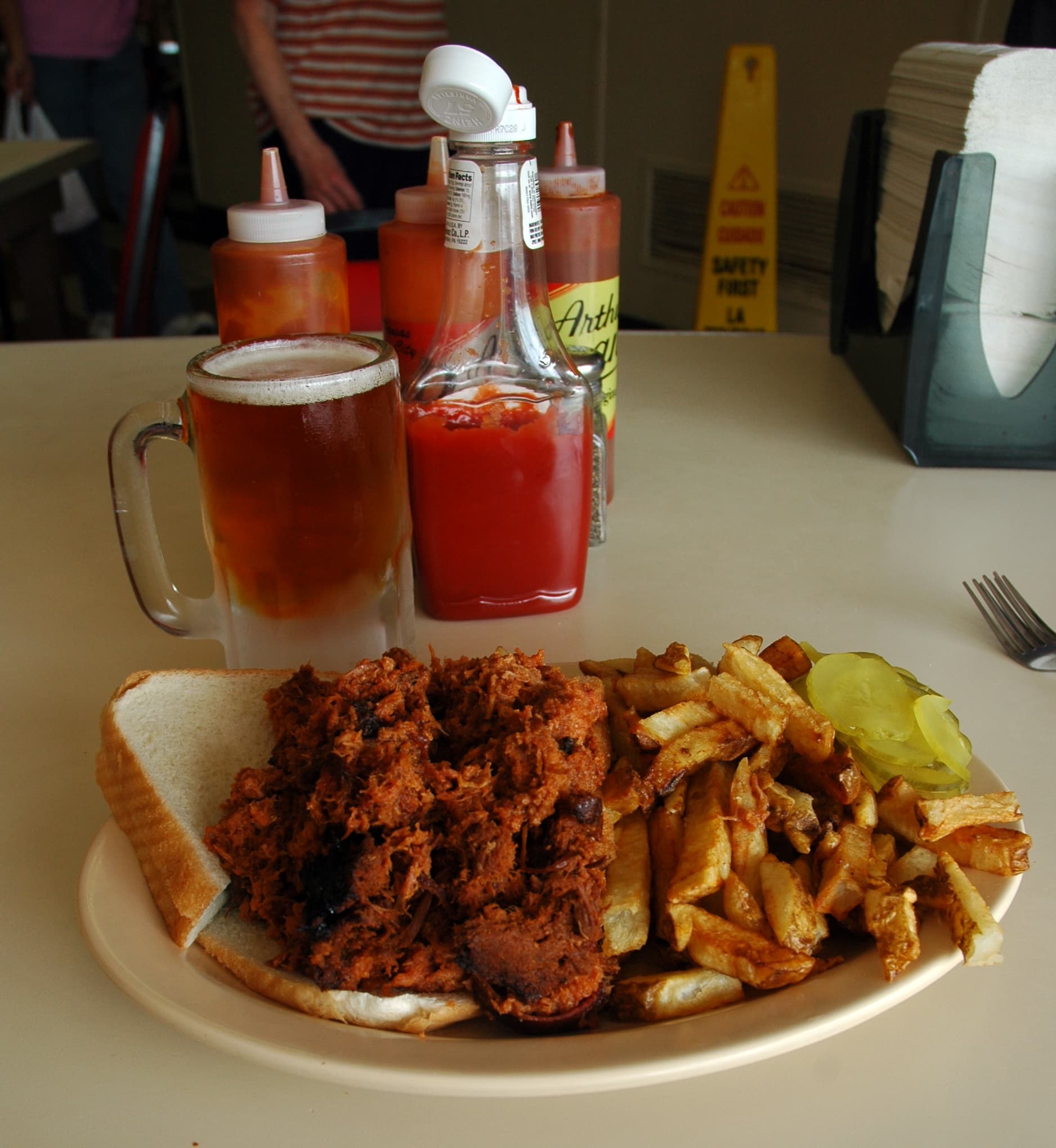
2010-2026
Pulled Pork is a barbecue classic featuring slow-smoked or braised pork shoulder shredded and served with sauce. It enjoys popularity at food trucks, farmers markets, and Fourth of July celebrations.
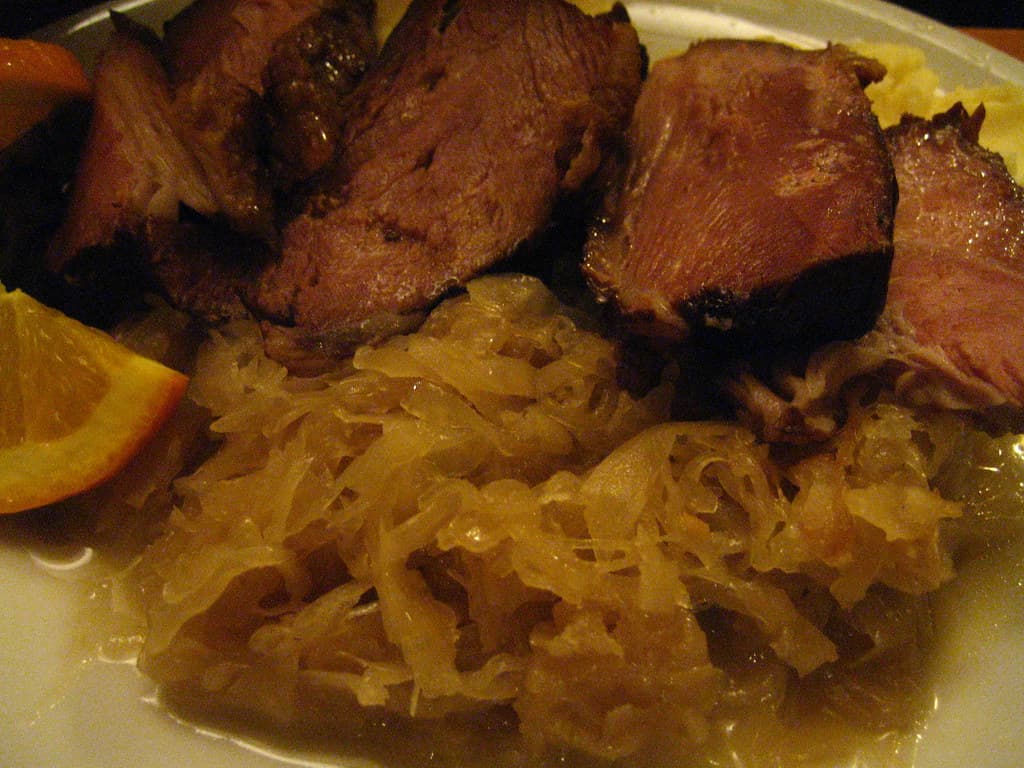
1800s-present
Pork and Sauerkraut is a classic American comfort and holiday dish often served on New Year's Day for luck and prosperity. Slow-cooked pork is combined with sauerkraut and seasoned to create a savory one-pot meal reflecting German-American and regional influences.
1800-1860
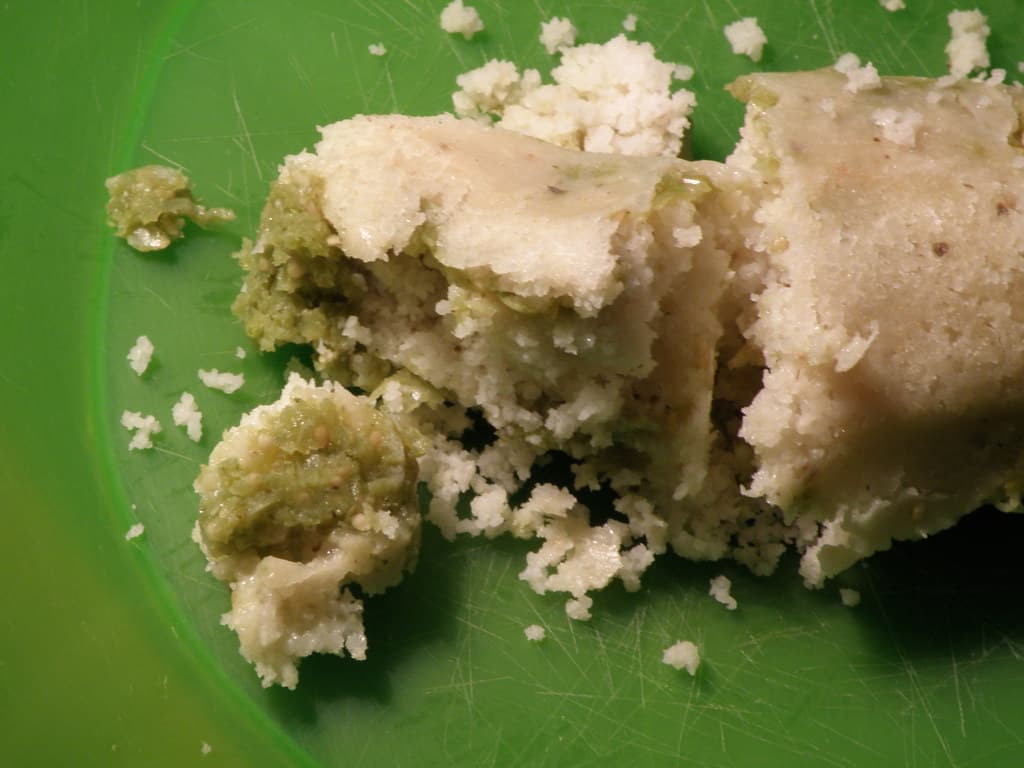
Tamales are traditional Mesoamerican foods made of masa dough filled with meat or vegetables, wrapped in corn husks, and steamed. They have deep roots in Mexican, Spanish borderlands, and Indigenous cultures and were adapted by Mexican-American communities in the 19th century, becoming central to holiday celebrations.