
Recipe archive
Loading
Setting the table...
Fetching the latest recipes from the archive.
Loading
Fetching the latest recipes from the archive.
Recipe archive
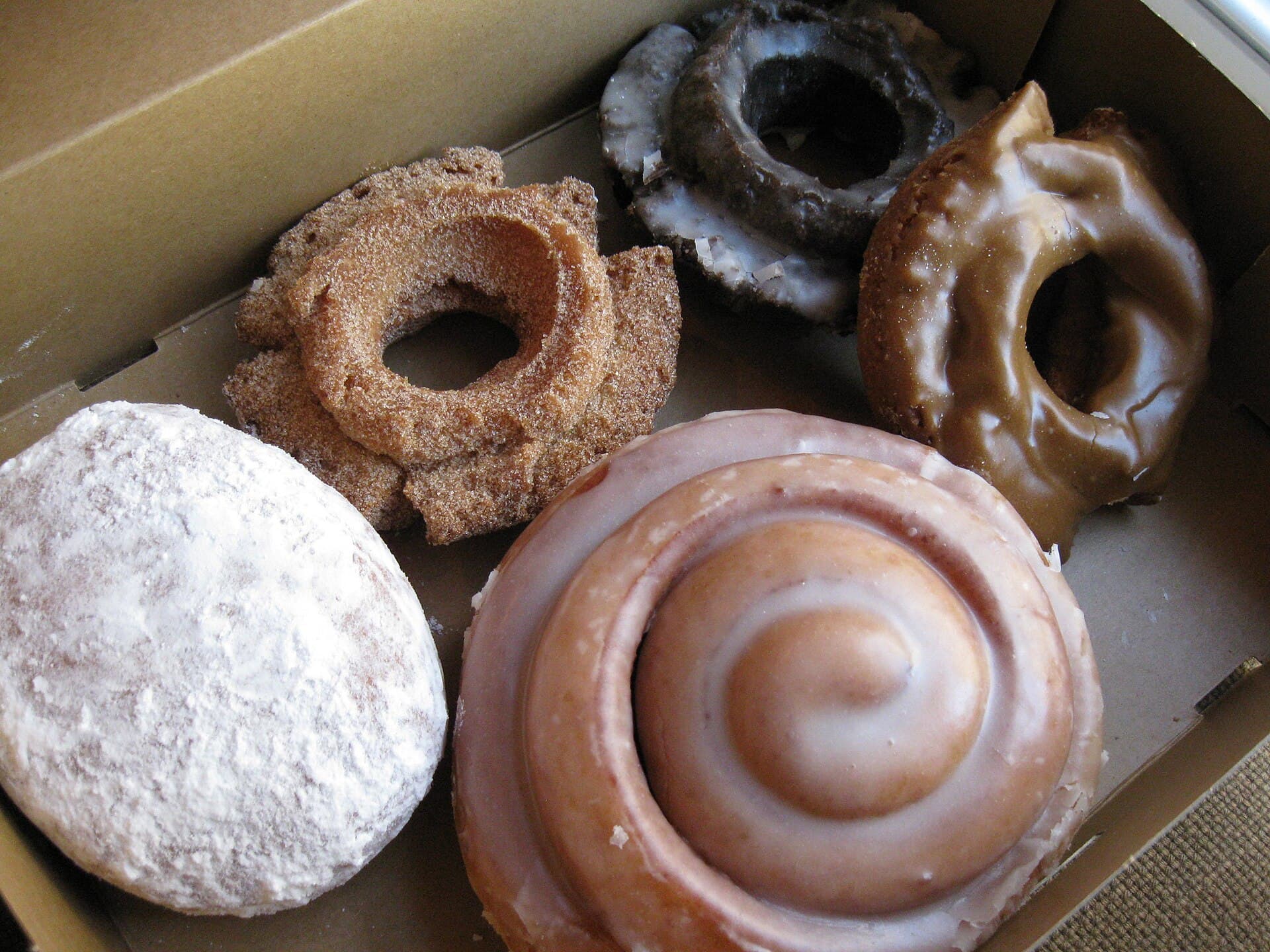
1776-1800 - Immigrant communities and American breakfast traditions over multiple eras.
Doughnuts are a beloved American breakfast and snack originating from various immigrant influences, consisting of fried dough rings or balls coated in sugar or glaze. The recipe has evolved over centuries and become a cross-era staple with numerous regional variations.
Community-powered photos. Reviewers can upload dish photos, and the highest-rated community image may be featured here.
Difficulty
Medium
Prep time
20 minutes
Cook time
15 minutes
Total time
1 hour 35 minutes (including rising)
Servings
12 doughnuts
Region
Dutch New York and New Netherland kitchens
Era introduced
1776-1800
Introduced by
Immigrant communities and American breakfast traditions over multiple eras.
Recipe tools
Log in to save this recipe to a collection.
Doughnuts have a complex American history influenced by Dutch, German, and Scandinavian immigrant communities who brought fried sweet breads and pastries. By the 19th and 20th centuries, doughnuts became deeply integrated into American breakfasts and snacks across regions. Their flexibility in shapes, toppings, and flavors has made them a continuous favorite, celebrated nationally with doughnut shops, fairs, and breakfast tables.
Share family changes, regional twists, or pantry-friendly adaptations as full community recipes.
Log in to submit a community recipe.
No community recipes yet. Submitted recipes are published right away.
Rate this recipe and share how it worked at your table.
Log in to review this recipe.
No reviews yet. Be the first to rate this recipe.
Recipes matched by era, region, occasion, ingredients, and cultural roots from the archive.
Same era
America's Melting Pot
Deviled Egg Filling photo coming soon
1700s-present
Deviled Egg Filling is a spread with real American table personality: Not exactly a sauce, but a condiment-like American picnic food. It brings flavor from coast-to-coast American tables to cookouts, counters, lunch plates, potlucks, and weeknight suppers.
1700s-present
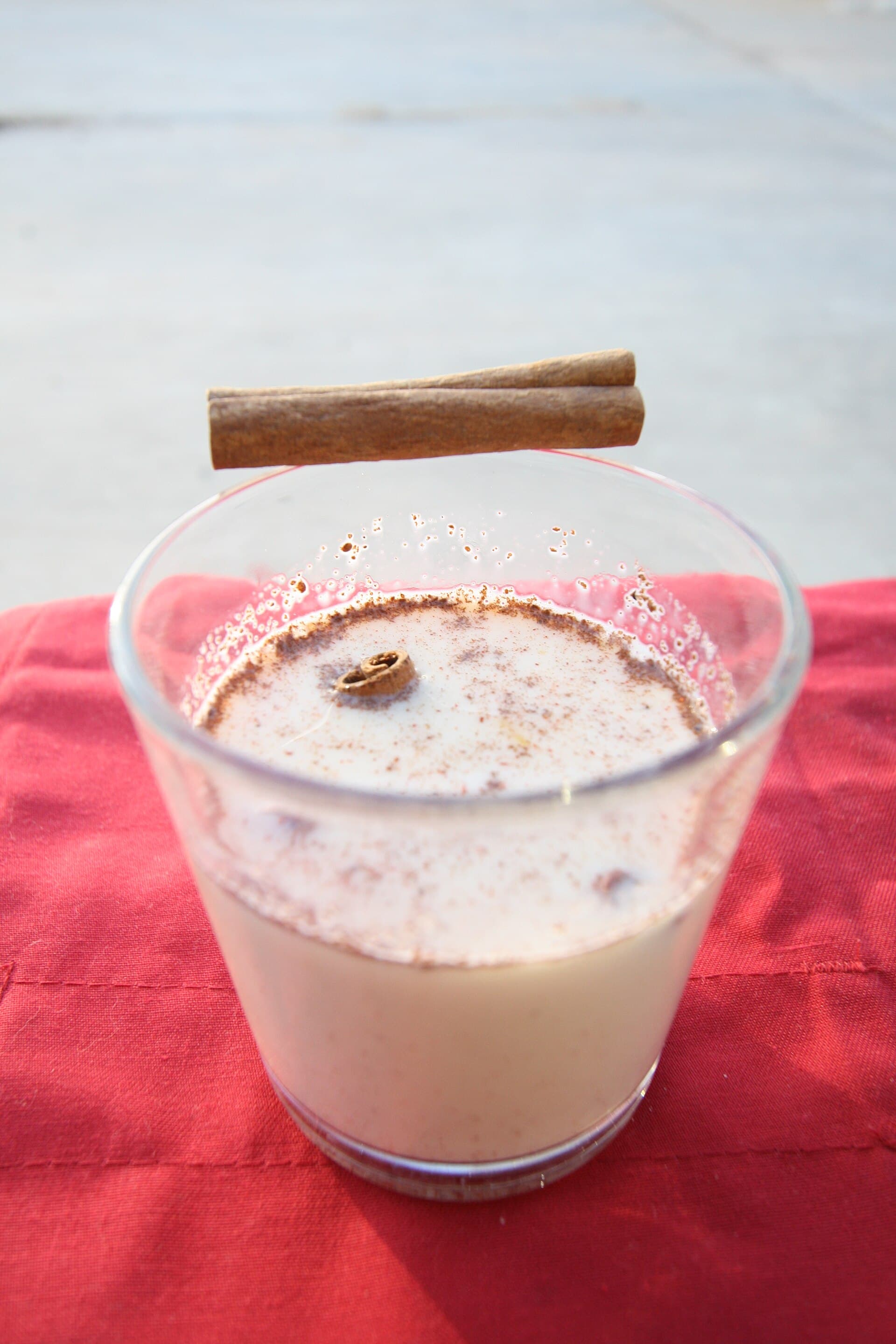
Eggnog is a rich, creamy holiday beverage made from milk or cream, beaten eggs, sugar, and often spiked with spirits such as brandy or rum. Served chilled, it is a festive treat deeply associated with Christmas celebrations across the United States, with colonial roots.
America's Melting Pot
Fried Oysters photo coming soon
1700s-present
Fried oysters are oysters breaded or battered and pan-fried or deep-fried until crispy. A popular dish in the late 18th century, fried oysters were enjoyed as a fresh, flavorful way to prepare abundant coastal seafood during the Revolutionary era.
Same region
1700s-1800s
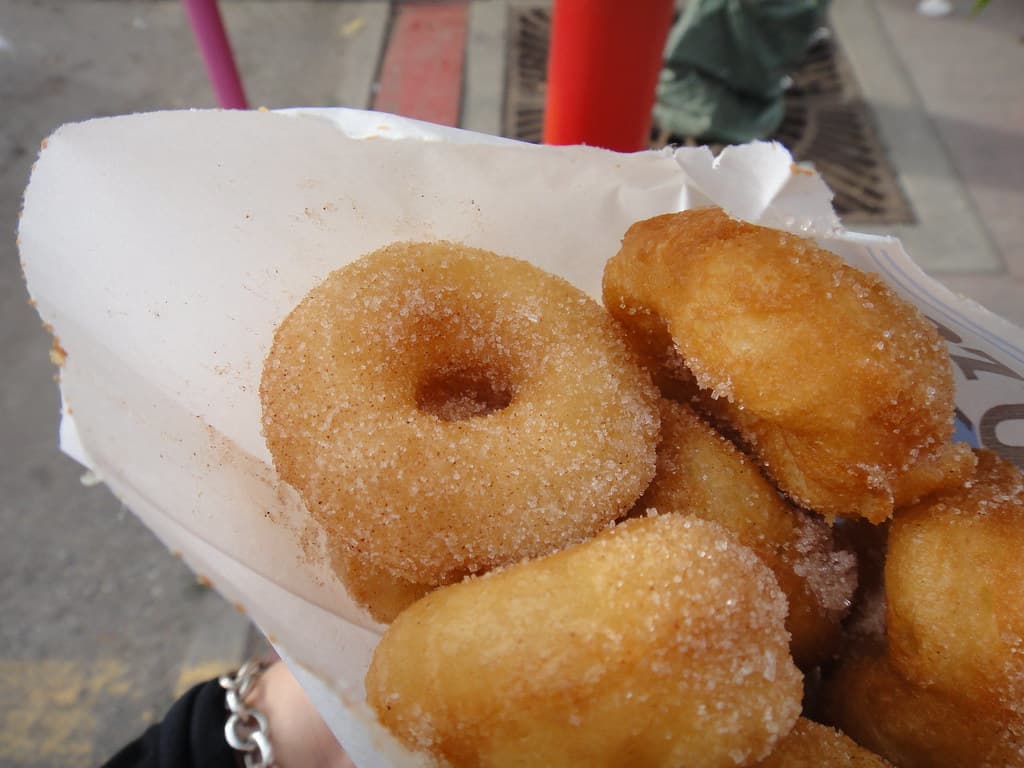
Mini donuts are tiny, fried doughnuts commonly enjoyed at American state fairs, carnivals, and diners during the early 20th century. Their small size made them a convenient treat for fairgoers and lunch counter patrons. This recipe captures the simplicity and nostalgic appeal of these sweet bites, featuring a light dough fried to golden perfection and lightly dusted with cinnamon sugar.
America's Melting Pot
Acorn Bread photo coming soon
1800-1860
A nutty, lightly sweet quick bread made with properly leached acorn flour, cornmeal, and wheat flour.
America's Melting Pot
Air Fryer Brussels Sprouts photo coming soon
2010s-present
Trimmed Brussels sprouts air-fried with a little oil until crisp at the edges and tender in the center.
Same table
1700-2026
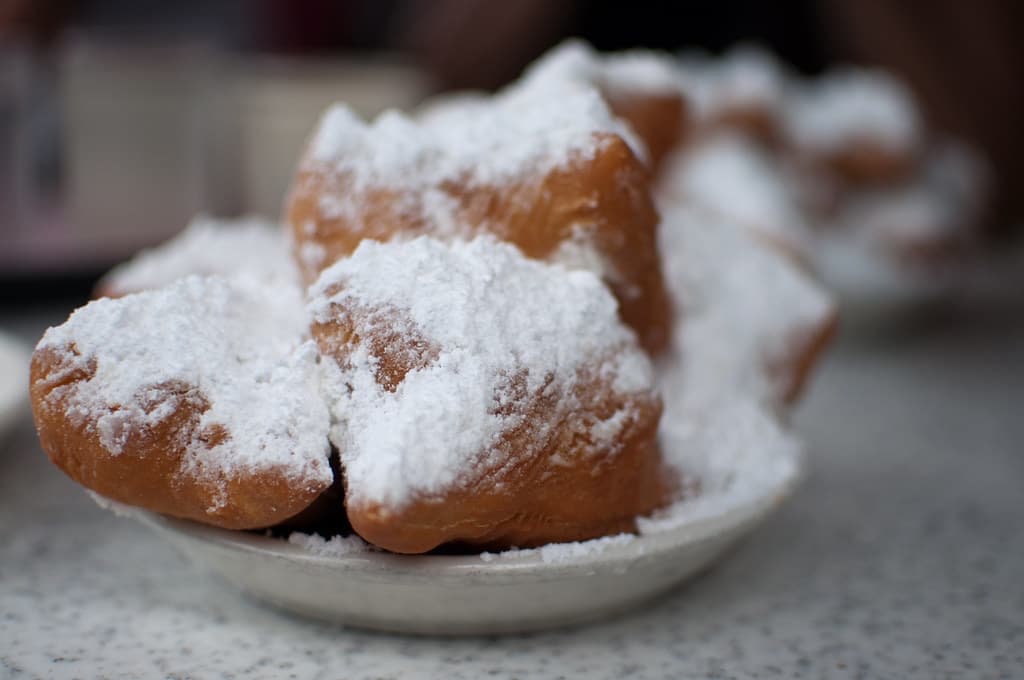
Beignets carry French and Acadian roots into Louisiana, where New Orleans coffee stands made them a breakfast and late-night ritual. The familiar square, sugar-dusted version is now inseparable from cafe au lait and the French Quarter.
1990-2009
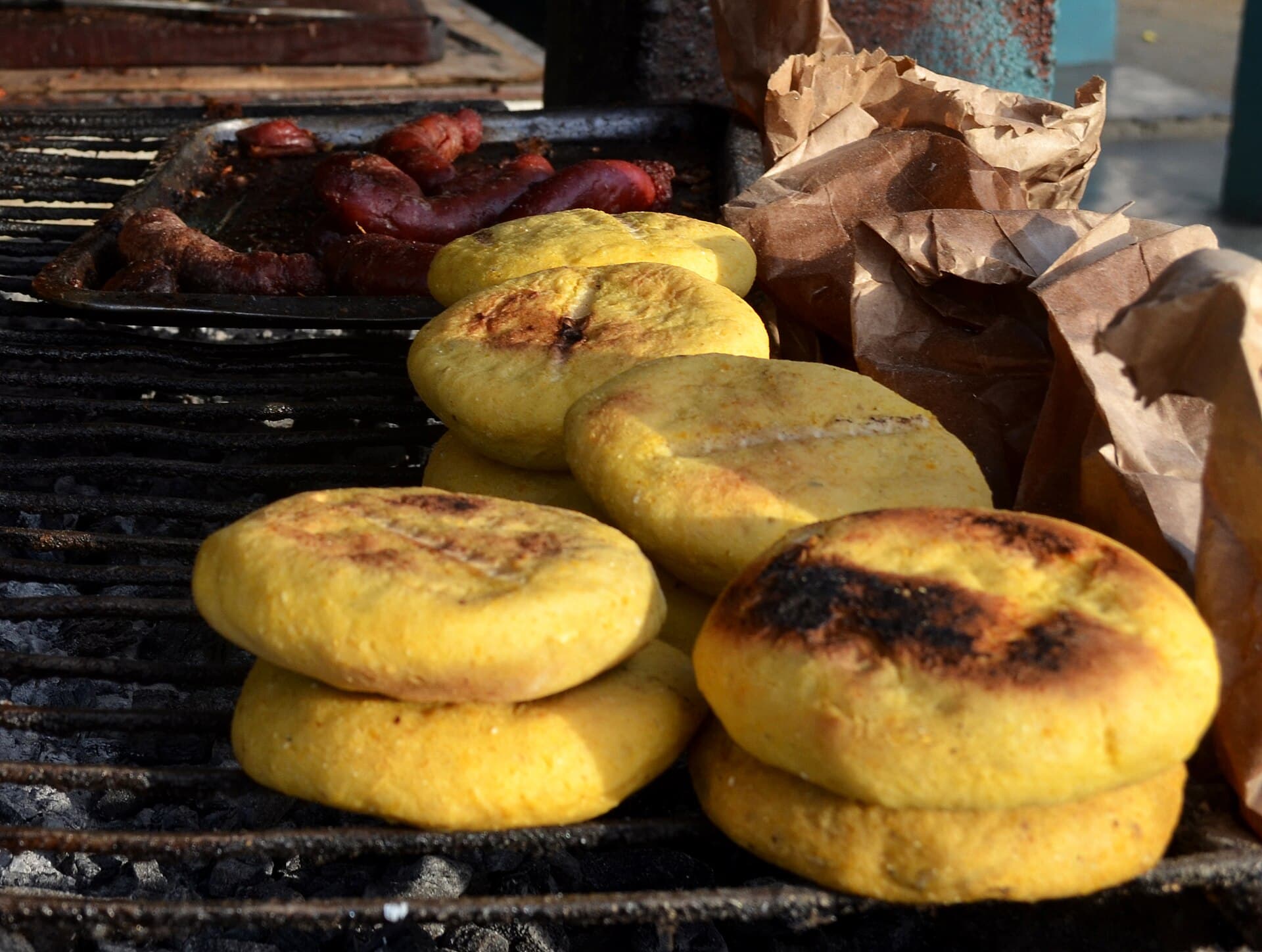
A basic arepa recipe made with masarepa, water, salt, and a hot skillet, ready to eat plain, buttered, cheesed, or split for fillings.
1930-2026
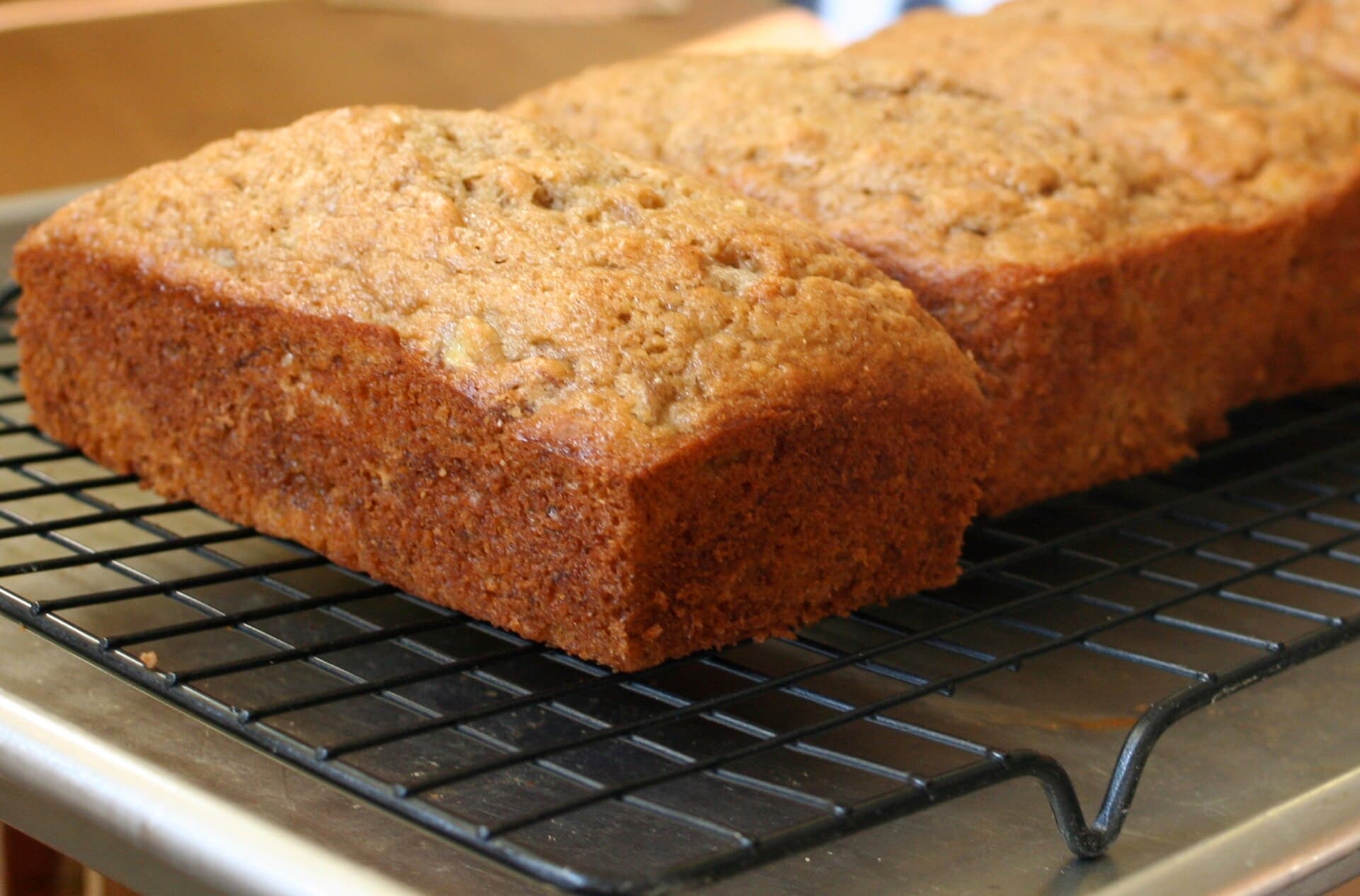
A classic banana bread made with mashed ripe bananas, butter, brown sugar, eggs, flour, baking soda, and optional walnuts.