
Recipe archive
Loading
Setting the table...
Fetching the latest recipes from the archive.
Loading
Fetching the latest recipes from the archive.
Recipe archive
America's Melting Pot
Hazelnut Cake hero image coming soon
1900-1929 - Pacific Northwest home bakers and community celebrations.
Hazelnut cake showcases toasted Northwest hazelnuts incorporated into a moist cake, often layered and frosted. This dessert highlights the Pacific Northwest's rich nut harvests and fusion of American baking traditions.
No featured photo yet. Upload a photo with your review. The highest-rated community photo may become this recipe's hero image.
Difficulty
Medium
Prep time
25 minutes
Cook time
35 minutes
Total time
1 hour
Servings
8
Region
Willamette Valley, Oregon
Era introduced
1900-1929
Introduced by
Pacific Northwest home bakers and community celebrations.
Recipe tools
Log in to save this recipe to a collection.
Pacific Northwest hazelnut cake celebrates the region's abundant hazelnut groves and evolved baking traditions from immigrant and local communities. Incorporating toasted nuts into batter and frosting creates a distinctive flavor and texture cherished in home baking and community celebrations. This cake exemplifies how local agricultural products influenced regional American desserts, enhancing the melting pot with native ingredients.
Share family changes, regional twists, or pantry-friendly adaptations as full community recipes.
Log in to submit a community recipe.
No community recipes yet. Submitted recipes are published right away.
Rate this recipe and share how it worked at your table.
Log in to review this recipe.
No reviews yet. Be the first to rate this recipe.
Recipes matched by era, region, occasion, ingredients, and cultural roots from the archive.
Same era
America's Melting Pot
American French Dressing photo coming soon
1900s-present
American French Dressing is a dressing with real American table personality: The bright orange-red, sweet, tomatoey bottled dressing Americans call "French." Not very French, very American. It brings flavor from coast-to-coast American tables to cookouts, counters, lunch plates, potlucks, and weeknight suppers.
America's Melting Pot
Apple Pie Shake photo coming soon
1922-present
Apple Pie Shake brings drive-in, carhop, and fast-food dessert-counter energy to the table: Diner pie a la mode in a cup.
America's Melting Pot
Avgolemono Soup photo coming soon
1900-1929
A silky Greek-American chicken, rice, egg, and lemon soup made by tempering eggs into hot broth for a creamy dairy-free finish.
Same region
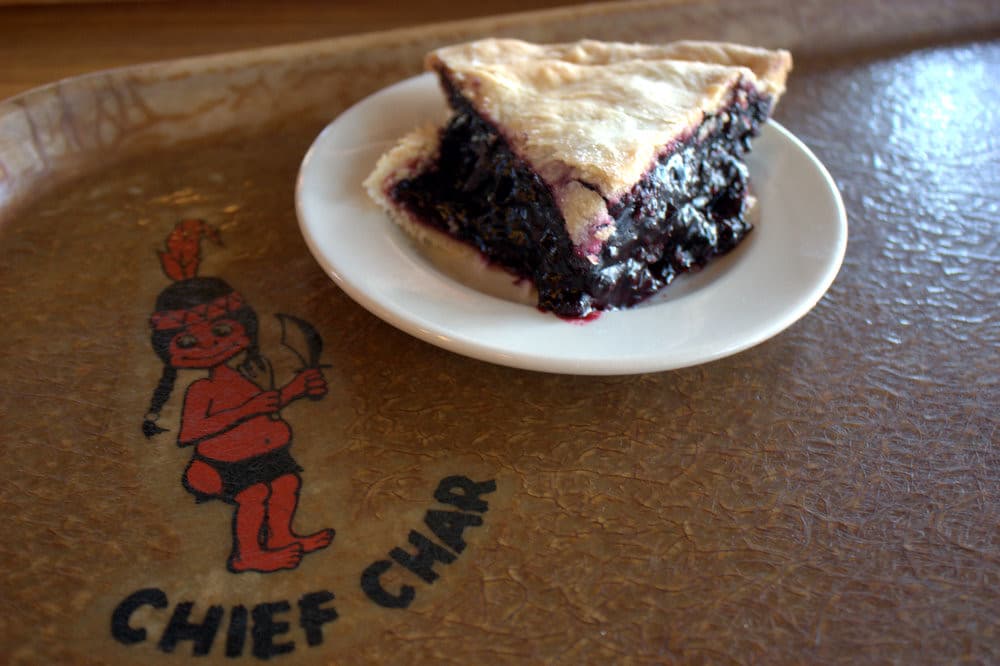
1956-present
Marionberry pie showcases the marionberry, a blackberry variety developed in Oregon, baked into a sweet-tart pie that highlights Pacific Northwest fruit agriculture. The pie has become a regional dessert favorite, representing local farming innovation and the Pacific Northwest's berry-rich culinary tradition.
America's Melting Pot
Acai Bowl Smoothie Base photo coming soon
1970s-present
Acai Bowl Smoothie Base brings juice-bar color and American smoothie-counter energy to the glass: California/Hawaii/fitness culture.
America's Melting Pot
Air Fryer Salmon photo coming soon
2010-2026
Salmon fillets seasoned simply and air-fried until browned outside and flaky within.
Same table
1956-present
Marionberry pie showcases the marionberry, a blackberry variety developed in Oregon, baked into a sweet-tart pie that highlights Pacific Northwest fruit agriculture. The pie has become a regional dessert favorite, representing local farming innovation and the Pacific Northwest's berry-rich culinary tradition.
America's Melting Pot
Fried Dough photo coming soon
1890s-present
Fried dough is a crispy, golden fried bread dough treat commonly sold at fairs, carnivals, and carnivals across the United States. Topped with powdered sugar or cinnamon sugar, it represents immigrant-influenced American carnival cuisine of the early 20th century.
America's Melting Pot
Greek Diner Rice Pudding photo coming soon
1900s-present
Greek diner rice pudding is a creamy dessert made from rice cooked with milk, sugar, and often flavored with cinnamon or lemon. Introduced by Greek immigrant communities in the early 20th century, this pudding became a classic offering in diners across the United States, prized for its comforting texture and simple ingredients.